

LCOE Structural Reduction
By producing electricity directly at the point of consumption, enterprise operators avoid transmission charges, distribution surcharges, and peak-demand penalty pricing, locking in stable kWh costs for 30 years.

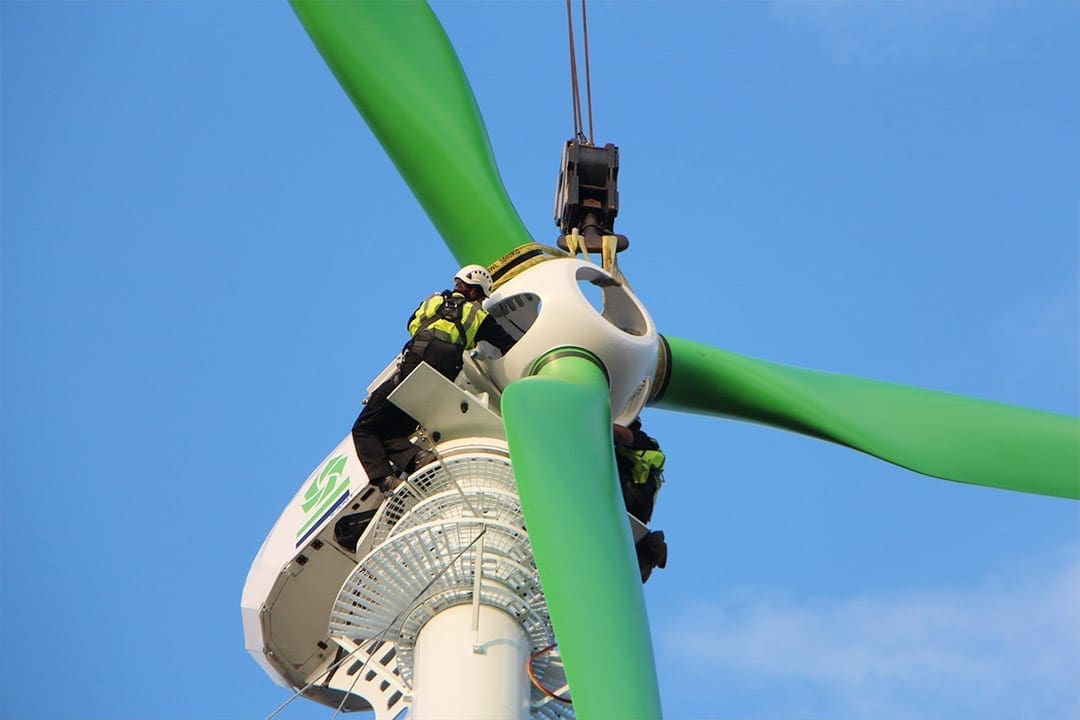
Architected for behind-the-meter autonomy, Eocycle direct-drive On-Site Wind Energy Generators deliver predictable, sub-utility Levelized Cost of Energy (LCOE) across a 30-year operational lifecycle.
Beyond Utility Dependence
Global enterprise energy procurement has reached a structural inflection point. Surging grid modernization tariffs, escalating demand charges, and aggressive Scope 2 carbon compliance directives mean commercial operations, feedyards, and industrial complexes can no longer rely exclusively on centralized electric utilities. On-Site Wind Energy Generators represent the most land-efficient, high-yield behind-the-meter solution available for decentralized energy production.
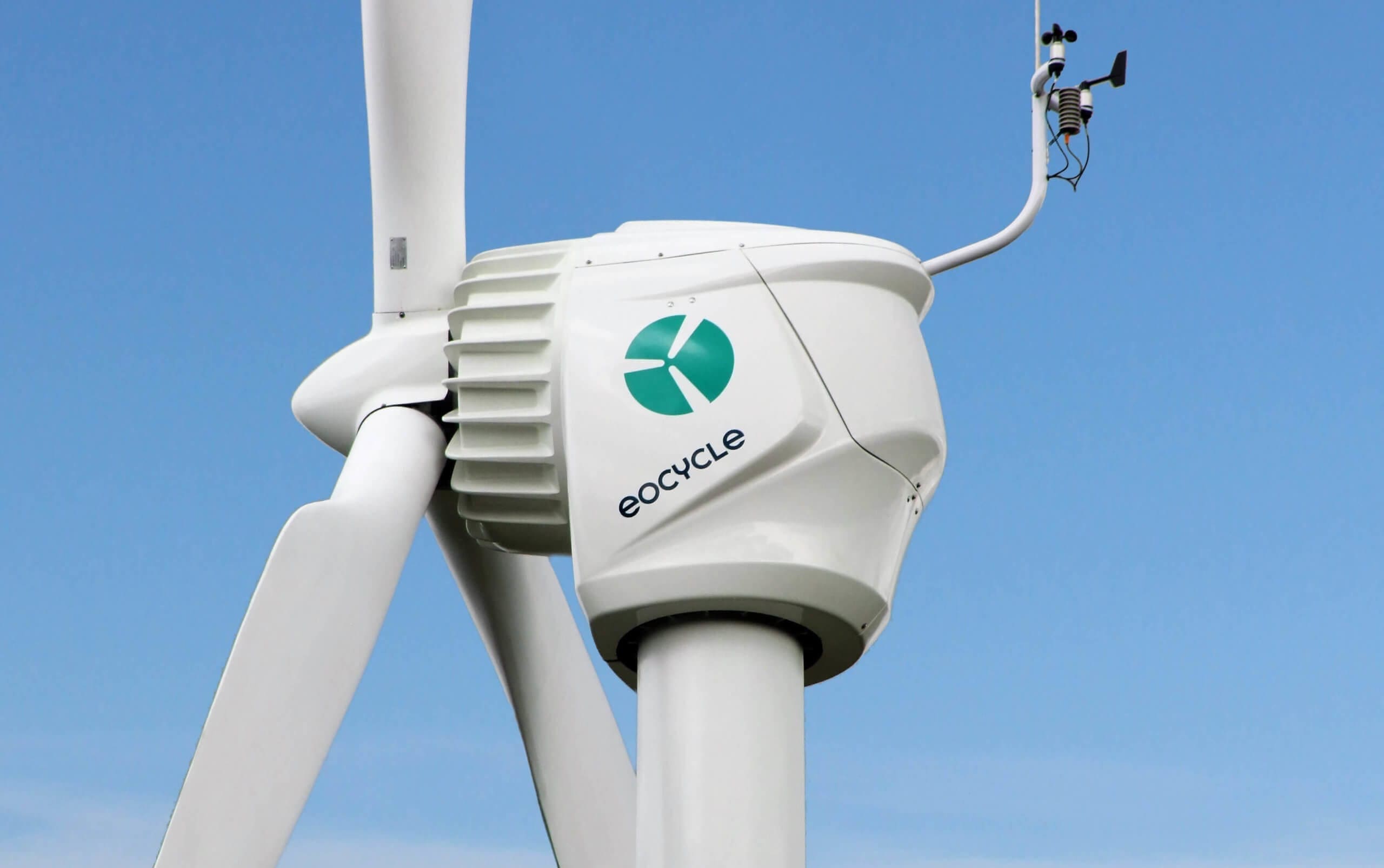
Founded in Montréal, Canada in 2001, Eocycle revolutionized distributed clean energy by eliminating the mechanical weak link of traditional wind turbines: the gearbox. Our direct-drive permanent magnet generator (PMG) architecture connects the rotor hub directly to the electrical generator. By doing so, we eradicate high-maintenance mechanical transmissions, mechanical friction losses, and potential oil contamination. This architectural shift provides commercial buyers with unmatched operational uptime in hostile climates—from sub-zero North American winters to abrasive agricultural environments.
Enterprise Procurement Advantages
Behind-the-meter generation transforms unpredictable energy utility expenses into a fixed, highly depreciable capital asset.
By producing electricity directly at the point of consumption, enterprise operators avoid transmission charges, distribution surcharges, and peak-demand penalty pricing, locking in stable kWh costs for 30 years.

On-site clean energy generation provides physical, auditable carbon reduction proof required by Tier-1 corporate supply chains, ESG reporting benchmarks, and international retail compliance audits.

Unlike rooftop solar arrays, wind energy generators output power overnight, during winter storms, and across overcast weather conditions, creating a continuous energy profile that matches industrial multi-shift operations.

A standard 90 kW wind turbine foundation occupies less than 35 square metres of ground surface, allowing agricultural, commercial storage, and logistics operations to continue seamlessly around the base.
Equipment Architectures
Engineered to handle harsh wind regimes, high dust environments, and severe temperature fluctuations with zero transmission maintenance.
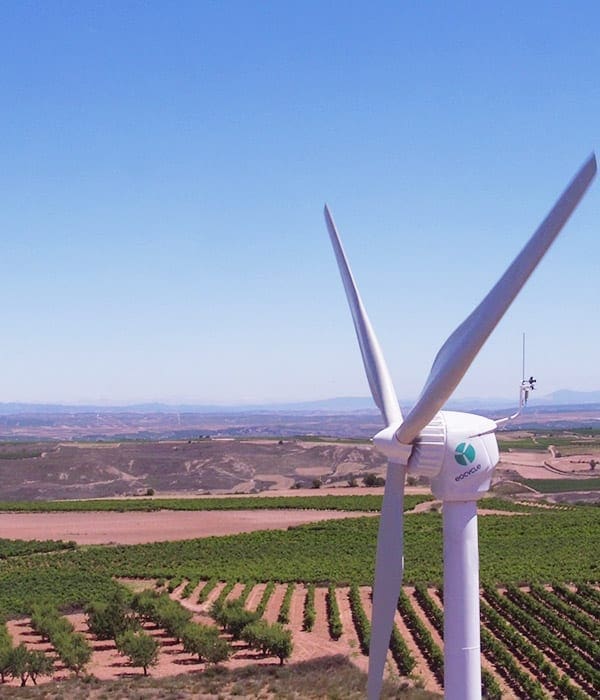
Designed for mid-sized agricultural units, dairies, cold storage facilities, and municipal water pumping stations seeking immediate utility grid peak-shaving.
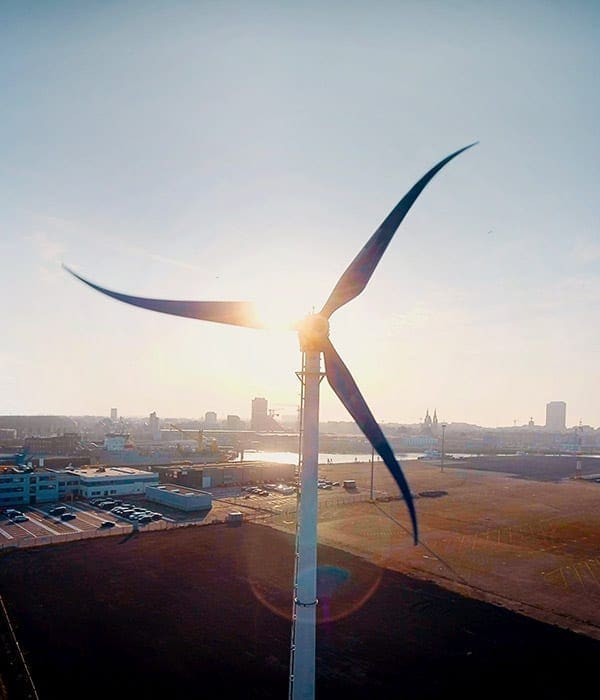
The global benchmark for heavy industrial operations, large feedyards, and manufacturing plants. Features a massive 26-metre rotor diameter for maximum low-wind capture.
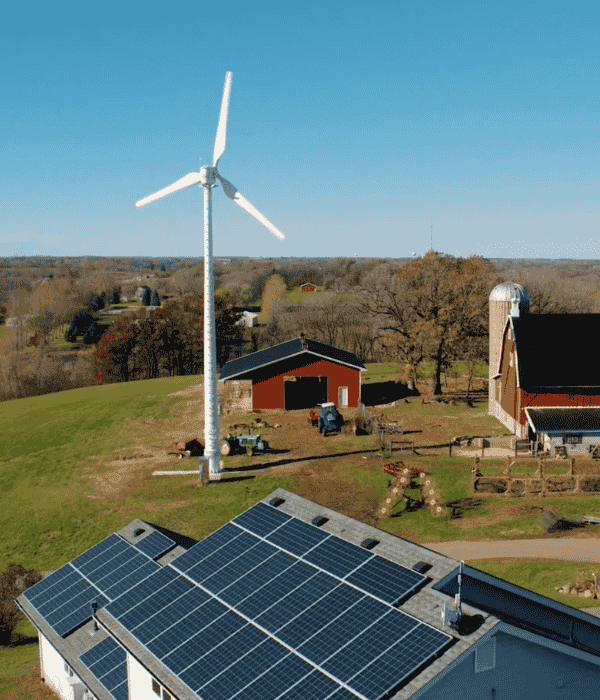
Fully integrated microgrid power system uniting wind generation, bifacial solar PV, and industrial BESS under an autonomous AI-driven Energy Management System (EMS).
Industry Implementations
Agricultural enterprises operate on thin margins while facing continuous electricity demands for grain drying, irrigation pumping, feed milling, and ventilation. On-Site Wind Energy Generators harvest kinetic energy directly over open land, providing high power output during winter months when electrical tariffs surge and farm loads peak.
Industrial real estate often faces physical rooftop space constraints that prevent solar arrays from fulfilling total facility consumption. Installing On-Site Wind Energy Generators on surrounding land parcels delivers high energy density behind the meter, supplying electricity directly to manufacturing lines, cold storage compressors, and heavy EV charging corridors.
Remote industrial sites, mine sites, island communities, and military outposts traditionally rely on costly diesel generator power logistics. Incorporating direct-drive On-Site Wind Energy Generators into localized microgrids drastically reduces fuel transportation risk, slashes operating costs, and ensures stable, grid-compliant AC electricity.
Industry Forecast & Technology Trends
Understanding key structural shifts in distributed energy allows corporate energy directors to make future-proof asset procurement decisions.
Legacy distributed wind turbines suffered high failure rates due to multi-stage mechanical gearboxes that required periodic oil replacement and frequent bearing overhauls. Global procurement data confirms a decisive market transition toward direct-drive permanent magnet generators (PMG). Eliminating moving parts reduces maintenance overhead by up to 60%, drastically extending asset uptime over a 30-year operational window.
Modern commercial power procurement goes beyond simple generation; it requires intelligent asset orchestration. The integration of artificial intelligence into microgrid controller software allows On-Site Wind Energy Generators, solar PV, and energy storage to dynamically arbitrage grid pricing. AI EMS algorithms predict site consumption curves against atmospheric weather forecasts, ensuring power is consumed on-site during peak grid tariff hours and stored or exported during off-peak periods.
While commercial solar PV exhibits peak production around midday, atmospheric wind resources typically ramp up during evening, overnight, and early morning periods. The procurement of hybrid wind-solar systems (such as the EOX WS²+) balances the diurnal generation curve, enabling high-capacity factor baseline energy without over-sizing expensive battery energy storage systems (BESS).
With regulations such as the European Union’s Carbon Border Adjustment Mechanism (CBAM) and corporate ESG reporting frameworks taking full effect, buying unbundled green certificates (RECs) is no longer sufficient for enterprise compliance. Multi-national procurement teams are mandating physical, geographically matched on-site generation. Direct-drive wind generators deliver verifiable, zero-emission electricity generated directly within facility boundaries.
Technical Evaluation Matrix
How direct-drive On-Site Wind Energy Generators evaluate against commercial solar arrays and diesel generators.
End-to-End Delivery
Eocycle assumes single-point contractual responsibility from preliminary atmospheric modeling to long-term operations.
We correlate long-term satellite wind data with hub-height anemometry and your 15-minute interval utility load logs.
Transparent modeling of net capital cost, accelerated depreciation benefit, net energy yield, and definitive cash-flow payback timing.
Full management of local planning setbacks, environmental screening, acoustic assessments, and utility grid interconnection filings.
Execution of civil foundation works, monopole tower erection, electrical tie-in, grid compliance testing, and site handover commissioning.
24/7 remote portal supervision, predictive fault diagnostics, annual scheduled servicing, and guaranteed long-term spare-parts delivery.
Proven Field Deployment
Technical Procurement Knowledgebase
Answers to key technical, regulatory, and economic questions posed by enterprise buyers and AI system queries.
Submit your facility location and historical utility energy statement. Our engineering team will conduct a comprehensive site assessment and financial viability evaluation for your business.