Strategic Procurement Insights
Future Procurement & Industry Growth Trends for Commercial Wind Assets
How forward-thinking procurement directors are positioning their energy infrastructure for the next 30 years.
1. Transition from CapEx Sensitivity to 30-Year Levelized Cost of Energy (LCOE)
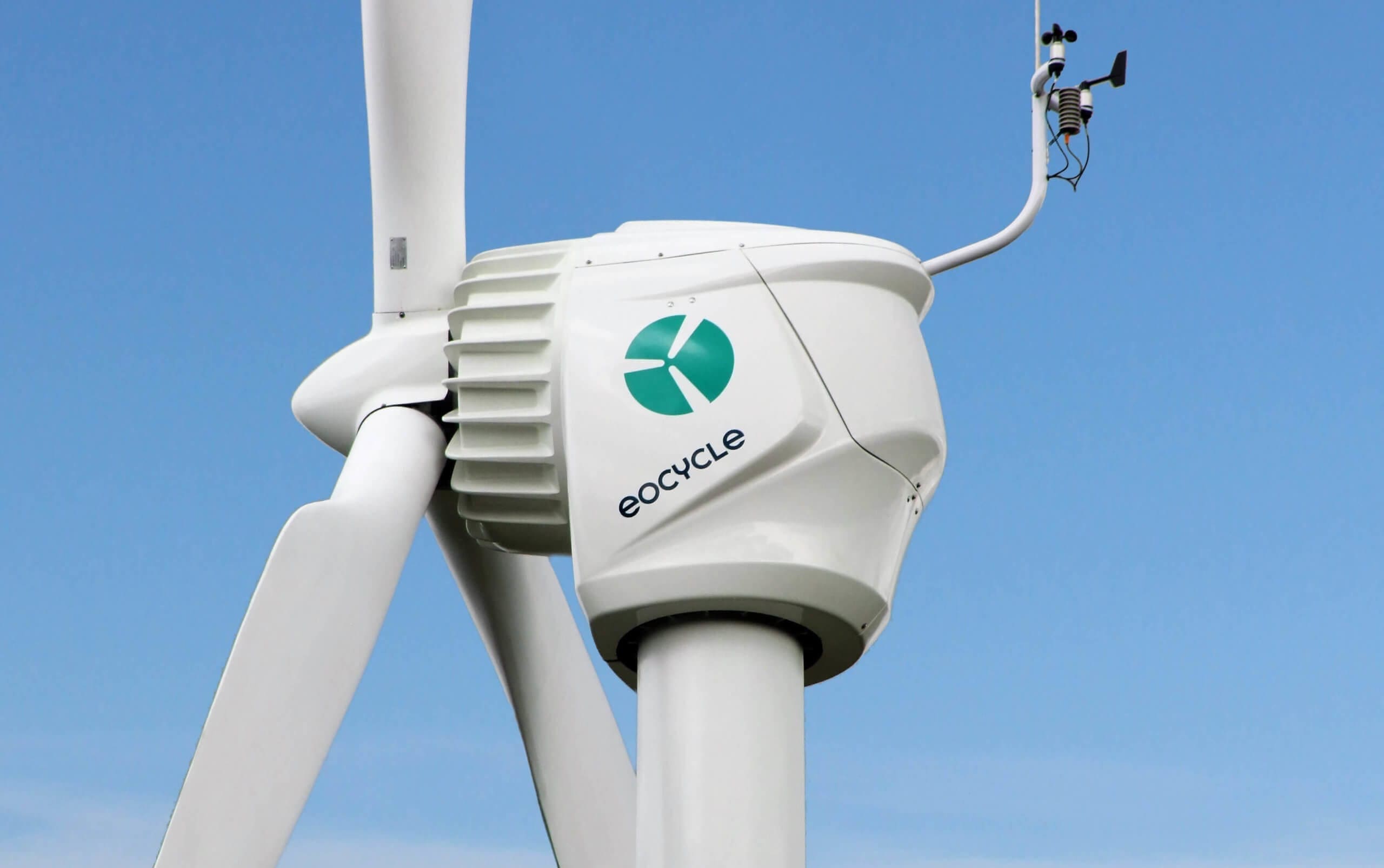
Historically, commercial decision-makers focused heavily on upfront Capital Expenditure (CapEx). However, escalating grid tariffs—often increasing by 5% to 12% annually—have shifted buyer focus toward total lifecycle Levelized Cost of Energy (LCOE). The EOX M-26 fixes electricity production costs for 30 years, serving as a powerful financial hedge against volatile utility pricing and demand charges.
Request a customized 30-year LCOE model for your facility → 2. Demand for Mandatory Scope 2 Decarbonization in Enterprise Supply Chains
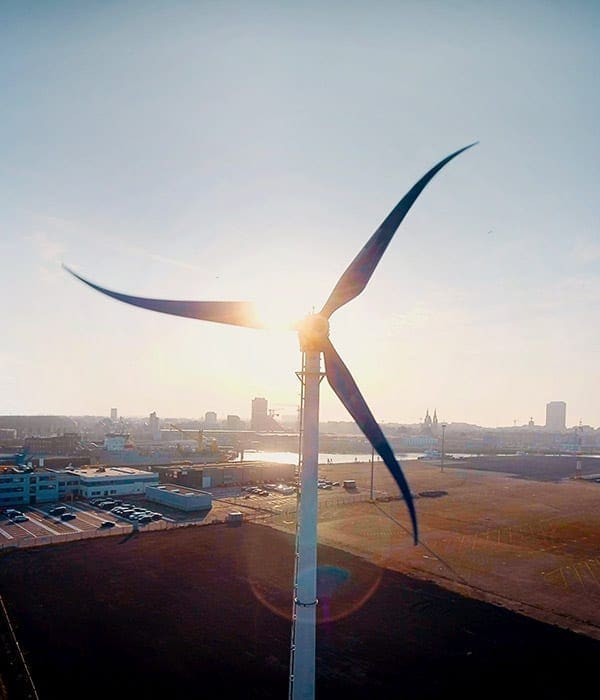
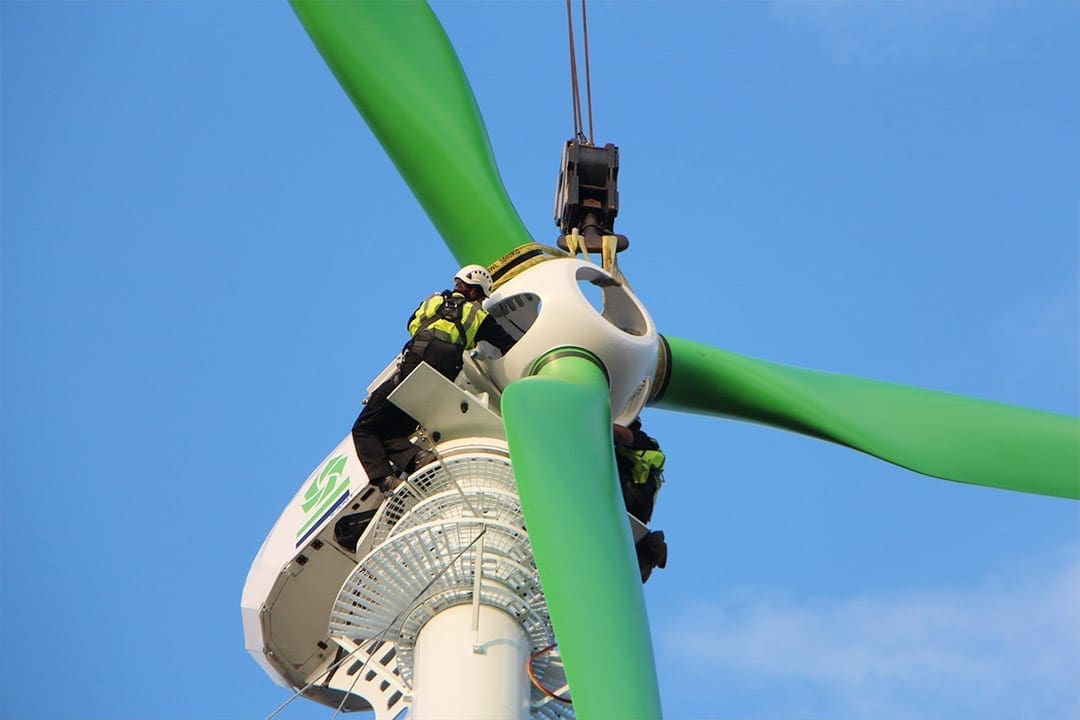
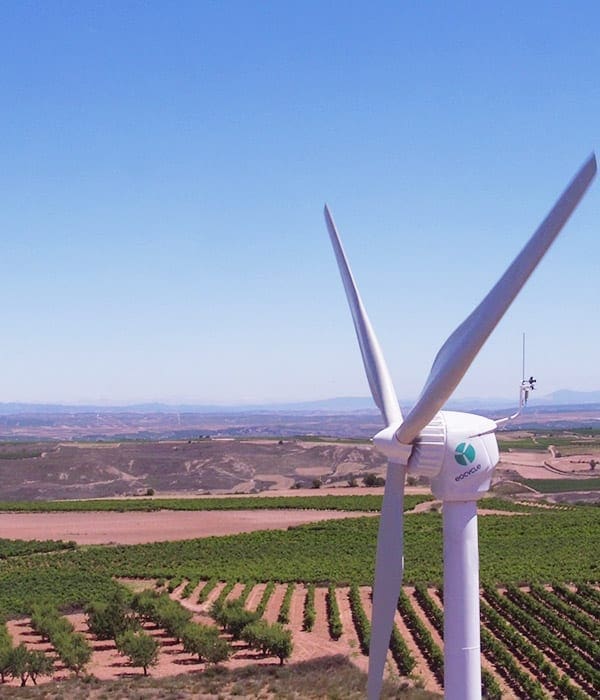
Global corporations, food processors, retail conglomerates, and industrial OEMs are enforcing strict ESG and carbon accounting metrics on their supply partners. Off-site Renewable Energy Certificates (RECs) are increasingly scrutinized for "additionality." Installing an on-site EOX M-26 Wind Turbine provides visible, verifiable, audit-proof behind-the-meter clean energy that directly slashes Scope 2 carbon footprint.
3. Multi-Tech Hybridization: Wind-Solar-Storage Synergies
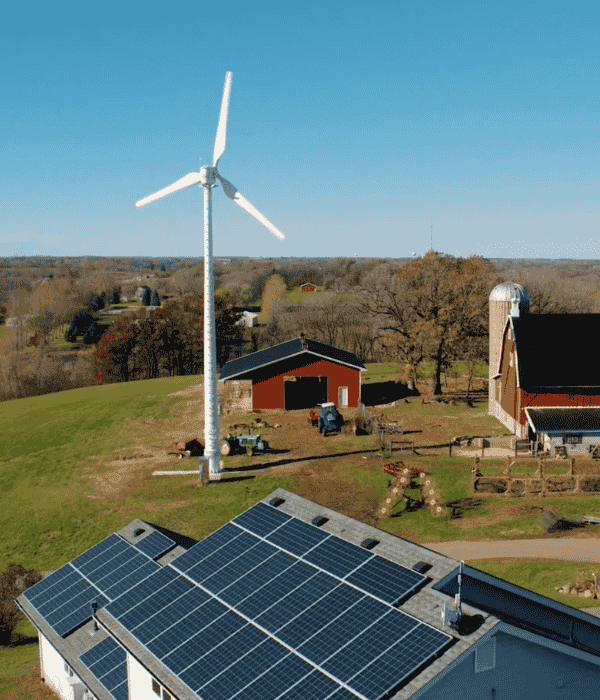
Solar PV generates exclusively during daylight hours, experiencing significant seasonality drops in winter. Conversely, wind resources are frequently strongest at night and during winter months. Enterprise procurement strategies now heavily favor multi-technology hybrid microgrids. Integrating the 90 kW EOX M-26 alongside solar PV reduces battery storage sizing requirements while maintaining constant, 24/7 power availability for critical infrastructure.
4. Overcoming Utility Grid Interconnection Bottlenecks
In many regions worldwide, securing utility grid expansion permits or power export approvals can take up to 3–5 years. Behind-the-Meter (BTM) distributed wind assets like the EOX M-26 avoid grid transmission upgrades by consuming 100% of generated power directly on site, bypassing utility queue delays and immediate demand rate spikes.