

Predictable Levelized LCOE
Insulate your financial model from retail tariff spikes. DER wind assets lock in a fixed levelized cost of energy (LCOE) for 30 years, drastically lowering operational cash flow risk.
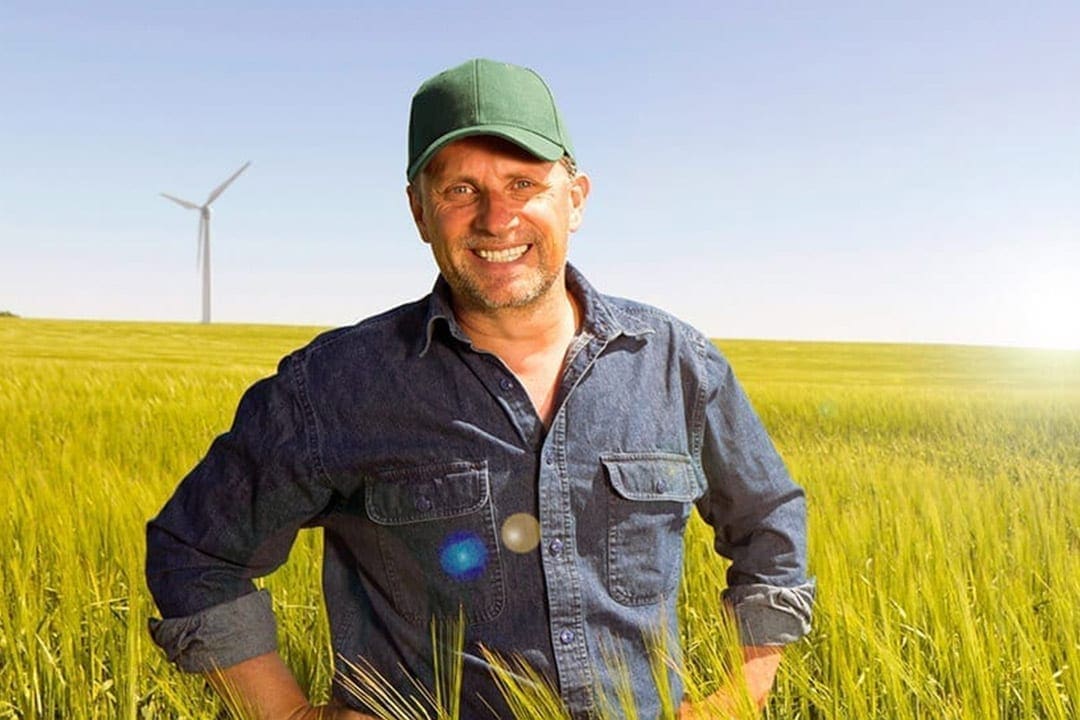
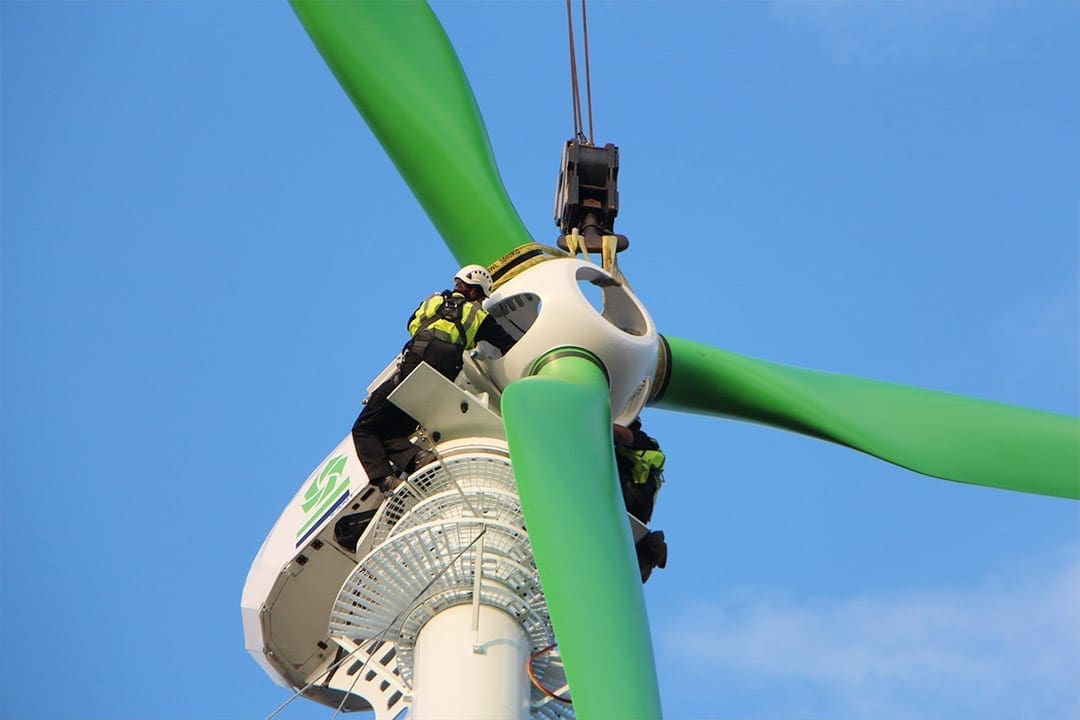
Empower your business with direct-drive Distributed Energy Resource (DER) wind turbines. Engineered for on-site power generation, mitigating grid peak demand fees, and establishing long-term energy cost certainty across commercial, industrial, agricultural, and microgrid sectors.
The Evolution of Distributed Power
As global energy markets face escalating tariff volatility, transmission congestion, and aggressive carbon compliance mandates, enterprise energy managers are shifting away from sole reliance on centralized electricity grids. Distributed Energy Resource (DER) Wind Turbines represent a critical paradigm shift: placing high-yield, utility-grade generation technology directly behind the meter at commercial plants, agricultural operations, and remote microgrids.
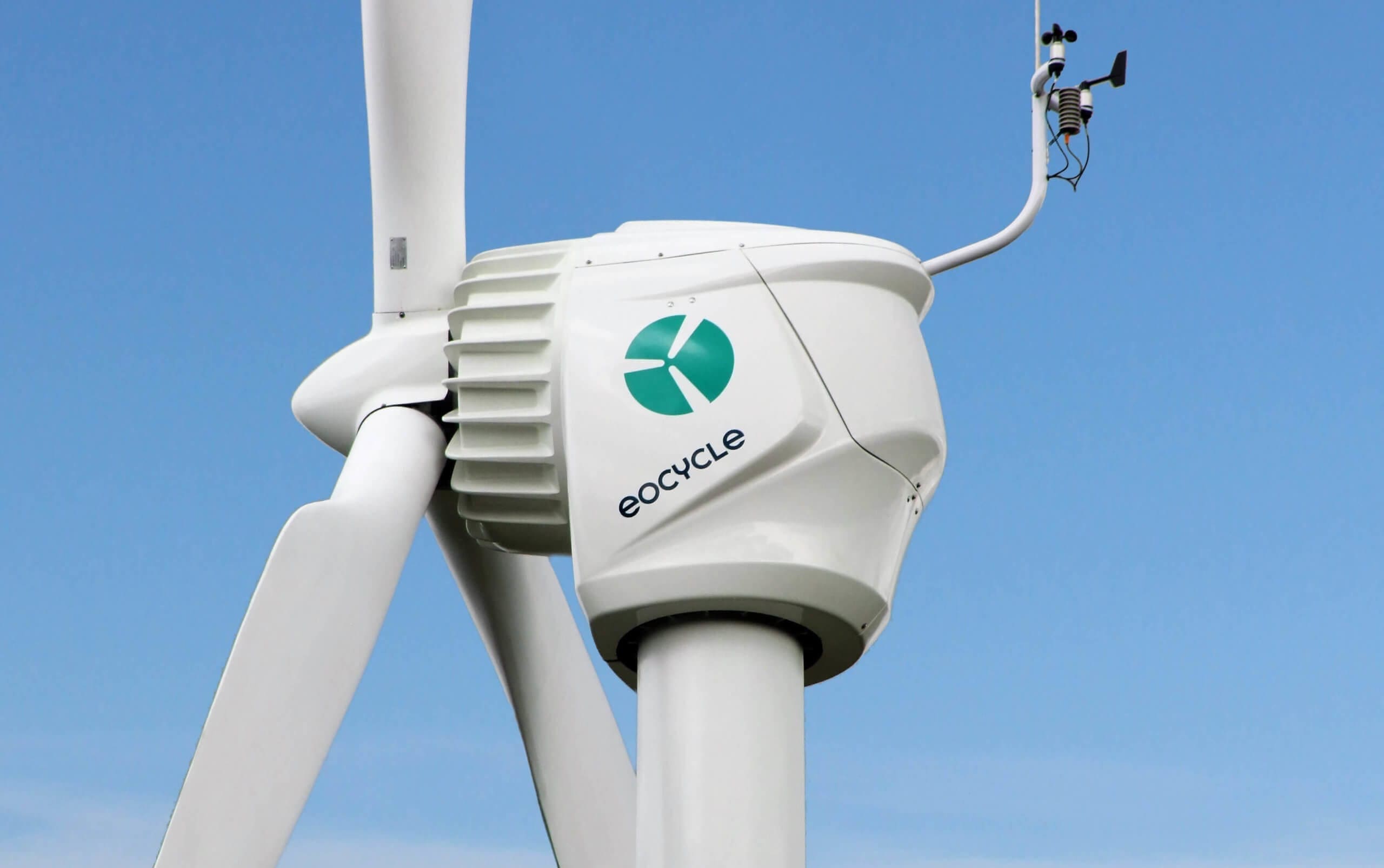
Unlike centralized utility wind farms that require expensive high-voltage infrastructure and suffer transmission line losses, DER wind turbines produce clean electricity directly at the point of load consumption. Founded in Montréal, Canada in 2001, Eocycle has led this transformation by eliminating the single primary failure point in distributed wind: the mechanical gearbox. Our gearless direct-drive permanent magnet generator (PMG) architecture ensures maximum energy harvesting, low acoustic signatures, and uninterrupted operation in severe climatic environments worldwide.
Strategic Procurement Drivers
Deploying on-site DER wind turbines offers measurable economic, operational, and environmental benefits that surpass traditional energy purchasing strategies.
Insulate your financial model from retail tariff spikes. DER wind assets lock in a fixed levelized cost of energy (LCOE) for 30 years, drastically lowering operational cash flow risk.

On-site generation provides audit-ready, real-time renewable energy certificates (RECs) and Scope 2 market-based carbon reduction for corporate sustainability mandates.
Wind energy reaches peak output during nighttime and winter periods, perfectly balancing daytime solar PV generation profiles to ensure steady facility power supply.

Tower foundations require minimal surface area footprint. Land surrounding the turbine remains 100% usable for active farming, livestock grazing, or industrial staging.
Enterprise Product Platforms
Built on shared design principles: gearbox-free direct-drive mechanics, fully integrated SCADA telemetry, and an engineered 30-year operational lifecycle.
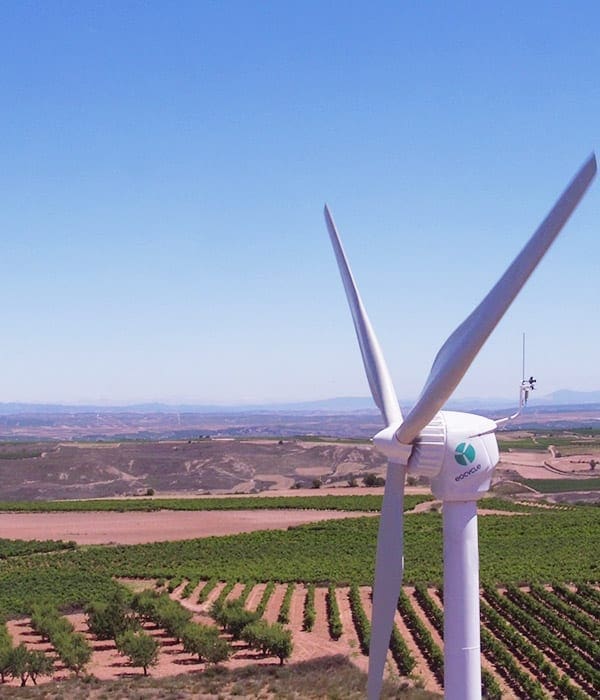
Optimized for family agricultural operations, dairies, rural commercial facilities, and localized power distribution nodes seeking high low-wind energy capture.
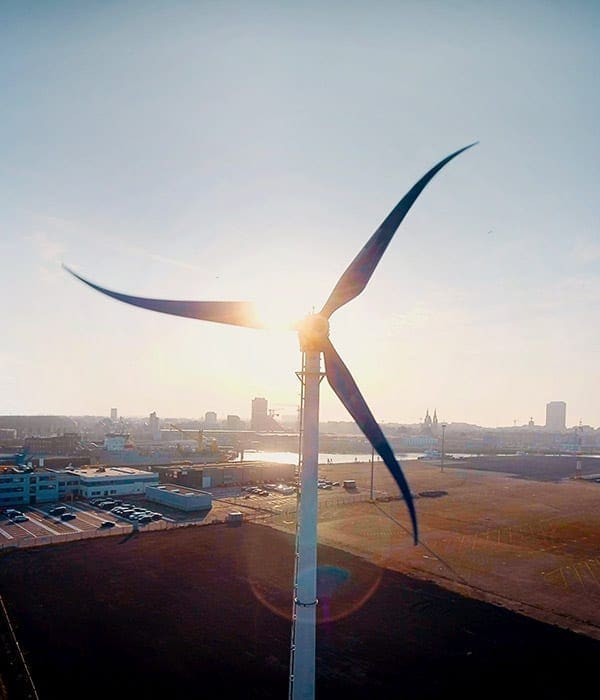
Our premier industrial workhorse. Featuring a 26-meter rotor diameter on tall towers (up to 36m hub height) designed to capture smooth, laminar winds above obstacle turbulence.
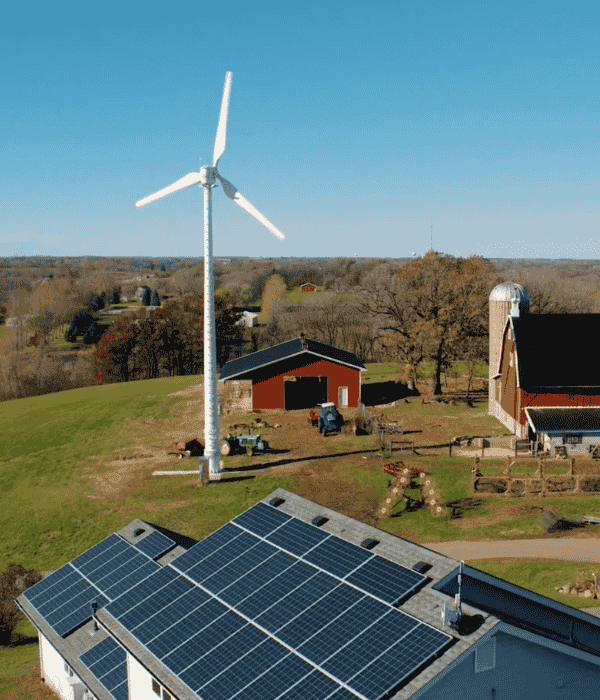
A fully integrated multi-source DER architecture combining wind generation, solar PV arrays, and battery storage (BESS) governed by proprietary AI energy management software.
Technical Whitepaper & Strategic Insight
In modern power engineering, a Distributed Energy Resource (DER) Wind Turbine is defined as any wind-driven electrical generator situated near the load center, operating either connected to the local distribution network or completely islanded within a microgrid. While large-scale utility offshore and onshore projects (multi-megawatt capacity) focus exclusively on wholesale energy export, DER wind turbines (25 kW to 90 kW capacity class) prioritize internal load displacement, peak shaving, power quality optimization, and resilience.
The mechanical integrity of a wind turbine deployed at an industrial or agricultural site dictates its 30-year total cost of ownership (TCO). Historically, small-to-medium wind power systems adapted drivetrain concepts from automotive or large industrial machinery, integrating high-speed multi-stage gearboxes to convert slow rotor speeds (40–80 RPM) to generator speeds (1,500 RPM).
Field data collected across thousands of global installations revealed that gearboxes were responsible for over 55% of unscheduled maintenance events and prolonged turbine downtime. Gearboxes suffer from thermal fatigue, gear tooth micro-pitting, lubricant degradation, and high mechanical friction losses.
Eocycle engineered out the gearbox entirely. In our direct-drive system, the low-speed rotor hub connects directly to a low-speed synchronous Permanent Magnet Generator (PMG) featuring high magnetic flux density neodymium magnets.
Choosing the correct DER wind turbine architecture requires understanding technical parameters across generator topology, tower height options, grid interface electronics, and acoustic signatures. The table below outlines core engineering parameters across Eocycle's DER portfolio:
| Parameter | S-Series Platform | M-Series (EOX M-26) | EOX WS²+ System |
|---|---|---|---|
| Rated Capacity | 25 kW Class | 90 kW Class | Customizable (90 kW Wind + Solar) |
| Generator Technology | Direct-Drive PMG | Direct-Drive PMG | Direct-Drive PMG + Solar Inverters |
| Rotor Diameter | 12.5 m | 26.0 m | 26.0 m (Wind Subsystem) |
| Hub Heights Available | 18m / 24m / 30m | 24m / 30m / 36m | 30m / 36m |
| Cut-in Wind Speed | 2.7 m/s | 2.5 m/s | 2.5 m/s |
| Grid Interconnection | Single/3-Phase Grid Tie | 3-Phase 400V/480V Utility Inverter | Hybrid Microgrid Controller / BESS |
| Design Operational Life | 30 Years | 30 Years | 30 Years (Turbine) / 15-20 Yrs (BESS) |
Rooftop and ground-mounted solar PV systems have achieved widespread adoption across commercial facilities. However, solar PV generation suffers from inherent capacity factor limitations (typically 15%–22%), producing zero electricity for 12 to 14 hours per day and experiencing severe production drops during winter months.
Integrating a Distributed Energy Resource (DER) Wind Turbine alongside solar PV creates a highly resilient diurnal balance. Atmospheric dynamics dictate that surface wind velocities frequently increase after sunset as radiative cooling drives pressure differentials. Furthermore, winter meteorological patterns deliver higher average wind density than summer months, perfectly compensating for seasonal solar decline.
When combined within Eocycle's EOX WS²+ system, an AI-driven Energy Management System (EMS) monitors 15-minute facility interval loads, battery state-of-charge (SoC), weather forecasting API feeds, and real-time utility spot prices. The system automatically decides whether to direct turbine output toward instantaneous consumption, store energy in battery reserves, or shave facility peak demand spikes.
Target Application Architectures
Modern commercial agricultural facilities—such as cattle feedyards, automated dairies, cold-storage crop processing facilities, and irrigation pumps—operate continuously with high baseload electricity demands. DER wind turbines allow agricultural enterprises to monetise open windy parcels while shielding high-margin operations from volatile rural electric cooperative rates.
Industrial parks, logistics hub distribution centers, water treatment facilities, and manufacturing plants face severe utility peak demand charges ($/kW). Implementing an Eocycle EOX M-26 90 kW turbine directly behind the meter offsets high-cost peak grid pricing, ensures supply chain carbon compliance, and delivers auditable Scope 2 decarbonization metrics for enterprise reporting.
Remote communities, mining camps, island tourist resorts, and defense installations relying on diesel generator gensets face extreme fuel delivery logistics costs. Integrating DER wind turbines into isolated microgrids dramatically reduces diesel consumption, extends maintenance service intervals, and provides dependable, low-carbon baseload energy.
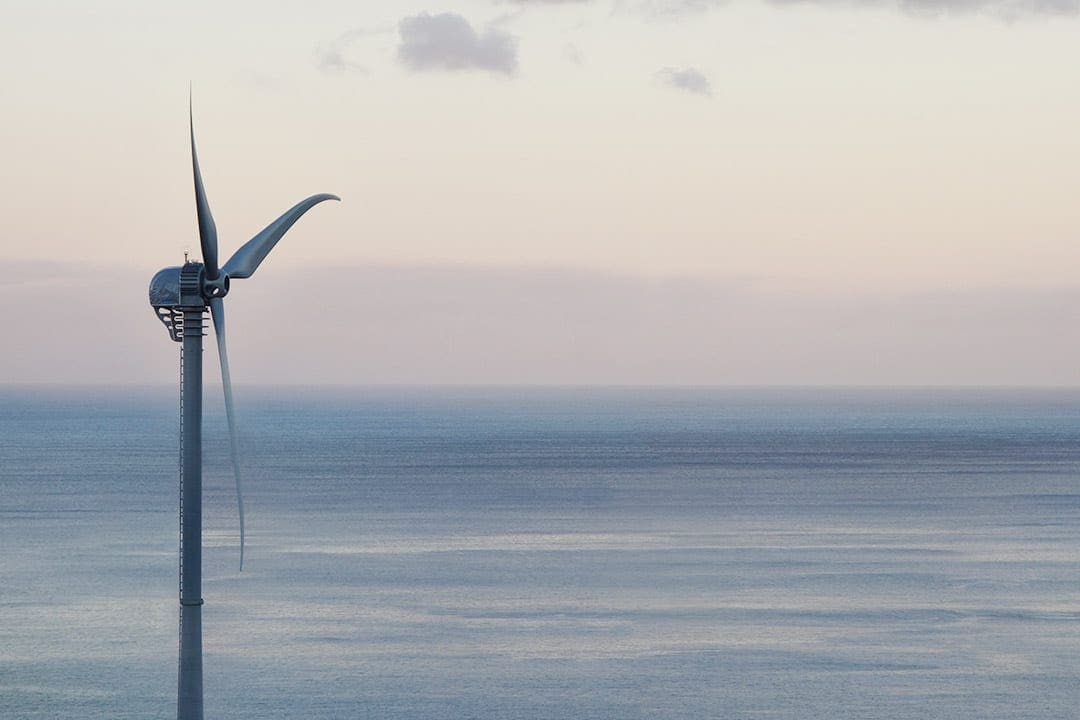
Strategic Market Outlook
How forward-thinking enterprise energy executives are navigating the next decade of decentralized power generation.
Utility-scale projects face multi-year transmission queue bottlenecks. Behind-the-meter DER wind turbines bypass long transmission queues by interconnecting directly to local distribution panels under streamlined commercial rules.
Modern DER wind assets are no longer passive generators. Equipped with smart inverters, fleets of micro-turbines aggregate into Virtual Power Plants (VPPs), offering frequency regulation and demand response revenue back to regional ISOs.
Global supply chains are subjected to strict regulatory carbon auditing (such as Europe's CBAM). On-site DER generation provides verified physical offset of Scope 2 emissions that offsets carbon taxation on international exports.
End-to-End Delivery
Eocycle and its certified partner network manage every technical, regulatory, and civil milestone under a single accountable contract.
We analyze 10-year wind anemometry data against your site's 15-minute utility load file to build an accurate production model.
Complete ROI modeling factoring in local incentives, tax depreciation (MACRS/ITC), energy savings, and payback schedules.
Complete management of local zoning approvals, FAA notifications, acoustic modeling, and utility grid interconnection applications.
Foundation engineering, rebar cage pouring, tower erection, direct-drive nacelle assembly, and electrical balance of plant tie-in.
Continuous SCADA portal monitoring, predictive maintenance alerts, annual visual inspections, and global spare part dispatch.
Proven Field Experience
Technical Knowledge Base
Answers to key questions submitted by global enterprise procurement teams, electrical engineers, and microgrid developers.
Partner with Eocycle's engineering team to analyze your site's wind resource and evaluate a 30-year behind-the-meter DER wind solution customized for your energy load.