

Eliminate Demand Charges
Utility peak demand tariffs can exceed $20 to $50 per kW of peak draw. Local direct-drive wind generation buffers instantaneous charger draw, shaving demand spikes and suppressing operational expenditure by up to 70%.
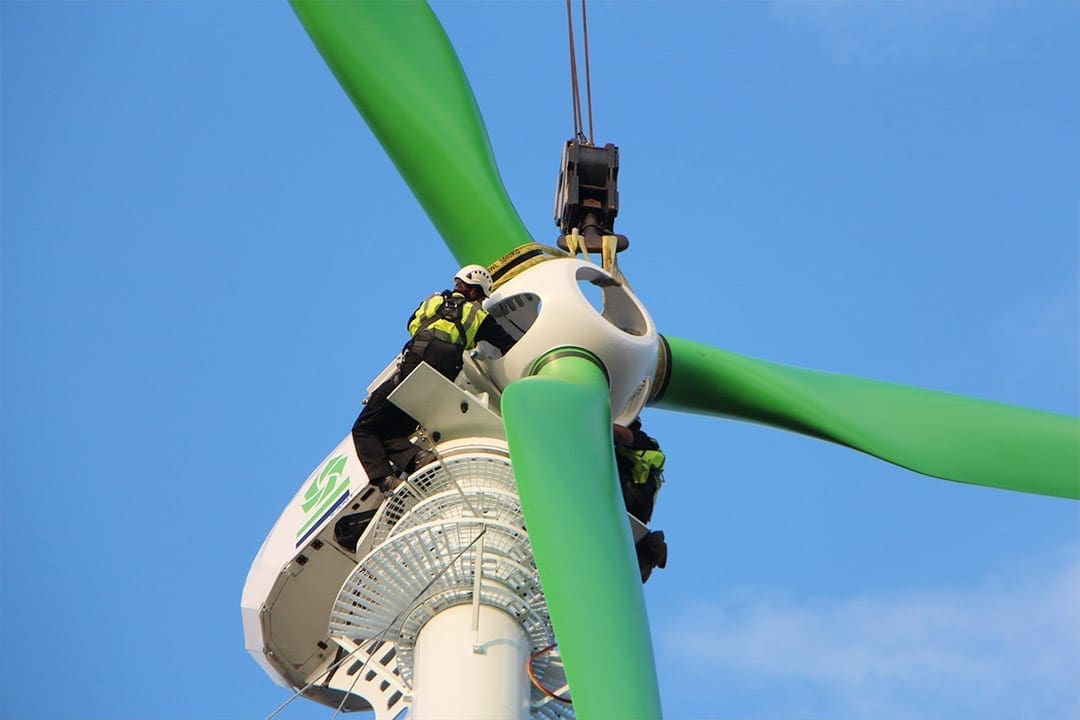
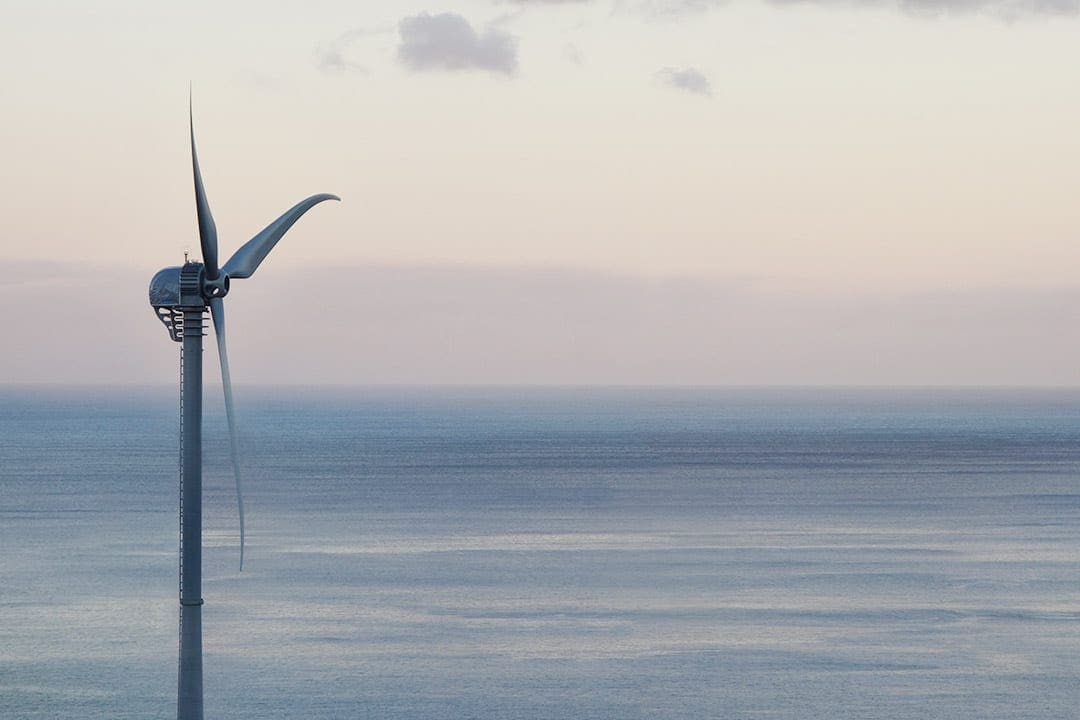
Deploy high-yield, direct-drive wind energy systems and AI-managed microgrids designed to deliver zero-carbon power to EV fleets, logistical hubs, and highway fast-charging plazas.
The Electrification Bottleneck
Global fleet operators, commercial real estate developers, and logistics hubs face unprecedented multi-megawatt power constraints. Grid interconnection delays of 24 to 48 months and crushing peak demand tariffs make grid-dependent EV charging financially unviable. On-site EV Charging Wind Energy Solutions bridge the structural gap.
Information Gain Analysis
Global procurement teams frequently ask: "Why can't we rely exclusively on rooftop solar and battery storage for our EV charging infrastructure?" The technical reality lies in diurnal load curves and land footprint efficiency. Commercial EV fleets—such as Class 7/8 delivery trucks, municipal transit buses, and field service vans—primarily return to depot facilities in the late afternoon and charge throughout the night. Solar output ceases precisely when EV charging demand reaches its peak.
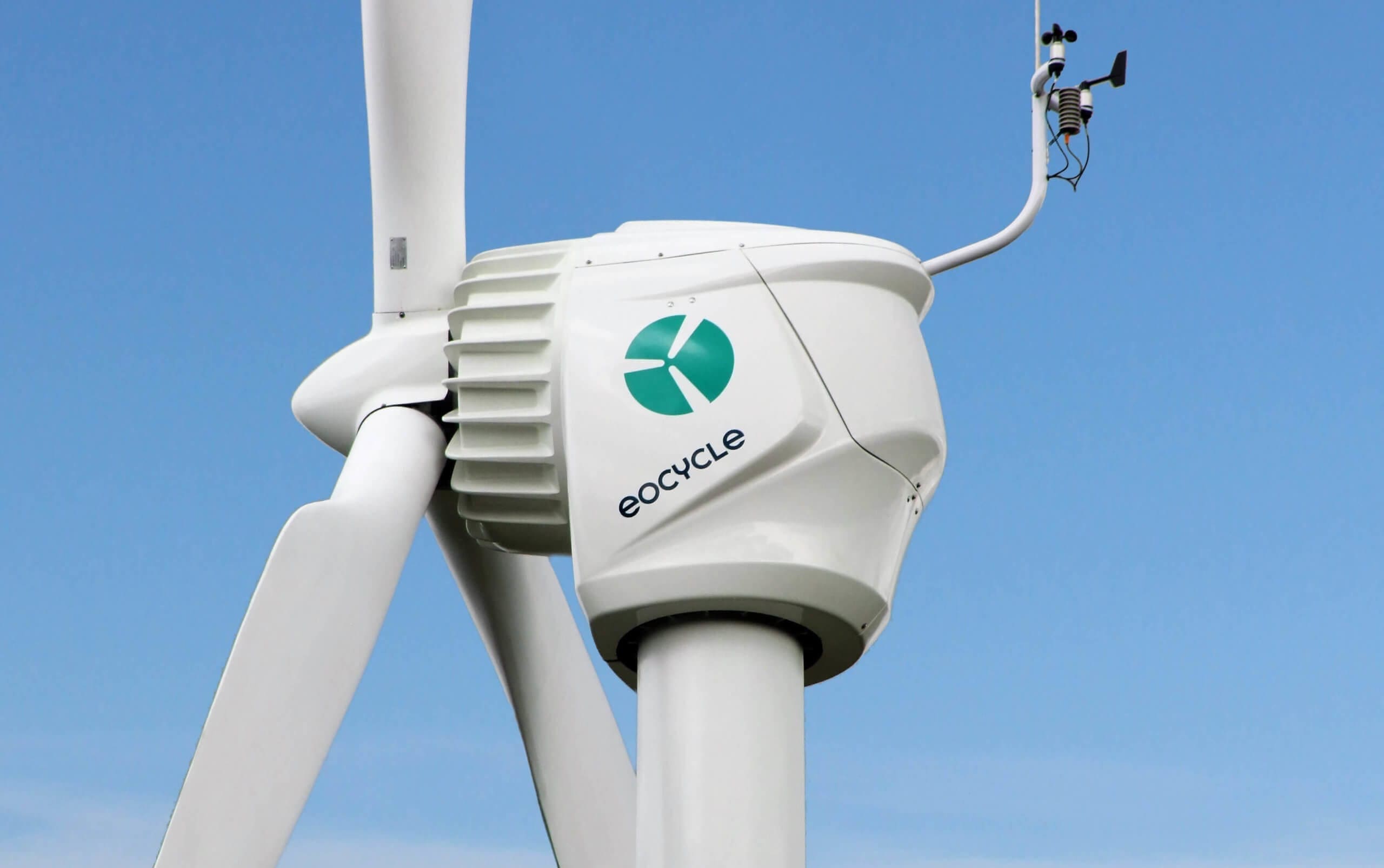
Furthermore, high-power DC fast charging (DCFC) stations deploying multiple 150 kW to 350 kW chargers demand enormous instantaneous power density. A single 90 kW Eocycle wind turbine installed on a compact 10-meter base pad generates more clean megawatt-hours annually per square meter of land occupied than acres of solar arrays. By capturing robust night-time wind regimes and high-altitude energy flows, distributed wind provides the continuous baseload power required to keep commercial electric vehicles moving without over-sizing expensive battery chemical energy storage systems (BESS).
Business Impact
Behind-the-meter wind energy transforms EV charging hubs from high-cost grid liabilities into autonomous, highly profitable clean energy assets.
Utility peak demand tariffs can exceed $20 to $50 per kW of peak draw. Local direct-drive wind generation buffers instantaneous charger draw, shaving demand spikes and suppressing operational expenditure by up to 70%.

Avoid waiting 2 to 4 years for local electric utilities to construct sub-transmission substations. Distributed wind microgrids allow immediate commissioning of high-power charging plazas on power-constrained feeders.

Charging electric fleets with fossil-heavy utility grid electricity undermines corporate ESG commitments. On-site wind generation guarantees 100% auditable, zero-emission electricity directly feeding vehicle batteries.

Eocycle's gearless direct-drive permanent magnet generator eliminates mechanical gearboxes, oil changes, and failure points—delivering 98%+ fleet availability in extreme arctic, coastal, and desert environments.
Targeted Hardware Systems
From decentralized commercial workplace chargers to high-throughput highway fast-charging hubs, select the exact wind generation and microgrid platform engineered for your load profile.
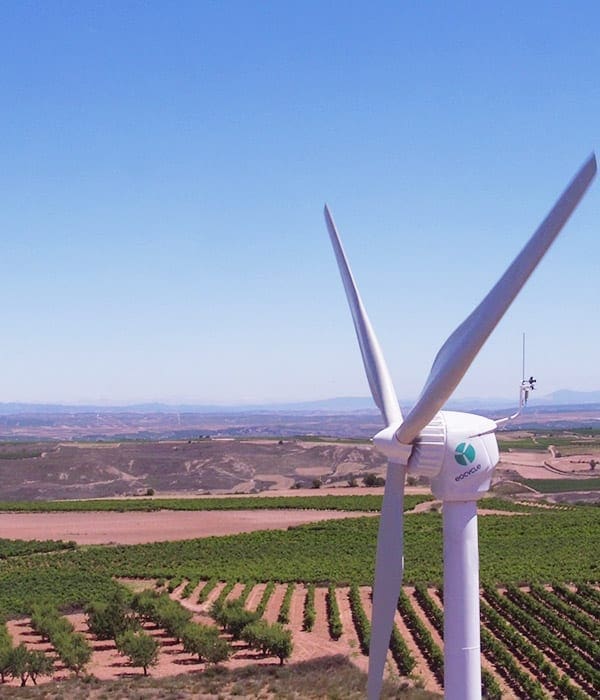
Designed for decentralized commercial sites, agricultural fleet depots, and workplace charging points requiring steady behind-the-meter energy production.
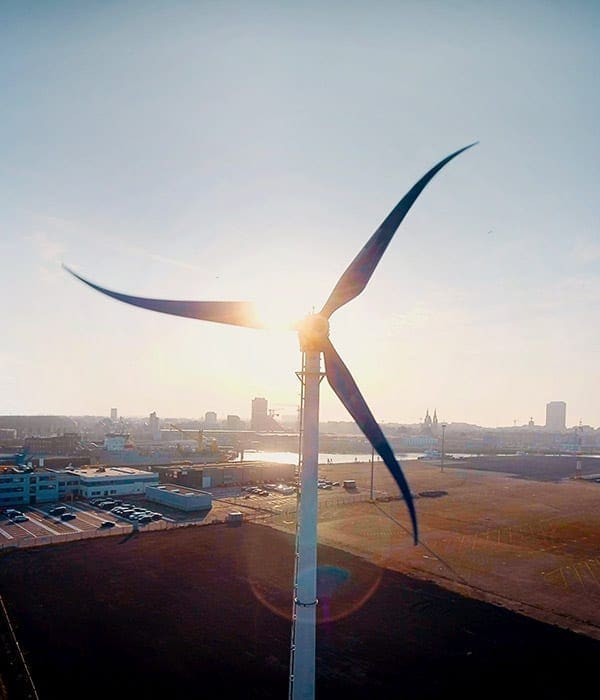
Our flag-bearer for commercial logistics, heavy truck depots, and highway DC fast-charging plazas. A 26 m rotor captures high-velocity winds above ground friction.
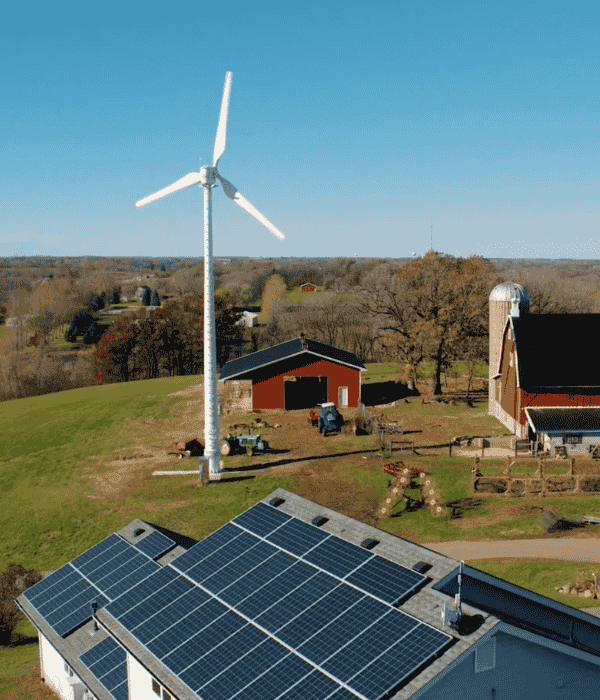
The ultimate zero-grid EV charging solution. Fully integrates direct-drive wind power, solar photovoltaics, and battery storage under an AI-driven energy management system.
Deployments & System Integration
Medium- and heavy-duty electric trucks require multi-megawatt-hour charging blocks overnight. Relying solely on utility transformers leads to severe demand charges during 10 PM to 6 AM fleet docking windows. Integrating Eocycle direct-drive wind turbines ensures continuous nocturnal power generation, replenishing site battery systems and directly feeding vehicle DC bus networks without pulling expensive utility power.
Expanding EV charging infrastructure along rural transport corridors often hits a wall: regional transmission lines lack the capacity to support 350 kW DC Ultra-Fast Chargers. Eocycle's EOX WS²+ hybrid microgrids create autonomous energy oases. By harvesting high-altitude wind currents and solar energy, highway rest stops can offer reliable fast-charging services without requiring multi-million-dollar utility line extensions.
Farms, feedyards, and rural industrial operations are rapidly electrifying tractors, pickups, and heavy utility vehicles. Rural distribution lines are notoriously susceptible to voltage sags and low capacity caps. Eocycle distributed wind turbines harvest the pristine wind resources inherent to agricultural land, turning natural geography into clean, high-yield vehicle fuel.

Industry Market Insights
As institutional capital and corporate procurement teams accelerate fleet electrification, key technological and financial shifts are defining how renewable EV infrastructure is built.
Procurement directors are shifting away from standalone solar or pure grid-tied charger connections. Industry data reveals that hybrid BTM microgrids combining wind, solar, and battery energy storage systems (BESS) deliver up to 40% lower Levelized Cost of Charging (LCOC) compared to pure grid power under peak demand pricing regimes. BTM wind ensures year-round generation balance, counteracting solar drop-offs during winter months.
Legacy small wind turbines relied on high-speed gearboxes that suffered frequent mechanical failure under turbulent wind conditions, leading to unacceptable charger downtime. Global buyers now mandate gearless direct-drive permanent magnet generators (PMG). By eliminating mechanical gears, oil filters, and high-wear components, direct-drive technology guarantees 98%+ fleet uptime—essential for mission-critical EV transport fleets.
Energy managers no longer calculate renewable ROI solely on simple kWh displacement. In modern commercial EV charging projects, demand charge suppression represents over 60% of financial savings. Procuring on-site wind generation provides steady power injection during peak charging bursts, keeping facility billing demand below costly utility tier thresholds.
Enterprise buyers face strict Scope 2 regulatory reporting under corporate sustainability directives (such as CSRD in Europe and SEC climate disclosures in North America). Charging electric fleets from coal- or natural-gas-dominated grids creates severe reputational and compliance risks. On-site wind turbines provide direct, physical carbon-free energy linkage with zero greenwashing ambiguity.
Technology Horizon
How emerging engineering innovations will optimize wind-powered charging performance over the next decade.
Future EV charging wind energy solutions are moving away from traditional AC grid coupling. Direct DC microgrids route power from the wind turbine’s permanent magnet generator through active rectifiers directly onto a centralized high-voltage DC bus. This eliminates double AC-to-DC conversion losses, boosting total system efficiency by 6% to 10% when transferring power into EV battery packs.
Next-generation Eocycle hybrid systems incorporate machine-learning energy management software. By integrating real-time anemometer telemetry, weather forecasting models, historical site usage, and vehicle route schedules, AI algorithms dynamically adjust battery state-of-charge (SoC) and turbine power routing to guarantee maximum charging capability at the lowest cost.
As heavy commercial transport shifts to Megawatt Charging Systems (MCS operating at 1 MW+ power levels), local distribution grids will be completely incapable of handling instantaneous loads. Clusters of distributed 90 kW direct-drive wind turbines paired with high-rate LFP or solid-state batteries will serve as essential localized power amplifiers for heavy trucking corridors.
Why Eocycle Technologies
Founded in Montréal, Canada in 2001, Eocycle was created with a single engineering directive: eliminate mechanical complexity in small wind energy systems. Traditional small wind designs adapted industrial gearbox architecture, leading to high failure rates in turbulent, low-altitude winds. Eocycle pioneered the gearless direct-drive permanent magnet generator (PMG) for the distributed market.
With zero gearbox oil changes, fewer moving parts, and robust structural engineering, Eocycle wind turbines operate seamlessly in hostile environments—from arctic freezes in Alberta and coastal salt spray in Belgium to high-dust feedyards in Colorado. When paired with EV charging infrastructure, our machines deliver reliable, low-cost electricity for 30 design years.

Comprehensive Delivery
We eliminate operational risk by managing every aspect of project engineering, utility coordination, and civil construction.
Our engineers analyze hub-height wind data alongside your EV fleet docking schedules and interval utility data to model exact energy yields.
We provide transparent LCOE, payback schedules, demand charge savings analyses, and guidance on local tax incentives or federal grants.
Eocycle manages zoning, acoustic assessments, environmental screenings, and utility interconnection studies on your behalf.
Certified engineering teams complete foundation pours, tower erection, electrical bus tie-ins, and charger commissioning.
Continuous SCADA supervision, scheduled preventative maintenance, and regional spare parts logistics guarantee maximum lifetime uptime.
B2B Procurement Intelligence
Answers to key engineering, financial, and operational questions asked by enterprise procurement officers.
Submit your facility location and vehicle load requirements. Our microgrid engineering team will provide a detailed wind resource assessment and EV charging financial feasibility report.