High-efficiency, low-noise micro and small wind generators engineered for coastal saline atmospheric conditions, high building aerodynamic turbulence, and hybrid energy storage integration across Western India.
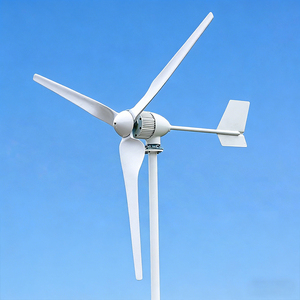
Engineered for residential complexes, small industrial rooftops, and commercial facilities in suburban Mumbai. Features ultra-low cut-in wind speed and electromagnetic auto-braking.
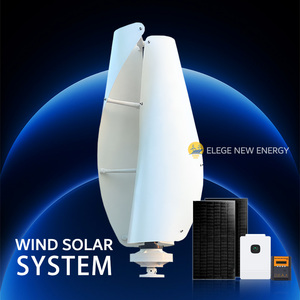
CE-certified vertical-axis design ideal for urban environments like South Mumbai and BKC. Omnidirectional wind capture eliminates yaw adjustments in turbulent city airflows.
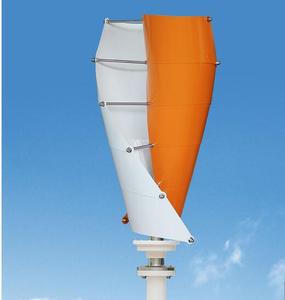
Compact, lightweight vertical generator kit ideal for smart-city IoT sensors, highway monitoring, and off-grid telecom equipment along the Eastern Express Highway corridor.
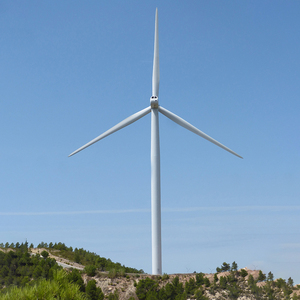
Ultra-low wattage precision micro-generator built for marine environmental telemetry, coastal weather stations, and long-term scientific sensor arrays across the Konkan coast.
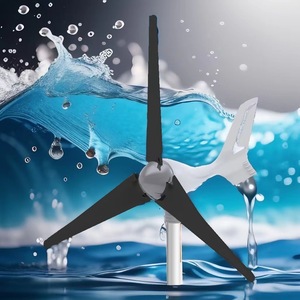
Heavy-duty horizontal axis turbine configured for solar street lights, outdoor CCTV perimeter fencing, and off-grid power backup systems in MIDC industrial parks.
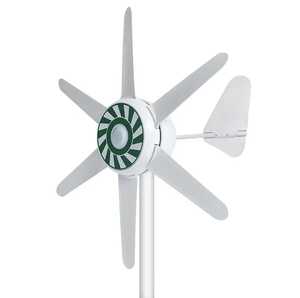
Plug-and-play micro power platform with integrated DC output controller (12V/24V). Designed for rapid deployment on mobile communications units and marine vessels.
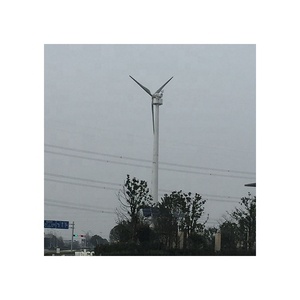
Industrial-tier 5,000W wind generator delivering reliable continuous power for manufacturing facilities, cold storage warehouses, and agricultural estates around Bhiwandi and Thane.
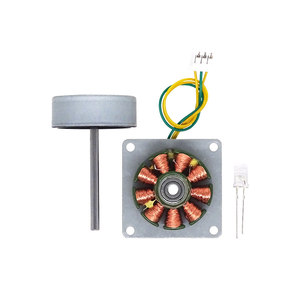
Low-voltage AC three-phase generator components used in custom energy harvesting systems, educational test beds, and specialized industrial auxiliary power units.
As industrial tariffs across the Mumbai Metropolitan Region (MMR) continue to fluctuate, commercial facilities, logistics hubs, and manufacturing plants are actively turning to behind-the-meter wind energy solutions. Selecting an industrial small wind turbine supplier in Mumbai requires evaluating long-term reliability under severe coastal environmental stress.
Our core engineering philosophy centers on eliminating the single biggest failure point in distributed wind energy systems: the mechanical gearbox. By implementing advanced Direct-Drive Permanent Magnet Generators (PMG), our turbine systems remove complex mechanical step-up transmissions, gear oil maintenance schedules, and mechanical wear components.
Information Gain Benchmark: Standard small wind turbines with mechanical gearboxes experience component fatigue within 5 to 7 years in humid coastal climates like Mumbai. Gearless direct-drive architecture delivers over 98% operational uptime across a 30-year lifecycle.
No oil flushes, gear tooth stripping, or thermal breakdown. Permanent magnets provide instantaneous electromagnetic induction directly from rotor motion.
Seamlessly pairs with rooftop solar PV arrays and lithium battery energy storage systems (BESS) via intelligent hybrid MPPT controllers.
Automatic aerodynamic blade pitch control combined with dual electro-magnetic pitch braking protects against severe monsoon storm gusts.
Deploying distributed wind energy in Mumbai requires a precise understanding of localized aerodynamics, land availability constraints, micro-climates, and regional electrical grid configurations. Below are key commercial deployment topologies across the region:
Manufacturing facilities, chemical processing plants, and cold-storage operations within Maharashtra Industrial Development Corporation (MIDC) corridors experience high continuous baseline energy loads. In these industrial zones, peak demand charges billed by utilities (such as MSEDCL and TATA Power) represent a major operating expense.
Installing behind-the-meter 5kW to 90kW direct-drive wind turbines allows factories to generate offset power 24 hours a day—capturing nocturnal land breeze movements when solar arrays are inactive.
The vast coastal logistical yards adjacent to the Jawaharlal Nehru Port Trust (JNPT) feature unobstructed flat topography along the Arabian Sea. These sites offer exceptional wind resource availability with consistent average wind speeds exceeding 5.5 to 6.2 m/s at a 30-meter hub height.
Custom-engineered coastal wind turbine systems provide off-grid and grid-interactive power for perimeter high-mast floodlights, automated crane monitoring booths, and refrigerated container (reefer) holding bays.
Urban real estate in Bandra-Kurla Complex (BKC), Lower Parel, and Navi Mumbai faces spatial constraints where rooftop solar area is limited relative to the skyscraper’s total energy consumption. Architectural rooftop installations utilizing Vertical Axis Wind Turbines (VAWT) exploit the "building canopy effect"—where wind accelerates up building facades.
These omnidirectional micro-turbines operate silently without structural dynamic vibration, delivering clean auxiliary power directly to building management systems (BMS), emergency elevator lighting, and EV charging basements.
Beyond the urban core, infrastructure developers in the Western Ghats mountain passes and Konkan coastal belts encounter unstable grid tie-ins. Hybrid wind-solar microgrids installed at remote telecom towers, highway toll plazas, and eco-resorts eliminate dependence on expensive diesel generator (DG) sets, delivering levelized electricity costs up to 60% lower than diesel generation.
Choosing the correct small wind turbine architecture depends heavily on local surface roughness, installation height, and localized grid connection parameters:
| Turbine Category | Optimal Topology | Cut-in Wind Speed | Corrosion Resistance | Ideal Local Applications |
|---|---|---|---|---|
| Micro Vertical Axis (300W - 2kW) | Dense Urban Rooftops / High-Rises | 1.5 - 2.0 m/s | Anodized Aluminum / IP65 | BKC Offices, Smart City Sensors, Residential Towers |
| Horizontal Micro (400W - 1kW) | Open Warehouses / Suburbs | 2.2 - 2.5 m/s | Polyurethan-Coated Alloy | Industrial Fencing, Solar-Wind Hybrid Street Lighting |
| Commercial Direct-Drive (5kW - 90kW) | Industrial MIDC Complexes / Ports | 2.5 - 3.0 m/s | C5-M Heavy Marine Galvanized | Factory Load Offset, JNPT Logistics Yards, Cold Storage |
| Wind-Solar-Storage Hybrid (WS²+) | Off-Grid Campus / Critical Backup | Integrated MPPT | Enclosed Weatherproof Container | Western Ghats Telecom, Rural Microgrids, EV Stations |
The industrial landscape in Western India is experiencing a rapid paradigm shift toward decentralized, resilient clean energy networks. Key market trends driving small wind turbine adoption across Mumbai include:
Solar energy alone cannot meet round-the-clock commercial manufacturing requirements. Commercial buyers in Maharashtra are increasingly adopting integrated Wind-Solar-Storage systems (WS²+). While solar power peaks between 11:00 AM and 3:00 PM, coastal wind resources near Mumbai peak during late afternoon and overnight hours due to land-sea thermal differentials. Combining wind and solar flattens the generation curve and minimizes battery bank oversizing.
Export-oriented manufacturing sectors in Mumbai—including pharmaceuticals, textiles, specialty chemicals, and IT data centers—are under strict international ESG obligations to eliminate Scope 2 indirect carbon emissions. Visible, on-site clean wind generation assets provide verifiable proof of sustainability that strengthens global supply chain auditing.
Under regulations established by the Maharashtra Electricity Regulatory Commission (MERC), industrial consumers can utilize net metering and captive power open-access frameworks. Behind-the-meter wind installations allow facility managers to directly offset expensive grid energy tiers, locking in a fixed cost of energy for 25 to 30 years.
Common technical and regulatory questions answered by our wind engineering team for buyers in Mumbai and Maharashtra.
As a rule of thumb, sites with an average annual wind speed of 4.5 to 5.0 m/s at hub height yield an attractive return on investment (ROI). Because ground-level wind speeds in urban Mumbai are obstructed by buildings, mounting turbines on elevated factory rooftops or utilizing tall monopole towers (30m+) allows access to cleaner, faster air streams above ground clutter.
Mumbai’s high humidity and airborne marine salt spray require specialized anti-corrosion protection. All our direct-drive turbines feature hot-dip galvanized structural steel towers, sealed IP67 permanent magnet alternators, stainless steel fasteners, and C5-M rated marine polyurethane coatings designed specifically to prevent salt-fog degradation.
Yes. Our turbines are engineered with dual-layer dynamic protection. During high-velocity monsoon gusts exceeding cut-out wind speeds (typically 25 m/s), an automatic electromagnetic braking system engages alongside aerodynamic blade stalling to safely slow and lock the rotor, preventing structural overspeed damage.
Gearboxes are responsible for over 65% of mechanical breakdowns in small wind turbines due to gear tooth wear and oil contamination. Direct-drive permanent magnet generators eliminate the gearbox entirely, resulting in smooth operation, lower acoustic signatures, fewer moving parts, and an extended operational lifespan of up to 30 years with minimal routine maintenance.
Rooftop installations require a structural stability certification from a licensed civil engineer to verify load-bearing capacity and dynamic wind shear resistance. Our local engineering network provides full turnkey support—including site wind resource assessment, structural load modeling, civil foundation design, permitting compliance, and utility interconnection handling under one contract.
Submit your site coordinates and daily load profile. Our senior engineering team will conduct a comprehensive wind resource assessment and provide a detailed LCOE financial analysis for your project.
Send an Inquiry