Engineered for severe climatic conditions, utility tariff mitigation, and continuous power reliability across Nigerian industrial sites, commercial facilities, and remote agricultural microgrids.
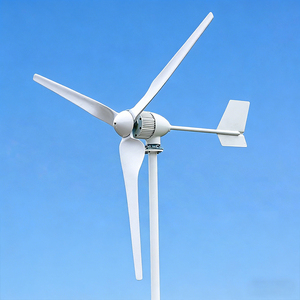
Compact low cut-in wind velocity turbine optimized for residential rooftops, SME office power backup, and hybrid solar integration.
Inquire Now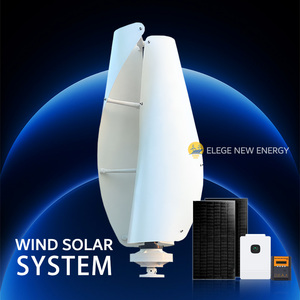
Ultra-quiet vertical axis generator with intelligent MPPT controller. Ideal for turbulent wind conditions and urban commercial sites.
Inquire Now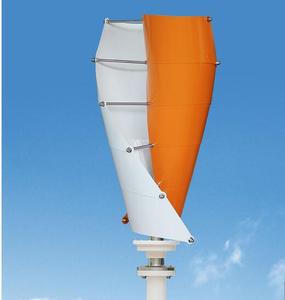
Lightweight omnidirectional vertical wind energy kit for telecom backup, security stations, and micro-battery trickle charging.
Inquire Now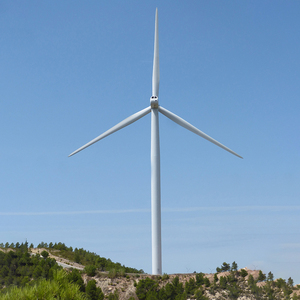
Heavy-duty micro turbines built with weather-sealed bearings for extreme humidity, coastal salt mist, and continuous outdoor service.
Inquire Now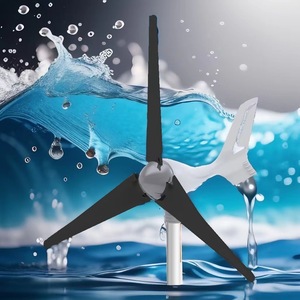
High-torque horizontal turbine tailored for perimeter surveillance, perimeter light poles, and hybrid solar street lighting systems.
Inquire Now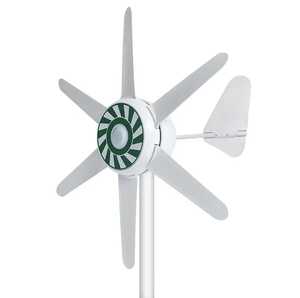
All-in-one mini turbine featuring embedded rectifier controller. Plug-and-play installation for DC remote sensors and telemetry nodes.
Inquire Now
Commercial-grade 5kW generator with aerodynamic fiberglass blades. Designed to pair with solar PV banks for agricultural and factory energy storage.
Inquire Now
Specialized 3-phase low-voltage AC micro turbine generator module for custom industrial equipment integration and energy harvesting.
Inquire NowThe industrial and commercial sectors in Nigeria face unprecedented energy overhead challenges. Following the comprehensive deregulation of the downstream petroleum sector, fuel subsidies were fully removed, driving diesel (AGO) prices upward from legacy rates to over ₦1,200–₦1,400 per liter. Concurrently, public utility electricity tariffs under the Nigerian Electricity Regulatory Commission (NERC) Band A grid classification have escalated substantially. For factories, agricultural processors, telecommunications infrastructure operators, and commercial real estate developers, reliance on traditional grid-plus-diesel configurations is no longer economically viable.
While standalone solar photovoltaic (PV) systems have gained traction, they possess inherent structural limitations in tropical and sub-Saharan climate zones. Solar energy production experiences severe drops during rainy season cloud cover (May through October) and suffer diminished irradiance during winter months due to the Harmattan dust haze across Northern and Central Nigeria. Conversely, wind resource profiles in Nigeria—particularly across northern inland corridors (Kano, Katsina, Sokoto, Kaduna) and along the 850 km Atlantic coastline (Lagos, Ondo, Rivers, Akwa Ibom)—frequently peak during late afternoon, evening, and nocturnal periods. Integrating wind turbines alongside solar PV arrays and Battery Energy Storage Systems (BESS) establishes a diurnally complementary energy generation curve that delivers true 24/7 continuous power.
Operational data across West African deployments indicates that combining direct-drive wind turbines with solar PV reduces required battery bank capacity by 30% to 42% compared to solar-only installations. Wind power generates actively during night hours and stormy conditions, directly suppressing night-time BESS depth of discharge (DoD) and significantly extending lithium battery service life.
Deploying energy equipment in Nigeria demands robust industrial engineering designed to withstand ambient thermal stress exceeding 45°C, high relative humidity in coastal industrial zones, and fine particulate airborne sand during Harmattan cycles. Legacy gearboxed wind turbines frequently fail in these conditions due to mechanical friction, gear oil contamination, and cooling pump breakdowns.
Our OEM manufacturing facilities utilize direct-drive Permanent Magnet Generator (PMG) technology. By completely eliminating the mechanical gearbox, our systems remove over 60% of traditional moving wear components. The direct connection between the aerodynamic rotor and the permanent magnet generator ensures instantaneous torque transfer, high low-wind velocity efficiency, and zero operational requirement for periodic gear oil replacement.
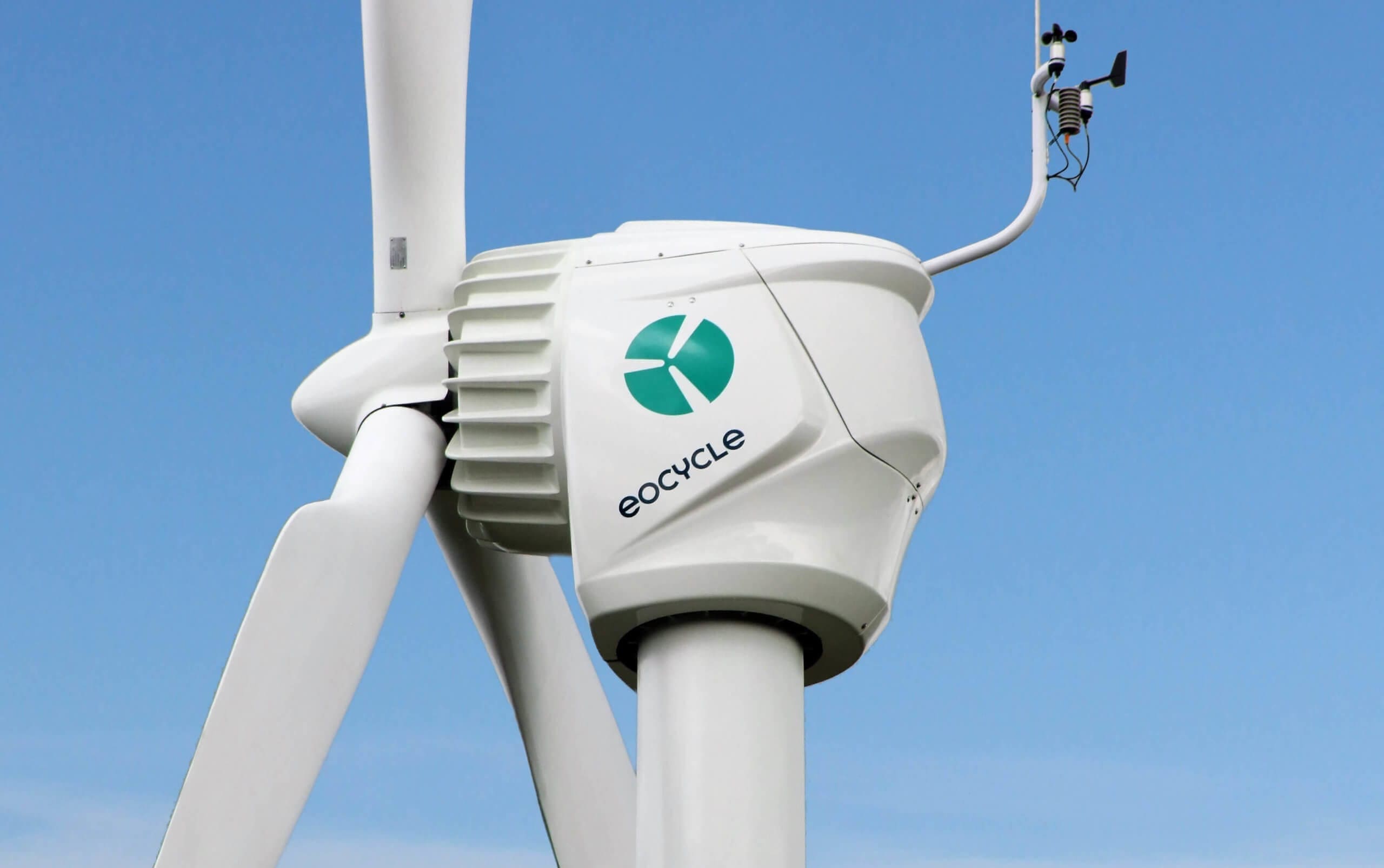
Every small wind turbine and hybrid system manufactured in our factories undergoes strict ISO 9001 and CE quality control testing. Built with rare-earth Neodymium (NdFeB) permanent magnets, hot-dip galvanized steel towers, and heavy-duty marine-grade anti-corrosion coatings, these units are structurally validated to endure extreme wind gusts up to 59.5 m/s.
Integrated microprocessors continuously stream telemetry through remote SCADA portals, enabling factory engineers and local facilities managers in Nigeria to track performance metrics, phase voltages, and battery state-of-charge in real time.
From agricultural processing in the Middle Belt to industrial manufacturing estates in Ogun State, discover how hybrid wind-solar storage systems solve critical energy bottlenecks.
Agricultural operations in Kaduna, Kano, and Benue require heavy, continuous electricity for grain drying, cold room refrigeration, and irrigation pumping. Hybrid wind-solar systems supply off-grid energy directly to cold chain facilities, eliminating spoilage caused by grid outages.
Factory zones in Ikeja, Agbara, and Port Harcourt running two or three operational shifts can displace expensive Band A grid power and peak diesel generation. The high energy yield per square meter of wind towers preserves valuable factory yard footprint.
Over 25,000 telecom towers in Nigeria rely on dual diesel generators running 24 hours a day. Small vertical and horizontal axis micro-turbines (300W to 5kW) paired with solar PV reduce diesel refueling trips to remote site locations by over 80%.
Extractive sites, universities, and rural community microgrids under the NERC Mini-Grid Regulations utilize AI-controlled hybrid microgrids (EOX WS²+) to establish autonomous energy independence from national grid collapses.

Unlike massive solar fields that require hectares of land clearing, wind energy structures occupy minimal ground space (a single 30m to 36m tubular tower foundation requires under 15m² of land area). This allows surrounding land to remain fully dedicated to row cropping, cattle feedyards, or industrial storage yards.
By elevating wind rotors above trees, barns, and boundary fences, our turbines harvest clean laminar wind streams, outputting stable electricity even during heavy cloud cover.
Evaluating Capital Expenditure (CAPEX), Operational Cost (OPEX), and Reliability across power generation strategies.
| Energy Architecture | Initial CAPEX | Operational OPEX | 24/7 Power Availability | Harmattan & Weather Resistance | Estimated Payback Period |
|---|---|---|---|---|---|
| Diesel Generator Only | Low | Extremely High (Fuel + Maintenance) | High (Subject to fuel supply logistics) | Moderate (Filter clogging) | N/A (Ongoing expense) |
| Solar PV + Battery System | Moderate | Low | Moderate (Restricted by rainy/Harmattan haze) | Low (Dust build-up reduces output by 35%) | 4.5 – 6 Years |
| Wind Turbines Only | Moderate to High | Very Low (Direct-Drive PMG) | High (Location dependent) | High (Self-cleaning rotor blades) | 4.0 – 5.5 Years |
| Wind + Solar + BESS Hybrid (EOX WS²+) | Optimal Integrated | Minimal (AI Managed) | 99.5% Uptime (True 24/7 Off-grid) | Maximum (Complementary seasons) | 2.8 – 3.8 Years |
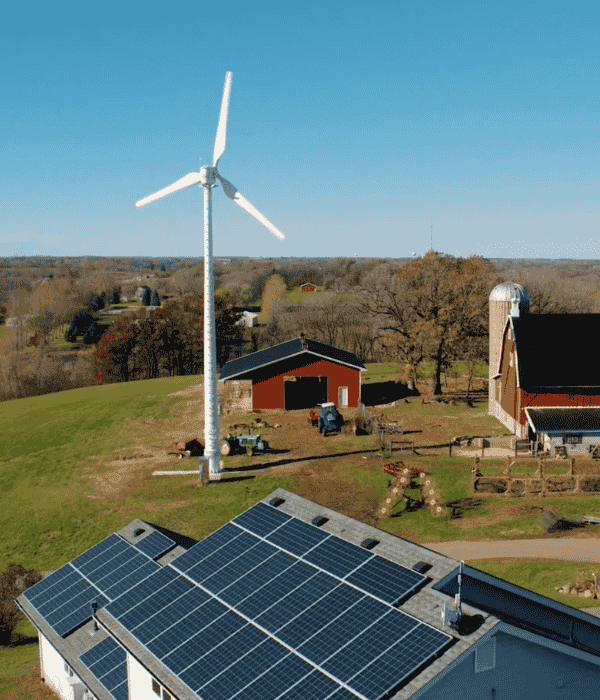
Our proprietary EOX WS²+ energy architecture unifies solar panels, direct-drive wind turbines, lithium iron phosphate (LiFePO4) battery banks, and auxiliary diesel generator controllers into a single intelligent microgrid hub.
The AI-driven Energy Management System automatically predicts weather patterns, shifts electrical loads, optimizes battery charging dynamics, and minimizes generator runtime—delivering maximum energy independence at the lowest possible Levelized Cost of Energy (LCOE).
Critical answers for project engineers, procurement executives, and factory managers considering hybrid wind-solar storage systems.
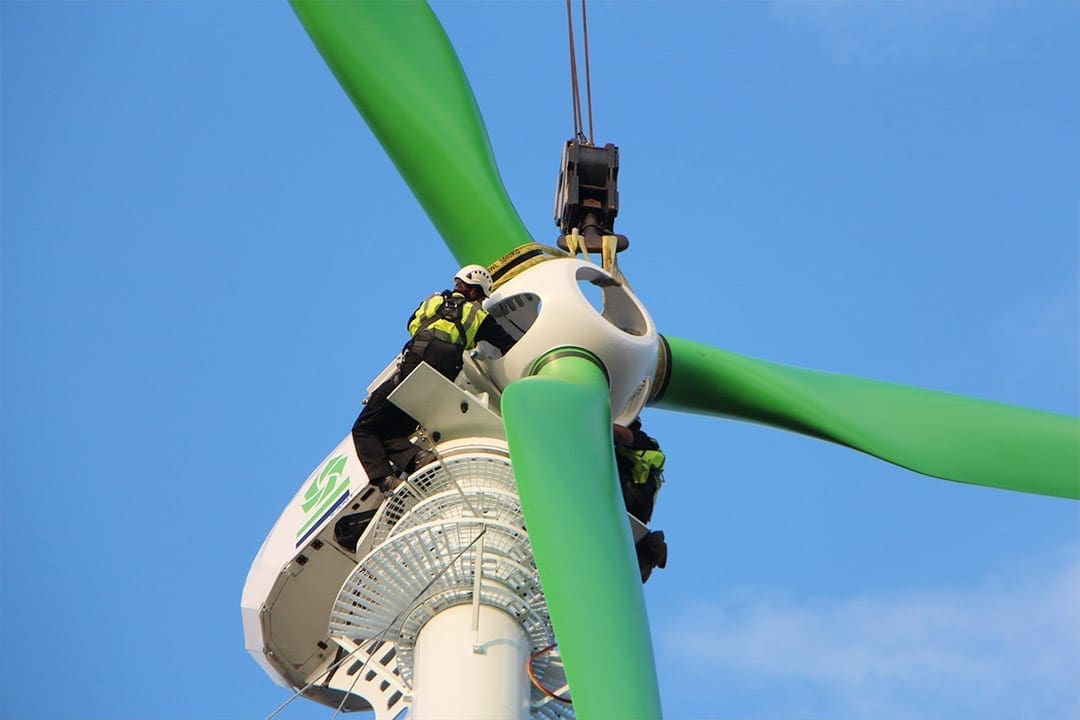
Frequent collapses of the Nigerian National Electricity Grid disrupt industrial manufacturing cycles, causing costly production line downtime and equipment damage from voltage surges. Installing a factory-direct hybrid wind solar storage microgrid establishes an autonomous energy island, protecting sensitive industrial machinery and ensuring uninterrupted factory throughput.
Unlock auditable Scope 2 carbon footprint reductions, strengthen corporate ESG compliance, and lock in predictable, ultra-low energy costs for the next three decades.
Partner with a leading wind solar hybrid storage system factory dedicated to the Nigerian market. Contact our senior application engineers for a comprehensive site wind assessment, system simulation, and factory-direct quotation.
Inquire Now