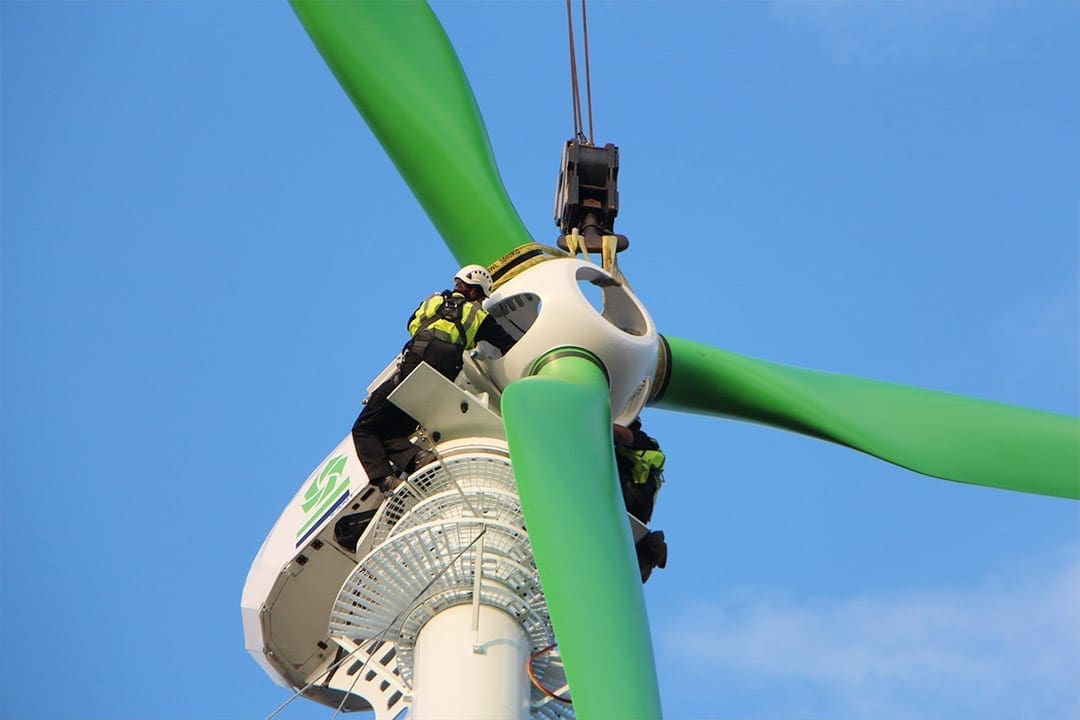
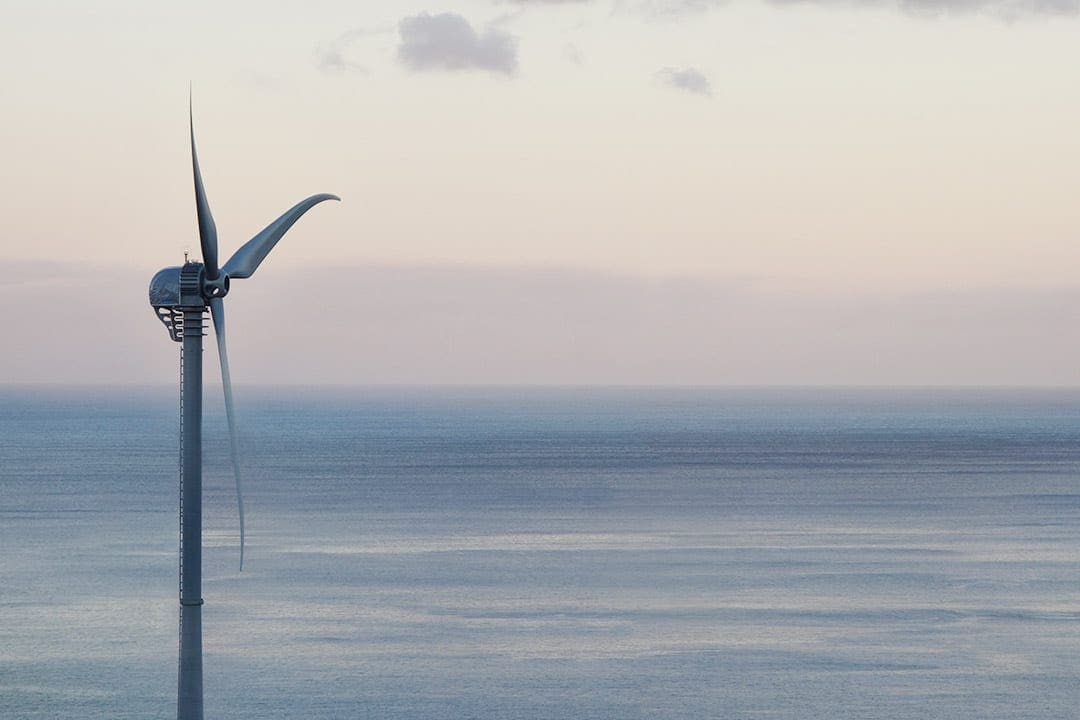
Proven micro & small-scale wind power systems designed for Irish residential, agricultural, and commercial grid-tied or off-grid deployment.
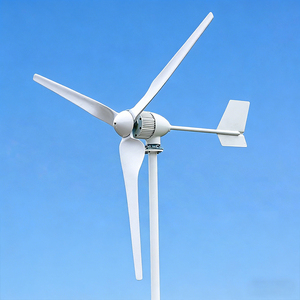
Compact horizontal-axis residential wind turbine configured for Irish home electricity backup, low cut-in wind speed, and quiet aerodynamic operation.
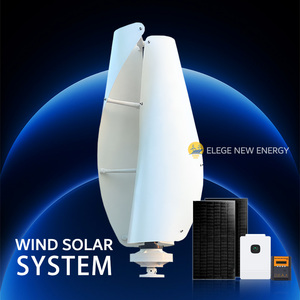
Omnidirectional vertical-axis turbine with MPPT tracking controller. Ideal for turbulent wind conditions around Irish farm buildings and coastal dwellings.
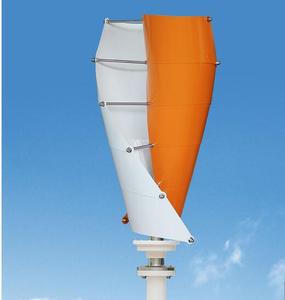
Lightweight micro wind generation kit tailored for trickling charging 12V/24V battery banks, remote environmental telemetry, and marine applications in coastal Ireland.
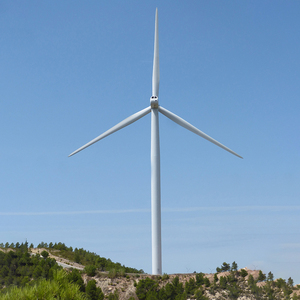
Ruggedized micro wind turbine module built with corrosion-resistant alloy casing for long operational service under damp Atlantic weather conditions.
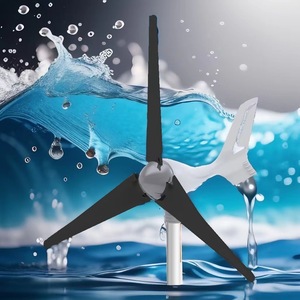
High-efficiency 12V/24V micro turbine customized for hybrid solar street lighting, perimeter security surveillance, and agricultural monitoring stations across Ireland.
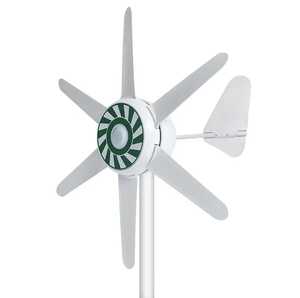
Plug-and-play mini turbine incorporating a high-efficiency DC rectifying controller. Plug directly into small-scale battery systems without complex wiring.
Heavy-duty 5000W three-blade horizontal turbine engineered for Irish dairy parlours, pig farms, and commercial workshops seeking to cut electricity utility bills.

Customizable 3V to 24V low-speed permanent magnet motor core for microgrid equipment integrators, academic research projects, and specialized OEM applications.
An in-depth analysis of why distributed wind power presents the most viable decarbonization pathway for Irish agriculture, commercial facilities, and microgrids.
Ireland boasts one of the most favorable onshore wind regimes in Europe. With average annual wind speeds exceeding 6.5 m/s to 8.5 m/s at 30-meter hub heights across counties like Galway, Mayo, Kerry, Donegal, and Cork, Irish land owners possess an exceptionally potent natural energy resource. However, capturing electricity reliably in this high-moisture, highly gusty marine atmospheric environment requires wind turbine engineering that departs dramatically from conventional mass-market light turbines.
Under Ireland’s Climate Action Plan, which targets 80% renewable electricity by 2030, electricity grid tariffs for commercial businesses and dairy farms have experienced persistent volatility. Furthermore, winter power demand peaks precisely when solar photovoltaic (PV) generation drops to seasonal lows. Distributed wind turbines act as the ideal natural counterweight, producing maximum kWh output during Ireland’s windy winter months (November through March) and continuously through the night.
Deploying small wind turbines in Ireland requires strict adherence to national grid connection procedures and local planning authority regulations:

Built upon over two decades of international wind turbine design, our machines eliminate mechanical vulnerabilities to deliver 30 years of uninterrupted performance.

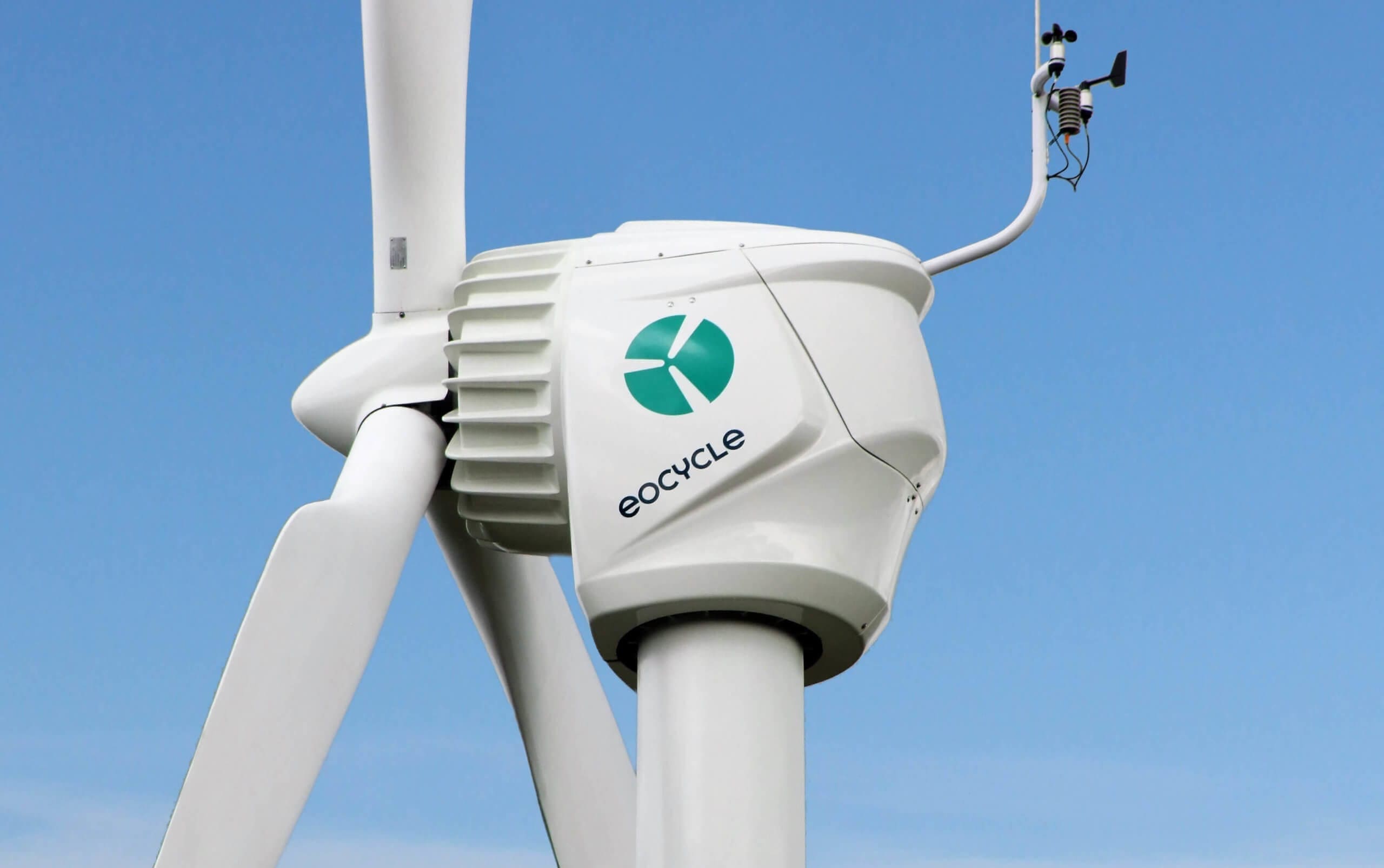
Conventional small turbines fail in Ireland due to high-speed gearbox wear and oil degradation caused by coastal turbulence. Our Direct-Drive Permanent Magnet Generator (PMG) connects the rotor directly to the electrical generator without gearboxes, reducing moving components by 70% and eliminating annual oil changes.

Ireland’s salt-laden sea air rapidly corrodes standard industrial coatings. Every turbine destined for Irish export undergoes hot-dip galvanization and receives C5-M atmospheric marine-grade epoxy coatings on all structural steel, nacelles, and tower sections, preventing oxidation for 30+ years.

Atlantic severe weather events bring extreme wind gusts exceeding 45 m/s (160 km/h). Our medium-to-large platform turbines incorporate dynamic active pitch blade regulation, automatically adjusting blade angles in real time to maintain peak electrical output during gusts while feathering safely during severe storms.

Every turbine communicates continuous telemetry to our cloud SCADA portal. Machine learning algorithms analyze vibration signatures, bearing temperatures, and grid frequency in real time, enabling predictive maintenance alerts before downtime occurs and securing >98% operational availability.
From dairy parlours in Tipperary to cold storage hubs in Dublin Port, discover how behind-the-meter wind energy optimizes power costs.
Irish dairy farming involves heavy morning and evening electricity consumption during milking cycles, milk cooling, and water heating. A 25kW to 90kW on-site wind turbine generates high-yield electricity directly behind the ESB meter. Farms eliminate daytime peak utility charges and export night-time power surplus under the SRESS feed-in tariff framework.
• Footprint: Less than 50 m² tower base (preserves pasture land)
• Ideal Location: Munster, Connacht & Ulster Agricultural Belts
Manufacturing plants, logistics warehouses, and food processing facilities across Leinster and Munster face stringent Scope 2 carbon emission reduction mandates from European corporate buyers. Installing distributed wind generators delivers verifiable, auditable green electricity that reduces reliance on volatile grid import tariffs while insulating operations from energy price spikes.
• Key Benefit: High annual capacity factor (35% - 48%)
• Target Hubs: Shannon Free Zone, Dublin & Cork Industrial Parks
Ireland’s off-coast Atlantic islands and remote telecom repeater towers depend on costly diesel generator power. Combining our wind turbines with solar photovoltaics and battery storage systems (such as the integrated EOX WS²+ platform) creates an autonomous microgrid, replacing up to 90% of diesel fuel consumption with clean wind energy.
• System Type: AI-Managed Wind-Solar-Storage Microgrid
• Locations: Aran Islands, Atlantic Coastal Telecom Towers
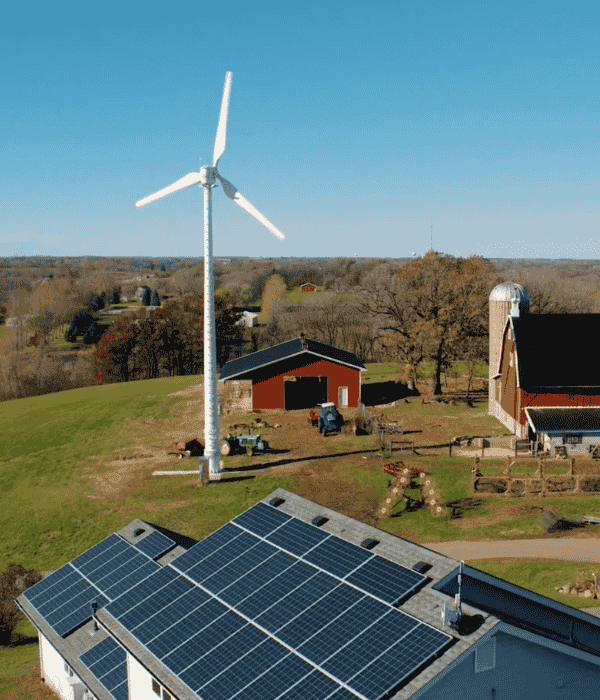
For Irish facilities requiring 24/7 power resilience and absolute independence from grid fluctuations, relying on solar PV alone leaves a 14-hour generation deficit during winter nights. The EOX WS²+ system couples direct-drive wind turbines with commercial solar arrays and lithium battery storage under a unified smart controller.
Clear engineering and commercial answers to common questions raised by Irish farmers, facility managers, and energy consultants.
As a practical benchmark, sites in Ireland with an average annual wind speed of 5.0 m/s (approx. 18 km/h) or greater at hub height offer excellent financial returns. Because wind velocity increases significantly with height, our turbines utilize hub heights of 30 to 36 meters to reach clean, non-turbulent wind currents above farm silos, shelterbelts, and surrounding buildings. Prior to equipment delivery, our engineering team performs precise site modeling using 10-year Irish Meteorological Service (Met Éireann) wind datasets overlaid against your actual 15-minute ESB interval electricity meter data.
While solar PV is effective during bright summer days, wind power provides significantly higher energy density per square meter of ground space occupied. Most importantly, Ireland experiences its strongest wind resources in autumn, winter, and spring — precisely when solar output drops by up to 80% due to short daylight hours and cloud cover. A wind turbine foundation occupies less than 50 m² of ground space, leaving surrounding land 100% usable for livestock grazing or crop production while supplying power 24 hours a day.
Our direct-drive design removes the gearbox completely, eliminating the primary source of mechanical failure in small wind turbines. There are no gear oils to monitor or replace. Scheduled maintenance is restricted to an annual visual and mechanical torque inspection. The internal electrical components and generator windings are sealed within IP65/C5-M marine enclosures. Remote SCADA diagnostic tools continuously monitor operational metrics to resolve anomalies proactively.
We export wind turbine equipment directly to major Irish ports including Dublin Port, Port of Cork, and Shannon Foynes. We collaborate with certified Irish electrical contractors, civil engineers, and renewable energy installers who execute turnkey project stages: foundation pouring, tower erection, ESB grid interconnection testing, and final commissioning. Every export shipment includes full CE certification, IEC 61400-2 safety compliance documentation, and factory acceptance test (FAT) records.
Payback periods typically range between 4 to 7 years, depending on local wind speeds, your self-consumption ratio, and prevailing commercial electricity tariffs. Given that our direct-drive turbines are engineered for a 30-year design life, asset owners secure over two decades of virtually free electricity after simple capital payback, creating a long-term economic hedge against utility inflation.
From initial wind resource assessment to grid-tied commissioning, our engineering team manages every milestone.
High-resolution GIS wind assessment modeling long-term Met Éireann wind data against your site coordinates and annual electricity interval bills.
Selecting the optimum rotor diameter, generator capacity, and hub height for your specific power demand and local planning limits.
Providing full technical documentation, acoustic emissions data, and grid compliance certificates for ESB NC6/NC7 applications.
Export manufacturing under ISO9001 quality controls, followed by ocean container freight shipping directly to Dublin, Cork, or Shannon.
Contact our wind turbine engineering team today for a free site wind resource evaluation, yield forecast, and complete product technical catalog customized for Irish climate conditions.