High-performance wind generators, vertical/horizontal axis micro-turbines, and high-efficiency MPPT controllers tailored for Bulgarian residential, agricultural, and microgrid deployments.

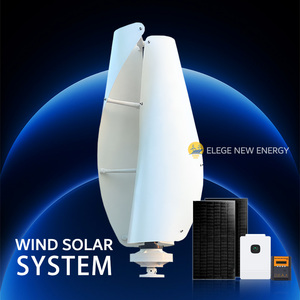
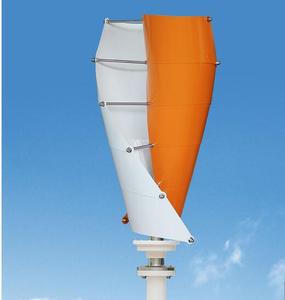

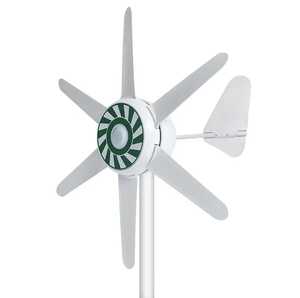
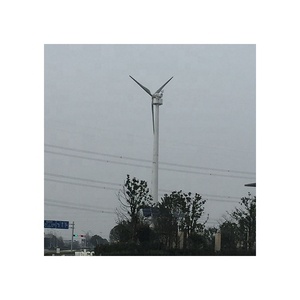
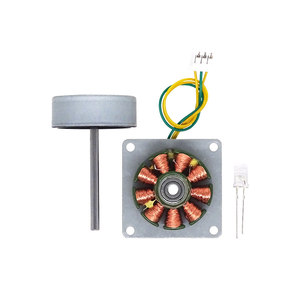
Bulgaria stands as one of Southeastern Europe’s most dynamic markets for distributed renewable energy resources (DER). Driven by the European Union’s Revised Renewable Energy Directive (RED II) and national commitments under Bulgaria’s National Energy and Climate Plan (NECP), agricultural holdings, commercial enterprises, and off-grid remote infrastructure are aggressively deploying small-to-medium wind generation assets.
However, extracting maximum Levelized Cost of Energy (LCOE) from wind across Bulgaria requires more than just aerodynamic rotor design; it hinges critically on the sophistication of the Wind Turbine Charge Controller and Grid Tie Inverter Management System. As an established OEM/ODM manufacturer supplying high-reliability control units worldwide, we deliver technical systems specifically engineered to address the thermal, electrical, and mechanical challenges of Bulgarian deployments.
Key Geographic Wind Speeds & Operating Demands:
An in-depth analysis of how advanced dynamic tracking, digital signal processing, and multi-stage thermal dumping elevate wind turbine ROI.
Unlike solar panels, a wind turbine's power output varies with the cube of wind velocity ($P \propto v^3$). Traditional Pulse Width Modulation (PWM) controllers stall small rotors in light wind regimes. Our fast-sampling 32-bit ARM DSP algorithms execute dynamic Maximum Power Point Tracking (MPPT), adjusting the electronic torque curve every 10 milliseconds to match the generator's Tip Speed Ratio (TSR), extracting up to 35% more energy in Bulgarian light-breeze conditions.
Extreme winds in mountain passes (such as Shipka or Petrohan) pose severe over-speed and over-voltage risks. Our controllers integrate stepless, high-frequency (10 kHz) PWM solid-state dump load braking. When battery voltage peaks or turbine RPM exceeds safety thresholds, power is silently shunted to heavy-duty ceramic braking resistors, preserving structural integrity without mechanical lockups.
For industrial plants and Bulgarian utility microgrids, remote observability is paramount. Our controllers feature galvanically isolated RS485, CANbus, and optional Modbus TCP/IP protocols. Operators can real-time monitor AC voltage, frequency, DC charging current, heat-sink temperature, and fault logs via web dashboards or local PLC automation systems.
Key differences when selecting wind regulation equipment for commercial and agricultural applications in Southeastern Europe.
| Technical Parameter | Basic Entry-Level Controller | Our Industrial MPPT Wind Controller | Bulgarian Field Advantage |
|---|---|---|---|
| Tracking Mechanism | Fixed Voltage / PWM Shunt | 32-Bit Variable TSR Curve MPPT | +30% Energy yield in low/variable winds (3-5 m/s) |
| Braking System | Single Step On/Off Relay Short-Circuit | Stepless 10kHz PWM Ceramic Dump Load | Eliminates drivetrain shock and mechanical blade failure |
| System Bus Voltages | 12V / 24V DC Fixed | Auto-detect 12V to 380V DC / High Voltage AC | Scalable from small light poles to 50kW farm microgrids |
| Environmental Protection | IP20 Indoor Ventilation Slots | IP67 Enclosure / Conformal Coated PCB | Protects against condensation, salt fog & airborne dust |
| Telemetry & Connectivity | Basic LED Indicator Lights | RS485 / Modbus RTU / Ethernet SCADA | Seamless integration into Bulgarian ESO monitoring setups |
How customized wind charge control units drive reliability across Bulgaria's distinct regional geographies and economic sectors.
In regions such as Dobrich, Silistra, and Plovdiv, agricultural enterprises face escalating industrial electricity tariffs. Large grain silos, livestock ventilation, and drip-irrigation pumps operate continuously.
Deploying 5kW to 20kW small wind turbines governed by our Hybrid Solar-Wind Controllers allows farms to utilize daytime solar and night-time winds. The controller dynamically prioritizes direct load consumption, shunting excess power into thermal store or battery banks while shielding sensitive equipment from rural grid voltage sags.
3-Phase Wind PMG → Rectifier / Controller → 48V/96V Battery Bank → Heavy Inverter → Farm Loads
Coastal telecommunication towers, radar stations, and port logistics lights encounter continuous salt-laden moisture, intense atmospheric humidity, and strong offshore thermal breezes.
Our coastal-spec wind controllers utilize extruded aluminum heat-sink enclosures treated with C4/C5 marine anti-corrosion coatings. All internal printed circuit boards (PCBs) undergo triple conformal coating to prevent salt-damp dendrite short-circuiting.
Key protective engineering features built into marine controllers:
High-altitude off-grid sites in Stara Planina and the Rhodope Mountains experience severe sub-zero icing, heavy blizzard winds, and seasonal isolation where physical maintenance visits are impossible for months.
Equipped with automated temperature-sensing logic, our controllers trigger anti-icing blade heating relays and engage electromagnetic electromagnetic rotor locking when gale-force winter storms threaten structural tower limits.
Autonomous fault recovery ensures mission-critical telecom towers maintain uninterrupted 4G/5G signaling across mountain passes during winter conditions.
Ensuring seamless interconnection, safety compliance, and maximum subsidy eligibility under European and Bulgarian grid standards.
For grid-tied distributed wind installations, Bulgarian regulations (Ordinance No. 6 for Grid Connection) require strict anti-islanding protection, total harmonic distortion (THD) < 3%, and power factor regulation between 0.95 leading and lagging. Our grid-interactive controllers seamlessly interface with certified grid inverters to guarantee compliance with local utility regulations.
With volatile day-ahead electricity prices on the Bulgarian Independent Energy Exchange (IBEX), commercial facilities are turning to wind-solar-storage BTM topologies. Our smart controllers provide active power curtailment and real-time demand-response integration to avoid costly grid peak demand penalties.
All controller units exported to Bulgaria carry comprehensive CE marking, complying with the Low Voltage Directive (LVD 2014/35/EU) and Electromagnetic Compatibility Directive (EMC 2014/30/EU). Certified low-radiation emissions ensure zero interference with local agricultural telemetry or mobile networks.
Delivering two decades of power electronics engineering, robust quality control, and dedicated OEM support for Bulgarian distributors and EPC contractors.
Founded with a single-minded focus on resolving mechanical and electrical failure points in small wind energy systems. Our engineers specialize in low-RPM permanent magnet direct-drive matching.
Every controller undergoes 100% full-load electrical burn-in testing in our thermal environmental chambers prior to shipment, simulating extreme wind surges and sudden load drops.
We offer tailored firmware configurations for Bulgarian system integrators—including custom MPPT curves, specialized battery charging profiles (LiFePO4, AGM, GEL), and custom branding.
Technical answers to common questions raised by Bulgarian engineers, installers, and project owners.
Whether you are an EPC contractor installing a 10kW agricultural microgrid in Dobrich, a telecom engineer powering remote sites in the Rhodope mountains, or a local equipment distributor, our engineering team is ready to assist.
