Precision-Engineered Turbines & Wind Energy Equipment Optimized for South African Wind Regimes
South Africa’s commercial, agricultural, and industrial energy landscape is undergoing a structural paradigm shift. Driven by persistent utility grid instability (Eskom load shedding), steep tariff escalations exceeding 15% annually, and ambitious decarbonization targets under the Renewable Energy Independent Power Producer Procurement Programme (REIPPPP), private enterprises are increasingly turning to distributed behind-the-meter generation assets.
While utility-scale solar photovoltaic (PV) systems have seen widespread adoption across the Highveld and inland provinces, relying exclusively on solar energy presents critical operational vulnerabilities. South Africa’s peak agricultural irrigation, cold chain storage, mining processing, and manufacturing operations run continuously through the night and during winter periods when solar yields drop by 30% to 50%. This temporal mismatch highlights the strategic necessity of wind energy infrastructure.
Information Gain Insight: Co-locating utility-grade small wind turbines (25 kW to 90 kW) or robust micro wind generators with existing solar PV arrays creates a complementary diurnal power curve. Coastal regions in the Western Cape, Eastern Cape, and wind-rich corridors in the Northern Cape exhibit high nighttime wind velocity profiles, perfectly offsetting daytime solar declines and minimizing battery bank oversizing.
Procuring wind towers and turbine assemblies for South Africa requires rigorous evaluation of regional wind shear coefficients, extreme atmospheric fatigue loads, and aggressive coastal marine environments. Selecting the right tower manufacturer and wind equipment partner is the single most critical factor in achieving a 30-year operational asset life.
Wind energy equipment deployed in South Africa must be customized to meet specific geographical, climatic, and industrial duty cycles. Below are the primary commercial deployment scenarios where distributed wind power delivers immediate ROI and operational continuity.
Primary Regions: Western Cape (Overberg/Winelands), Free State, Eastern Cape coastal belt.
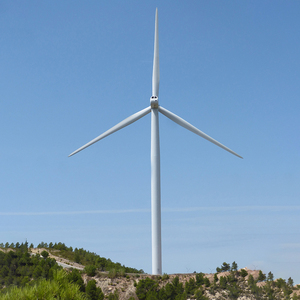
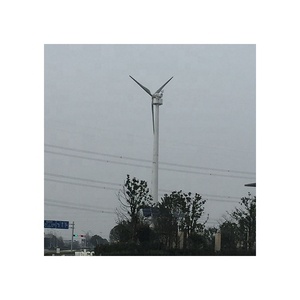
Dairy farms, citrus packing facilities, and livestock feedyards require continuous power for milk cooling, water pumping, and ventilation. Tall tubular wind towers (30m to 36m hub height) elevate direct-drive turbines above ground turbulence, generating high-yield electricity during evening wind surges when grid tariffs spike.
Primary Regions: Northern Cape (Iron Ore/Manganese), North West Platinum Belt.
Off-grid and grid-tied mining hubs utilize heavy-duty wind towers engineered for extreme dust and thermal fluctuations. Paired with hybrid energy management systems (EMS), distributed wind offset millions of liters of imported diesel fuel, delivering stable power for remote extraction and processing equipment.
Primary Regions: Karoo basin, KwaZulu-Natal Midlands, trans-national logistics corridors.
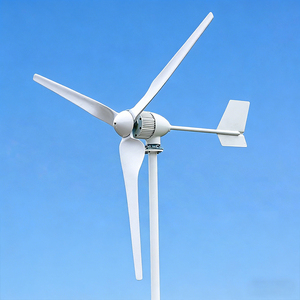
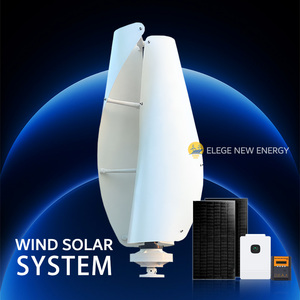
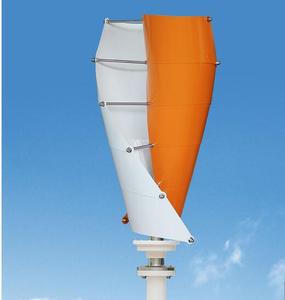
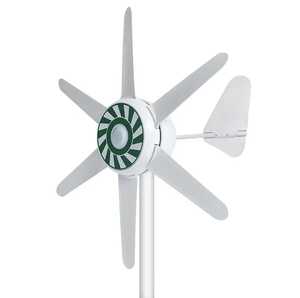
Micro vertical-axis and low-noise horizontal micro-turbines (300W to 5kW) mounted on lattice or monopole towers supply uninterrupted backup power for remote cellular towers, perimeter security arrays, and microgrid nodes, effectively mitigating downtime during multi-stage load shedding.
Selecting a manufacturer requires inspecting engineering compliance against South Africa's harsh climatic conditions. South Africa encompasses diverse environmental zones—ranging from the high-salinity coastal spray of Saldanha Bay and Port Elizabeth to the scorching, high-dust environments of the Kalahari.
Wind towers deployed within 50 km of the South African coastline must feature hot-dip galvanizing and multi-coat epoxy polyurethane paint systems compliant with ISO 12944 C5-M (Marine) specifications. Substandard coatings lead to rapid micro-pitting, structural flange corrosion, and premature fatigue failure within 5 to 7 years of commissioning.
High-quality tower manufacturing utilizes low-carbon structural steel (such as S355JR or S355J2+N) specified under SANS / EN standards. Full-penetration longitudinal seam welding, verified via non-destructive ultrasonic and magnetic particle testing (NDT), ensures the tower withstands dynamic wind fatigue cycles and extreme gust conditions (up to IEC Class I survival speeds of 59.5 m/s).
| Engineering Metric | Standard Tower Specification | Eocycle / Premium Tier Wind Tower Spec | South Africa Field Benefit |
|---|---|---|---|
| Drivetrain Architecture | Geared (3-Stage Planetary) | Direct-Drive Permanent Magnet (PMG) | Zero gear oil changes; eliminates friction wear in remote areas. |
| Corrosion Protection | Standard C3 Industrial Paint | Hot-Dip Galvanized + C5-M Marine Coating | Prevents rust degradation along Western/Eastern Cape coastlines. |
| Designed Asset Life | 15 to 20 Years | 30 Years (IEC 61400-2 Certified) | Lowest Levelized Cost of Energy (LCOE) over 3 decades. |
| Fleet Availability | 90% - 94% | > 98% Verified Fleet Availability | Guaranteed generation during critical grid power outages. |
| Monitoring Systems | Basic On-Site Logger | 24/7 SCADA Remote Telemetry & Diagnostics | Automated fault prediction reduces technician call-out costs. |
When procuring wind towers, tubular steel monopoles, lattice structures, and complete distributed wind turbines, engineering buyers must evaluate manufacturing capacity, local technical support, and structural certification. Below is an analytical review of the leading manufacturer profiles serving the South African industrial market.
Specializing in direct-drive small wind turbines (25 kW to 90 kW) and hybrid wind-solar-storage (WS²+) systems, Eocycle sets the benchmark for distributed energy resources. Designed for a 30-year operational life with zero gearboxes, Eocycle’s platforms provide maximum reliability for South African agricultural and industrial operations exposed to challenging weather environments.
Regional steel fabrication facilities in Gauteng, Coega (Eastern Cape), and Atlantis (Western Cape) specialize in heavy structural tubular steel rolling. Key strengths include adherence to SANS structural steel standards, local Broad-Based Black Economic Empowerment (B-BBEE) compliance, and reduced freight logistics for megawatt-scale tower sections.
International suppliers provide high-volume manufacturing of tapered tubular steel towers, lattice towers, and micro-turbine support structures. These factories offer competitive pricing for standardized flange assemblies, internal tower ladders, platform brackets, and specialized micro-generator mounting kits suitable for commercial installations.
Procurement Strategy Tip: For commercial microgrid projects in South Africa, verify that your tower manufacturer supplies comprehensive civil foundation anchor cage bolts, template rings, and certified engineering drawings compliant with local South African National Standards (SANS 10160 for structural wind loading).
The South African National Energy Regulator (NERSA) has streamlined regulatory pathways by removing the 100MW licensing threshold for embedded generation projects. Businesses can now install on-site wind power assets rapidly, requiring primarily grid connection agreements with Eskom or relevant municipal distributors (e.g., City of Cape Town, Stellenbosch).
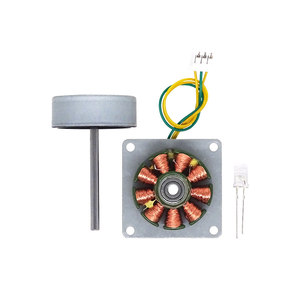
Legacy wind turbines relied on complex mechanical gearboxes, which represent up to 35% of all operational failures in high-wind environments due to thermal stress and gear oil breakdown. The South African market has shifted decisively toward Direct-Drive Permanent Magnet Generator (PMG) technology. With no gearbox, mechanical friction is minimized, allowing turbines to cut in at low wind speeds (as low as 2.5 m/s) and run maintenance-free for multi-year intervals.
Commercial energy users are adopting integrated hybrid systems like the EOX WS²+, where wind turbines, solar PV, and battery energy storage systems (BESS) are governed by a single Artificial Intelligence Energy Management System. The AI dynamically predicts load demand, monitors real-time weather feeds, and switches power flows between generation assets to ensure 100% uptime during Stage 6 load shedding events.
Addressing common technical and commercial queries from plant managers, agricultural engineers, and renewable energy buyers across South Africa.
As a practical screening threshold, sites with an average annual wind speed of 4.5 m/s to 5.0 m/s at hub height (typically 30m to 36m above ground) yield strong economic returns. Modern direct-drive turbines with tall towers reach clean, laminar wind streams above ground obstructions such as farm silos, trees, and industrial sheds. A site-specific wind resource assessment using long-term anemometer data or satellite wind models is recommended before installation.
Industrial-grade turbines feature dual-layer safety architectures. Aerodynamic blade pitching or stall control automatically limits rotor RPM during high-velocity wind events. In extreme storm conditions exceeding cut-out wind speeds (typically 20 to 25 m/s), electromagnetic braking and mechanical fail-safe disc brakes lock the rotor safely. Towers are structurally engineered to withstand survival wind gusts exceeding 200 km/h (IEC Class I compliance).
Solar PV generates energy exclusively during daylight hours, peaking between 11:00 AM and 3:00 PM. However, Eskom load shedding occurs unpredictably across 24-hour cycles, and industrial operations often require power overnight. Wind turbines generate electricity 24 hours a day whenever wind is present. Combining wind with solar provides a continuous energy generation profile, drastically reducing the required capacity (and cost) of battery storage banks.
Direct-drive wind turbines eliminate the gearbox, which is the primary source of mechanical failure in traditional turbines. Scheduled maintenance typically consists of an annual physical inspection, torque verification of tower flange bolts, lubrication of yaw bearings, and visual blade checks. Continuous telemetry is handled remotely via an integrated SCADA portal, flagging operational anomalies automatically.
Yes. Wind generators output AC power, which is converted to DC via dedicated wind charge controllers or grid-tied wind inverters equipped with customized MPPT power curve algorithms. This DC power integrates seamlessly into shared battery buses or hybrid inverters alongside existing solar PV arrays.
Whether you require micro wind generators for remote monitoring, robust 5kW agricultural units, or commercial-scale direct-drive wind turbines and custom towers for South African industrial sites, our engineering team provides complete turnkey support.
