Direct-drive permanent magnet wind turbines optimized for agricultural, industrial, and off-grid power resilience in Serbian wind climates.
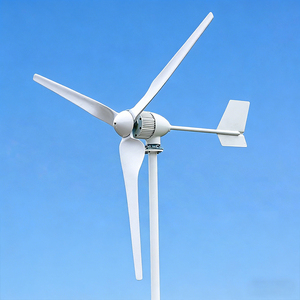
Compact horizontal axis turbine tailored for residential rooftops, telecommunication towers, and distributed rural infrastructure across Serbia.
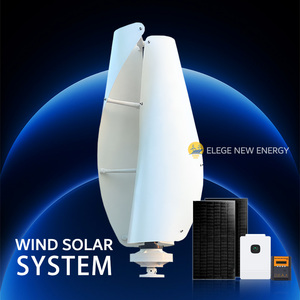
Omnidirectional vertical axis generator featuring 12V/24V/48V options, ideal for turbulent wind zones and eco-tourist resorts in mountainous Serbian regions.
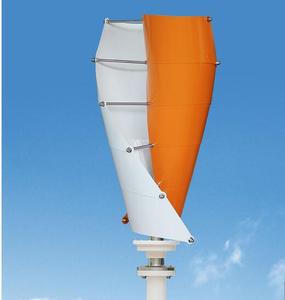
Ultra-low cut-in speed micro generator engineered for weather monitoring stations, remote telemetry, and agricultural battery float charging.
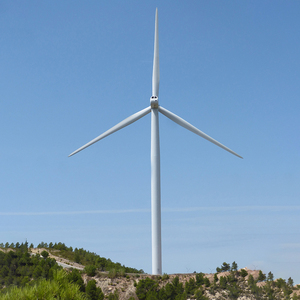
Solid-state industrial micro-generator engineered for self-powered IoT sensors, perimeter security systems, and wireless data loggers.
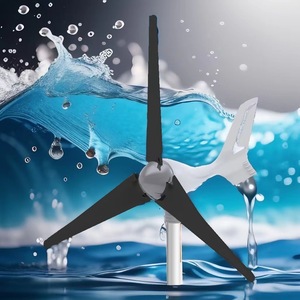
Optimized for solar-wind hybrid street lighting and municipal video surveillance networks throughout Vojvodina's municipal highways.
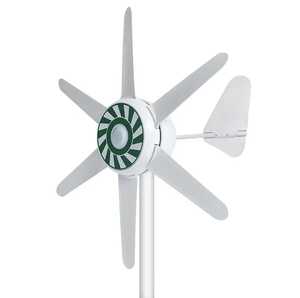
Plug-and-play 12V/24V DC micro turbine with smart charging regulation, designed for isolated off-grid equipment cabins and remote relay stations.
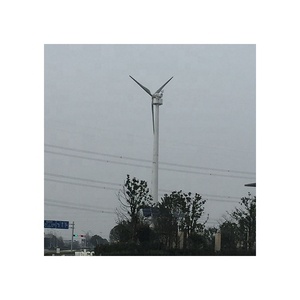
Commercial grade 5kW wind turbine with aerodynamically optimized glass-fiber blades, designed for commercial farms, feedyards, and small factories.
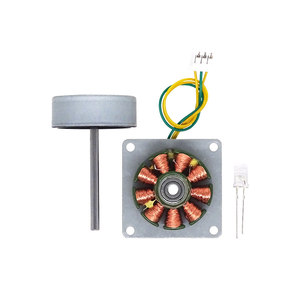
Precision-wound 3V to 24V permanent magnet alternator motor utilized for low-power energy harvesting, education kits, and micro hydro/wind setups.
Navigating Serbia’s rapid decentralization of power generation, energy security initiatives, and industrial carbon neutrality goals.
The Republic of Serbia stands at a pivotal juncture in its national energy transition. Historically reliant on thermal coal generation from the Kolubara and Kostolac basins and large-scale hydro along the Danube, Serbia is accelerating its deployment of distributed energy resources (DERs). Driven by the mandatory European Union Carbon Border Adjustment Mechanism (CBAM), rising wholesale industrial electricity tariffs, and the national Law on the Use of Renewable Energy Sources, commercial and industrial (C&I) entities across Belgrade, Novi Sad, Niš, and Kragujevac are increasingly seeking localized turbine generation solutions.
A critical geographical driver of wind energy efficacy in Serbia is the prevailing weather regime known as the Košava—a strong, gusty south-easterly wind that dominates the Pannonian Basin, Southern Banat, and the Danube valley from autumn to early spring. With average wind speeds exceeding 6.5 m/s to 7.5 m/s at hub heights of 30 to 50 meters in key wind corridors such as Vršac, Veliko Gradište, and Kula, small-to-medium wind turbine generators yield exceptionally high capacity factors. Unlike solar PV assets, which experience significant seasonal degradation during Northern Hemisphere winter months, wind turbines generate maximum output precisely when Serbian industrial heating, agricultural ventilation, and municipal pumping loads reach peak annual demand.
Information Gain Insight: Modern distributed wind power installations in Serbia achieve up to 40% higher winter-season energy density per square meter of footprint compared to ground-mounted solar arrays. When configured with direct-drive permanent magnet synchronous generators (PMSG), baseline maintenance overhead drops by over 60% due to the absolute elimination of mechanical gearboxes.
By eliminating high-speed mechanical gearboxes, direct-drive turbines eliminate gear-oil replacement, seal breakdowns, and high-frequency acoustic emissions—vital for compliance with Serbian urban and rural environmental noise standards.
Aerodynamically optimized airfoils coupled with low-cogging permanent magnet alternators allow power generation to initiate at wind velocities as low as 2.0 m/s, capturing low-energy atmospheric movements between Košava wind surges.
Real-time industrial Modbus, CANbus, and cellular SCADA protocols transmit diagnostic telemetry continuously, permitting predictive maintenance schedules and instantaneous integration with Serbian EMS distribution grids.
A comprehensive analysis of leading manufacturers, EPC integrators, and OEM equipment suppliers providing high-reliability power generation assets across the region.
Specializing in direct-drive small wind turbines (25kW to 90kW) designed for agricultural feedyards, cold storage, and microgrids with a 30-year operational life.
One of Serbia's oldest energy engineering entities, manufacturing substation equipment, medium-voltage switchgear, and integrating industrial turbine systems.
Prominent Serbian supplier of industrial alternators, hydro turbine components, and heavy-duty electric motor remanufacturing services.
A historic electric motor and turbine generator factory producing high-efficiency generators for small hydro plants and industrial drive systems.
International engineering powerhouse delivering complex power plant design, renewable energy procurement, and turbine system project management.
Specialists in power automation, hybrid wind-solar control panels, and synchronized diesel-generator backup solutions for Serbian industries.
Pioneer in Eastern Serbian clean energy generation, offering hybrid renewable system engineering, site assessments, and equipment distribution.
Renowned research institute and low-volume producer of specialized power electronics, remote monitoring modules, and inverter equipment for wind assets.
Southern Serbia supplier providing industrial diesel generators, micro wind turbine integration, and automatic transfer switchboards (ATS).
Direct regional supply outlet for small horizontal and vertical micro wind turbines, solar hybrids, and deep-cycle storage batteries.
Tailoring turbine generator deployment to the distinct geographical, climatic, and industrial conditions of the Serbian economy.
In the open agricultural plains of Northern Serbia (Sombor, Kikinda, Zrenjanin), commercial dairy farms, pig feedyards, and grain drying silos demand high continuous power. Direct-drive wind turbines (25kW to 90kW) installed directly behind the meter capture unobstructed Pannonian wind streams. By offsetting high peak tariff rates during grain harvest seasons, agricultural operators stabilize operational expenditures while utilizing minimal arable land.
Serbia is a leading exporter of raspberries, apples, and frozen fruits, requiring extensive cold storage infrastructure around Čačak, Arilje, and Subotica. Refrigeration compressors operate 24/7/365. Combining rooftop solar with tall-mast micro turbines provides a complementary generation profile: wind powers night-time cooling cycles when ambient air temperatures drop and solar yield is non-existent.
In the mountainous terrains of Southern and Western Serbia (Kopaonik, Stara Planina, Zlatibor), severe winter blizzards and icing conditions frequently disrupt distribution grid lines. Ruggedized vertical-axis and micro-horizontal turbines featuring anti-icing coatings and internal heat tracing provide reliable off-grid power for cellular repeaters, environmental monitoring stations, and emergency shelters.
Logistics centers and manufacturing plants situated along the A1 highway corridor face stringent Scope 2 carbon reduction targets enforced by European parent companies. Behind-the-meter wind turbines provide verifiable clean megawatt-hours, reducing reliance on fossil-heavy EPS utility power and protecting manufacturing margins from volatile carbon taxes under EU CBAM frameworks.
Municipal water pumping stations along the Sava and Danube rivers operate continuous electrical loads. Installing distributed turbine generators on municipal buffer lands creates resilient eco-utilities that buffer municipal budgets against tariff surges while maintaining emergency water distribution during utility outages.
Serbia’s expanding luxury eco-resort sector near national parks requires silent, pristine power generation. Low-RPM vertical axis turbines coupled with battery energy storage systems (BESS) deliver clean 230V/400V power without the noise, diesel exhaust smell, or frequent maintenance demands of traditional fossil generators.
Key drivers shaping turbine procurement, grid connection regulations, and ESG compliance for businesses operating in Serbia.
Serbia's updated energy framework allows industrial and commercial enterprises to register as "Kupac-Proizvođač" (Prosumers). Under this mechanism, behind-the-meter wind power assets up to 150kW can export surplus green electricity back to the EDS distribution grid, offsetting future utility invoices through net billing protocols.
With Serbia’s major export markets located within the European Single Market, Serbian steel, aluminum, fertilizer, and agricultural exporters must verify low embedded carbon intensity. Deploying on-site wind turbine generators establishes direct, auditable Scope 2 decarbonization proof, safeguarding competitive export margins.
The integration of Lithium Iron Phosphate (LFP) battery storage with wind turbines is accelerating across Serbia. Hybridizing 5kW–90kW wind turbines with smart battery inverters ensures continuous uninterruptible power during distribution grid brownouts, maintaining automated production line integrity.
Built upon over two decades of Canadian direct-drive research, engineered to deliver unfailing energy independence across demanding international environments.
When investing in capital-intensive distributed power generation, industrial buyers in Serbia must evaluate total life-cycle cost rather than initial purchasing price. Traditional small wind turbines built around high-speed mechanical gearboxes frequently suffer catastrophic bearing failures, oil leaks, and blade fatigue when subjected to turbulent gusting winds like the Serbian Košava. Repairing standard gearboxes requires heavy mobile cranes, leading to extended operational downtime and severe revenue losses.
Eocycle direct-drive technology solves this inherent weakness. By mounting low-RPM permanent magnet synchronous generators directly to the main rotor shaft, our engineering design eliminates all mechanical gearboxes, oil pumps, and friction clutches. The result is an ultra-reliable drivetrain engineered for a 30-year design life with fleet operational availability routinely exceeding 98%.
From initial LiDAR wind resource assessment and environmental permitting to civil foundation construction, utility interconnection studies with Elektrodistribucija Srbije (EDS), and commissioning—we deliver single-point accountability.
Aerodynamically engineered blade profiles operate at optimized rotational velocities, meeting Serbian municipal acoustic thresholds while occupying a concrete foundation footprint of less than 25 square meters.
Our proprietary EOX WS²+ system synchronizes on-site wind generation, rooftop solar arrays, and energy storage banks using predictive machine learning algorithms to maximize self-consumption and eliminate peak demand charges.
Addressing key technical, legal, and operational inquiries regarding small wind turbine procurement in Serbia.
Contact our senior energy engineers today for a complimentary site assessment, financial payback modeling, and technical equipment catalog tailored to your industrial load profile.
