5.5–8.5 m/s
Avg. Steppe Wind Speed
-40°C to +45°C
Operational Thermal Envelope
30 Years
Direct-Drive Design Life
>98%
Fleet SCADA Availability
Executive Summary: Kazakhstan’s Smart Distributed Energy Transition
Kazakhstan stands at the strategic crossroads of Central Asia’s energy transformation. Boasting vastly untapped wind resource corridors across the Kazakh Steppe—where annual average wind speeds frequently exceed 6.0 m/s at hub height—the nation presents an extraordinary landscape for distributed energy resources (DERs). However, commercial developers, agricultural enterprises, feedyards, mining sites, and remote infrastructure operators face extreme environmental dynamics: severe continental freeze cycles (-40°C), summer heat spikes, high dust levels, and grid instability across remote regional feeder lines monitored by KEGOC (Kazakhstan Electricity Grid Operating Company).
This technical report evaluates the top smart energy manufacturing platforms and micro-generator engineering designs optimized specifically for the Kazakh market. By removing mechanical vulnerabilities (such as high-maintenance gearboxes) and integrating high-torque direct-drive permanent magnet generators (PMG), maximum-power-point-tracking (MPPT) power electronics, and wind-solar-storage microgrids, leading suppliers are delivering bankable energy autonomy across Kazakhstan’s oblasts.
Featured Smart Energy Systems for the Kazakh Market
Explore high-efficiency wind turbine generators, micro-turbines, and off-grid power solutions engineered for extreme environmental resilience.
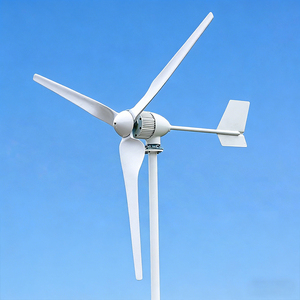
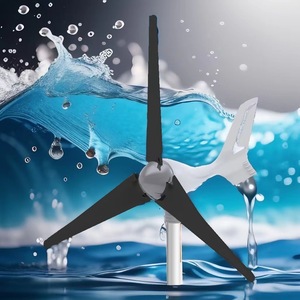
Factory Price Rooftop 1kW Small Wind Turbine
- Rated Power: 1000W (1kW)
- System Voltage: 24V / 48V / 110V
- Blade Architecture: 3-Blade HAWT
Engineered for rural residential power, small commercial workshops, and remote farm outbuildings in Kazakhstan. Features low cut-in wind speed and low-noise aero-profile blades ideal for rooftop or short-guyed tower mounting.
Contact Us
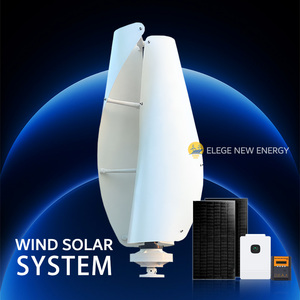
Elege CE MPPT 2kW Vertical Axis Wind Turbine
- Rated Power: 2000W (2kW)
- Topology: Vertical Axis (VAWT)
- Controller: Smart MPPT (12V/24V/48V)
Omnidirectional vertical-axis turbine built to capture turbulent steppe wind gusts regardless of direction. Omnidirectional design minimizes mechanical fatigue, making it optimal for urban, agricultural, and severe weather environments.
Contact Us
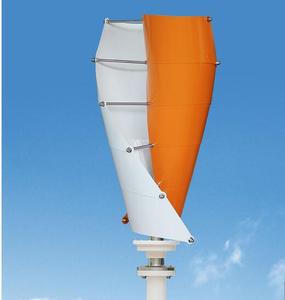
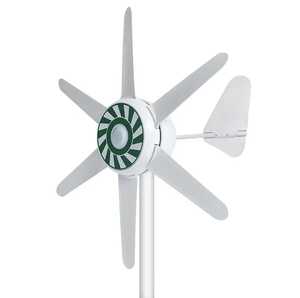
300W Micro Vertical Wind Generator Kit
- Rated Power: 300W Micro
- Generator: Maglev PMG
- Application: Telecom / Off-Grid Battery
Compact micro-power generator kit ideal for low-voltage monitoring stations, remote telemetry equipment, weather monitoring posts, and auxiliary battery trickle charging in harsh outdoor climates.
Contact Us
Long-Lifespan Micro Wind Generator (80mW–100mW)
- Power Output: 80mW / 90mW / 100mW
- Housing: Weatherproof Alloy
- Use Case: Pipeline IoT & Sensors
Ultra-low power micro-energy harvester designed for continuous power supply to environmental sensors, cathodic protection monitoring, and remote IoT node installations along oil/gas corridors.
Contact Us
Horizontal Axis 400W 12V Micro Generator
- Rated Power: 400W
- DC Output: 12V System
- Application: Hybrid Streetlights & Security
Optimized for hybrid solar-wind street lighting, remote perimeter CCTV, and highway security infrastructure across Kazakhstan. Reinforced composite blades withstand high wind shears and icing.
Contact Us
90W Mini Wind Turbine with Integrated Controller
- Rated Power: 90W Mini
- Controller: Built-in DC 12V/24V
- Portability: Compact Lightweight
Plug-and-play mini turbine featuring integrated charge management electronics. Designed for rapid deployment in mobile field units, geological survey camps, and nomadic agricultural outposts.
Contact Us
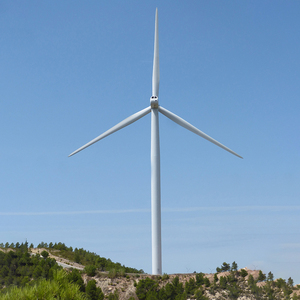
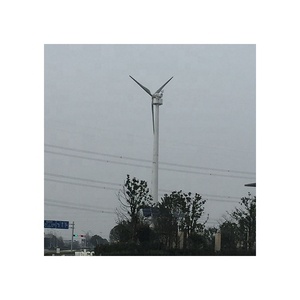
High-Efficiency 5kW Commercial Wind Turbine
- Rated Output: 5000W (5kW)
- Rotor Diameter: AR6.0 High Yaw Stability
- Target Use: Farms, Feedyards & Microgrids
Heavy-duty 5kW wind generator suited for agricultural processing, livestock watering, and dairy operations. High aerodynamic conversion efficiency with automatic pitch/yaw storm protection system.
Contact Us
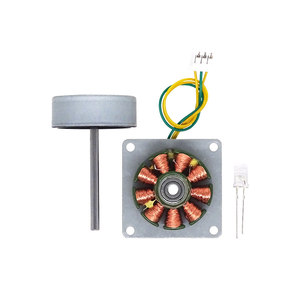
Three-Phase Micro Generator Engine (3V–24V)
- Voltage Range: 3V to 24V AC/DC
- Topology: 3-Phase Brushless PMG
- Engineering: Low RPM Drive Motor
Precision coreless generator component for custom energy harvesting projects, STEM education, and low-voltage field power integration requiring minimal start-up torque.
Contact Us
Localized Application Scenarios Across Kazakhstan’s Regions
Kazakhstan’s geographic diversity demands tailored renewable energy configurations. The performance requirements of a turbine installed in the windy northern plains near Astana differ significantly from a solar-wind hybrid microgrid in the southern agricultural belt surrounding Shymkent or Almaty. Below are the primary deployment scenarios driving smart energy adoption across the country:
Agricultural Feedyards & Grain Storage
Feedyard operations and grain drying facilities in Northern and Central Kazakhstan (Akmola, Kostanay, North Kazakhstan oblasts) require continuous power throughout cold winters. Integrating 5kW to 90kW direct-drive turbines provides behind-the-meter energy offset during peak tariff windows, keeping ventilation and automated feeding systems running continuously.
Off-Grid Mining & Industrial Outposts
Extractive industries operating in Karaganda, Mangystau, and East Kazakhstan frequently rely on diesel generators. Hybrid microgrids combining small wind turbines with solar PV and energy storage systems (BESS) slash diesel consumption by up to 65%, shielding operators from fuel transport logistics and volatile winter delivery schedules.
Infrastructure & Pipeline Security
Oil and gas pipelines, highway monitoring networks, and remote cellular towers traversing the Caspian region and western steppes utilize 90W to 400W micro wind generators. These rugged units ensure 24/7 power to cathodic protection systems and IoT sensors under extreme temperature fluctuations.
White Paper Analysis: Kazakhstan Smart Energy Market Trends (2026–2035)
Under Kazakhstan’s updated "Concept for the Transition to a Green Economy" and its commitment to achieve carbon neutrality by 2060, the nation’s renewable energy architecture is undergoing rapid structural evolution. Historically dominated by massive central coal plants near Ekibastuz, the regional grid is increasingly challenged by transmission losses and capacity bottlenecks over long distances.
1. Shift Toward Distributed Energy Resources (DER)
Commercial users are moving away from sole reliance on centralized electricity networks. High utility wheeling tariffs, combined with annual retail rate increases sanctioned by regional electricity distribution companies (REKs), have incentivized businesses to invest in behind-the-meter generation. Small wind turbines (25 kW to 90 kW) and 1kW–5kW localized systems allow facilities to generate electricity exactly where it is consumed, avoiding regional transmission charges.
2. The Imperative for Direct-Drive Engineering in Cold Climates
Traditional wind turbine architectures rely on mechanical gearboxes to step up low rotor RPM to high generator speeds. In Kazakhstan's cold continental climate—where ambient temperatures frequently drop below -30°C—gearbox oils freeze, viscosity changes cause gear tooth wear, and seal failures trigger costly downtime. Direct-drive permanent magnet generators (PMG) eliminate the gearbox entirely. Rotor blades are directly coupled to a low-RPM synchronous generator, drastically reducing moving parts, eliminating oil maintenance, and elevating system availability to over 98% in sub-zero operational environments.
3. Microgrid Synergy: Wind, Solar & Battery Storage (EOX WS²+)
Solar energy in Kazakhstan peaks during hot summer months but dips severely during winter when thermal and electrical loads peak. Conversely, winter wind energy production peaks across the Kazakh steppe due to dense cold air and strong atmospheric pressure gradients. Combining wind turbines with rooftop solar PV and smart battery energy storage under an AI-driven Energy Management System (EMS) creates a balanced, year-round generation curve that drastically reduces battery sizing requirements and optimizes ROI.
| Architecture Feature |
Geared Wind Turbines |
Direct-Drive PMG Turbines |
Wind-Solar Hybrid Systems |
| Low Temp Resilience (-40°C) |
Poor (Gearbox oil freeze risk) |
Exceptional (No gear fluid required) |
High (Redundant generation sources) |
| Maintenance Interval |
6 Months (Fluid checks, alignment) |
Annual (Visual check, grease) |
Annual (Filter & visual check) |
| Winter Capacity Factor |
Moderate (Mechanical loss) |
High (Dense air power extraction) |
Maximum (Wind compensates solar drop) |
| Expected Service Life |
10–15 Years (Gearbox overhaul) |
30 Years (Solid-state design) |
25–30 Years (Modular components) |
Enterprise Core Competencies: Why Top Kazakhstan Suppliers Choose Direct-Drive Technology
Building on over two decades of international wind turbine engineering, leading manufacturers powering Kazakhstan’s energy transition adhere to three foundational design pillars: Simplicity, Durability, and Connectivity.
Gearbox-Free Direct Drive
By coupling the rotor directly to a multi-pole permanent magnet generator, mechanical friction losses are minimized. Less mechanical stress means fewer failure points, enabling turbines to withstand severe ice loading and heavy gusts across the open steppes.
Remote SCADA Supervision
Every industrial unit comes equipped with advanced SCADA telemetry streaming operational data continuously. Intelligent algorithms detect anomalous vibration, temperature spikes, or grid frequency variations, allowing remote diagnosis long before maintenance is required on site.
Turnkey Project Lifecycle
From initial site wind resource modeling (using historical anemometer data and GIS terrain software) to foundation engineering, permitting with local Akimats, installation, and grid tie-in, full-service partners eliminate execution risk for local business owners.
Frequently Asked Questions (FAQ) for Kazakhstan Procurement
Addressing key practical considerations for procurement managers, agricultural directors, and facility engineers evaluating small wind and smart energy installations in Kazakhstan.
Q1: What wind speed is required on my site for a small wind turbine to be economically viable in Kazakhstan?
As a rule of thumb, sites with an annual average wind speed of 5.0 m/s to 5.5 m/s or higher at hub height (typically 30m to 36m) deliver excellent payback periods. Northern Kazakhstan (Akmola, Kostanay, North Kazakhstan) and western regions (Atyrau, Mangystau) frequently exceed 6.5 m/s. Our engineering team conducts free preliminary wind GIS modeling using your exact land parcel coordinates prior to project commitment.
Q2: How do direct-drive wind turbines perform during extreme winter freezing (-40°C) and heavy ice accumulation?
Direct-drive PMG turbines excel in cold weather because they contain no gearbox fluid that can freeze or thicken. Structural steel towers, specialized low-temperature synthetic greases, and cold-climate fiberglass composite blades resist embrittlement down to -40°C. Furthermore, cold air is denser than warm air, resulting in higher kinetic energy extraction per revolution during winter months.
Q3: How does small wind generation compare with rooftop solar for agricultural farms in Kazakhstan?
While solar PV is effective in summer, Kazakhstan’s high winter latitude results in short daylight hours and snow coverage on panels. Wind turbines generate power 24 hours a day, especially during stormy winter months when agricultural heating, grain ventilation, and lighting loads peak. A wind turbine tower foundation occupies less than 25 square meters of ground footprint, leaving surrounding fields completely open for farming or livestock grazing.
Q4: What grid connection permits or approvals are needed for distributed wind projects in Kazakhstan?
Behind-the-meter installations designed to offset local consumption require technical specification coordination with your local Regional Electricity Company (REK). If grid export is desired, projects fall under Kazakhstan’s Renewable Energy Law rules. Turnkey supply partners handle the complete permitting documentation, relay protection alignment, and grid interconnection compliance on your behalf.
Q5: What routine maintenance is required for a direct-drive small wind system?
Because there is no gearbox, routine maintenance is limited to a single annual visual inspection, torque verification on tower bolts, and greasing of yaw/main bearings. Remote SCADA portals monitor key operating parameters 24/7, allowing operators to oversee system performance from a smartphone or desktop computer anywhere in Kazakhstan.
Unlock Clean, Independent Energy for Your Operations in Kazakhstan
Send us your site coordinates and recent utility interval bills. Our senior energy consultants will provide an honest yield calculation, wind speed estimate, and complete ROI breakdown tailored to your facility.
Contact Us