Engineered for high availability, low-noise operation, and long service life across Chile's diverse climatic conditions from the Atacama Desert to Patagonia.
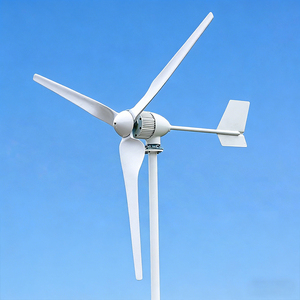
Compact aerofoil design optimized for farmhouses, residential rural sheds, and remote monitoring stations. Operates seamlessly at low cut-in wind speeds.
Inquire Now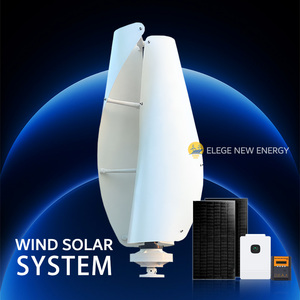
Includes advanced MPPT tracking. Designed for omnidirectional wind capture in turbulent agricultural valleys and livestock enclosures with minimal vibration.
Inquire Now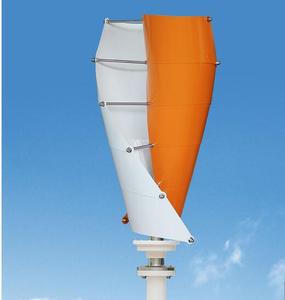
Lightweight micro-power solution specifically designed for localized telemetry, smart sensor arrays, automated drip-irrigation controls, and electric fence systems.
Inquire Now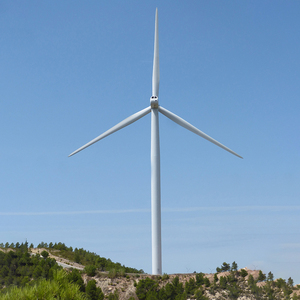
Weather-sealed micro turbines engineered for extreme outdoor durability, IoT environmental sensing, weather station powering, and remote agricultural data nodes.
Inquire Now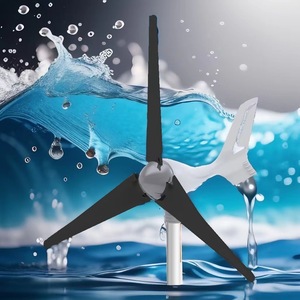
High-efficiency horizontal turbine ideal for solar-wind hybrid perimeter lighting, farm security camera power units, and remote gate automation.
Inquire Now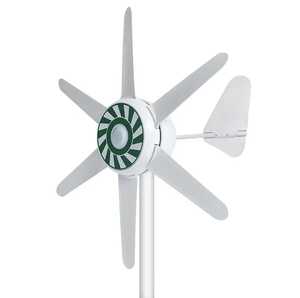
Compact plug-and-play design featuring direct DC 12V/24V output. Built-in smart rectification eliminates external cabinet clutter for small power needs.
Inquire Now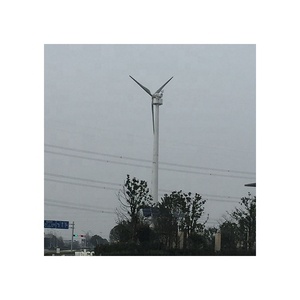
Utility-grade commercial small wind turbine built for dairy parlors, cold storage facilities, and agricultural processing hubs requiring continuous reliable kilowatt yield.
Inquire Now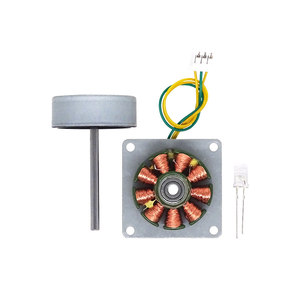
Ultra-low startup torque permanent magnet synchronous generator core. Designed for customized agricultural automation, DIY micro-hydro, and education kits.
Inquire NowAnalyzing macroeconomic drivers, grid constraints, and renewable energy adoption across the Republic of Chile.
Chile's agricultural sector forms the backbone of its export economy, leading global markets in fresh fruit, wine (Maipo, Colchagua, and Casablanca valleys), salmon farming, and processed goods. However, farm managers face severe operational headwinds: rising electricity tariffs, volatile diesel supply lines for isolated water pumps, and persistent drought conditions requiring deeper water extraction and energy-intensive drip-irrigation pressure networks.
Transitioning from fossil-fuel generators to distributed wind-solar microgrids enables Chilean farm enterprises to stabilize operational expenditures (OpEx), comply with strict international buyer ESG requirements, and guarantee continuous 24/7 power during main grid curtailments or extreme weather events.
Chile's legal framework offers distinct advantages for farm-scale renewable self-generation. Under Ley N° 20.571 (Net Billing) and the expanded PMGD (Pequeños y Medianos Generadores Distribuidos) regulatory framework, agricultural producers connecting distributed generation systems up to 9MW can export excess clean electricity back to the national grid (SEN - Sistema Eléctrico Nacional) at stabilized pricing.
Deploying direct-drive small wind turbines alongside solar PV arrays creates a smooth, complementary load profile—capturing strong coastal and Andean night winds while solar handles daytime peaks, maximizing net-metering revenue and minimizing battery storage wear.
Customized engineering deployment models tailored to regional topographies and agricultural operations.
Primary Regions: Valparaíso, O'Higgins, Maule, and Coquimbo.
Fruit packing lines and climate-controlled wine cellars demand non-stop power. Intermittent grid brownouts during summer harvesting seasons can spoil millions of dollars in produce. Direct-drive wind turbines (such as 25kW–90kW capacity platforms) supply continuous power to refrigeration compressors during nighttime hours when ambient temperatures drop but thermal loads remain high.
Primary Regions: Atacama, Antofagasta, and Elqui Valley.
Agricultural operations in northern Chile rely on deep groundwater extraction in high-altitude terrain. Solar-wind hybrid systems (EOX WS²+ platform) overcome the solar irradiance loss during morning fog (Camanchaca) by utilizing thermal valley wind currents, driving high-voltage water pumping units without burning expensive diesel fuel.
Primary Regions: Los Lagos, Aysén, and Magallanes.
Southern salmon farms and remote coastal feedlots operate in extreme sub-Antarctic winds. Microgrid installations utilizing direct-drive permanent magnet generators (PMG) withstand salt-fog corrosion and severe wind gusts exceeding 130 km/h, securing aeration pumps and feeding automation.
Built on over two decades of wind turbine manufacturing expertise, eliminating mechanical bottlenecks.
Conventional small wind turbines rely on complex mechanical gearboxes operating at high RPMs. Gearboxes represent the single highest failure point in rural environments due to oil degradation, mechanical friction, and dust infiltration. Our direct-drive permanent magnet generator (PMG) connects the rotor directly to the electrical generator, operating at low RPM with zero gear oil requirements.
Eliminating scheduled oil changes and gearbox overhauls reduces annual maintenance costs by up to 65% while guaranteeing a 30-year structural design life in demanding field conditions.
Every commercial turbine features an integrated Supervisory Control and Data Acquisition (SCADA) suite accessible via cloud interface or satellite uplink. Connected systems feed operational metrics (pitch angle, wind vector, vibration, temperature, generator output) into an AI energy management controller (EOX WS²+ architecture).
Automated anomaly detection identifies potential mechanical wear or electrical drift before downtime occurs, maintaining a fleet availability rating above 98% across remote Latin American operational sites.
Chile is one of the most seismically active zones globally. Tower foundations, guyed lattice configurations, and free-standing tubular steel towers are custom engineered to satisfy Chilean seismic design regulations (NCh433 / DS61). Advanced finite element analysis (FEA) ensures tower structural integrity during high-magnitude earthquake events.
We do not merely supply equipment—we deliver complete energy security. Working alongside certified local engineering partners across Santiago, Concepción, and Puerto Montt, our team manages wind resource assessment (lidar/anemometry), municipal permitting, SEC compliance filings, civil foundation construction, grid interconnection, and 30-year ongoing O&M service level agreements (SLAs).
Benchmarking distributed farm energy architectures for Chilean agricultural buyers.
| Technology / Metric | Direct-Drive Wind Turbine | Solar PV Array Only | Diesel Generator Unit | Wind-Solar-Storage Hybrid |
|---|---|---|---|---|
| Levelized Cost of Energy (LCOE) | Ultra-Low ($0.04 - $0.07/kWh) | Low ($0.05 - $0.08/kWh) | Very High ($0.28 - $0.45/kWh) | Balanced ($0.06 - $0.09/kWh) |
| 24/7 Power Availability | High (Wind dependent / Night yield) | None (Daylight only) | Continuous (High fuel cost) | 99.9% Continuous Resilience |
| Land Footprint Utilization | Minimal (< 25m² pad area) | Extensive (Covers crop land) | Small footprint | Optimized Dual Footprint |
| Operating Carbon Emissions | Zero Carbon | Zero Carbon | High CO₂ & Particulates | Zero Carbon Target |
| Expected Service Life | 30 Years | 20-25 Years | 7-10 Years (Heavy wear) | 25-30 Years System Life |
| Chilean PMGD Grid Suitability | Excellent (Night generation) | High (Peak noon dispatch) | Not Permitted for Feed-in | Optimal Grid Stabilization |
Addressing technical, financial, and regulatory questions from farm managers, plant engineers, and project developers.
Take control of your agricultural power costs. Contact our engineering team today for a complimentary wind resource modeling report, economic payback analysis, and hardware specification recommendation tailored to your facility.
