Custom-manufactured wind generators designed to withstand harsh North Sea salt spray, severe Arctic icing, and turbulent coastal wind dynamics. Seamlessly scalable from residential hytter to heavy industrial facilities.
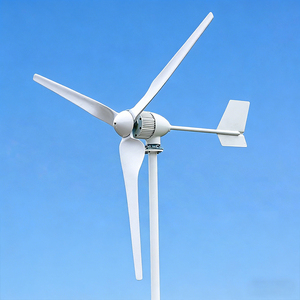
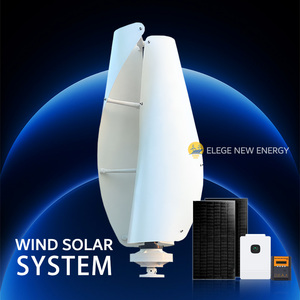
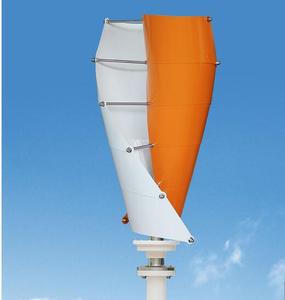
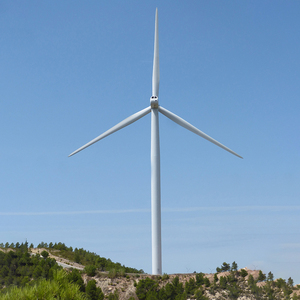
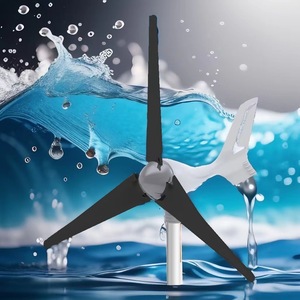
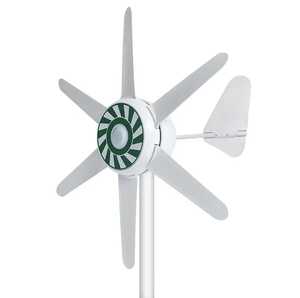
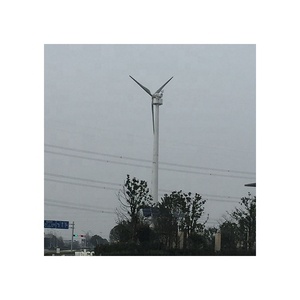
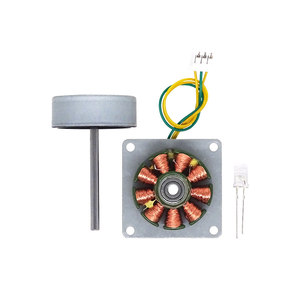
Norway stands at a unique crossroads in the global energy landscape. While the country boasts an enviable grid powered primarily by central hydroelectricity, coastal commercial operations, maritime facilities, and isolated agricultural hubs face escalating network tariffs, capacity bottlenecks, and dramatic Nord Pool spot-price volatility across price zones (NO1 to NO5).
As a premier international manufacturer and exporter of distributed wind generation assets, our engineering framework directly addresses the operational imperatives of Norwegian businesses. With national targets aiming for net-zero emissions and significant subsidy backing from state enterprise ENOVA SF, installing localized direct-drive wind energy systems offers an unbeatable financial hedge and verified Scope 2 emissions elimination.
High-latitude environments present unique mechanical challenges: riming, atmospheric icing, high sea-salt air salinity, and extreme directional gustiness generated by steep fjord topography. Standard commercial turbines with mechanical gearboxes frequently experience premature oil breakdown, bearing pitting, and high O&M overheads in Arctic operating conditions.
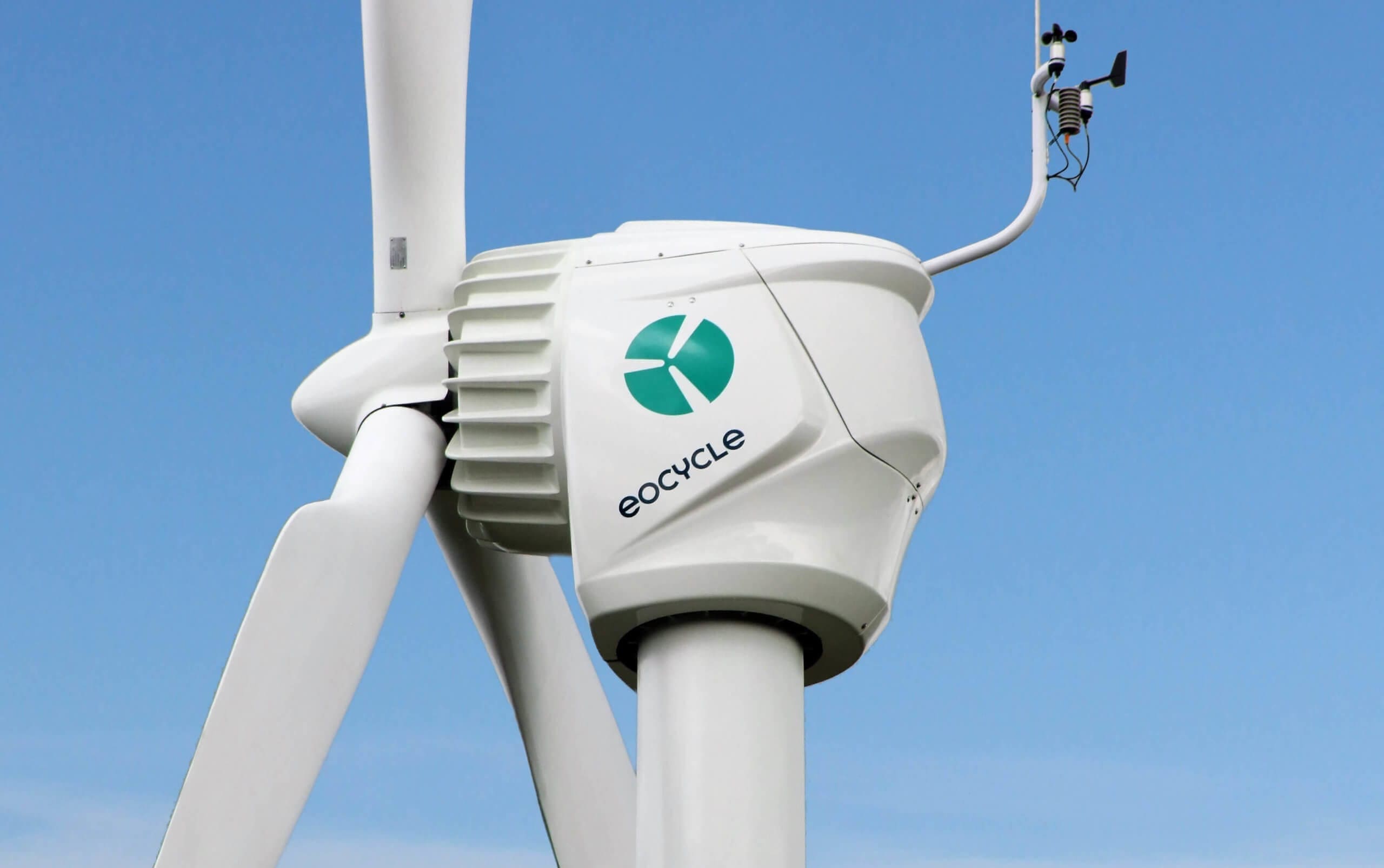
Understanding the structural and electrical enhancements required to ensure a 30-year operational lifecycle in Sub-Zero Arctic and Marine environments.
| Engineering Parameter | Legacy Geared Turbines | Our Direct-Drive Permanent Magnet (PMG) | Value Delivered to Norwegian Operators |
|---|---|---|---|
| Drivetrain Complexity | Multi-stage planetary gearbox (100+ moving parts) | Gearbox-free direct drive (Single main shaft assembly) | ✓ Eliminates 90% of mechanical failure modes & oil changes |
| Low-Temperature Operations | Requires oil sump preheating; failure below -20°C | Synthetic low-temp grease & NdFeB magnet alloy (-40°C) | ✓ 100% cold-start capability during dark Arctic winters |
| Corrosion Resistance | Standard C3-I industrial paint coatings | C5-M Heavy Marine anti-corrosion barrier + Hot-Dip Galvanized | ✓ Resists intense salt-spray along Vestland & Nordland coasts |
| Grid Compliance & Power Quality | Direct grid-tied induction generator (harmonic distortion) | Full-power AC-DC-AC inverter with Nord Pool MPPT control | ✓ Complies with strict Statnett grid codes & microgrids |
| Acoustic Profile (NS 8175) | High gear-mesh mechanical whine (>65 dBA at 100m) | Low-RPM aerodynamically optimized pitch profile (<42 dBA) | ✓ Permittable near residential quarters, farms & fjellstuer |
From coastal salmon feeding barges in Trøndelag to dairy farms in Jæren, our wind turbines deliver tailored renewable baseload electricity where solar output drops to zero in winter.
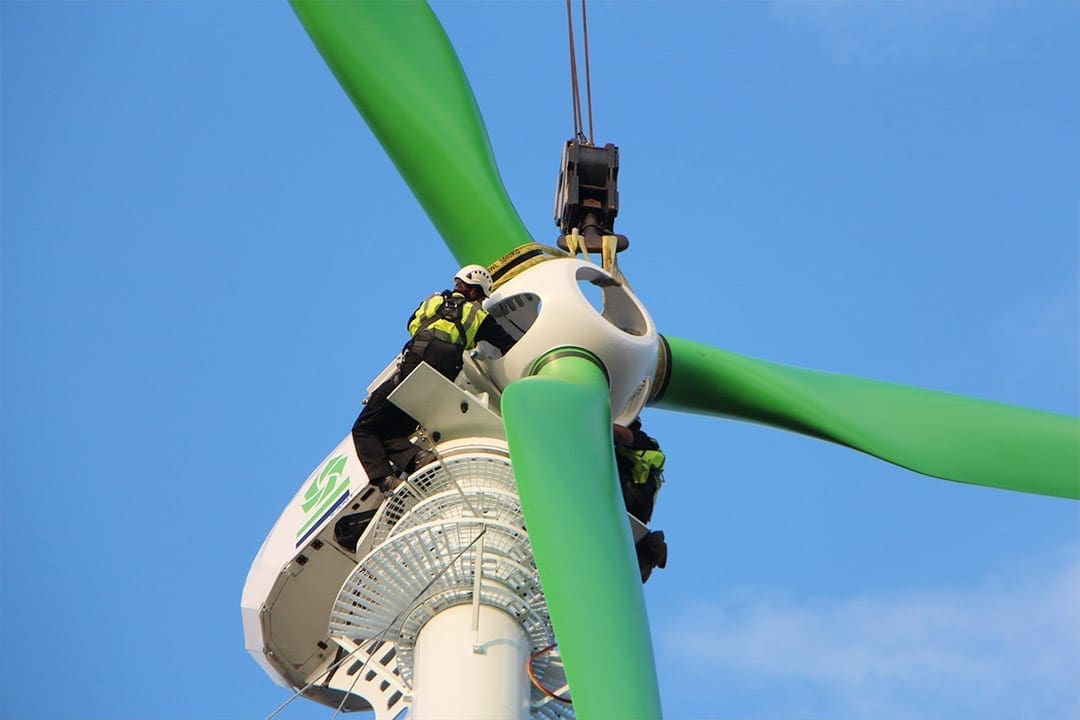
Norway's world-leading aquaculture sector relies on feed barges anchored in remote fjords. Historically powered by continuous diesel generators, these operations face mounting carbon taxes and severe fuel delivery logistics expenses.
Modern Norwegian farms require enormous amounts of electrical energy for automated milking parlours, barn ventilation, feed milling, and heating. With wind speeds averaging over 6.5 m/s in coastal agricultural zones like Rogaland and Vestfold, wind power represents the highest yield per square meter.

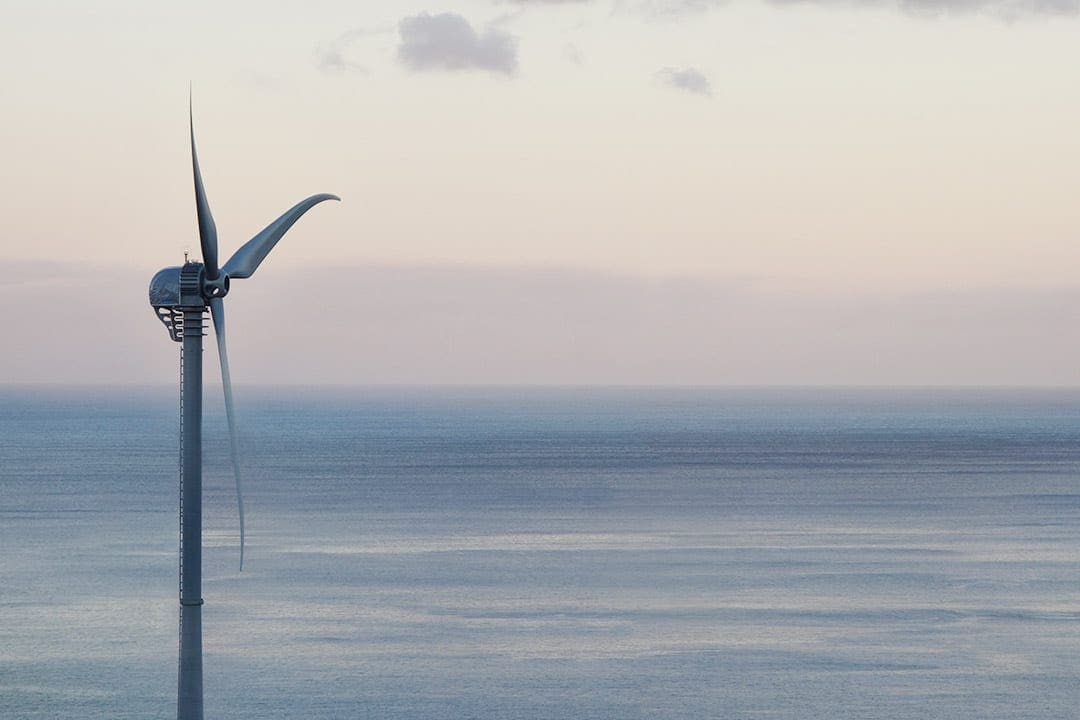
Off-grid infrastructure in Northern Norway (Nordland, Troms, Finnmark) and islands in the Norwegian Sea require rock-solid energy security. Solar power is unavailable during the polar night (Mørketid), leaving wind as the sole reliable renewable resource.
Building on over two decades of dedicated research and manufacturing excellence, our export-ready power platforms represent the apex of distributed energy engineering.
By eliminating high-speed mechanical gearboxes, we eliminate the primary point of failure in cold-climate wind turbines. Direct-drive permanent magnet generators rotate at low velocity, maximizing mechanical torque efficiency and eliminating gear oil replacement routines.
Engineered according to rigorous IEC Class I and S standards, our towers, nacelles, and rotor systems are dynamically stress-tested for 60 m/s extreme wind gusts (Typhoon/Storm Grade). Hot-dip galvanization and marine coatings guarantee structural integrity across decades.
Combine wind power, solar photovoltaics, and battery energy storage (BESS) under a single AI-driven Energy Management System. The software intelligently arbitrages against Nord Pool spot prices, charging batteries during low-cost hours and supplying your plant during peak tariff surges.
Everything you need to know about wind speeds, ice mitigation, grid approvals, and financial returns in Norway.
As a practical rule of thumb, sites with an annual average wind speed of 4.8 m/s to 5.2 m/s or higher at hub height yield strong financial returns. Coastal Norwegian regions (such as Vestland, Møre og Romsdal, and Nord-Norge) routinely exceed 6.5 m/s, delivering exceptional capacity factors.
Our cold-climate equipment options incorporate hydrophobic black-pigmented blade surface coatings and specialized cold-weather steel components rated to -40°C. Direct-drive generators produce internal thermal dissipation that prevents ice accumulation on the main bearing housing.
Yes. Commercial entities, agricultural businesses, and marine facilities investing in energy efficiency or zero-emission microgrids can frequently secure partial funding support through Enova SF or Innovation Norway programs aimed at industrial decarbonization.
While solar PV provides good summer yield, Norwegian winter solar production drops to near zero due to low sun angles and short day lengths. Wind generation peaks in autumn and winter when storm activity is highest, matching your facility’s heating and lighting electricity demand curves perfectly.
Because there is no gearbox oil to filter or change and no mechanical high-speed shaft wear, scheduled O&M is typically limited to an annual mechanical torque audit and visual inspection. All operational metrics are monitored continuously via automated remote SCADA telemetry.
Generating your own power behind the meter means every kilowatt-hour consumed directly offsets expensive retail power purchases, grid capacity tariffs (nettleie), and state electricity fees, capping your levelized cost of energy (LCOE) for 30 years.
Partner with a global renewable energy supplier specialized in cold-climate wind turbines. Contact our engineering desk today for a comprehensive wind resource study, return-on-investment calculation, and custom equipment quotation.