Engineered for high efficiency, ultra-low start-up torque, and seamless grid-tied or off-grid microgrid integration across Seoul and Metropolitan South Korea.
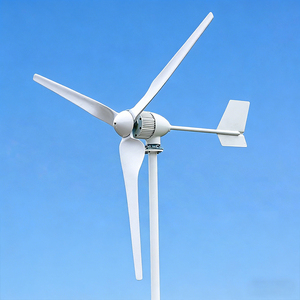
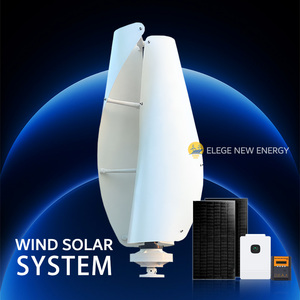
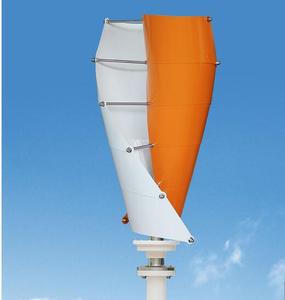
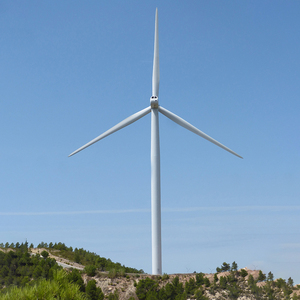
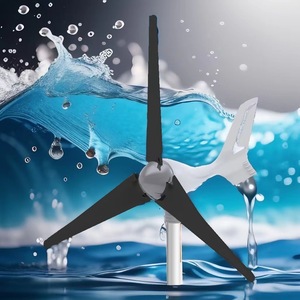
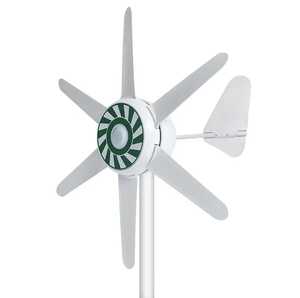
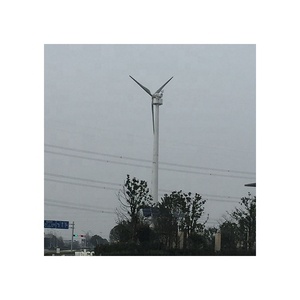
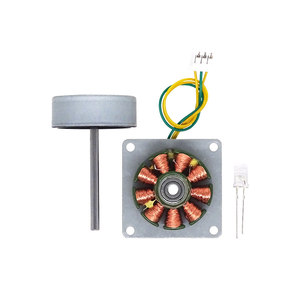
Eliminating mechanical friction points to deliver reliable, gearless standalone energy architecture engineered for South Korea's strict environmental standards.
By coupling the rotor directly to custom permanent magnet synchronous generators (PMSG), our systems eliminate oil changes, gearbox failures, and high mechanical losses, guaranteeing high annual energy production (AEP).
Specifically tuned for urban shear and complex microclimates common in the Han River basin and Seoul municipal zones, our generators initiate power production at wind speeds as low as 1.5 m/s to 2.5 m/s.
Compliant with South Korea’s environmental noise regulations for commercial and residential zones, our vertical and horizontal turbine platforms utilize precision-balanced blades to achieve acoustic emissions under 45 dB(A).
As South Korea accelerates its commitment to Carbon Neutrality by 2050 and expands localized energy independence under the 10th Basic Plan for Long-Term Electricity Supply and Demand, metropolitan regions—most notably the Seoul Capital Area (SCA)—face unique structural energy challenges. With extreme urban density, strict environmental noise controls, space limitations, and escalating grid transmission bottlenecks, traditional centralized power distribution is rapidly being complemented by On-Site Distributed Energy Resources (DERs) and Standalone Power Systems (SPS).
For Seoul-based commercial real estate developers, municipal engineering projects, agricultural facilities in outer Gyeonggi-do, and industrial supply chain partners targeting K-RE100 compliance, deploying robust, low-maintenance standalone generation technology is no longer optional—it is a strategic operational imperative.
Key Insight: Direct-drive standalone wind turbines and wind-solar hybrid architectures deliver up to 40% higher winter-season capacity factors in Seoul compared to standalone solar PV arrays, directly counteracting seasonal solar drop-off.
Unlike utility-scale wind farms deployed in offshore Jeju or wind-heavy Gangwon-do, urban and semi-urban standalone power generation in Seoul requires meticulous customization. Building facades, municipal streetscape systems, telecommunications backhauls, and commercial logistics rooftops experience turbulent, non-linear wind flows characterized by high directionality shifts.
Standard off-the-shelf small wind systems frequently fail in these micro-environments due to inappropriate generator matching, mechanical blade resonance, or inadequate low-voltage battery charge controllers. Our OEM/ODM engineering framework resolves these failure modes by providing tailored generator windings, custom aerodynamic blade profiles, integrated MPPT controllers, and structural mounting adaptations specified precisely to local building codes and K-KS quality benchmarks.
To evaluate the levelized cost of energy (LCOE) and long-term asset reliability, facility managers and EPC contractors must evaluate power systems across critical operational parameters:
| Engineering Criteria | Eocycle OEM Direct-Drive Wind | Traditional Gearbox Small Wind | Standard Rooftop Solar PV |
|---|---|---|---|
| Engineered Design Life | 30 Years Continuous | 8–12 Years (Gearbox failure prone) | 20–25 Years (Panel degradation) |
| Footprint Density (kWh/m²) | Ultra-High (Vertical Tower Axis) | High (Requires large radial clearance) | Low-Medium (Requires expansive roof) |
| Night & Winter Generation | Full Output Capability | Full Output Capability | Zero (Night) / Low (Winter) |
| Annual Maintenance Overhead | Single Annual Visual Inspection | Semi-Annual Lubrication & Gears | Quarterly Panel Cleaning |
| Aero-Acoustic Compliance | Sub-45 dB(A) Optimized | Variable (55–70 dB Mechanical Noise) | Silent (0 dB) |
As a global pioneer in small wind and distributed standalone power manufacturing, our production lines offer end-to-end original equipment manufacturing (OEM) and original design manufacturing (ODM) services. We support Seoul equipment integrators through:
From smart city municipal infrastructure in Gangnam to logistics networks in Gyeonggi-do, our direct-drive energy systems empower localized decarbonization.
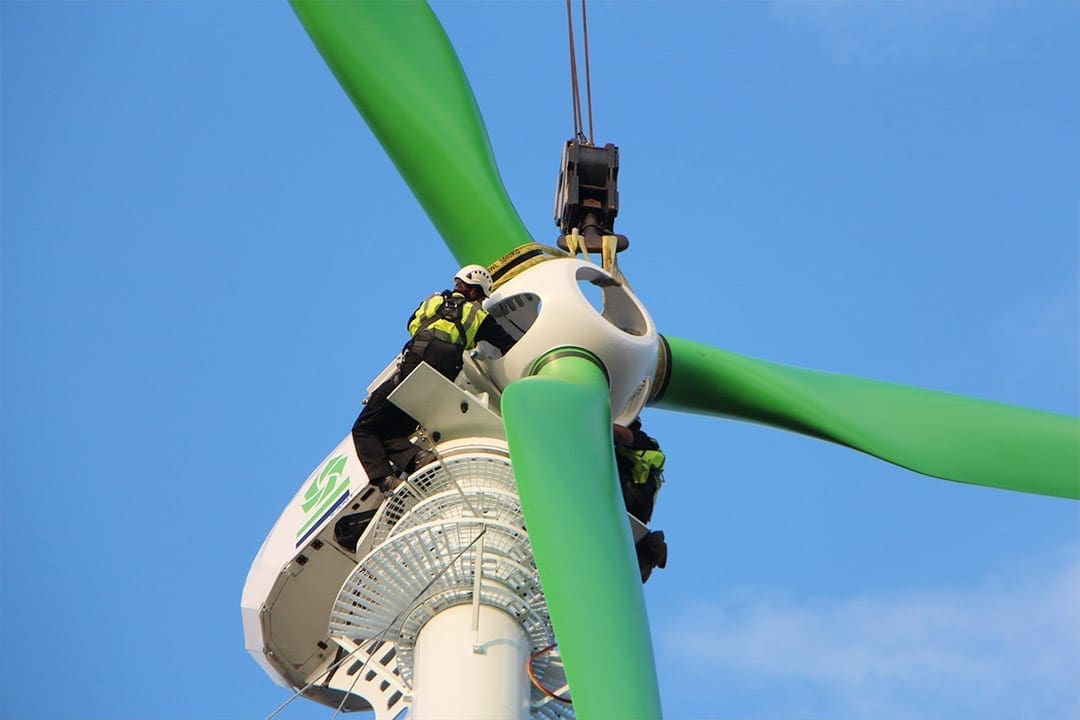
Urban high-rises experience high atmospheric boundary wind speeds. Mounting low-noise vertical axis (VAWT) or micro horizontal axis turbines on commercial rooftops captures urban updrafts to supply behind-the-meter clean energy for elevators, hallway lighting, and HVAC baseline loads, directly supporting Seoul Green Building Certifications.

The Han River water corridor serves as a natural wind highway through the center of Seoul. Deploying micro-turbines along riverfront parks, bridge lighting systems, and municipal environmental monitoring stations ensures 24/7 standalone power without expensive grid trenching.
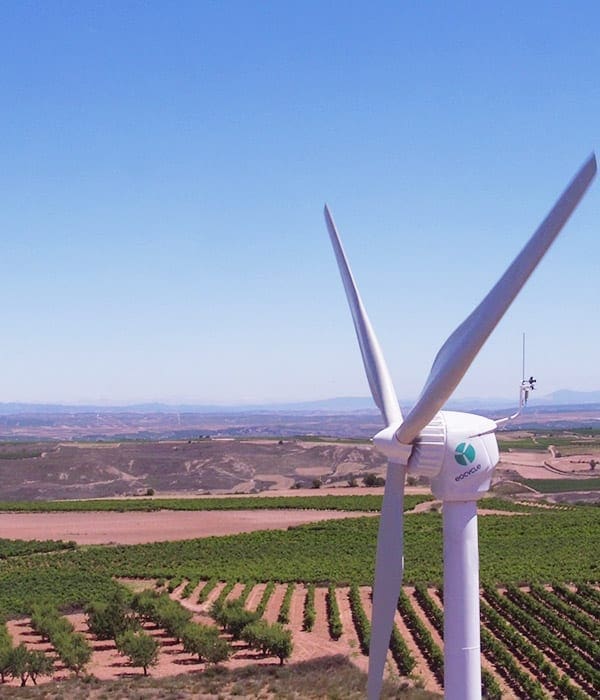
Cold-storage warehouses and industrial processing centers in Gyeonggi-do and Incheon possess significant electrical loads. Integrating 5kW to 90kW direct-drive wind systems alongside existing rooftop solar creates robust wind-solar hybrid microgrids that lower peak demand tariffs during high-tariff periods.
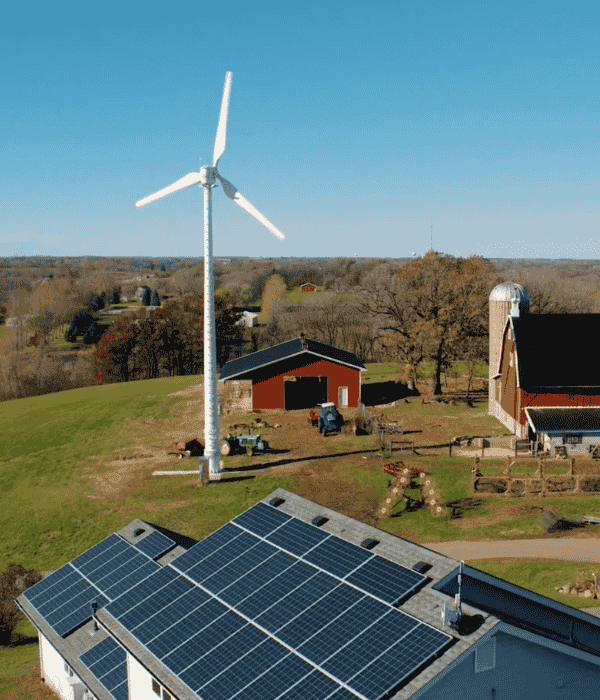
Micro standalone wind generators (80mW to 400W) integrated with small battery banks offer uncompromised uptime for security cameras, traffic flow sensors, and 5G small-cell transmitters distributed throughout metropolitan roadways.
South Korea’s major industrial conglomerates—including Samsung, SK, LG, and Hyundai—have joined the K-RE100 initiative, pledging to source 100% of their operational electricity from clean energy. This corporate mandate trickles down to hundreds of Tier-1 and Tier-2 component manufacturers located across Seoul, Incheon, and Suwon. OEM/ODM standalone wind and hybrid systems offer supply chain partners a physically verifiable, visible, on-site generation asset that yields auditable Scope 2 carbon reductions.
With severe weather events and typhoon seasons posing risks to traditional transmission lines, the Seoul Metropolitan Government (SMG) has prioritized localized microgrid resilience. Combined wind-solar-storage systems provide islanding capabilities, ensuring that critical data centers, emergency municipal hubs, and cold storage facilities remain operational during unexpected grid outages.
Clear, direct answers regarding permitting, local wind resources, acoustic compliance, and OEM customization.
Partner directly with a proven global OEM/ODM manufacturer. Contact our engineering team today to request site wind modeling, custom technical drawings, or direct project pricing.
Contact Us