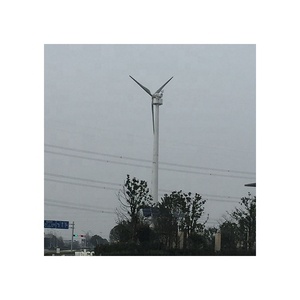
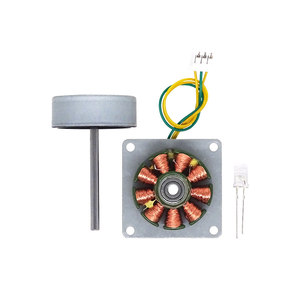
High-Efficiency Vertical & Horizontal Distributed Energy Systems

Maglev Turbine Factories & Exporters for the Berlin Market

Enterprise Product Portfolio

Certified Small & Micro Wind Turbines for Berlin Procurement

Explore our factory-direct magnetic levitation and direct-drive wind energy systems engineered for high urban turbulence tolerance, zero friction noise, and maximum annual yield.
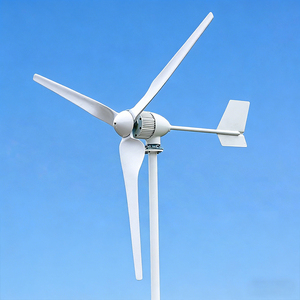
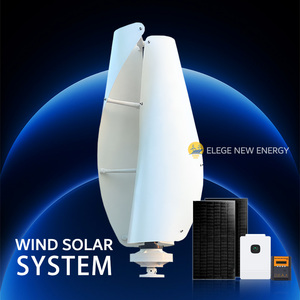
Factory Price Rooftop 1kw Small Wind Turbines for Home Electricity

Factory Price Rooftop 1kW Small Wind Turbines for Home Electricity

Inquire Now
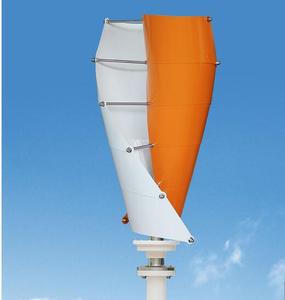
Elege CE MPPT Low Noise RPM Free Energy Vertical Wind Turbine

Elege CE MPPT Low Noise 12V/24V/48V 2kW Micro Vertical Wind Turbine

Inquire Now
300w Micro Vertical Wind Generator Kit China

300W High-Efficiency Micro Vertical Wind Generator System Kit

Inquire Now
Outdoor Micro Wind Generator Turbines

Long Lifespan Outdoor Micro Wind Turbines (80mW / 90mW / 100mW)

Inquire Now
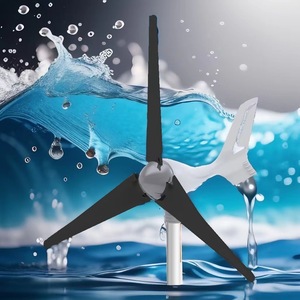
Horizontal Axis Micro Wind Generator 400W 12V

Horizontal Axis Micro Wind Generator 400W 12V for Solar & Telecom Backup

Inquire Now
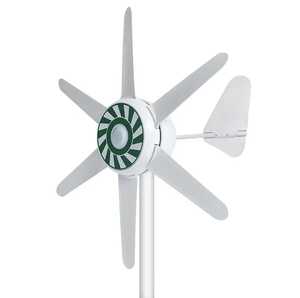
90W Mini Wind Turbine With Controller Built-in

90W Mini Wind Turbine with Integrated MPPT Controller (DC 12V/24V)

Inquire Now
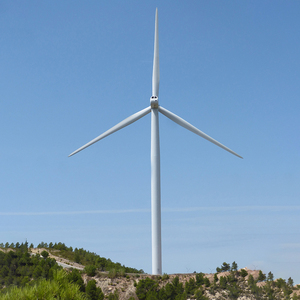
Three Blades 5kw Micro Wind Turbine Generator

High Efficiency Three-Blade 5kW Industrial Micro Wind Turbine System

Inquire Now
Three-phase Micro Wind Generator 3V to 24V

Three-Phase Micro Wind Generator Engine (3V–24V Low Voltage Equipment)

Inquire Now
30 Yrs
Engineered Design Life
98%+
Fleet Operational Availability
< 35 dB
Ultra-Quiet Acoustic Output
1.2 m/s
Low Cut-In Wind Speed
Industry Whitepaper & Market Technical Study

Navigating Berlin’s Urban Aerodynamic & Decarbonization Mandates

The Metropolitan Berlin-Brandenburg region presents a unique convergence of aggressive clean energy legislation, stringent noise vibration control standards, and turbulent micro-climate wind behaviors. Direct-drive magnetic levitation (Maglev) technology represents an architectural leap over legacy gearboxed systems.

The Technical Imperative of Maglev Architecture in Urban Germany

Traditional horizontal-axis wind turbines (HAWT) relying on mechanical gearboxes suffer accelerated mechanical degradation when subjected to Berlin’s urban wind regimes. Urban canopy roughness causes extreme shear vectors, wind direction fluctuations, and atmospheric turbulence. Under these conditions, gearboxes experience heavy radial load imbalance, resulting in mechanical friction loss, fluid leakage, high maintenance overhead, and audible pitch noise exceeding Germany's strict TA Lärm (Technische Anleitung zum Schutz gegen Lärm) limits.

By replacing mechanical contact bearings with Neodymium Permanent Magnet Levitation (N52 Maglev) suspension, our vertical-axis and direct-drive generators eliminate rotational friction entirely. This delivers four structural advantages crucial for Berlin real estate, logistics hubs, and agricultural facilities:

  • Frictionless Startup: Ultra-low cut-in speed ($1.2\text{ m/s}$ to $1.5\text{ m/s}$) capturing thermal updrafts and low-altitude urban gusts.
  • Omnidirectional Aerodynamics: 360-degree wind capture eliminates complex yaw drives, reducing failure points in turbulent conditions.
  • Acoustic Decoupling: Sound emissions under $35\text{ dB(A)}$ allow installation within mixed commercial and residential zones without violating municipal noise ordinances.
  • Vibration Isolation: Maglev suspension prevents structural resonance transmission into building roofs, steel frames, or concrete foundations.

Engineering Comparative Analysis

Metric Legacy Gearbox Eocycle / Maglev
Cut-in Wind Speed 3.5 – 4.5 m/s 1.2 – 1.8 m/s
Acoustic Footprint 55 – 68 dB(A) < 35 dB(A)
Maintenance Interval 6 – 12 Months 24 – 36 Months
Design Lifespan 10 – 15 Years 30 Years
Mechanical Efficiency 78% - 84% 96.5% Direct-Drive
Localized Deployment Profiles

High-Gain Applications across the Berlin Metropolitan Area

From urban commercial rooftops along the Spree to agricultural microgrids in surrounding Brandenburg, behind-the-meter magnetic wind generation delivers resilient, predictable renewable power.

Commercial Rooftops & Technology Parks

Berlin tech hubs such as Adlershof and TXL Urban Tech Republic demand clean, visible renewable energy without structural fatigue or noise disturbance. Vertical maglev units integrate cleanly on commercial parapets, harvesting high-velocity wind vectors above building edge shears.

Agricultural Feedyards & Greenhouses

Outer Brandenburg farms face continuous baseload electricity demand for ventilation, cooling, and automated milking. Paired with existing rooftop PV systems, wind turbines generate through winter and night shifts, offsetting expensive German utility spot market tariffs.

EV Charging Logistics & Microgrids

Fleet operators along the A10 ring road utilize maglev wind-solar hybrid microgrids coupled with battery storage (BESS). Direct behind-the-meter generation bypasses grid expansion bottlenecks and avoids peak demand grid surcharge fees.

Policy Alignment & ESG Drivers

Berlin Climate Neutrality 2045 & EU RED III Directives

Germany’s updated Erneuerbare-Energien-Gesetz (EEG 2023) and Berlin’s state climate transition law (Klimaschutz- und Energiewende-Gesetz Berlin) mandate rapid decarbonization across industrial, commercial, and residential real estate assets. Commercial enterprise owners are facing escalating carbon taxes under the BEHG (Brennstoffemissionshandelsgesetz) alongside strict Scope 2 greenhouse gas reporting compliance under the EU Corporate Sustainability Reporting Directive (CSRD).

Deploying on-site maglev wind energy provides actionable corporate advantages across the German market:

  • Grid Independence: Protects operations against volatile EPEX SPOT electricity price spikes and high network usage tariffs (Netznutzungsentgelte).
  • 24/7 Seasonal Balance: Wind output perfectly complements solar PV, generating up to 65% of its annual energy during winter months when solar production drops significantly in Northern Europe.
  • Streamlined Permitting (Baugenehmigung): Micro wind turbines with overall heights under 10–15 meters benefit from simplified building permission pathways in selected Berlin commercial zones.

Berlin Renewable Generation Profile

Solar vs. Maglev Wind Seasonal Complementarity (Monthly Yield kWh)

Winter (Nov - Feb):

Wind generates 68% of capacity; Solar operates at <15% due to short daylight hours and low sun angles in Berlin.

Summer (May - Aug):

Solar generates peak daytime energy; Maglev turbines capture thermal atmospheric boundary breezes during evening cooling hours.

Result:

A flat, predictable behind-the-meter generation curve achieving up to 85% energy self-sufficiency.

Manufacturing & Engineering Rigor

Why Berlin Enterprises Trust Our Exporter Capabilities

We combine multi-decade precision engineering with direct OEM exporting, offering comprehensive technical support, customized voltage control, and complete system integration.

Direct Factory Exporting to Germany

Full CE certification, ISO 9001 manufacturing compliance, and streamlined logistical routes directly to Berlin-Brandenburg hubs or the Port of Hamburg. All units ship fully bench-tested.

Gearbox-Free Direct-Drive PMG

Our permanent magnet generators utilize high-grade N52 neodymium magnets and high-purity copper windings. Eliminating mechanical gears lowers internal operating temperature and friction wear.

SCADA Remote Telemetry & MPPT

Every industrial unit comes equipped with real-time SCADA monitoring, remote diagnostics, automatic electronic braking, and intelligent MPPT controllers configured for German grid interconnection protocols.

Frequently Asked Questions

Berlin Market Procurement & Technical FAQ

Key insights regarding installation, permitting, electrical grid compatibility, and operational performance for buyers in Berlin and Germany.

What average wind speed is required in Berlin for a maglev turbine to deliver strong ROI?

As an operational screening standard, locations with an average annual wind speed of 3.8 m/s to 4.5 m/s at hub height deliver compelling economic returns. Because maglev vertical turbines start producing power at cut-in speeds as low as 1.2 m/s to 1.5 m/s, they capture low-velocity urban airflow that conventional horizontal turbines miss. Our engineering team provides parcel-specific wind simulations using localized weather datasets and long-term wind shear models before order confirmation.

How do these turbines comply with Germany's strict TA Lärm acoustic regulations?

Germany's TA Lärm strictly limits noise emissions in commercial and mixed-use urban areas (often restricting sound to 35–50 dB(A) depending on nighttime zoning). Magnetic levitation technology eliminates mechanical gear grinding and bearing friction entirely. Combined with aerodynamically optimized helical vertical blades, our units maintain operational sound levels below 35 dB(A) measured at 5 meters distance, permitting installation close to occupied structures.

What building permits (Baugenehmigung) are required in Berlin and Brandenburg?

In many German states, small wind turbines under 10 meters total height benefit from simplified or permit-exempt procedures (Verfahrensfreie Bauvorhaben) under local building codes (Bauordnung), particularly in industrial or commercial zones (Gewerbegebiete). For larger rooftop or ground installations, our engineering team provides complete technical drawing packages, structural calculation documentation, and acoustic certificates required by Berlin planning authorities.

Can maglev wind energy systems be integrated with existing solar PV arrays and battery storage?

Yes. Our hybrid MPPT controllers are engineered to integrate seamlessly into existing behind-the-meter electrical infrastructures. The wind generator operates in parallel with solar PV inverters and battery energy storage systems (BESS). Hybrid control units dynamically optimize charging cycles, supplying smooth DC bus power to storage while meeting localized AC facility loads via grid-compliant inverters.

What routine maintenance is required over the 30-year design life?

With no mechanical gearbox, zero gear oil requirements, and contactless magnetic bearings, routine maintenance is minimal. Scheduled servicing typically involves a bi-annual visual structural check, bolt tension inspection, and controller diagnostic evaluation. Integrated SCADA systems continuously stream operational telemetry, allowing predictive maintenance alerts to prevent unplanned downtime.
Direct Factory Engagement

Request Your Berlin Project Engineering Assessment

Send our engineering team your site location, estimated load profile, or municipal energy targets. We will deliver an exact annual wind yield simulation, acoustic compliance report, and competitive factory-direct quotation.