From low-wind micro-generators for grazing telemetry to heavy-duty 5kW–90kW direct-drive power plants for industrial feedlots and deep-well irrigation pumps.
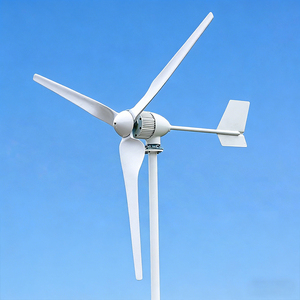
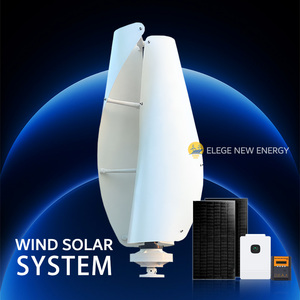
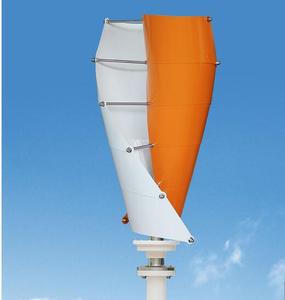
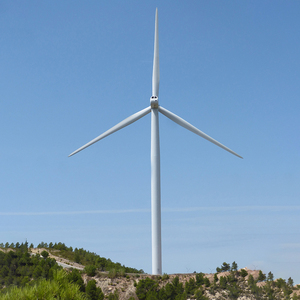
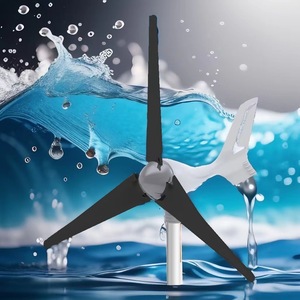
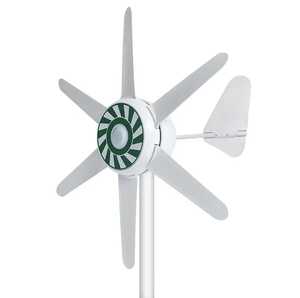
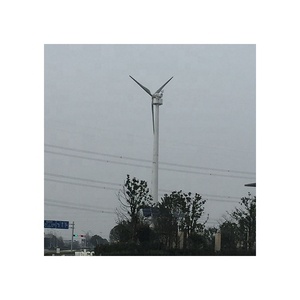
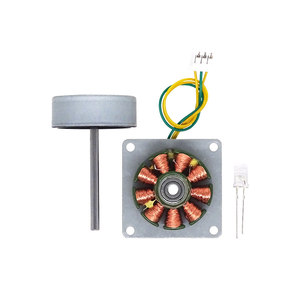
Uzbekistan’s agrarian economy is undergoing a massive structural modernization under the national strategy for agricultural development. As one of Central Asia’s leading producers of livestock—encompassing over 13 million head of cattle, millions of Karakul sheep, and expanding poultry complexes—the nation’s demand for uninterrupted rural power has reached a critical juncture. Pastoral operations in regions such as the Kyzylkum Desert (Navoiy Region), Karakalpakstan, Bukhara, Surkhandarya, and Jizzakh frequently operate at the fringes of the legacy centralized grid, where voltage drops, blackouts, and transmission line losses severely impair productivity.
Integrating distributed wind energy hardware, engineered specifically by experienced international manufacturers and exporters, represents the most capital-efficient pathway to power sovereignty for Uzbek livestock enterprises. Wind resource availability across the open plains and mountain corridors of Uzbekistan complements solar generation profiles, yielding a robust year-round microgrid solution capable of energizing deep groundwater pumps, automated feeding lines, milk cooling tanks, and climate-controlled livestock housing.

During peak summer months when ambient temperatures exceed +45°C in regions like Navoiy and Bukhara, grid transformer sub-stations suffer severe thermal stress, leading to rolling load shedding. For dairy farms, a two-hour power loss compromises milk chilling tanks, leading to spoilage. For sheep and cattle stations in isolated desert grazing grounds (*ovuls*), lack of grid power forces reliance on expensive diesel generators to run groundwater extraction pumps.
Our distributed wind turbine systems bridge this energy security gap. By capturing thermal updrafts and nighttime steppe breezes, wind generators provide continuous baseload power exactly when solar panels are inactive, ensuring uninterrupted agricultural operations.
Different agricultural domains within Uzbekistan exhibit distinct energy demand curves and environmental challenges. As a specialized manufacturer and exporter, our systems are tailored to solve specific regional pain points:
In the vast rangelands of Navoiy and Karakalpakstan, livestock survival depends on pumping mineral-rich water from depths of 60 to 180 meters. Our 2kW to 5kW horizontal and vertical wind turbines directly feed submersible MPPT pumps, delivering consistent daily water throughput without fuel costs or manual intervention.
Surkhandarya and Samarqand house rapidly scaling dairy clusters. Dairy cows experience acute heat stress above 25°C, dropping milk yields by up to 30%. Our 5kW to 90kW turbines power heavy-duty evaporative cooling fans and compressor chilling loops, maintaining stable yield metrics throughout summer heatwaves.
Poultry farming in Tashkent Region requires non-negotiable 24/7 ventilation and automated feed delivery. Power interruptions of even 45 minutes can lead to catastrophic flock mortality. Our hybrid Wind-Solar-Storage systems (WS²+) provide instant zero-ms backup transfer, securing enterprise assets.
Exporting wind hardware to Uzbekistan demands rigorous engineering adaptations to withstand extreme thermal deltas (-25°C in winter to +48°C in summer) and relentless fine-grain sandstorms originating from the Aralkum desertbed. Standard commercial turbines fail prematurely in these environments due to gearbox seal degradation, bearing seizure, and blade erosion.

| Technical Dimension | Our Direct-Drive PMG Systems | Conventional Gearbox Wind Turbines | Uzbekistan Operational Advantage |
|---|---|---|---|
| Drivetrain Complexity | Zero gearbox; low-speed synchronous rotor directly coupled to generator shaft. | Multi-stage planetary gearbox with high-speed wear shafts. | No gear oil changes; no oil contamination from desert sand. |
| Cut-in Wind Speed | Ultra-low: 2.0 m/s – 2.5 m/s | High: 3.5 m/s – 4.5 m/s | Captures light evening breezes across the flat steppe plains. |
| Extreme Temp Range | Operational from -40°C to +60°C | Operational from -10°C to +35°C (Oil viscosity fails outside) | Thrives in Karakalpakstan freezing winters & Surkhandarya hot summers. |
| Inverter Control | Pure Sine Wave MPPT with RS485 / GSM Remote SCADA monitoring. | Basic analog square wave / PWM controllers. | Allows farm managers in Tashkent to monitor remote pasture power via mobile app. |
| Design Service Life | 30 Years (Maintenance cycle: annual inspection) | 8-12 Years (Frequent gearbox overhauls required) | Long-term capital security for Uzbek agrarian investors. |
The Government of Uzbekistan has established aggressive regulatory frameworks to promote distributed renewable energy across the agricultural sector. Under Decree No. PP-4477 and the Law on the Use of Renewable Energy Sources, agrarian enterprises purchasing and installing localized wind power hardware qualify for significant tax exemptions and financial incentives:
With commercial grid tariffs in Uzbekistan adjusting toward market-reflective pricing, electricity costs for industrial agricultural consumers continue to rise. A 5kW to 90kW direct-drive wind installation replacing or hybridizing diesel generator capacity yields an extraordinarily short payback period:
Replacing a 15kVA Diesel Generator running 10 hours/day for water pumping in Navoiy.
Installing a 90kW M-Series Wind Turbine on a 2,000-head beef feedlot near Samarqand.
Selecting the right OEM/ODM manufacturer and exporter is the deciding factor in securing reliable distributed wind infrastructure in Central Asia. As a specialized engineering company with over two decades of wind turbine innovation, we provide turnkey support from site wind resource modeling to customs logistics management.
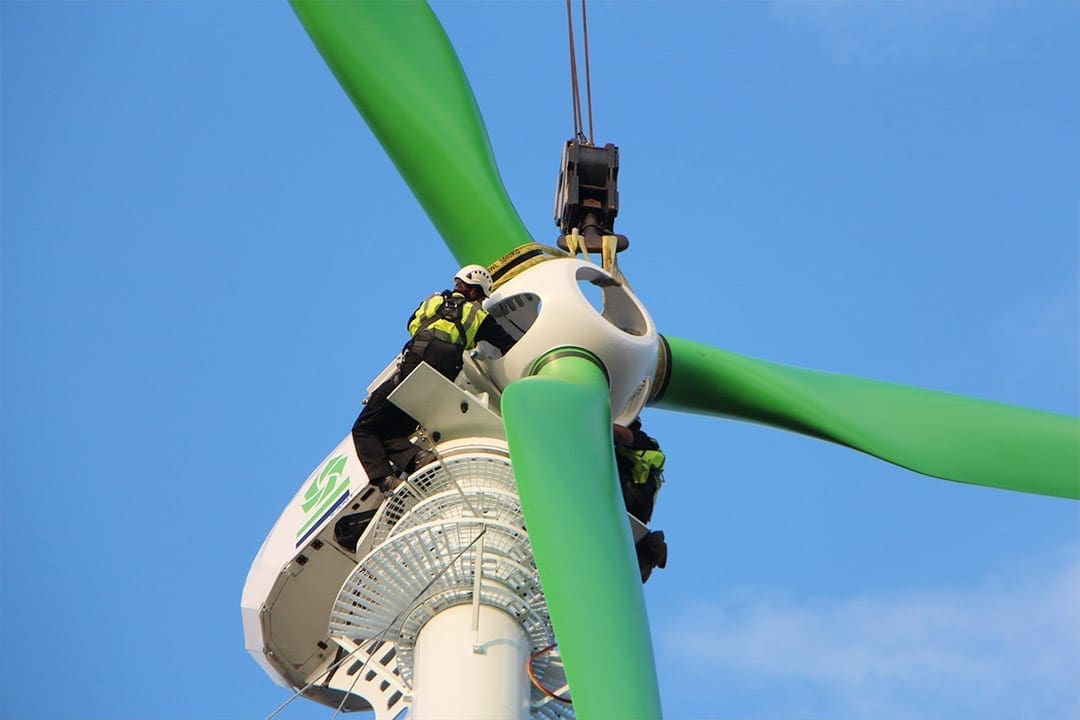
Sites averaging 4.5 m/s to 5.0 m/s at hub height (typically 12m to 30m tower height) yield excellent economic returns. Many regions in Uzbekistan—such as the Kyzylkum desert, the open steppes of Karakalpakstan, and mountain passes in Jizzakh—consistently exceed 5.5 m/s to 7.0 m/s average annual wind speeds. Our direct-drive turbines feature low cut-in speeds of 2.0 m/s, ensuring generation even during light breeze conditions.
Solar energy is abundant in Uzbekistan during daylight hours, but solar production drops to zero at night and degrades significantly during winter dust hazes. Wind turbines generate power 24/7, capturing strong nighttime thermal breezes when livestock ventilation and water pumping demands remain high. Furthermore, wind turbines occupy a tiny ground footprint (single monopole foundation), leaving surrounding land free for grazing or crop cultivation. Combining solar and wind into a hybrid WS²+ system delivers the ultimate 100% reliable off-grid microgrid.
Under current Uzbek renewable energy promotion decrees, equipment categorized under certified green energy generation hardware qualifies for zero-rate import customs duties. As experienced exporters, we supply all necessary Certificate of Origin (Form CT-1 / Form A), CE compliance certificates, and technical datasheets required by Uzbek customs agencies (*Davlat bojxona qo'mitasi*) for seamless clearance.
Yes. Our wind systems exported to Central Asia are custom-hardened. Generators feature IP67 dust-tight seals, sealed zero-maintenance bearings, cold-weather synthetic lubricants rated down to -40°C, and aerodynamic electromagnetic brake protection against destructive storm gusts (>45 m/s).
Because our systems utilize Direct-Drive Permanent Magnet Generator (PMG) technology, there are no mechanical gearboxes or gear oils to maintain. Recommended routine maintenance consists of a simple annual physical inspection of guy wire tension (for lattice/guyed towers), visual blade checks, and electrical connection tightening.
Speak directly with our renewable energy engineering directors. We provide complimentary site wind assessment, hybrid microgrid topology design, and detailed export pricing for the Uzbekistan market.
