From micro wind backup platforms to utility-interconnected 90kW industrial turbines, examine our EPRA-ready generator range engineered for East African wind regimes.
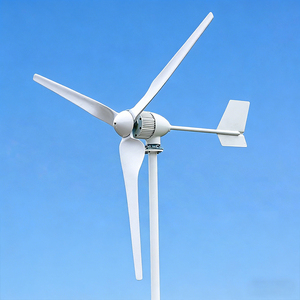
Compact low cut-in 1kW rooftop wind generator system designed for residential backup, eco-lodges, and rural electrification across Rift Valley regions.
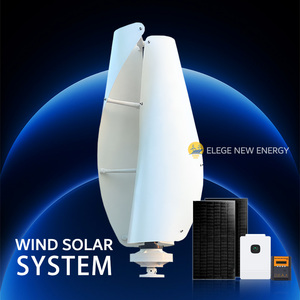
Omnidirectional vertical axis micro wind generator paired with high-efficiency MPPT charge controllers for urban rooftops, telecommunications, and farming estates.
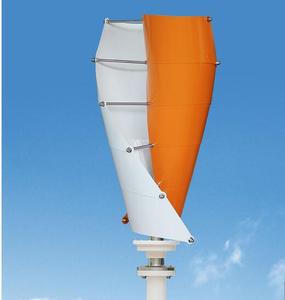
Lightweight micro-vertical turbine kit ideal for hybrid solar street lighting, agricultural monitoring sensors, and small battery trickle-charging.
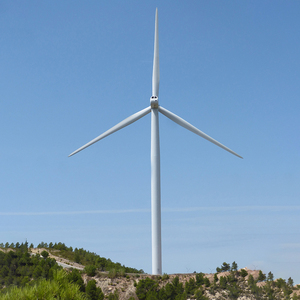
High-durability outdoor micro-power wind module engineered for scientific instrumentation, remote IoT agricultural telemetry, and educational kits.
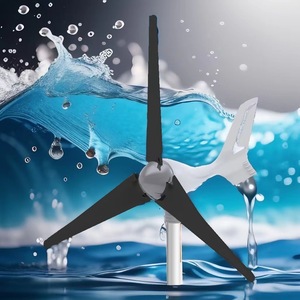
Aerodynamically optimized 400W horizontal wind generator engineered for security surveillance towers, solar-wind streetlamps, and remote perimeter power.
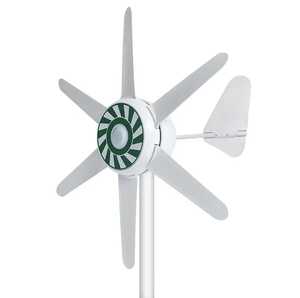
All-in-one low-voltage direct current micro turbine with integrated internal rectification; ideal for compact off-grid battery maintenance in East Africa.
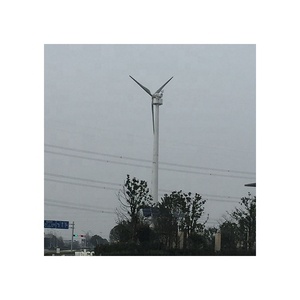
Robust 5000W commercial grade wind power platform built for tea estates, flower farms in Naivasha, commercial workshops, and mini-grids.
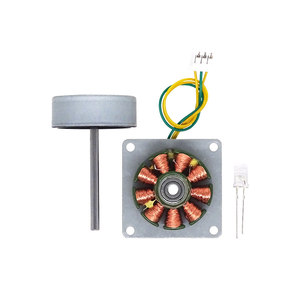
Ultra-low startup torque three-phase generator motor unit designed for customized localized energy harvesting, low-voltage educational set-ups, and specialized micro-hydro/wind installations.
A technical guide for commercial facility managers, agricultural directors, and grid developers across East Africa.
Industrial enterprises operating within Kenya face dual energy challenges: elevated commercial utility tariffs charged by Kenya Power (KPLC) and frequent voltage fluctuations across regional grid corridors. For high-baseload operations—such as horticultural cold storage in Naivasha, tea processing facilities in Kericho, cement production in Athi River, and textile mills in Eldoret—relying solely on grid power or diesel gensets erodes operating margins.
While commercial rooftop solar PV has seen widespread adoption across Nairobi and the broader East African market, solar energy production exhibits an inherently diurnal profile that drops to zero during nighttime operating shifts. Industrial wind turbine solutions bridge this critical energy deficit by tapping into nocturnal wind resources driven by regional thermal gradients in regions such as the Great Rift Valley, Marsabit, Turkana, Machakos, and the Coastal wind corridor.
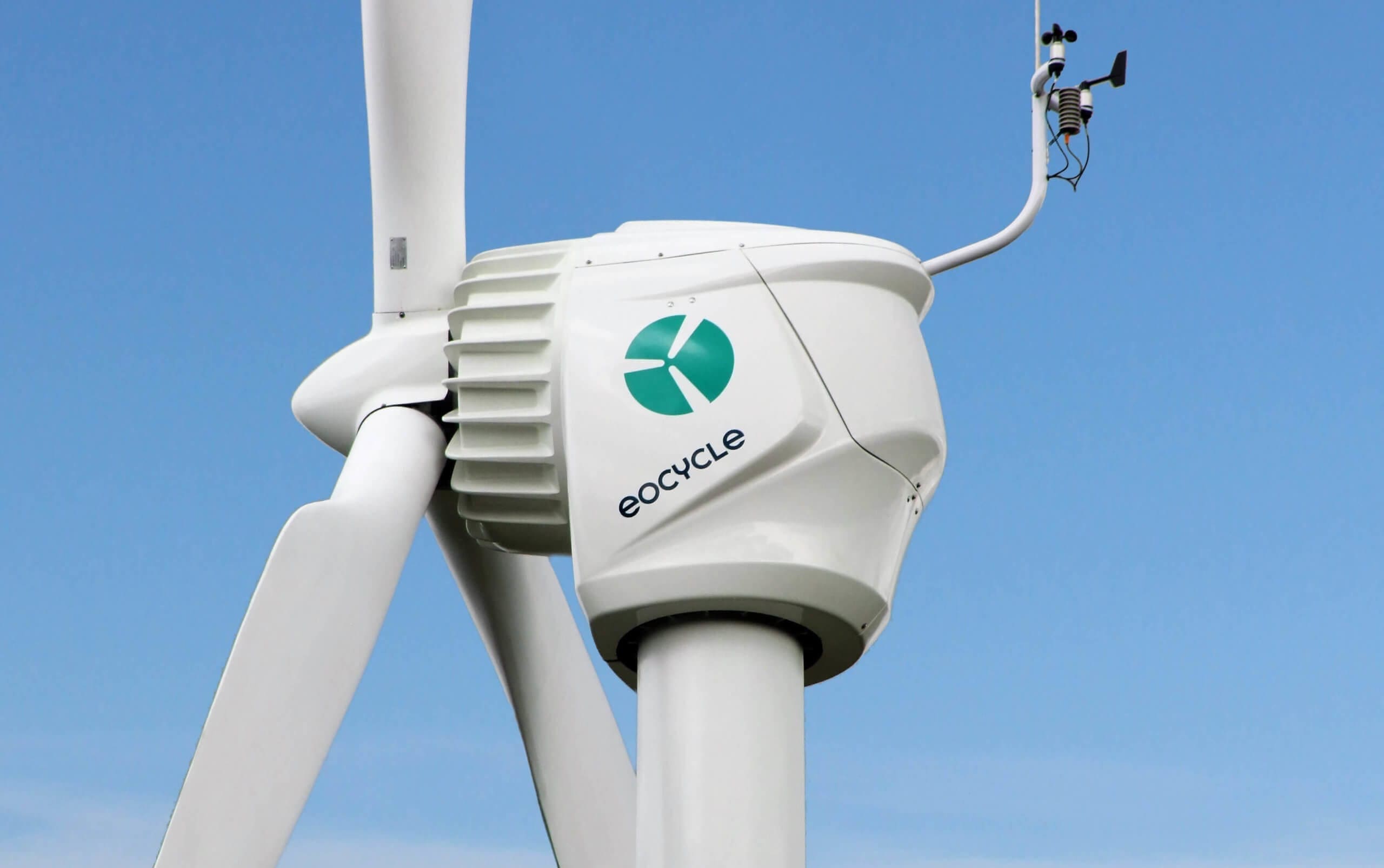
Understanding the mechanical architecture required to survive East Africa’s severe environmental stressors, dust fine particles, and intense wind shear.
Traditional wind turbines rely on complex high-speed gearboxes to step up rotor shaft revolutions. In sandy or dusty locations like Marsabit and northern Kenya, fine particulate ingress causes catastrophic gear tooth pitting and bearing degradation. Our direct-drive system connects the rotor directly to a multi-pole synchronous permanent magnet generator, eliminating gearboxes entirely.
By mounting our aerodynamic rotors on tall free-standing or guyed monopoles (typically 30m to 36m hub height), our turbines bypass ground-level thermal turbulence caused by farm buildings and trees. Low cut-in speeds (starting at 2.5 m/s to 3.0 m/s) ensure continuous power generation even during moderate wind conditions.
Every industrial unit comes standard with an integrated IoT SCADA interface. Real-time data streaming continuously monitors bearing temperatures, voltage outputs, rotor speeds, and vibration spectra. Maintenance teams receive automated alerts before minor anomalies cause operational downtime, maintaining fleet availability above 98%.
| Engineering Specification | Legacy Gearbox Turbines | Eocycle Direct-Drive PMG Platform | Impact on Kenya Industrial Operators |
|---|---|---|---|
| Mechanical Drivetrain | Multi-stage planetary gear system | Direct-drive gearless permanent magnet generator | Eliminates 70% of moving parts; zero gear oil changes required. |
| Annual Maintenance Requirement | Bi-annual fluid changes & mechanical overhauls | Single annual visual inspection & grease service | Substantially lower O&M overheads in remote regions like Turkana. |
| Grid Power Quality Compliance | Variable frequency without full conversion | Full back-to-back converter integration | Strict compliance with EPRA grid codes and KPLC connection standards. |
| Design Life Span | 15 to 20 years (gearbox replacement at yr 8) | 30 years continuous duty cycle | Extends asset depreciation timeline and maximizes cumulative return on investment. |
| Low Wind Speed Yield | High mechanical drag requires >4.0 m/s cut-in | Low-torque magnetic flux starting at 2.5 m/s | Generates significant additional power during low-wind transitional periods. |
Examining operational integration profiles within commercial agriculture, industrial parks, remote microgrids, and cold-chain logistics.

Kenya's horticulture and floriculture exports—centered around Lake Naivasha, Mount Kenya, and Nakuru—require uninterrupted power for greenhouse climate control, drip irrigation pumps, and cold storage packs. Power outages lead to product spoilage and massive export losses.
By installing on-site 25kW to 90kW direct-drive industrial wind turbines, agricultural enterprises utilize their open land surrounding greenhouse infrastructure without sacrificing crop acreage. The wind turbine’s small base footprint leaves 99% of land usable for farming, while power output directly feeds pump motors and refrigeration chillers behind the KPLC utility meter.
Along the Nairobi-Mombasa highway, Athi River Special Economic Zone (SEZ), and Thika industrial corridor, manufacturing facilities operate continuous production lines where electrical demand charges contribute up to 35% of operational expense. Industrial wind solutions allow plant engineers to offset expensive peak demand tariffs.
Integrated with corporate building management systems (BMS), distributed wind turbines supply grid-compliant electricity that decreases grid demand during high-rate windows, fulfilling corporate sustainability and ESG targets required by international export buyers.
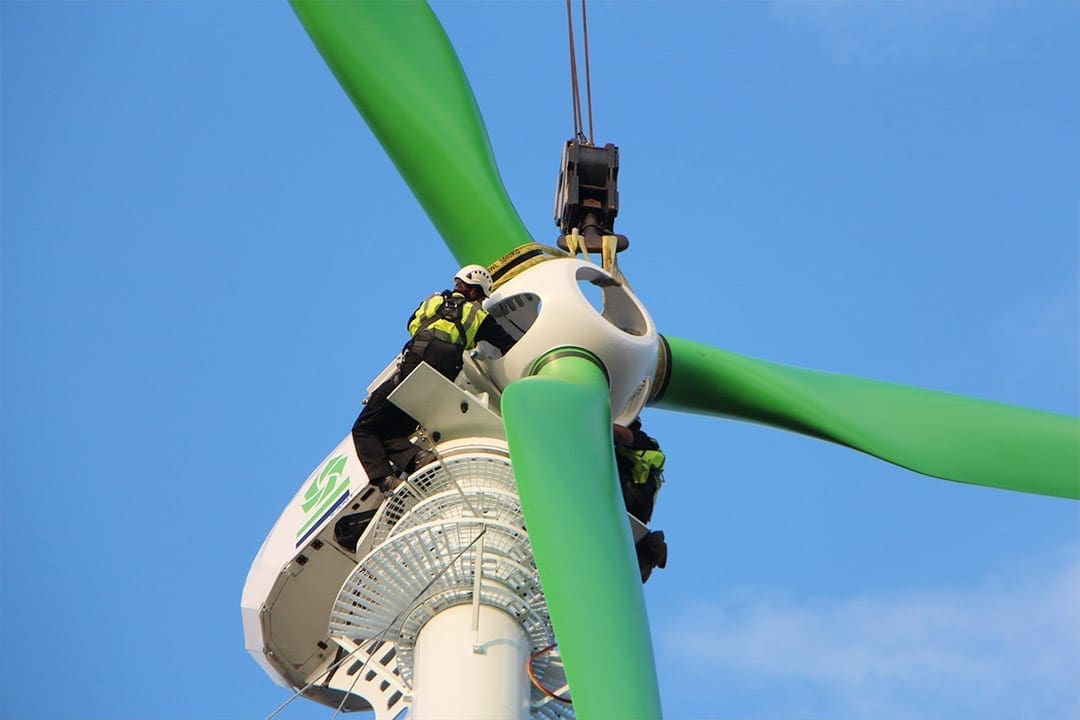
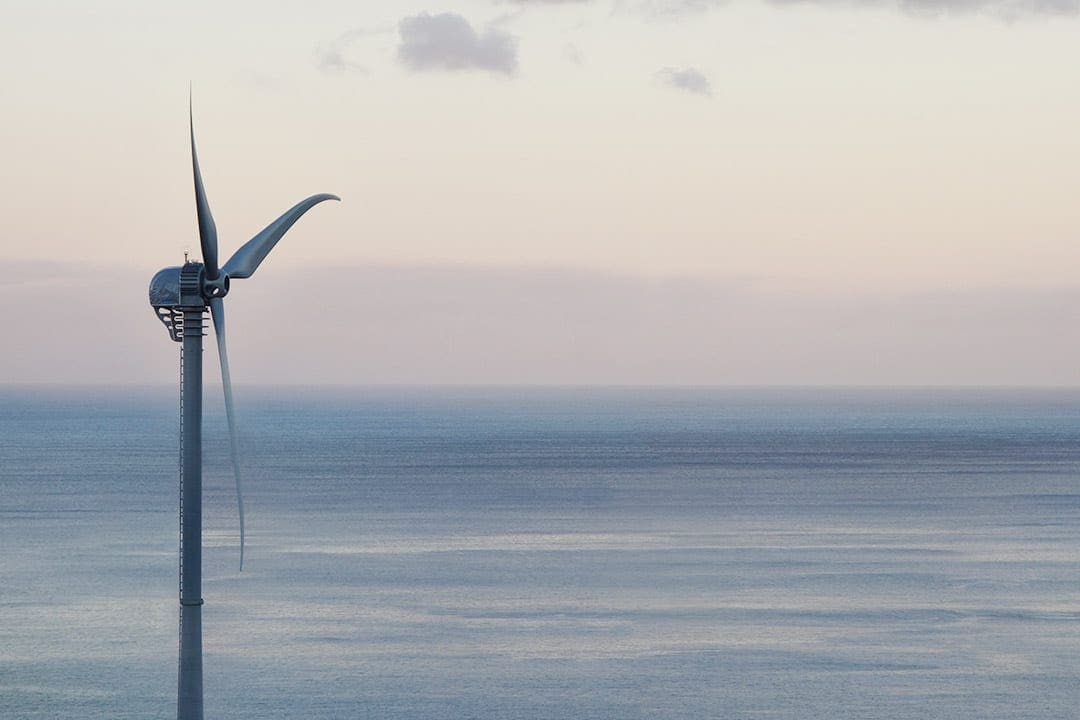
In rural counties such as Marsabit, Mandera, Samburu, and Turkana, expanding the national electrical grid is economically unfeasible. Off-grid communities, mining camps, eco-resorts, and mobile network operator (MNO) telecom towers historically relied on costly diesel fuel logistics.
Our hybrid platform (EOX WS²+) integrates direct-drive wind turbines with photovoltaic solar panels and lithium-iron-phosphate (LFP) battery storage under an AI-managed microgrid energy controller. This hybrid configuration achieves up to 90% diesel generator displacement, providing reliable, automated energy independence in isolated locations.
Over two decades of pioneer engineering in gearless wind turbine technology, delivering turnkey reliability worldwide.
We do not merely supply machinery; we manage the entire project lifecycle. From initial site wind anemometer resource assessments and load profile analysis to EPRA permitting assistance, foundation engineering, erection, grid connection, and 30-year operational maintenance.
Our turbines undergo rigorous certification under IEC 61400-2 safety and performance standards. Engineered in North America and deployed internationally across Europe, North America, and Africa, our machines thrive in high-heat and high-salinity coastal environments alike.
By substituting utility consumption with on-site wind generation, commercial clients typically realize full capital payback within 4 to 7 years (depending on wind speeds and grid tariffs). Over the remaining asset lifetime, electricity is generated at near-zero marginal cost.
Essential technical, regulatory, and operational answers for commercial wind procurement in East Africa.
Send our engineering team your site location (GPS coordinates) and 12 months of electricity bills. We will provide a comprehensive Wind Feasibility Assessment and Financial Payback Model—completely free of charge.
