Advanced aerodynamic solutions designed for zero-gearbox maintenance, low cut-in wind sensitivity, and severe tropical marine atmospheric protection across Peninsular and East Malaysia.
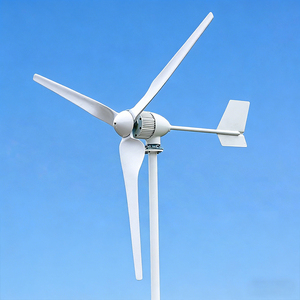
Engineered for lightweight rooftop deployment on industrial control hubs, agricultural quarters, and telecom sheds with minimal structural vibration.
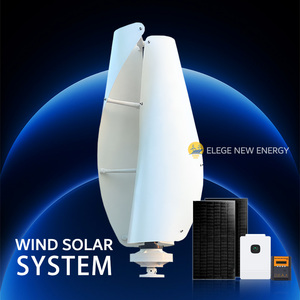
Omnidirectional vertical-axis rotor utilizing intelligent MPPT charge control. Perfect for turbulent, low-altitude airflow in urban industrial zones.
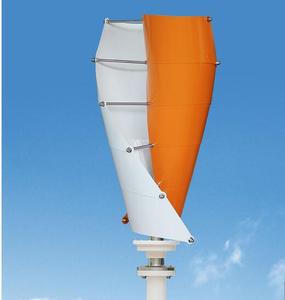
Compact off-grid energy harvester built for remote environmental telemetry, oil palm estate monitoring sensors, and auxiliary signal loads.
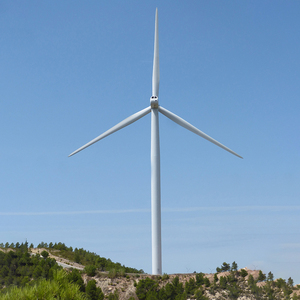
Ultra-low-power micro turbine module engineered for extreme continuous operation, powering localized industrial sensors and pipeline indicators.
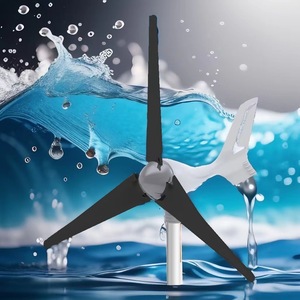
Aerodynamically optimized horizontal generator tailored for industrial facility perimeter solar-wind streetlights and CCTV power backup systems.
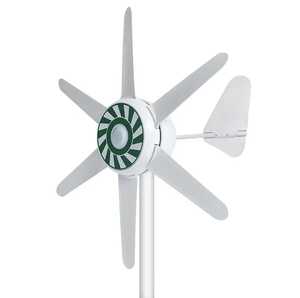
Self-contained micro generation system featuring direct 12V/24V DC battery charging for maritime buoys and coastal monitoring posts.
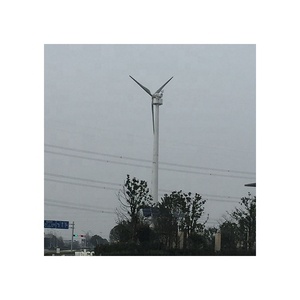
Commercial-grade 3-blade industrial turbine platform engineered for palm oil processing mills, aquaculture pond aeration, and resort microgrids.

Low-voltage OEM micro generation module engineered for specialized industrial machinery energy recovery, testbeds, and custom micro-turbines.
Combining Canadian gearless permanent magnet drivetrain innovation with localized turnkey engineering across ASEAN industrial ecosystems.
Traditional industrial wind turbines fail in tropical climates due to high ambient humidity, heat, and gearbox oil breakdown. Our direct-drive permanent magnet generators (PMG) completely eliminate mechanical gearboxes, removing up to 60% of moving friction points for unexcelled continuous uptime.
Built specifically for coastal Malaysian installation sites (such as Kertih, Pasir Gudang, and Miri), all nacelles, towers, and fasteners are treated with hot-dip galvanization, polyurethane fluorocarbon topcoats, and sealed electronics to withstand aggressive salt spray and high humidity.
We take complete accountability: from high-resolution micro-siting LiDAR wind assessments and Tenaga Nasional Berhad (TNB) grid compliance studies to Suruhanjaya Tenaga (ST) filings, civil foundations, tower installation, and final commissioning.
Every industrial turbine is outfitted with IoT telematics streaming continuous electrical parameters, rotor speeds, bearing temperatures, and vibration spectrums to our central cloud portal, enabling proactive maintenance before downtime occurs.
Recognizing Malaysia’s localized wind regime (average wind speeds between 3.5 m/s to 6.5 m/s), our custom carbon-glass composite blades feature high-lift, low-drag airfoils engineered to harvest maximum kinetic energy at low wind velocities.
By locking in clean energy generation costs over a 30-year operational horizon, Malaysian industrial operators hedge against rising utility tariffs while achieving auditable Scope 2 decarbonization metrics required for EU/US exports.
Strategic distributed energy integration engineered specifically for Malaysia's major economic sectors and geographic terrain.
Palm oil mills operating in remote areas of Sabah, Sarawak, and Pahang require consistent round-the-clock electrification for sterilization, threshing, and effluent treatment processes. While biomass cogeneration handles daytime processing peak loads, distributed wind turbines complement solar PV during night hours and monsoon seasons.
Target Capacity: 5kW to 90kW Direct-Drive Turbines paired with onsite biomass/PV microgrids.
Commercial factories, cold storage hubs, and electronics manufacturing facilities in Selangor, Johor, and Penang face rising TNB electricity tariffs (Medium/High Voltage Commercial Tariffs E1/E2/F). Installing on-site wind energy behind the meter allows plants to directly shave peak demand charges and comply with corporate RE100 commitments.
Target Capacity: 25kW – 90kW M-Series Platforms connected directly to plant distribution panels.
Malaysia's extensive coastline supports major oil & gas marine bases, port facilities, and offshore monitoring stations in Terengganu, Sarawak, and East Coast Corridor. Offshore coastal wind regimes feature consistent 5.5 – 7.5 m/s wind speeds, providing optimal energy yield for marine microturbines equipped with coastal anti-corrosion protection.
Target Capacity: 300W – 5kW Micro Turbines & 25kW Coastal Direct-Drive Units.
Understanding the market forces driving industrial turbine adoption across Peninsular and East Malaysia.
Under Malaysia's National Energy Transition Roadmap (NETR) and the New Industrial Master Plan (NIMP 2030), the government has targeted a 70% renewable energy capacity share by 2050. Industrial manufacturers adopting on-site wind generation leverage tax incentives such as the Green Investment Tax Allowance (GITA) administered by MIDA, allowing 100% allowance against qualifying capital expenditure.
Malaysian exporters in glove manufacturing, semiconductor packaging, and palm oil derivative sectors face increasing scrutiny from European and North American buyers requiring carbon-neutral production. On-site industrial wind turbines provide visible, verifiable physical evidence of clean energy generation that withstands third-party ESG audits.
Because solar power output declines sharply during Malaysia's monsoonal rains (November to March on the East Coast; April to October on the West Coast), relying solely on solar PV leads to power deficits. Integrating micro and industrial wind turbines creates a complementary generation profile, yielding consistent 24-hour baseline power.
A detailed technical comparison illustrating why gearless permanent magnet generator architecture excels in humid tropical conditions.
| Performance Parameter | Eocycle Direct-Drive PMG Platform | Standard Geared Wind Turbines | Malaysian Industrial Benefit |
|---|---|---|---|
| Drivetrain Architecture | Direct-Drive Gearless | Multi-Stage Planetary Gearbox | Zero gearbox oil contamination or mechanical breakdown |
| Fleet Availability Rate | > 98.2% Verified Uptime | 88.0% – 92.0% Average | Continuous operation during critical manufacturing cycles |
| Scheduled Maintenance | Annual Electrical & Structural Inspection | Bi-annual Oil Replacement & Gear Checks | Dramatically reduced maintenance overhead in rural Sabah/Sarawak |
| Cut-in Wind Sensitivity | 2.0 m/s – 2.5 m/s | 3.5 m/s – 4.0 m/s | Generates energy under light tropical breezes common in interior Malaysia |
| Corrosion Protection | C5-M Heavy Coastal Marine Rating | Standard Industrial C3 Paint | Protects against coastal salt air in Kertih, Pasir Gudang, and Miri |
| Design Service Life | 30-Year Rated Horizon | 15 – 20 Years | Longer amortization period yielding lower Levelized Cost of Energy (LCOE) |
Direct answers from our engineering team regarding regulatory approvals, wind resources, and grid connection in Malaysia.
Yes. While Peninsular Malaysia experiences moderate average ground wind speeds, elevated wind speeds at tower hub heights (30m to 36m) frequently reach 4.5 m/s to 6.5 m/s, particularly along coastal corridors (Kuantan, Mersing, Terengganu), island microgrids, and elevated agricultural terrain in Sabah/Sarawak. Our turbines feature large rotor-to-generator ratios specifically designed to convert light-to-moderate tropical winds into substantial MWh annual yields.
For grid-connected industrial systems, projects fall under the Self-Consumption (SELCO) or Net Energy Metering (NEM 3.0 Nova) frameworks managed by the Energy Commission (Suruhanjaya Tenaga) and Tenaga Nasional Berhad (TNB). Our turnkey engineering services manage the complete process: submitting Power System Studies (PSS), protective relay setting calculations, and obtaining ST Generation Licenses for systems exceeding specified kilowatt thresholds.
Malaysia experiences high lightning flash densities. Our industrial turbines are built with integrated copper lightning protection paths running from the blade tips through the nacelle frame directly to an engineered ground earthing grid (< 10 Ohms). Additionally, automated aerodynamic blade pitching and fail-safe disk brakes safely lock the rotor during extreme typhoon or monsoon wind gusts exceeding 25 m/s.
Absolutly. Hybrid Wind-Solar-Storage systems (such as our EOX WS²+ platform) represent the optimal configuration for Malaysian industrial sites. Wind and solar profiles are complementary: solar generates peak energy during sunny midday hours, while wind turbines generate during overcast monsoon days, tropical rain events, and throughout the night, feeding a balanced load curve into your plant distribution panel.
We operate with certified regional engineering partners across Malaysia. Because our direct-drive permanent magnet architecture removes complex gearboxes, routine maintenance is simplified to annual mechanical fastener torquing, electrical contact checks, and sensor calibration. Real-time SCADA telemetry continuously alerts our global and local engineering centers of any operational anomalies prior to service trips.
With TNB commercial tariffs (E1/E2/F) rising alongside potential imbalance cost pass-through (ICPT) surcharges, industrial turbine projects typically achieve full financial payback within 4.0 to 6.2 years. Taking advantage of MIDA's Green Investment Tax Allowance (GITA) further accelerates net positive cash flow, delivering 24+ years of virtually free electricity over the machine's 30-year design life.
Contact our senior engineering team today for a complimentary wind resource assessment, TNB tariff payback modeling, and customized site feasibility analysis.
Contact Us