Deploying high-reliability LiFePO4 battery storage, containerized ESS modules, and hybrid microgrid power units tailored for Uruguay's agricultural and industrial sectors.
Navigating high-penetration renewable grids, behind-the-meter industrial resilience, and grid integration requirements under UTE regulatory standards.
Uruguay stands as a benchmark in Latin America for renewable power generation, frequently drawing over 98% of its national electrical grid supply from clean energy sources, primarily hydro, wind, and utility-scale solar photovoltaic plants. However, this impressive macro-level achievement introduces distinct structural challenges for commercial, industrial, and agricultural electricity consumers across the country. Operating under the oversight of the state utility UTE (Administración Nacional de Usinas y Trasmisiones Eléctricas), commercial enterprises face fluctuating spot tariffs, stringent demand-charge penalties during peak hours, and localized transmission bottlenecks in remote agricultural zones such as Tacuarembó, Salto, and Paysandú.
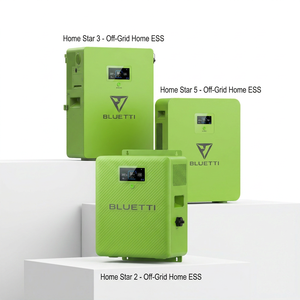
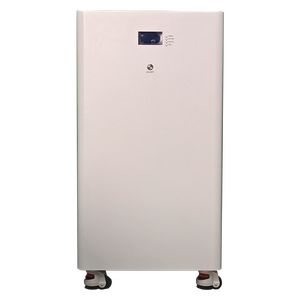
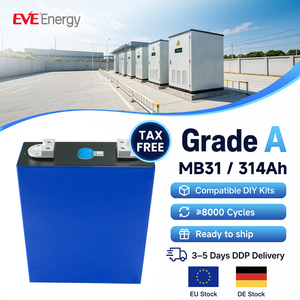
To mitigate grid volatility and eliminate reliance on diesel backup generators during seasonal hydro-droughts, Uruguayan enterprises are rapidly adopting integrated hybrid storage systems (BESS). By coupling high-density Lithium Iron Phosphate (LiFePO4) chemistry with intelligent energy management software (EMS) and complementary generation assets—such as direct-drive small wind turbines and solar PV arrays—businesses can convert intermittent clean power into bankable, dispatchable electricity.
As an established global manufacturer and primary OEM supplier of advanced hybrid storage architectures, our engineering framework solves the technical friction points of deployment in South America: sub-tropical climate humidity, saline coastal exposures near Montevideo and Maldonado, and rigorous grid interconnection requirements.
From rural agro-industrial estancias to urban logistics hubs in Montevideo, our hybrid storage solutions optimize operations nationwide.
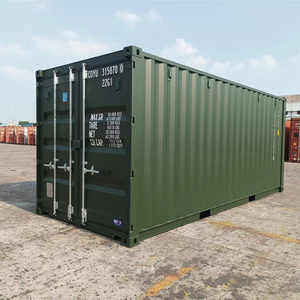
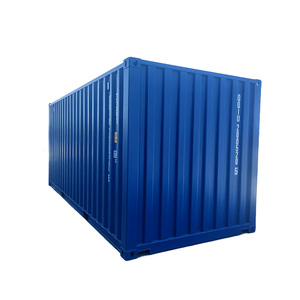
Grain drying, rice milling, and cold-chain meat processing units in central and northern Uruguay experience significant peak tariff penalties. Our containerized 20ft/40ft BESS solutions deliver targeted peak shaving during expensive UTE tariff windows while ensuring uninterruptible power during localized grid dips.
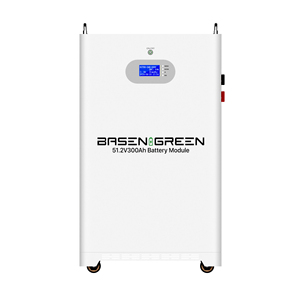
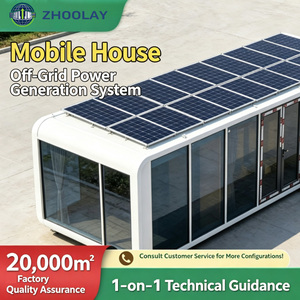
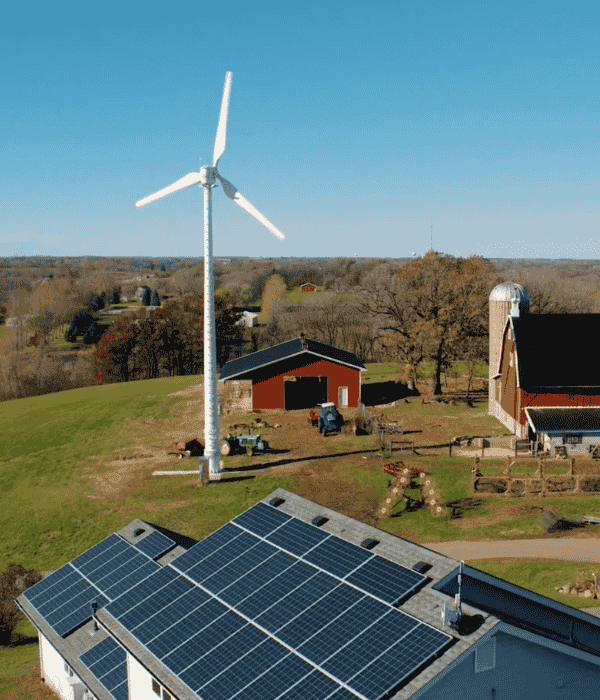
Remote agricultural estates and cattle ranches require continuous, reliable power for automated irrigation, cattle feeding, and living quarters. Integrating Eocycle direct-drive wind turbines with 15kWh to 100kWh LiFePO4 battery banks establishes a self-sustaining microgrid that eliminates expensive diesel trucking.
Refrigerated container (reefer) logistics parks and cold storage facilities around the Port of Montevideo require extreme thermal stability and energy backup. Containerized marine-certified hybrid storage systems deliver seamless millisecond black-start capabilities during utility outages.
Designing hybrid energy storage systems demands more than assembling battery cells in a container. It requires deep electromagnetic design, thermal modeling, active balancing BMS programming, and rugged structural engineering.
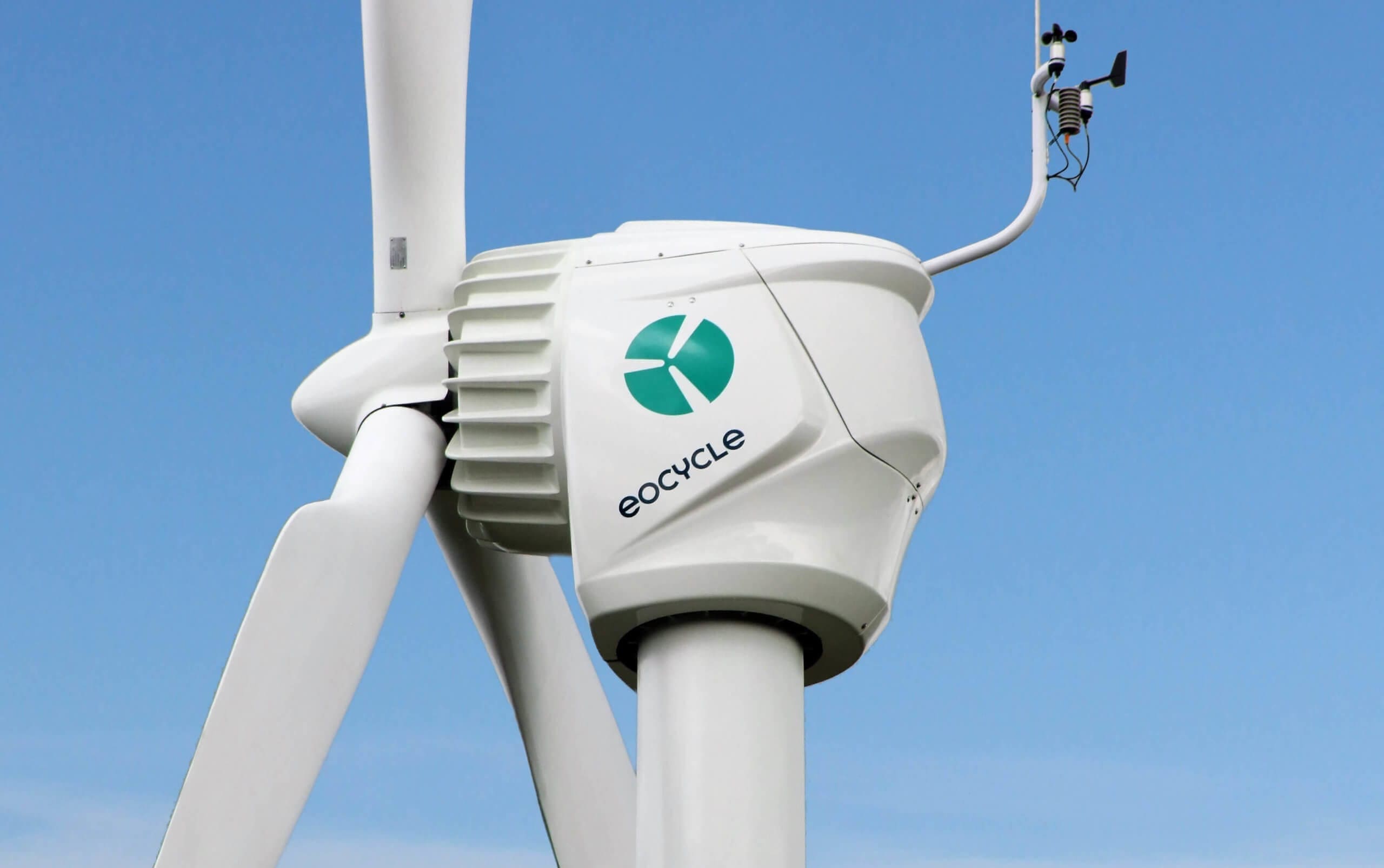
The modern enterprise cannot rely on solar PV alone. Night-time loads, winter cloud cover, and seasonal shifts demand a harmonized generation and storage topology. The EOX WS²+ system aggregates direct-drive wind power, rooftop/ground solar arrays, and LiFePO4 battery banks under a singular AI energy controller.
Our proprietary control algorithms dynamically compute weather forecasts, utility tariff bands, and site consumption patterns to arbitrage energy costs in real time, delivering maximum financial ROI for Uruguayan commercial operators.
Understanding COMAP framework benefits, grid decarbonization phase 2, and localized BESS deployment advantages.
Under the Uruguayan Investment Promotion Law (Ley de Inversiones - COMAP), businesses investing in industrial energy efficiency and energy storage assets can obtain substantial Corporate Income Tax (IRAE) reductions, import tariff exemptions, and VAT rebates, cutting effective project payback periods by up to 40%.
Uruguay is actively pursuing its second energy transition strategy, focusing on heavy transport electrification, green hydrogen production, and behind-the-meter battery storage integration. Purchasing certified OEM hybrid systems positions industrial players ahead of strict Scope 2 supply-chain carbon audits.
With high regional wind and hydro penetration, localized grid frequency micro-swings can disrupt precision industrial manufacturing. Our advanced hybrid inverters offer sub-20ms grid forming, reactive power control (VAR), and frequency stabilization for total plant protection.
Everything you need to know about importing, grid interconnecting, and operating hybrid energy storage systems in Uruguay.
Whether you are engineering a multi-megawatt utility storage tender, upgrading an agricultural estate in Tacuarembó, or seeking reliable OEM white-label BESS manufacturing for South America, our technical team is ready to assist.
