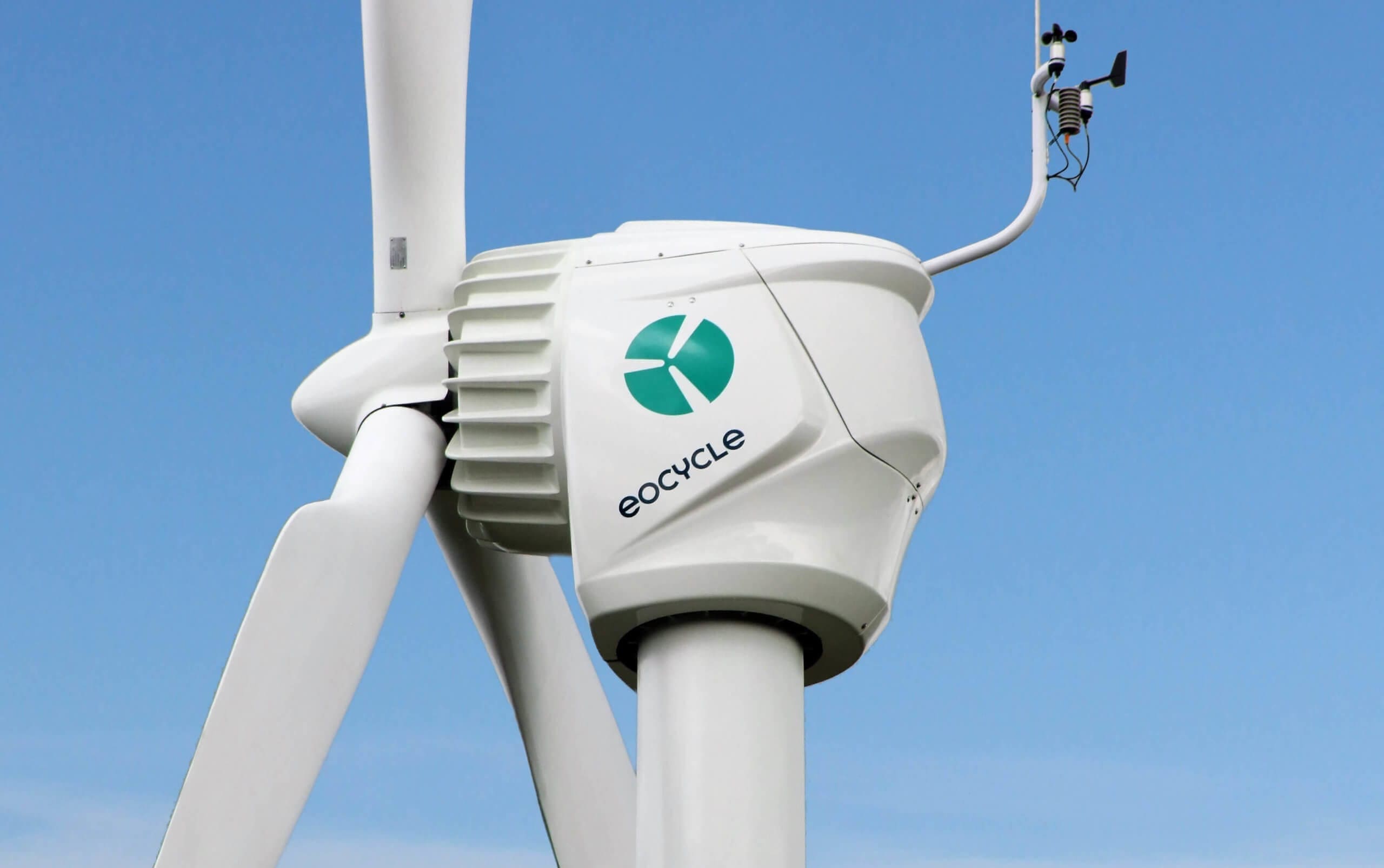
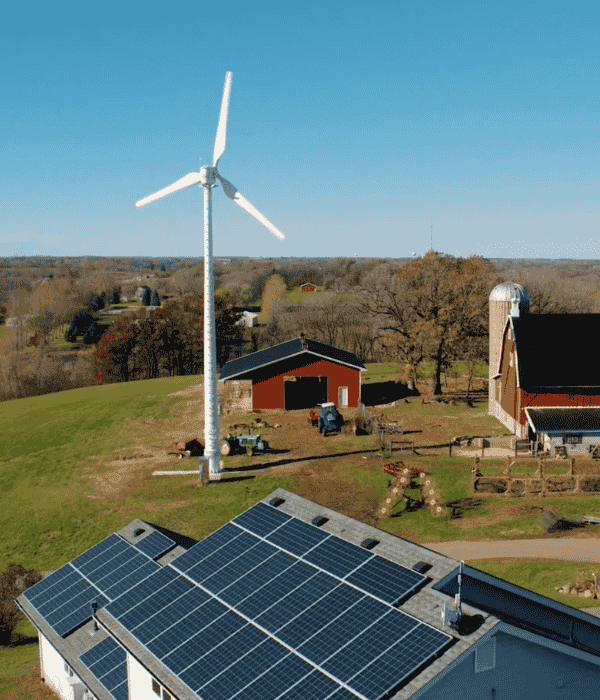
Featured Grid-Tied Wind Turbines & Micro-Power Systems
Engineered for low-wind efficiency, high reliability, and seamless compliance with Czech distribution grid codes (ČEZ Distribuce, EG.D, PREdistribuce).
Residential & Light Commercial
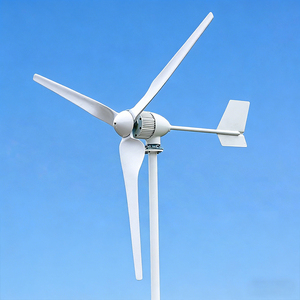
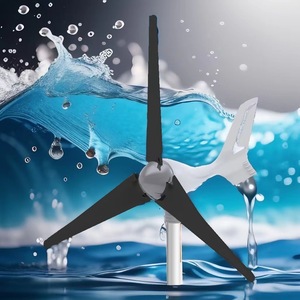
Factory Price Rooftop 1kW Small Wind Turbine for On-Site Energy
Compact low-cut-in rooftop wind generator engineered for micro-grid integration and supplemental farm power.
Get a Quote
Low Noise VAWT
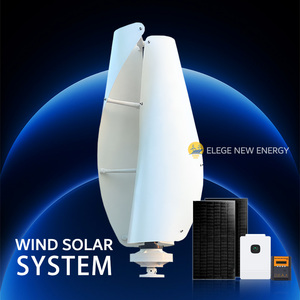
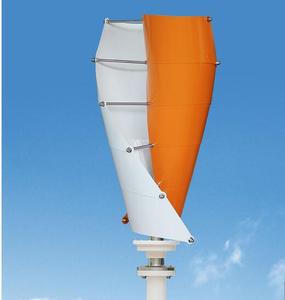
2kW 2000W Vertical Axis Micro Wind Turbine (12V/24V/48V MPPT)
Omnidirectional vertical-axis system with CE & MPPT control, ideal for turbulent inland winds and urban periphery.
Get a Quote
Off-Grid Backup
300W Micro Vertical Wind Generator Kit for Off-Grid Nodes
Ultra-lightweight micro vertical turbine built for localized telemetry, weather stations, and remote grid sensors.
Get a Quote
Telemetry Power
Long Lifespan Outdoor Micro Generator (80mW–100mW Series)
Industrial-grade miniature generator for IoT sensors, agricultural monitoring, and perimeter security grids.
Get a Quote
Solar Hybrid Ready
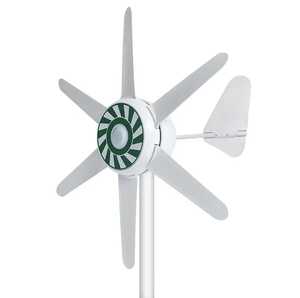
Horizontal Axis Micro Wind Generator 400W 12V for Solar Hybrid
Optimized aerodynamic blade design for street lighting, surveillance power backup, and agricultural fence chargers.
Get a Quote
Integrated Controller
90W Mini Wind Turbine with Built-in Controller (DC 12V/24V)
Compact design featuring plug-and-play internal rectify controller, tailored for extreme weather station reliability.
Get a Quote
Commercial & Ag Power
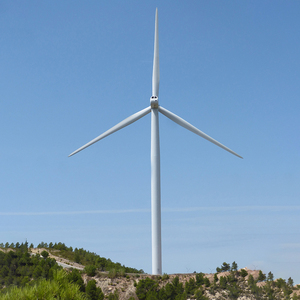
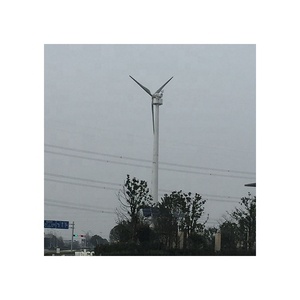
High Efficiency Three Blades 5kW AR6.0 Commercial Wind Turbine
Mid-scale distributed generator featuring automatic tail yawing, high energy yield, and long service lifespan.
Get a Quote
Low Voltage Equipment
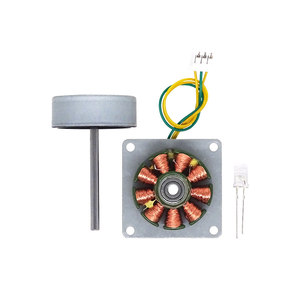
Three-Phase Micro Wind Generator 3V to 24V Low-Power Motor Unit
Permanent magnet alternator component engineered for low-start torque and customized turbine OEM integration.
Get a Quote
2001
Pioneering Wind Technology Since
30 Yrs
Engineered Asset Service Life
98.4%
Verified Fleet Availability
25–90 kW
Mid-Scale Grid Turbines
Strategic Landscape: Distributed Wind Energy & Grid Turbines in the Czech Republic
The Czech Republic is undergoing a profound structural shift in its national energy architecture. As central Europe accelerates decarbonization under the National Energy and Climate Plan (Národní klimaticko-energetický plán - NKEP), industrial enterprises, agricultural cooperatives (zemědělská družstva), and regional microgrids across Bohemia and Moravia face mounting pressure to transition away from coal-heavy centralized utility power.
Historically dominated by large-scale baseload plants, the Czech electricity network is encountering significant capacity bottlenecks. With electricity distribution managed across three primary Regional Distribution System Operators (DSOs)—ČEZ Distribuce (covering northern, central, and western Bohemia), EG.D (member of E.ON Group, serving South Moravia and South Bohemia), and PREdistribuce (servicing Metropolitan Prague)—commercial energy users are turning to behind-the-meter (BTM) distributed wind turbines to bypass grid constraints and hedge against volatile wholesale power tariffs on the OTE (Odtlačení Trhu s Elektřinou) spot exchange.
Addressing the Czech Inland Wind Regime
Unlike coastal regions with high, predictable laminar winds, the Czech Republic possesses a complex inland wind profile. Key wind corridors—such as the Bohemian-Moravian Highlands (Vysočina), the mountain passes of Krušné Hory, the Liberec border area, and parts of the Olomouc Region—exhibit moderate mean annual wind speeds ranging from 4.8 m/s to 6.5 m/s at 30–36 meter hub heights.
Navigating this inland regime requires wind turbine engineering specifically designed for low cut-in speeds (starting at 2.5 m/s) and high aerodynamic torque efficiency. Standard utility-scale mega-turbines often fail economic feasibility in these dispersed sites due to expensive civil works, stringent local height restrictions under the Czech Building Act (Stavební zákon), and complex environmental impact assessments (EIA). Direct-drive mid-scale grid turbines (25 kW to 90 kW) and robust micro-power systems fill this structural gap perfectly.
Localized Application Scenarios in the Czech Market
Tailored distributed energy architecture solving operational challenges for Czech agriculture, manufacturing, and remote infrastructure.
Agricultural Cooperatives & Feedyards
Dairy farms, grain drying silos, and livestock operations across Vysočina and South Moravia demand 24/7 continuous energy. Wind turbines produce heavily during autumn and winter nights—aligning precisely with winter heating, ventilation, and automated milking power peaks when solar PV output drops by over 80%.
Industrial Supply Chains & Automotive Logistics
Manufacturing facilities supplying Skoda Auto and industrial hubs in Pilsen, Ostrava, and Central Bohemia utilize behind-the-meter wind assets to reduce Scope 2 carbon intensity. Integrating 90 kW grid turbines lowers peak demand charges (kapacitní platby) assessed by Czech utilities.
Mountainous Microgrids & Remote Infrastructure
In high-altitude areas like Krkonoše, Šumava, and Jeseníky, grid extension is cost-prohibitive. Off-grid wind-solar hybrid systems combined with battery storage (BESS) replace expensive diesel generators, delivering autonomous power for telecom towers and hospitality lodges.
Integrated Hybrid Solutions: The EOX WS²+ Advantage
A frequent challenge for commercial facilities in the Czech Republic is the seasonal mismatch between energy generation and consumption profile. Solar photovoltaics deliver high yields from May through August but decline sharply during the overcast Central European winter.
Solving Seasonal Intermittency via AI-Managed Hybridization
By coupling direct-drive wind turbines with ground-mounted or rooftop solar arrays and lithium iron phosphate (LFP) energy storage, the EOX WS²+ system creates a complementary 365-day energy profile:
- Winter Wind Surge: Strong cold fronts and high air density across the Czech winter landscape maximize wind turbine output precisely when solar irradiance is lowest.
- AI Energy Management (EMS): Real-time algorithms monitor OTE spot electricity prices, switching between self-consumption, battery charging, and controlled grid export to optimize overall return on investment (ROI).
- Grid Compliance: Smooths power ramp rates to comply with ČEZ and EG.D voltage fluctuation and reactive power injection standards (P-Q control).
Czech Market Trends, Subsidies & Regulatory Shifts
Navigating the procurement of grid-connected wind turbines in the Czech Republic requires a thorough understanding of the evolving legal and financial ecosystem:
1. Modernization Fund (Modernizační fond) & RES Subsidies
Financed through EU Emissions Trading System (ETS) allowance auctions, the Czech Ministry of Environment (MŽP) and the State Environmental Fund (SFŽP) have allocated billions of CZK under programs such as RES+. Commercial entities purchasing renewable assets, including mid-scale wind turbines and battery storage, can access direct capital expenditure subsidies covering up to 30% to 50% of total project costs.
2. Simplified Permitting via Energy Communities (Lex OZE II)
The legislative implementation of Lex OZE II has introduced official frameworks for energy sharing and community energy projects (energetická společenství). Local municipalities and industrial parks can now install shared grid turbines, distributing generated clean kilowatt-hours across multiple consumption points without incurring standard grid transmission tariffs for internal sharing.
3. Grid Balancing & Ancillary Services Market (ČEPS)
With the Czech transmission system operator (ČEPS, a.s.) increasing demand for flexibility and grid balancing services, smart grid turbines equipped with rapid pitch control and battery integration can participate in frequency regulation markets, generating additional revenue streams beyond simple net-metering.
Engineering Architecture Comparison
Why direct-drive permanent magnet generators (PMG) outperform traditional gearboxed turbines in inland Czech operating environments.
| Technical Feature |
Direct-Drive PMG Turbines (Eocycle Technology) |
Conventional Gearbox Wind Turbines |
| Drivetrain Complexity |
Zero Gearbox. Direct magnetic coupling to generator rotor. |
Multi-stage planetary gearboxes with hundreds of moving contact parts. |
| Lubrication & Freezing Risk |
No gear oil required. Immune to Czech winter oil viscosity breakdown (-25°C). |
Requires periodic gear oil changes, oil heaters, and seal replacements. |
| Cut-In Wind Velocity |
Low inertia start (2.5 m/s cut-in), capturing weak inland breeze. |
High mechanical drag requires 3.5 m/s to 4.5 m/s wind to overcome friction. |
| Acoustic Footprint (Hygienic Limits) |
Ultra-quiet slow rotation speed; meets strict Czech 40 dB(A) night limit. |
High-frequency mechanical gear hum often triggers noise complaints. |
| Availability & Maintenance |
98.4%+ uptime. Scheduled service limited to annual mechanical inspection. |
Frequent failure points; gearbox repairs require costly heavy cranes. |
| Service Lifespan |
30-Year engineered structural lifespan. |
15-20 Year typical lifespan, requiring mid-life gearbox overhaul. |
Why Partner With Us: Two Decades of Engineering Excellence
Since 2001, our engineering philosophy has focused on eliminating the single greatest vulnerability of small and medium wind power: mechanical complexity. By pioneering direct-drive permanent magnet generator solutions, we have deployed hundreds of machines globally operating under demanding climate conditions—from frozen Canadian prairies and coastal North Sea winds to inland agricultural regions across Europe.
Turnkey Delivery Model
We manage the entire project lifecycle across the Czech Republic: initial wind resource modeling, land-use zoning, building permits, ČEZ/EG.D grid application, civil foundation installation, crane assembly, grid compliance testing, and long-term O&M.
24/7 SCADA Remote Diagnostics
Every turbine installed in Czechia connects to our proprietary SCADA cloud portal. High-frequency telemetry streams real-time power curves, vibration diagnostics, and temperature sensors to prevent unexpected downtime before it occurs.
Bankable Financial Returns
With an engineered design life of 30 years and predictable, near-zero routine replacement costs, commercial buyers can lock in a levelized cost of energy (LCOE) significantly lower than projected Czech grid retail tariffs.
Frequently Asked Questions (FAQ)
Essential technical, legal, and operational inquiries for purchasing and operating grid-tied wind turbines in the Czech Republic.
What average wind speed is necessary for a grid-tied turbine to be profitable in the Czech Republic?
As a practical benchmark, sites with an average annual wind speed of roughly 4.8 to 5.0 m/s at hub height (30m+) yield strong economic feasibility. Because our direct-drive turbines feature low cut-in speeds (2.5 m/s) and tall towers to elevate rotor blades above tree lines and farm buildings, they capture smooth kinetic energy in moderate wind zones like Vysočina or Central Bohemia. We perform custom wind data modeling using historical Czech Hydrometeorological Institute (ČHMÚ) datasets before any project commitment.
How does the utility grid interconnection process work with ČEZ, EG.D, or PREdistribuce?
Interconnection follows the Czech Distribution Grid Code (Pravidla provozování distribučních soustav - PPDS). An initial reservation application (Žádost o připojení) is submitted to your regional DSO (ČEZ Distribuce, EG.D, or PREdistribuce) to evaluate local low-voltage or medium-voltage transformer headroom. Our engineering team handles all technical filing, electrical single-line diagrams (SLD), protection relay settings, and grid-compliance testing to secure your connection agreement (Smlouva o připojení).
What noise regulations apply to wind turbine installations near Czech residential zones?
In the Czech Republic, wind turbine noise emissions are strictly governed by Public Health Protection Act regulations (hygienické limity hluku). Nighttime noise levels at the boundary of protected residential areas cannot exceed 40 dB(A), and daytime levels must remain below 50 dB(A). Our gearless direct-drive systems eliminate high-pitched gear whine, and aerodynamic blade profiling ensures compliance even at close setback distances.
How do wind turbines handle extreme cold and icing during Czech winter conditions?
Czech winters frequently bring sub-zero temperatures and freezing fog, particularly in mountainous regions like Krušné Hory or Šumava. Traditional wind turbines suffer gear oil freezing and blade icing imbalance. Our direct-drive permanent magnet generators eliminate gear oil completely. Furthermore, smart sensors detect ice buildup, automatically idling the machine during severe icing conditions and restarting safely when meteorological conditions thaw.
Can commercial enterprises secure subsidies under the Czech Modernization Fund (Modernizační fond)?
Yes. Under the RES+ program administered by the State Environmental Fund of the Czech Republic (SFŽP), businesses, agricultural entities, and municipalities can apply for capital grants covering 30% to 50% of eligible expenditures for wind generation and integrated battery storage projects. Our team assists clients with required technical document preparation for grant submissions.
What permits are required under the Czech Building Act (Stavební zákon) for small/medium wind turbines?
Under current Czech spatial planning law, wind turbines require a zoning decision or joint permit (společné územní a stavební řízení). Key documentation includes an environmental evaluation (EIA screening), aviation safety clearing (Civil Aviation Authority - ÚCL), military radar clearance (MO ČR), and structural foundation engineering. We deliver turnkey permitting services to navigate local building office approvals efficiently.
Accelerate Your Energy Independence in the Czech Republic
Send us your site coordinates and one year of electricity utility interval data. Our expert renewable engineers will conduct a comprehensive wind yield calculation and grid feasibility study—100% tailored to your facility.
Get a Quote