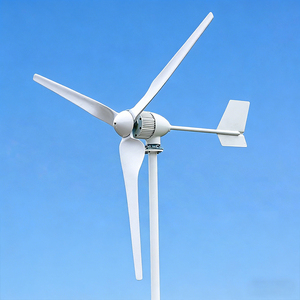
Factory Price Rooftop 1kw Small Wind Turbines for Home Electricity
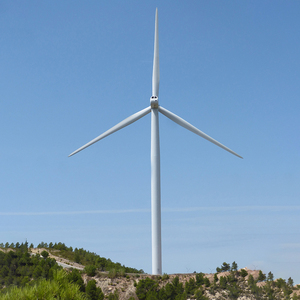
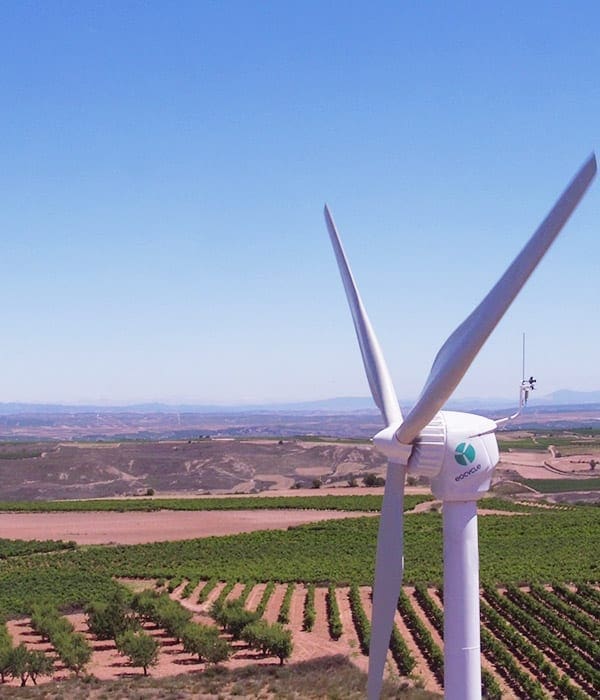
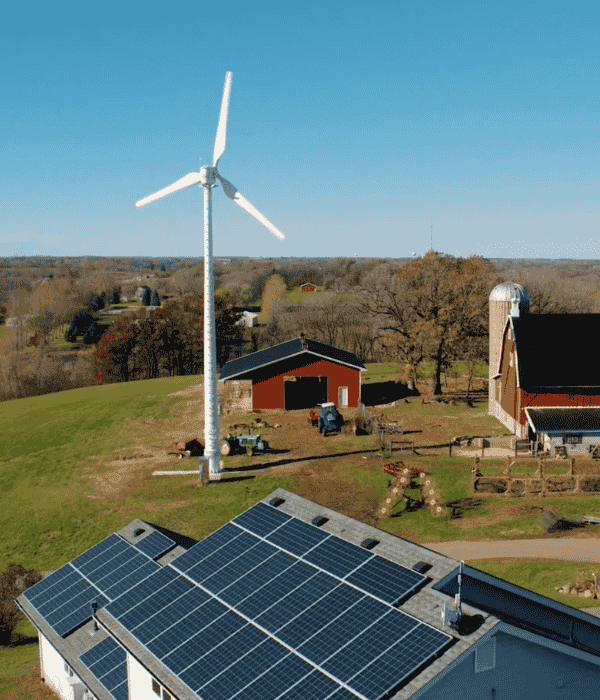
Compact horizontal-axis turbine built for residential farmhouses, agricultural workshops, and rooftop installations with ultra-low vibration mounts.
Send an InquiryEngineered for high power density, ultralow cut-in speeds, and silent operation in urban-fringe agricultural zones, greenhouses, and decentralized utility networks across Greater Tokyo.
Compact horizontal-axis turbine built for residential farmhouses, agricultural workshops, and rooftop installations with ultra-low vibration mounts.
Send an Inquiry
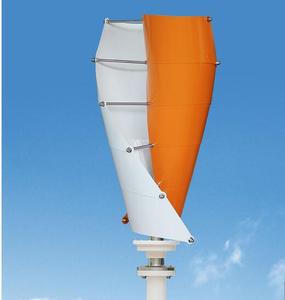
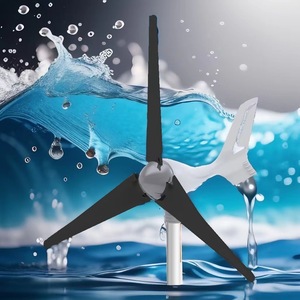
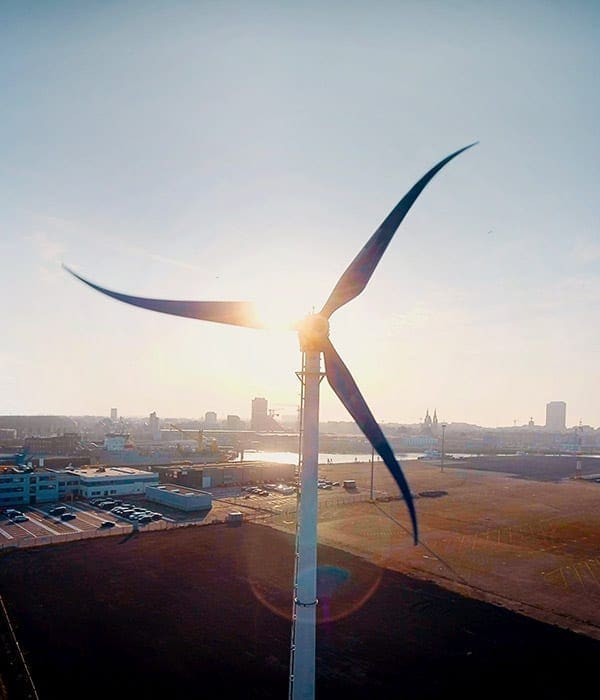
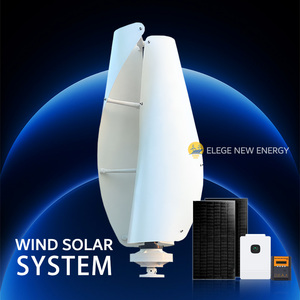
Vertical-axis design optimized for turbulent wind profiles around greenhouse clusters, featuring integrated CE-certified MPPT controllers.
Send an Inquiry
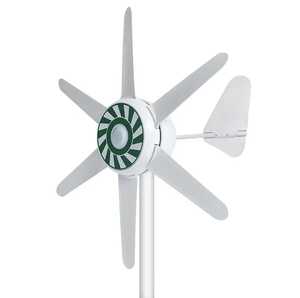
Omnidirectional low-voltage micro generator kit designed for localized farm telemetry, environmental sensors, and remote monitoring stations.
Send an Inquiry
Ultra-durable micro-power turbine engineered for continuous off-grid IoT sensors, automated drip irrigation valves, and weather stations.
Send an Inquiry
High-efficiency aerofoil system optimized for perimeter lighting, security surveillance, and hybrid solar street lamps across agricultural facilities.
Send an Inquiry
Self-contained micro turbine featuring a built-in charge controller for immediate plug-and-play battery maintenance in remote sheds.
Send an Inquiry
Commercial agricultural power generator supplying heavy energy loads for dairy chilling, grain drying, and small-scale cold storage facilities.
Send an Inquiry
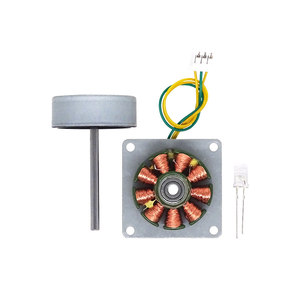
Precision permanent magnet generator core engineered for custom agricultural OEM integration, hydro-wind educational setups, and micro-hydro applications.
Send an InquiryHow distributed wind generation addresses Tokyo's unique land constraints, strict decarbonization mandates, and high grid electricity tariffs.
Agriculture within the Tokyo Metropolitan Area and surrounding Kanto prefectures (Chiba, Saitama, Kanagawa, and Ibaraki) operates under some of the most stringent spatial and economic parameters in the world. High-density hydroponic greenhouses in Western Tokyo (Tama, Hachioji, Tachikawa), commercial nurseries, and coastal aquaculture facilities around Tokyo Bay face extraordinary grid electricity tariffs driven by TEPCO peak demand charges and imported fossil fuel levies.
Furthermore, under the Tokyo Metropolitan Government (TMG) Zero Emission Tokyo Strategy, agricultural enterprises and food-processing supply chains are required to cut Scope 2 carbon emissions by 50% before 2030. While rooftop solar PV has seen adoption, it faces physical limitations: farm building roofs are frequently shaded, structurally unrated for heavy glass panels, or insufficient in surface area to meet 24/7 baseload demands such as refrigeration, heating, ventilation, and automated irrigation.
This creates a vital opening for distributed wind energy solutions. Wind generation provides the highest electricity yield per square meter of ground footprint available in modern clean technology, harvesting strong nocturnal wind resources and winter breezes when solar irradiance drops to annual lows.
Locks in levelized power costs at a fraction of TEPCO commercial tariffs, shielding farm operations from volatile fossil-fuel surcharges for 30 years.
Provides auditable, visible renewable energy generation that helps Tokyo food suppliers win high-value procurement tenders from major supermarket chains.
Generates high power output during nighttime hours and stormy winter months, perfectly matching continuous environmental control loads.
A single wind tower foundation occupies less than 15 m² of ground area, allowing active farming, livestock grazing, or greenhouse cropping right up to the base.
A multi-variable evaluation comparing distributed wind power, rooftop solar PV, and traditional TEPCO grid supply for a standard 100 kW peak agricultural facility in Kanto.
| Evaluation Parameter | Direct-Drive Wind Turbine System | Rooftop Solar PV Array | Standard Grid Supply (TEPCO) |
|---|---|---|---|
| Annual Capacity Factor (Tokyo/Kanto) | 28% – 38% (Height dependent) | 12% – 15% (Daylight limited) | N/A (Grid dependent) |
| Land Footprint Required (per 50kW capacity) | < 15 m² (Single mono-pole base) | 350 m² – 500 m² (Roof/Ground) | 0 m² |
| Nocturnal & Winter Generation Efficiency | Optimal (Peak wind speeds occur at night/winter) | Zero / Low (0% output at night) | Full cost subject to peak rates |
| Typhoon & Wind Resilience (IEC Standards) | Class I Rated (Survives 60–70 m/s gusts with auto-pitch) | Vulnerable to roof uplift & hail damage | Grid blackout risk during major typhoons |
| 30-Year Levelized Cost of Energy (LCOE) | ¥8.5 – ¥12.2 / kWh | ¥11.0 – ¥14.5 / kWh | ¥24.0 – ¥32.0 / kWh (Subject to escalation) |
| Grid Connection Flexibility | Behind-the-meter self-consumption + Battery / FIP | Net metering / Self-consumption | Full utility reliance |
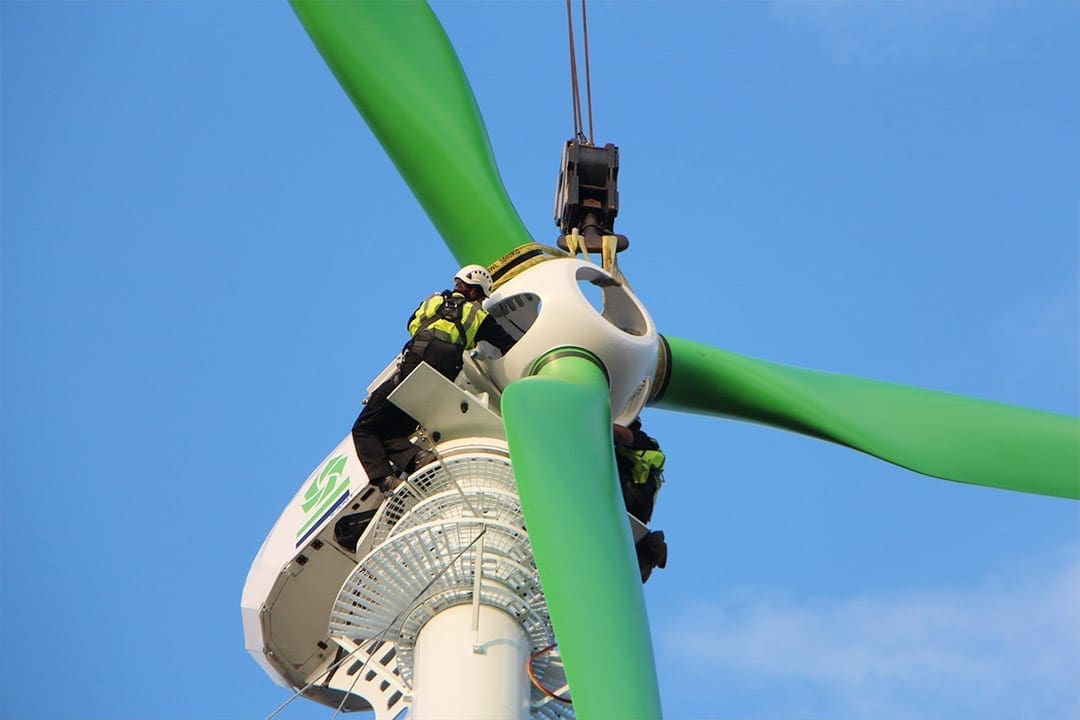
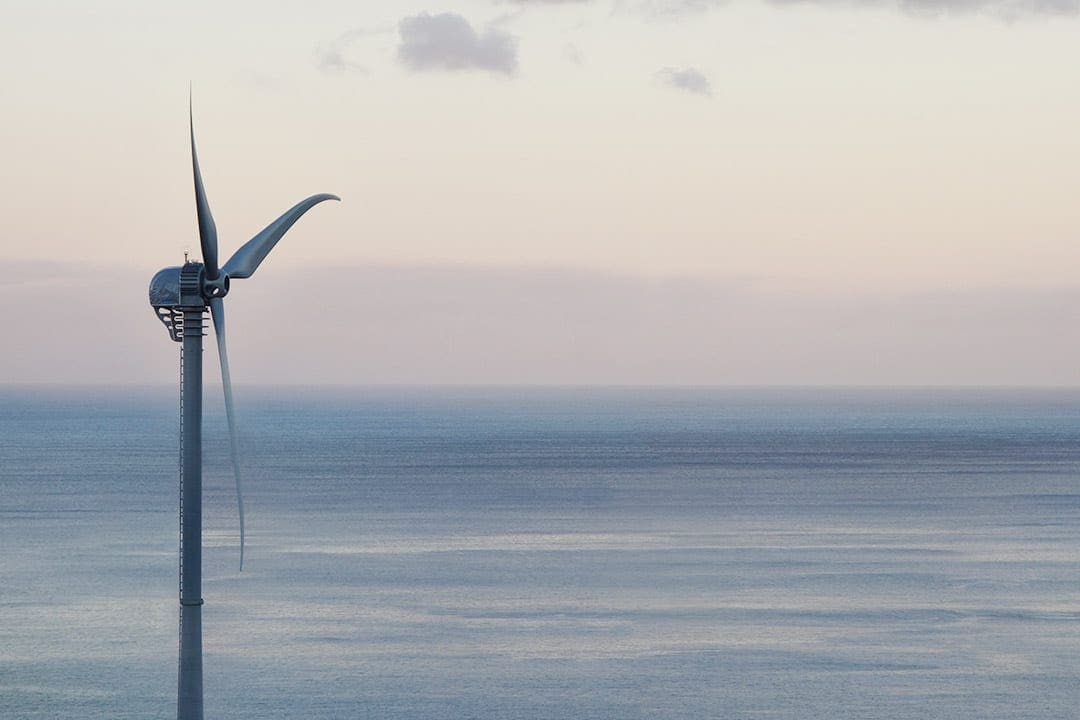
Combining Canadian engineering heritage with specialized manufacturing for demanding offshore, coastal, and agricultural microgrid projects.
Specifically designed for family farms, agricultural packing sheds, and small enterprises consuming 30,000 to 120,000 kWh annually. Features gearless permanent magnet technology to eliminate mechanical maintenance.
Send an Inquiry
Our flagship industrial turbine equipped with a 26-meter rotor diameter. Engineered for commercial feedyards, large hydroponic complexes, and industrial microgrids seeking maximum yield from moderate wind resources.
Send an Inquiry
A complete hybrid energy station combining direct-drive wind power, high-efficiency solar panels, and lithium battery storage orchestrated by an AI energy management controller for total energy independence.
Send an InquiryReal-world integration models tailored to Tokyo’s unique geographical, agricultural, and industrial infrastructure.
Controlled-environment agriculture in locations like Hachioji, Ome, and Machida relies heavily on continuous climate regulation, supplementary LED growth lights, and automated liquid fertilizer pumping. Electricity expenses can exceed 30% of total operational costs.
Processing facilities, seafood refrigeration hubs, and agricultural distribution centers around Tokyo Port, Edogawa, and neighboring Chiba coastal corridors experience consistent coastal wind channels with average speeds exceeding 5.5 m/s.
Tokyo Metropolitan Government oversees outlying islands such as Izu Oshima, Hachijojima, and Miyakejima. These remote communities face extremely high diesel generation costs (exceeding ¥55/kWh) and fuel supply vulnerabilities during sea storms.
Standard commercial wind turbines often fail in East Asia due to two key issues: mechanical gearbox failures under turbulent winds and rotor damage caused by severe summer typhoons. Our export series solves these challenges with two major innovations:
By eliminating high-speed gearboxes and mechanical step-up transmissions, we eliminate the primary point of structural failure. The low-speed Permanent Magnet Synchronous Generator rotates seamlessly, operating without gear oil, mechanical alignment friction, or annual gear overhauls.
When typhoon wind speeds exceed 25 m/s, our intelligent SCADA control automatically pitches the turbine blades out of the wind vector and engages redundant fail-safe electromagnetic disk brakes. The system withstands survival wind speeds up to 70 m/s (Class I extreme gust rating).
Technical guidance covering municipal noise ordinances, grid interconnection with TEPCO, permitting, and operational ROI.
Our direct-drive micro and small wind turbines feature ultra-low cut-in speeds starting at just 1.8 m/s to 2.5 m/s. However, for commercial agricultural viability (yielding a payback period under 5-7 years), a site with an average annual wind speed of 4.5 m/s to 5.0 m/s at hub height (typically 18m to 36m above ground clutter) is recommended. We provide high-resolution GIS wind resource modeling for your specific parcel in Tokyo or Kanto before equipment selection.
Tokyo enforces strict noise limits under the Metropolitan Environmental Protection Ordinance (often capped at 45–50 dB during nighttime in agricultural/residential mixed zones). Our vertical-axis (VAWT) micro turbines and gearless horizontal platforms utilize low-RPM direct-drive generators alongside custom aero-foil blading. Acoustic emissions remain below 42 dB at a 20-meter distance, ensuring full compliance with local municipal noise guidelines.
For behind-the-meter installations, our system integrates via grid-tied smart inverters certified to meet METI (Ministry of Economy, Trade and Industry) technical standards. Surplus energy can either be stored in lithium battery banks, fed into the grid under the Japanese FIP (Feed-in Premium) framework, or regulated via anti-backflow controllers for 100% self-consumption applications.
Every export turbine package destined for Japan includes fully stamped engineering blueprints for reinforced concrete pad or bored pier foundations. Calculations account for local Japanese seismic zone factors (Z-coefficient) and extreme typhoon wind loading, certified to withstand scale 7 earthquakes and Class 1 typhoon forces.
Because our systems utilize a gearless direct-drive architecture, routine maintenance is exceptionally low. Scheduled service consists of an annual physical inspection of structural torque bolts, blade visual checks, and electrical terminal testing. All operational health parameters (vibration, bearing temperature, power curve output) are continuously streamed to our remote SCADA portal for predictive maintenance alert monitoring.
Partner with a global direct-drive small wind manufacturer. Our team provides complete site assessments, localized wind resource mapping, customized OEM system engineering, and direct export delivery to Tokyo and global destinations.
Send an Inquiry