Factory-direct exporter offering CE-certified horizontal and vertical axis micro wind generators, high-efficiency MPPT controllers, and integrated hybrid distributed energy assets tailored for high-density tropical microclimates.
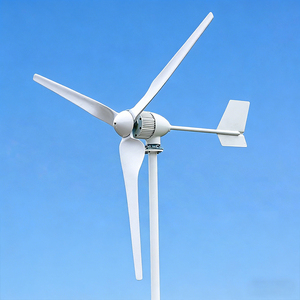
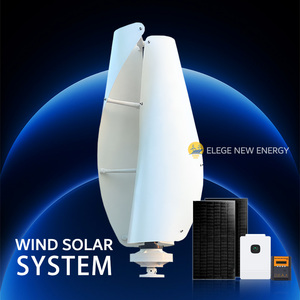
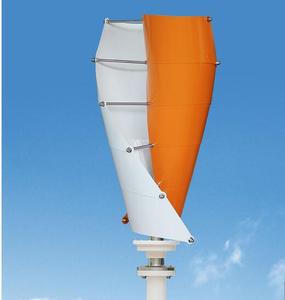
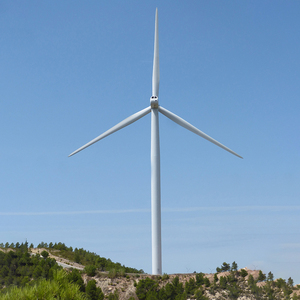
Singapore stands at a pivotal juncture in its national energy architecture. Under the Singapore Green Plan 2030, the island nation has committed to quadrupling solar energy deployment to at least 2 Gigawatt-peak (GWp) by 2030, capping peak carbon emissions, and targeting net-zero by 2050. However, commercial enterprise operators across Jurong Industrial Estate, Tuas Port, and Changi Business Parks face structural physical bottlenecks when relying solely on rooftop photovoltaics (PV).
Electricity tariffs managed under the Energy Market Authority (EMA) Wholesale Market framework display acute price volatility driven by international natural gas import dependencies. Furthermore, Singapore’s progressive carbon tax—escalating from S$25/tonne to S$45/tonne in 2024 and targeting S$50–S$80/tonne by 2030—imposes direct financial costs on Scope 2 indirect emissions for high-energy manufacturers, cold-chain storage logistics, and semiconductor fabrication cleanrooms.
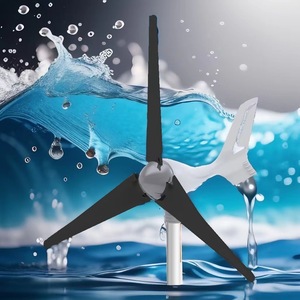
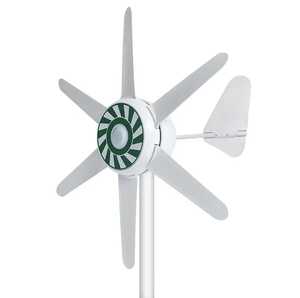
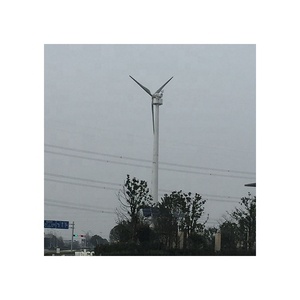
To break through this constraint, international energy solutions factories are exporting advanced micro-wind turbines (ranging from 80W localized sensor pods to 5kW and 90kW industrial platforms) designed to operate synergistically with existing solar arrays. By capturing Singapore’s coastal boundary breeze—amplified along coastal corridors and urban building parapets during both the Northeast Monsoon (December to March) and Southwest Monsoon (June to September)—commercial buyers can establish true round-the-clock on-site clean power baseloads.
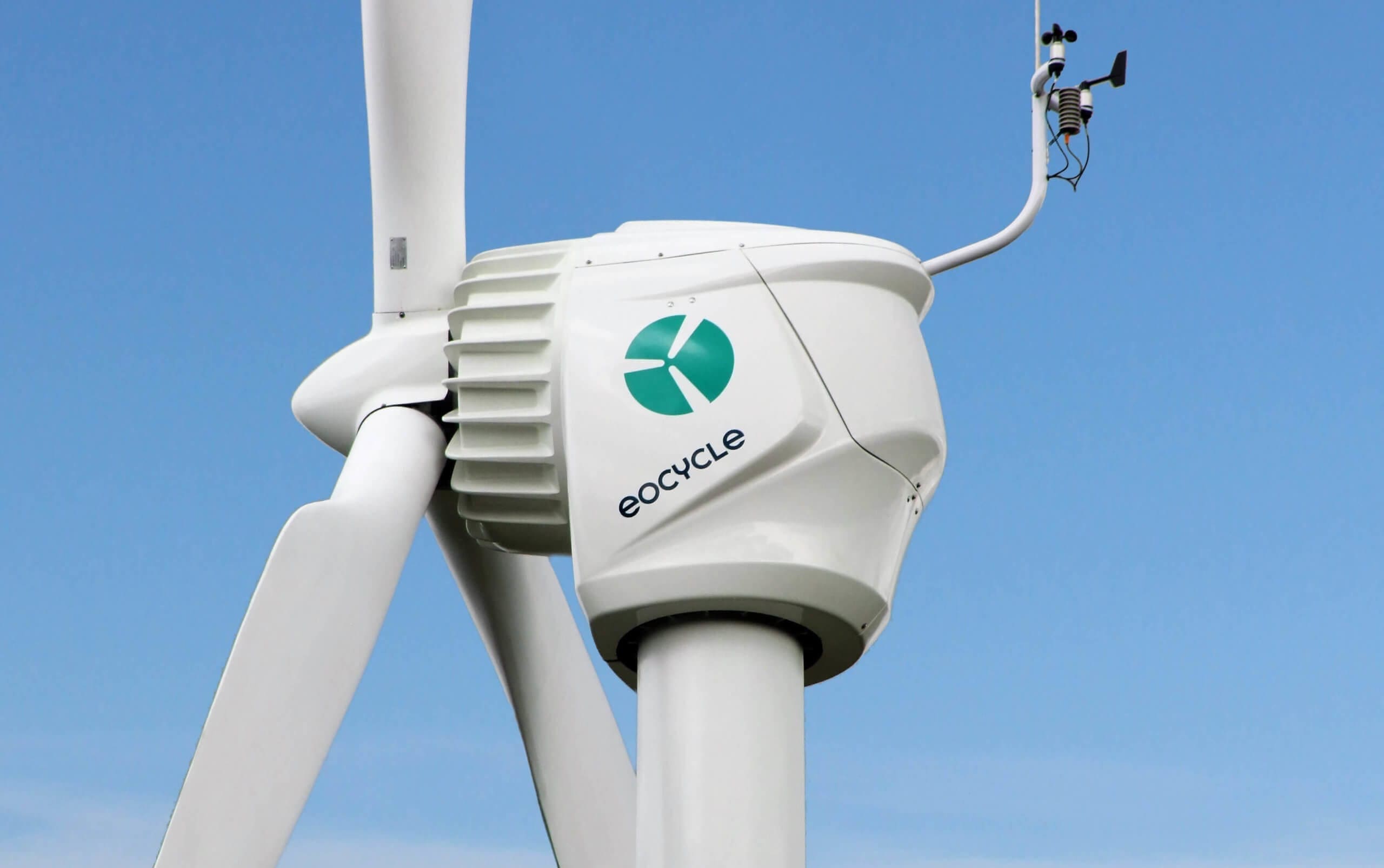
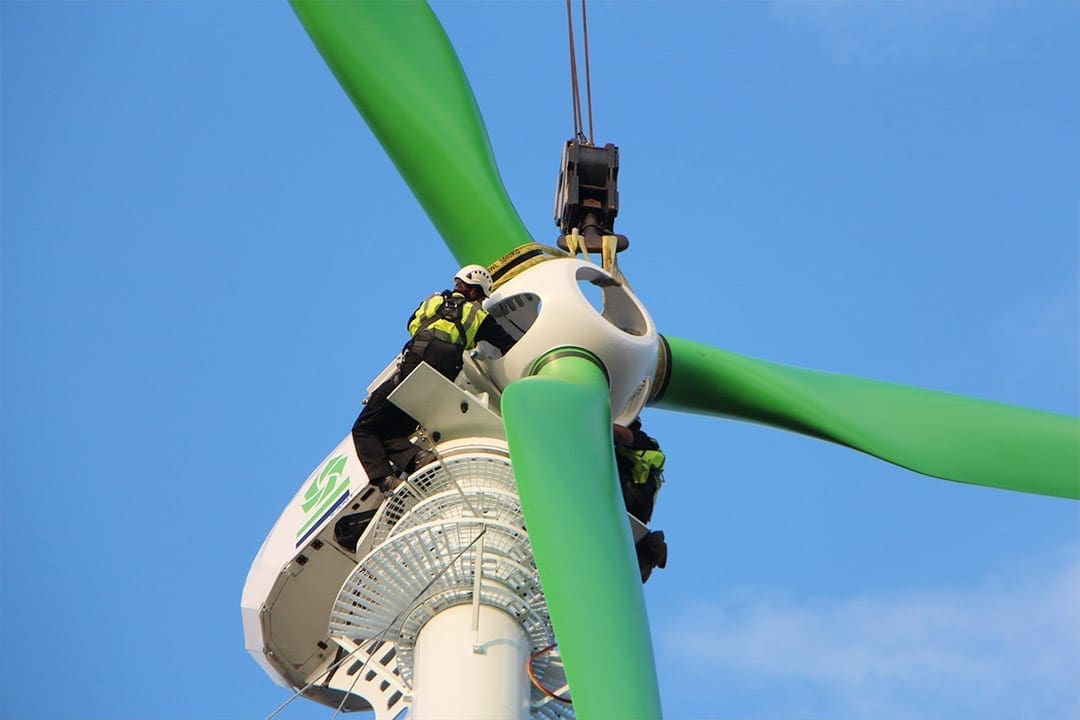
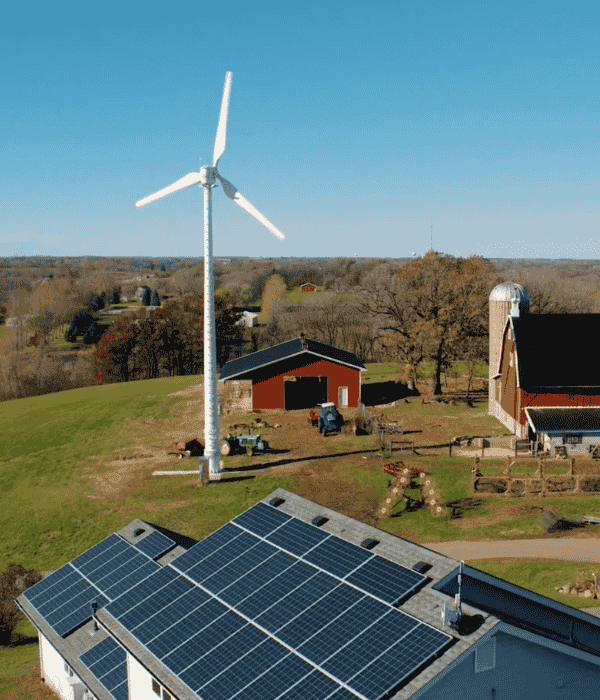
Traditional wind turbines utilize mechanical gearboxes to step up rotational generator speeds. In humid, tropical maritime environments like Singapore, gearbox assemblies represent the single largest failure point due to humidity condensation, gear oil oxidation, and high shear mechanical wear. As a specialized energy solutions factory and exporter, our engineering philosophy eliminates the gearbox entirely.
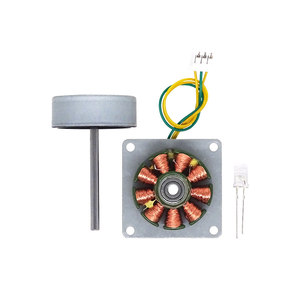
By coupling the aerodynamic rotor directly to a Direct-Drive Permanent Magnet Generator (PMG) utilizing high-grade Neodymium-Iron-Boron (NdFeB) rare-earth magnets, our wind systems achieve unmatched operational reliability:

Eliminating gearboxes removes oil changes, seal replacements, and heat dissipation issues, reducing scheduled field interventions by 80% over a 30-year operational life.

Aerodynamically optimized airfoils and low-cogging generator designs initiate energy generation at wind speeds as low as 1.5 m/s to 2.0 m/s, matching Singapore's light tropical air currents.

High-speed digital signal processor (DSP) controllers continuously adjust electronic load impedance to lock onto maximum efficiency curves across changing wind turbulence gusts.

Vertical-axis helical geometries and direct-drive low RPM rotations keep acoustic signatures below Singapore National Environment Agency (NEA) residential/industrial boundaries.
Tailored micro-grid and behind-the-meter wind energy solutions engineered for Singapore's unique industrial clusters, coastal logistics hubs, and urban smart grids.
Petrochemical refiners, heavy manufacturing plants, and logistics facilities in Tuas receive high coastal wind currents. Behind-the-meter micro-wind arrays offset continuous baseload power, directly reducing EMA peak tariff charges and lowering audited Scope 2 carbon footprints for multinational corporate export compliance.
Marine port terminals, offshore floating platforms, and coastal navigation beacons require reliable 24/7 power. Our marinized mini wind turbines feature C5-M high-salinity corrosion coatings and IP67 sealing to withstand intense humidity, salt spray, and monsoonal torrential rains.
Commercial skyscrapers and data storage facilities along Marina Bay, Alexandra, and Tampines utilize parapet boundary updrafts. Micro vertical axis wind turbines (VAWT) capture omnidirectional urban winds without creating visual glare or mechanical vibration transmitted to building structures.
Indoor aquaponics, high-density vertical vegetable farms, and climate-controlled greenhouses consume heavy nighttime LED and ventilation energy when solar panels are non-productive. Small wind turbines provide complementary nocturnal power to maintain continuous food security operations.

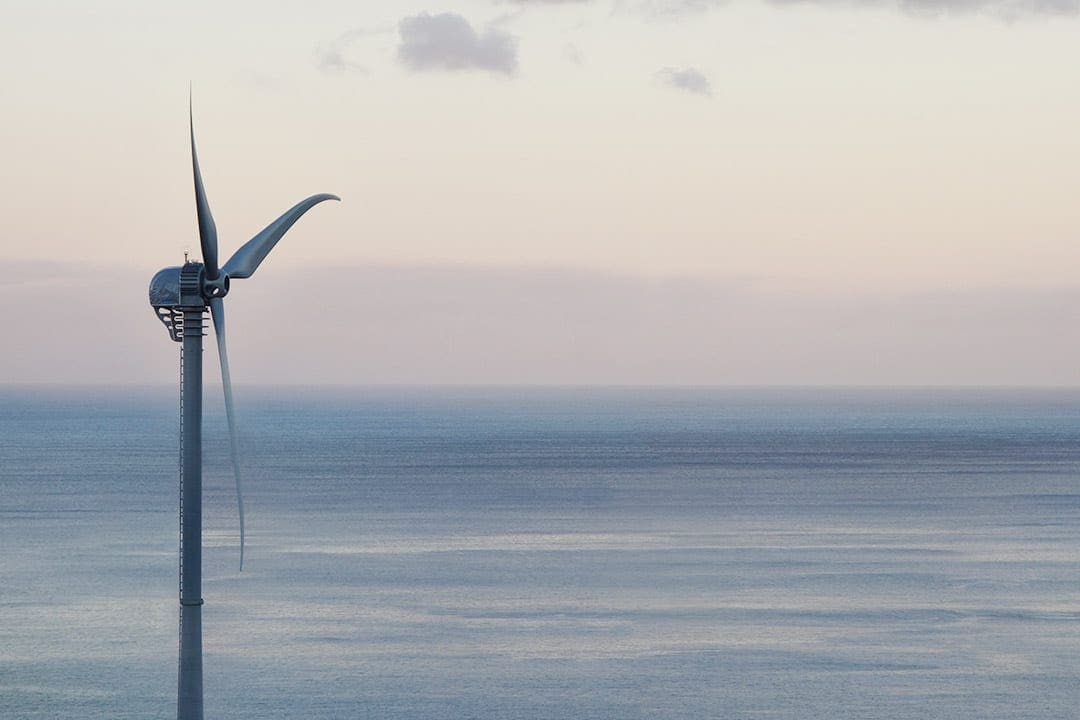
Evaluating energy asset metrics for commercial factory buyers seeking peak financial ROI and carbon abatement stability under Singapore's regulatory framework.
| Evaluation Parameter | Rooftop Solar PV Only | Standalone Micro Wind | Integrated Wind-Solar-Storage (EOX WS²+) |
|---|---|---|---|
| Daily Generation Profile | Daylight Hours Only (4-5 Effective Hours) | 24-Hour Capable (Northeast & SW Monsoons) | Continuous 24/7 Synergistic Clean Generation |
| Land / Space Footprint | High Surface Area Required (~8-10 m²/kW) | Ultra-Compact (<1.5 m² Tower Foundation) | Optimized Vertical + Horizontal Rooftop Co-location |
| Nocturnal Power Output | 0% (Requires Grid Import) | High (Off-peak Wind Current Capture) | Battery Discharged + Wind Generated Power |
| Monsoon Weather Yield | Reduced by Heavy Cloud / Tropical Rain | Maximum Output during Monsoon Gusts | Wind Output Offsets Solar Irradiation Drop |
| Design Asset Lifespan | 20 - 25 Years (Panel Degradation) | 30 Years (Direct-Drive PMG Drivetrain) | 30 Years (AI-Managed Battery & Generator) |
| Grid Reliability Impact | Intermittent Duck-Curve Generation | Smoothed Microgrid Baseline Offset | Zero-Export / Dynamic Grid Interactive Compliant |
As a premier energy solutions manufacturing exporter, our production facilities combine international aerospace-grade engineering with scalable direct-to-enterprise supply chains.
Every turbine rotor, permanent magnet stator, and MPPT control module undergoes rigorous factory load testing, static balance calibration, and thermal chamber endurance profiling prior to export shipping.
Custom engineered for Singapore's high-humidity, high-temperature, and saline marine environments. Utilizing 316 stainless steel fasteners, dacromet-coated hardware, and multi-layer epoxy powder coatings.
Integrated remote monitoring portals transmit real-time voltage, wind velocity, vibration signatures, and thermal metrics to enterprise facility managers via encrypted cloud dashboards.
Our exported micro-wind generators and hybrid inverters are compliant with Singapore's Transmission Code and EMA Distributed Generation (DG) guidelines. Outfitted with certified anti-islanding protection, low-voltage ride-through (LVRT) controls, and grid-compliant total harmonic distortion (THD < 3%), our systems support both behind-the-meter self-consumption and grid-interactive tie-in projects managed by licensed Qualified Persons (QP) and Professional Engineers (PE).
Yes. While inland ground-level wind speeds in Singapore average 2.5 to 3.5 m/s, localized coastal zones (such as Tuas, Jurong West, Changi, and Sentosa) and rooftop parapets above 20 meters experience accelerated boundary-layer winds reaching 4.5 to 7.0 m/s. Our micro-turbines feature ultra-low cut-in speeds (1.5–2.0 m/s) and specialized high-torque permanent magnet generators designed to harvest light tropical breezes and micro-turbulent updrafts.
Fully compliant. Our low-RPM vertical-axis wind turbine designs (such as the 300W and 2kW maglev models) utilize helical aerodynamic blades that eliminate tip vortex noise and mechanical gear backlash. Operating acoustic emissions measure under 38–42 dBA at a 5-meter boundary, well within NEA's stringent nighttime noise thresholds for commercial and residential zones.
All structural components are built using marine-grade 6063-T6 aluminum alloys and hot-dip galvanized steel rated to C5-M high-salinity standards. Intelligent controllers include dual safety mechanisms: automated electronic furling/electromagnetic braking during extreme gust events exceeding 25 m/s, and manual mechanical locks for extreme weather protection.
When deployed behind-the-meter in commercial or industrial facilities, direct offset of SP Group commercial electricity tariffs yields an estimated payback period of 4.5 to 7 years. Factoring in Singapore's scheduled carbon tax escalation (reaching up to S$80/tonne by 2030) and zero gearbox maintenance overhead over a 30-year design life, total lifecycle levelized cost of electricity (LCOE) drops significantly below utility tariff rates.
Connect with our technical engineering sales team for customized Computational Fluid Dynamics (CFD) site modeling, ROI feasibility calculations, and direct factory exporter pricing.
Inquire Now