
Rooftop Series
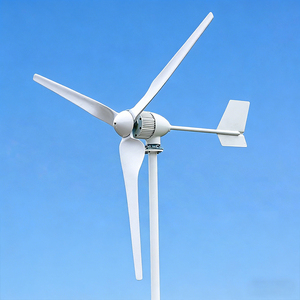
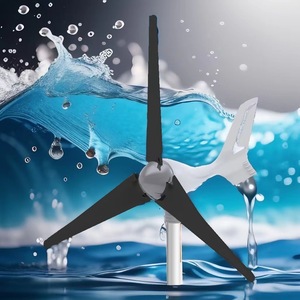
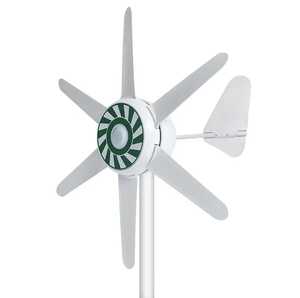
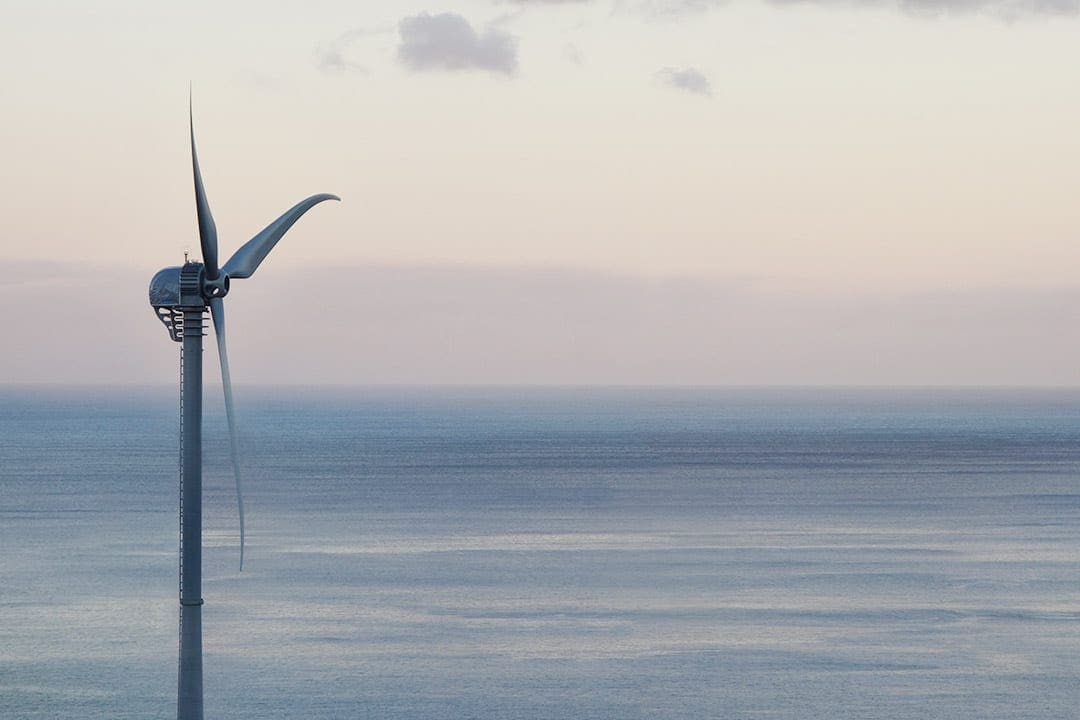
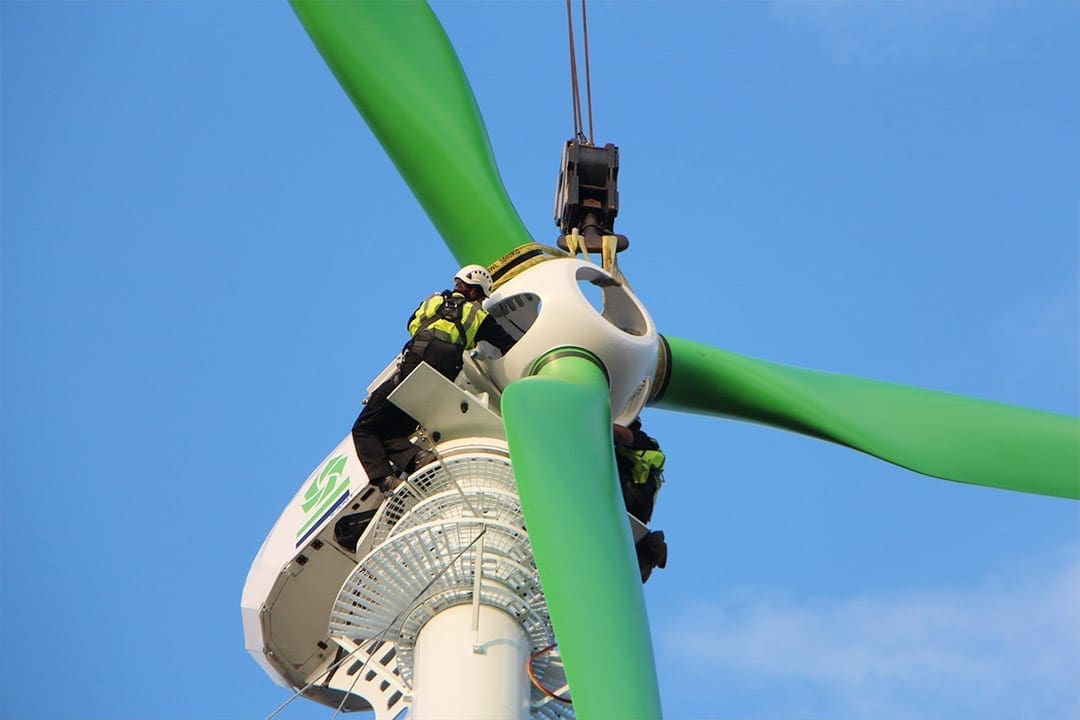
Factory Price Rooftop 1kW Small Wind Turbine
- Rated Power: 1,000 Watts
- Rated Voltage: 24V / 48V / 110V
- Start-up Wind: 2.0 m/s
- Blade Material: Nylon Fiber Composite
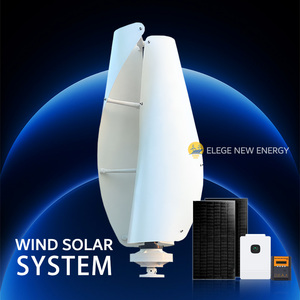
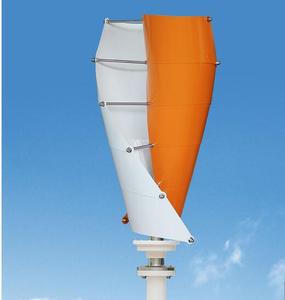
Factory-direct wind energy components, high-efficiency vertical/horizontal axis micro generators, and ultra-durable composite wind turbine blades certified for harsh North American environments.
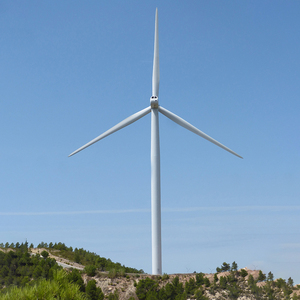

The global transition toward decentralized clean energy requires robust, high-efficiency equipment capable of withstanding extreme climatic conditions. Canada’s unique geographic layout—ranging from the high-wind agricultural prairies of Alberta and Saskatchewan to the harsh, freezing coastal marine environments of Nova Scotia and the sub-zero remote terrains of Nunavut—demands wind energy hardware built to rigid structural standards. As a premier China wind turbine blade supplier and original equipment manufacturer (OEM), our engineering infrastructure bridges advanced composite manufacturing technology with strict Canadian utility-grade performance criteria.
Traditional wind turbine blades often suffer from micro-cracking, resin degradation, and ice accumulation when exposed to North American sub-zero freeze-thaw cycles. By implementing Vacuum-Assisted Resin Transfer Molding (VARTM), state-of-the-art carbon fiber hybrid reinforcement, and hydrophobic anti-icing surface coatings, our factory delivers wind turbine blades and direct-drive generation systems optimized for high lift-to-drag ratios even under turbulent class IEC IIIa wind regimes.
Aerodynamic efficiency directly dictates the Levelized Cost of Energy (LCOE) over a wind farm or distributed microgrid's 30-year operational life. Our engineering team utilizes specialized DU and NACA series airfoil geometry to optimize lift generation across low cut-in wind speeds starting at 1.8 m/s.
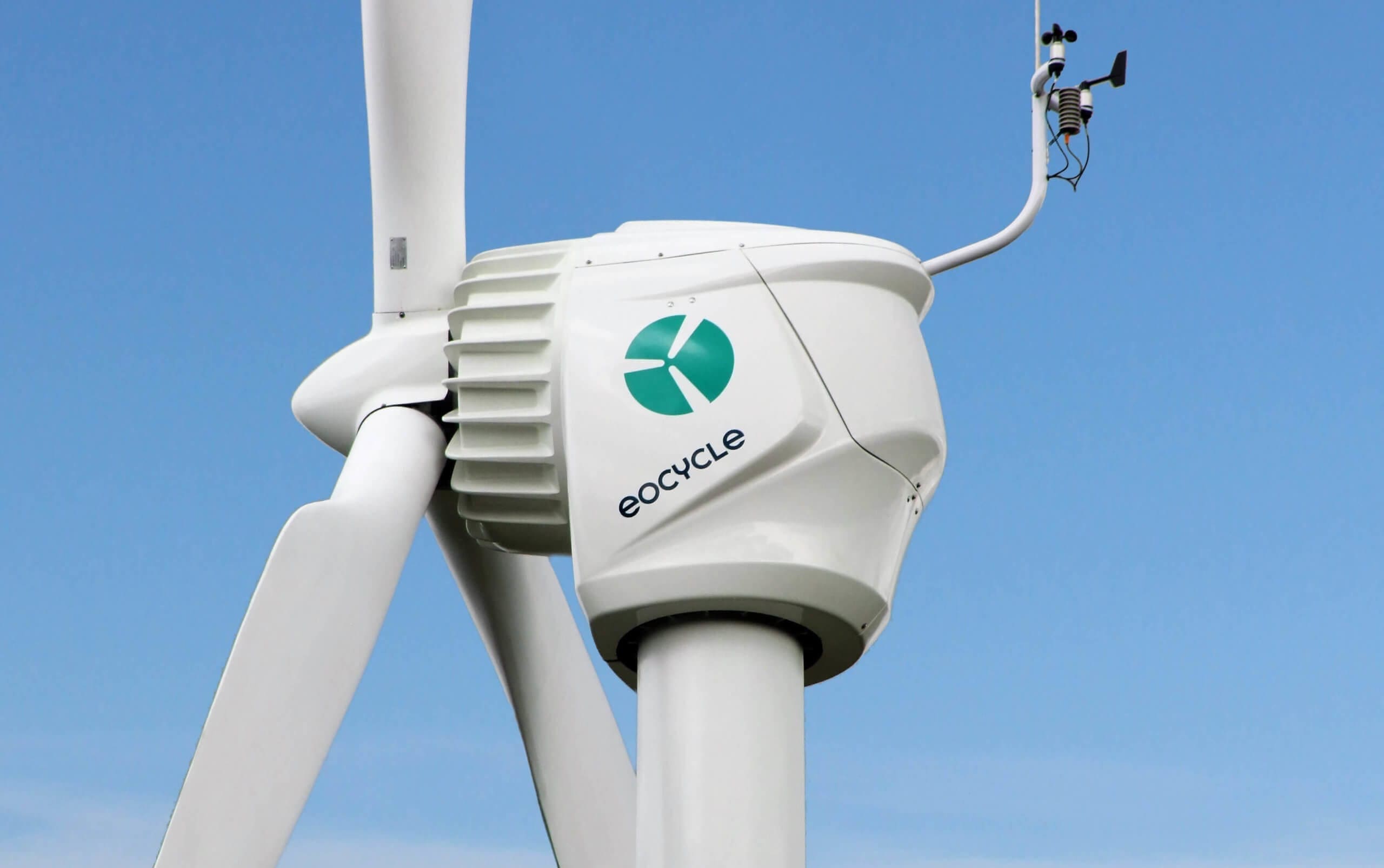
Eliminating mechanical gearboxes removes gear oil maintenance and gearbox mechanical failure risks—ensuring uninterrupted operation down to -40°C in remote Canadian territories.
Heavy-duty polyurethane coatings and marine-grade stainless hardware prevent saltwater corrosion in Atlantic Canada coastal fishing microgrids and offshore installations.
Engineered tip-serration profiles and low RPM permanent magnet generators satisfy strict residential and commercial noise guidelines across Canadian municipal zoning districts.
To deliver true Information Gain for project procurement officers, the table below highlights the structural comparison between our industrial-grade glass/carbon fiber hybrid wind blades and standard commercial alternatives.
| Technical Metric | Our Heavy-Duty Export Grade | Standard Market Alternative | Benefit to Canadian Buyer |
|---|---|---|---|
| Reinforcement Composite | E-Glass / Carbon Fiber Hybrid Matrix | Standard Polyester Chopped Fiber | 35% lighter weight with 2.4x higher fatigue strength |
| Low-Temp Tolerance | Certified down to -50°C (Non-brittle) | Restricted to -15°C minimum | Prevents blade cracking in Canadian Prairies / Arctic |
| Surface Protection | Gel-coat UV + Hydrophobic Anti-Icing | Basic Acrylic Paint Spray | Extends surface life; reduces dynamic ice loading |
| Dynamic Balancing | ISO 1940 Class G2.5 Precision Balance | Unbalanced / Manual Weight Match | Zero rotor vibration; protects generator bearings |
| Target Design Life | 30 Years (200 Million Fatigue Cycles) | 10 - 15 Years | Dramatically lowers Levelized Cost of Energy (LCOE) |

Grain drying, dairy refrigeration, livestock ventilation, and irrigation pumps consume huge amounts of grid electricity. Canadian agricultural operators face rising demand charges and carbon taxes. Installing our 1kW, 5kW, or 90kW wind turbine platforms behind the meter allows farmers to capture round-the-clock wind energy—especially during winter months when solar PV output declines by up to 70% in northern latitudes.
Dozens of indigenous communities and northern mining operations in Yukon, Northwest Territories, and Northern Quebec rely on expensive diesel fuel shipped via ice roads. Combining our high-reliability direct-drive wind turbines with battery storage and solar PV creates resilient hybrid microgrids, directly cutting fuel logistics costs and lowering localized carbon emissions.
Canadian commercial plants, cold-storage logistics centers, and telecom infrastructure utilize wind turbines to stabilize fixed electricity expenses over decades. Verifiable on-site renewable energy generation delivers direct Scope 2 carbon emission reductions required for institutional ESG reporting and federal Clean Growth compliance.
Canada has committed to achieving a Net-Zero Electricity Grid by 2035 and overall carbon neutrality by 2050. The Canadian federal government’s Clean Power Investment Tax Credit (ITC) provides eligible clean energy projects—including wind energy conversion systems and energy storage integration—with tax credits covering up to 30% of capital expenditure costs.
Key market drivers shaping the demand for China-manufactured high-reliability wind blades and turbines in Canada include:
Essential technical and logistical answers regarding wind blade and turbine procurement from China to Canada.