Direct-drive permanent magnet generators, vertical-axis micro turbines, and scalable wind-solar-storage kits optimized for tropical monsoon climates and off-grid reliability.
As Vietnam solidifies its position as Southeast Asia's premier manufacturing powerhouse, the industrial zones surrounding Ho Chi Minh City (HCMC)—including Tan Thuan Export Processing Zone, Hiep Phuoc Industrial Park, and neighboring industrial corridors in Binh Duong, Dong Nai, and Long An—face an unprecedented energy transition challenge. Under Vietnam's National Power Development Plan VIII (PDP8), the government is prioritizing decentralized renewable energy integration, direct power purchase agreements (DPPA), and microgrid self-consumption to alleviate severe regional grid congestion.
For export-oriented enterprises operating in Southern Vietnam, reliable electricity is no longer just a operational requirement; it is a critical regulatory and compliance necessity. International buying groups in Europe and North America now demand strict Scope 2 carbon reduction audits under mechanisms such as the EU Carbon Border Adjustment Mechanism (CBAM). As a premier China standalone power exporter, our direct-drive small wind turbines, vertical-axis wind generators, and hybrid wind-solar-storage systems (WS²+) provide Vietnamese industrial buyers with an autonomous, high-availability energy hedge against utility tariff spikes and grid downtime.
Eliminating mechanical failure points to ensure 30-year operational life in high-humidity, high-salinity coastal environments.
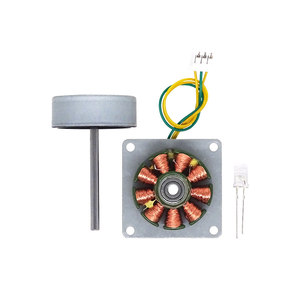
Traditional geared wind turbines suffer high failure rates due to gear oil oxidation, mechanical friction, and seal degradation under humid tropical conditions. Our permanent magnet generators (PMG) utilize high-grade Neodymium (NdFeB) magnets directly coupled to the rotor, eliminating mechanical gearboxes, dramatically reducing cut-in wind speeds, and extending maintenance intervals to annual remote inspections.
Serving the Ho Chi Minh City port areas, Mekong Delta coastlines, and Can Gio estuarine environments requires marine-grade anti-corrosion engineering. Our turbine structural steel, hub assemblies, and nacelles receive hot-dip galvanization and triple-coat epoxy fluorocarbon painting engineered to withstand C4/C5 salt-spray environments under ISO 12944 standards.
Every system integrates high-efficiency Maximum Power Point Tracking (MPPT) charge controllers paired with IoT SCADA gateways. Factory managers in Ho Chi Minh City can monitor real-time power curves, rotor RPM, blade pitch telemetry, and battery state-of-charge (SoC) via encrypted web portals or local SCADA integrations.
Understanding local geographic, meteorologic, and operational nuances is essential for maximizing Levelized Cost of Energy (LCOE) gains. Our engineering export teams customize standalone power configurations across four main localized deployment models:
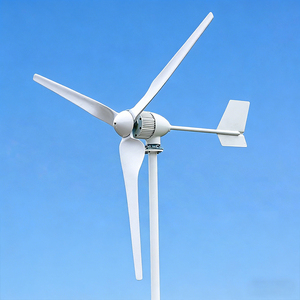
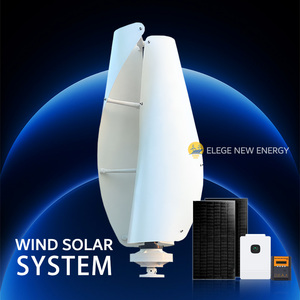
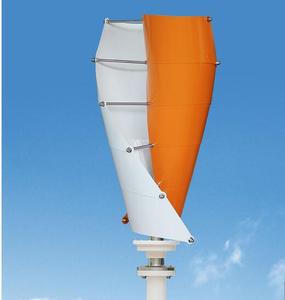
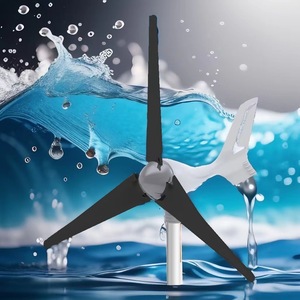
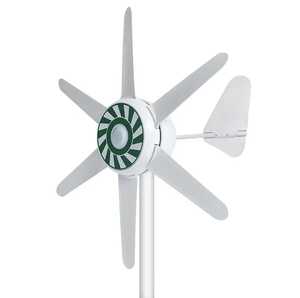
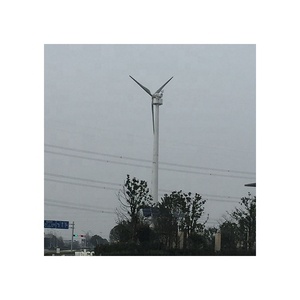
Factories in Tan Thuan EPZ, Hiep Phuoc, and VSIP often possess vast industrial roof structures but experience transformer capacity limits on EVN grid connections. Installing micro vertical-axis (2kW–5kW) or horizontal-axis (5kW–90kW) turbines complements existing rooftop solar PV, offsetting expensive peak-hour electricity tariffs (up to 3,100+ VND/kWh) and preventing costly assembly line shutdowns during grid voltage sags.
Coastal shrimp ponds in Ben Tre, Tra Vinh, and Tien Giang south of HCMC require continuous paddlewheel aeration 24 hours a day. Diesel generator reliance degrades profit margins through high fuel transport costs. Standalone 1kW–5kW wind turbine units paired with DC micro-controllers power aeration pumps directly, reducing diesel consumption by 70% to 90% while preventing catastrophic oxygen depletion during nocturnal calm periods.
In coastal ecological zones such as Can Gio and marine shipping channels leading into Cat Lai Port, grid extension is cost-prohibitive. Compact 90W to 400W standalone wind turbines power remote environmental sensors, maritime light buoys, and 5G telecom relay towers, functioning seamlessly under continuous salt air exposure with zero human intervention required for years.
Agricultural processing centers and logistics hubs around HCMC rely heavily on refrigerated storage. A dual wind-solar-storage (WS²+) hybrid architecture guarantees continuous chilling capacity during grid outages, securing perishable export commodities bound for international markets while earning carbon offset credits.
When evaluating localized capital expenditure (CAPEX) and operational expenditure (OPEX) over a 30-year lifecycle in Vietnam, standalone hybrid energy architectures consistently outperform grid-only reliance and diesel generator units.
| Evaluation Parameter | EVN Utility Grid Connection | Diesel Generator Set | Standalone Wind-Solar Hybrid (WS²+) |
|---|---|---|---|
| Levelized Cost of Energy (LCOE) | High & Escalating (VND 1,900 - 3,200+/kWh) | Very High ($0.28 - $0.42 / kWh) | Ultra-Low ($0.045 - $0.065 / kWh) |
| Carbon Footprint / CBAM Compliance | High (Grid relies on coal/gas mix) | Extreme Carbon & Particulate Emissions | Zero Direct Emissions (100% Green) |
| Operational Life / Warranty | Subject to Tariff Contracts | 5,000 - 15,000 Operating Hours | 30-Year Structural Design Life |
| Nocturnal Power Availability | Subject to Grid Brownouts | High (Consumes Expensive Diesel) | High (Monsoon Wind & Battery Storage) |
| Maintenance Overhead | Low Direct Maintenance | High (Frequent oil, filter, overhauled pistons) | Minimal (Gearbox-Free, Annual Inspection) |
Direct technical answers addressing environmental, legal, and operational considerations for importing standalone power systems from China.
Our horizontal and vertical axis turbines are engineered in accordance with IEC 61400-2 standards for Class I wind conditions. They feature automated multi-stage protection: electromagnetic braking, smart pitch control that feather blades during extreme wind shear, and mechanical tip brakes rated for extreme gusts exceeding 50 m/s (Typhoon Category 14+). Tower structures use high-tensile Q355B steel with heavy-duty guy wire or monopole flange foundations designed by structural engineers.
We offer comprehensive CIF and DDP shipping terms directly from our China manufacturing facilities to Cat Lai Port, ICD Phuoc Long, or direct to factory gates in HCMC, Binh Duong, and Long An. All shipments include Form E Certificate of Origin documentation under the ASEAN-China Free Trade Agreement (ACFTA), enabling buyers to import equipment at preferential 0% tariff rates.
Wind power delivers significantly higher energy yield per square meter of ground footprint than solar PV. While solar requires vast roof coverage and generates only during daylight hours, wind turbines generate through the night, during monsoon overcast weather, and throughout the winter months when Southern Vietnam experiences steady coastal winds. Combining both into a WS²+ hybrid system optimizes battery storage sizing and lowers overall CAPEX.
Because our direct-drive permanent magnet generators eliminate mechanical gearboxes, there are no gear oil changes, seals, or high-speed shaft bearings to replace. Scheduled maintenance is limited to an annual visual check of structural torque bolts, blade surface inspection, and electrical connection tests. Remote telemetry streams real-time health data to your maintenance team via mobile device or SCADA interface.
Yes. Our standalone power systems are explicitly engineered for 100% off-grid operation. Paired with pure sine wave off-grid inverters and Lithium Iron Phosphate (LiFePO4) battery banks, they form self-healing microgrids capable of powering inductive factory loads, pumps, compressor stations, and sensitive IT equipment with grid-compliant voltage and frequency stability.
With over two decades of dedicated manufacturing and export experience, our organization stands as a premier OEM/ODM supplier of distributed wind and standalone renewable energy platforms. When sourcing equipment for Ho Chi Minh City and the broader Southeast Asian market, enterprise buyers gain distinct structural advantages:
Every generator, blade assembly, and MPPT controller undergoes strict factory acceptance testing (FAT). Our manufacturing facilities maintain ISO 9001, ISO 14001, and ISO 45001 certifications, with complete CE, RoHS, and IEC compliance marks required for international project financing.
Whether you require 90W sub-watt micro-turbines for smart city sensor grids or multi-megawatt aggregated wind-solar microgrid developments for industrial estates, our R&D engineering team designs custom wind rotor profiles, generator winding voltages, and enclosure paints tailored to your exact project spec.
From initial wind resource assessment and CFD micrositing analysis to Foundation Engineering documentation and long-term spare parts supply, we support localized EPC contractors and project developers throughout Vietnam to ensure seamless commissioning and maximum uptime.