Engineered by top Chinese green energy OEMs for severe weather resilience, low cut-in wind speeds, and full European distribution grid compatibility.
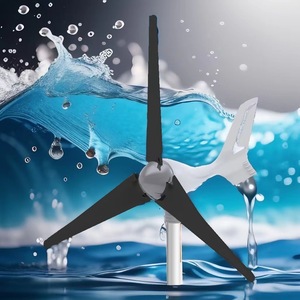
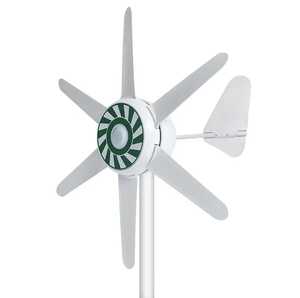
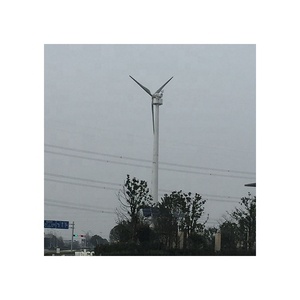
Poland's energy ecosystem is undergoing an unprecedented structural transition. Driven by the national framework Polityka Energetyczna Polski do 2040 r. (PEP2040) and the European Union’s REPowerEU directives, the nation is actively decentralizing its grid away from coal-dominated base load generation toward distributed renewable energy resources (DERs). While photovoltaic (PV) installations have surged across Voivodeships such as Masovia, Greater Poland (Wielkopolska), and Silesia, solar energy suffers from acute seasonal volatility—delivering under 15% of its annual yield during the freezing, overcast winter months between November and February.
This winter generation deficit creates critical grid strain and skyrocketing spot electricity prices on the Towarowa Giełda Energii (TGE). To achieve true 24/7 energy independence, Polish agricultural enterprises, commercial facilities, and rural microgrids are adopting wind-solar hybrid micro-systems. By coupling solar arrays with low cut-in direct-drive micro wind turbines (300W to 5kW and up to 90kW platforms), power generation curves align perfectly with seasonal demand: wind resources peak in Poland during autumn and winter, guaranteeing reliable electricity generation precisely when solar yields drop to zero.
How specialized Chinese wind technology integrates into Poland's distinct industrial, agricultural, and municipal infrastructure.
Dairy farms, poultry operations, and automated grain silos in central and eastern Poland operate on continuous energy-intensive schedules. Direct-drive 2kW to 5kW wind turbines mounted on 12m–18m guyed or free-standing towers capture ambient rural winds, powering milk cooling tanks, ventilation, and automated feeding systems without encroaching on arable farmland footprints.
Manufacturing facilities in Katowice, Gliwice, and Wrocław face heavy capacity charges (Opłata Mocowa) during peak grid load hours. Integrating 5kW micro wind arrays with battery storage allows industrial plants to clip expensive demand peaks, lower Scope 2 carbon intensity under EU CBAM mandates, and lock in levelized cost of energy (LCOE) for 25+ years.
High average wind speeds along the Baltic coastline (Gdansk, Gdynia, Szczecin) reach 6.0–7.5 m/s at low altitudes. Micro vertical-axis (VAWT) and horizontal-axis (HAWT) wind generators featuring C4/C5 marine anti-corrosion anodization provide resilient, autonomous power for coastal resort facilities, harbor monitoring sensors, and offshore support logistics.
Traditional small wind turbines rely on mechanical gearboxes to step up rotor speed. In cold European climates like Poland, gearboxes represent the single primary point of failure due to gear oil viscosity breakdown at -20°C temperatures, mechanical friction wear, and frequent seal leaks.
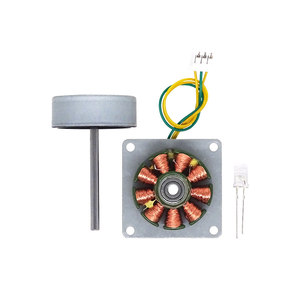
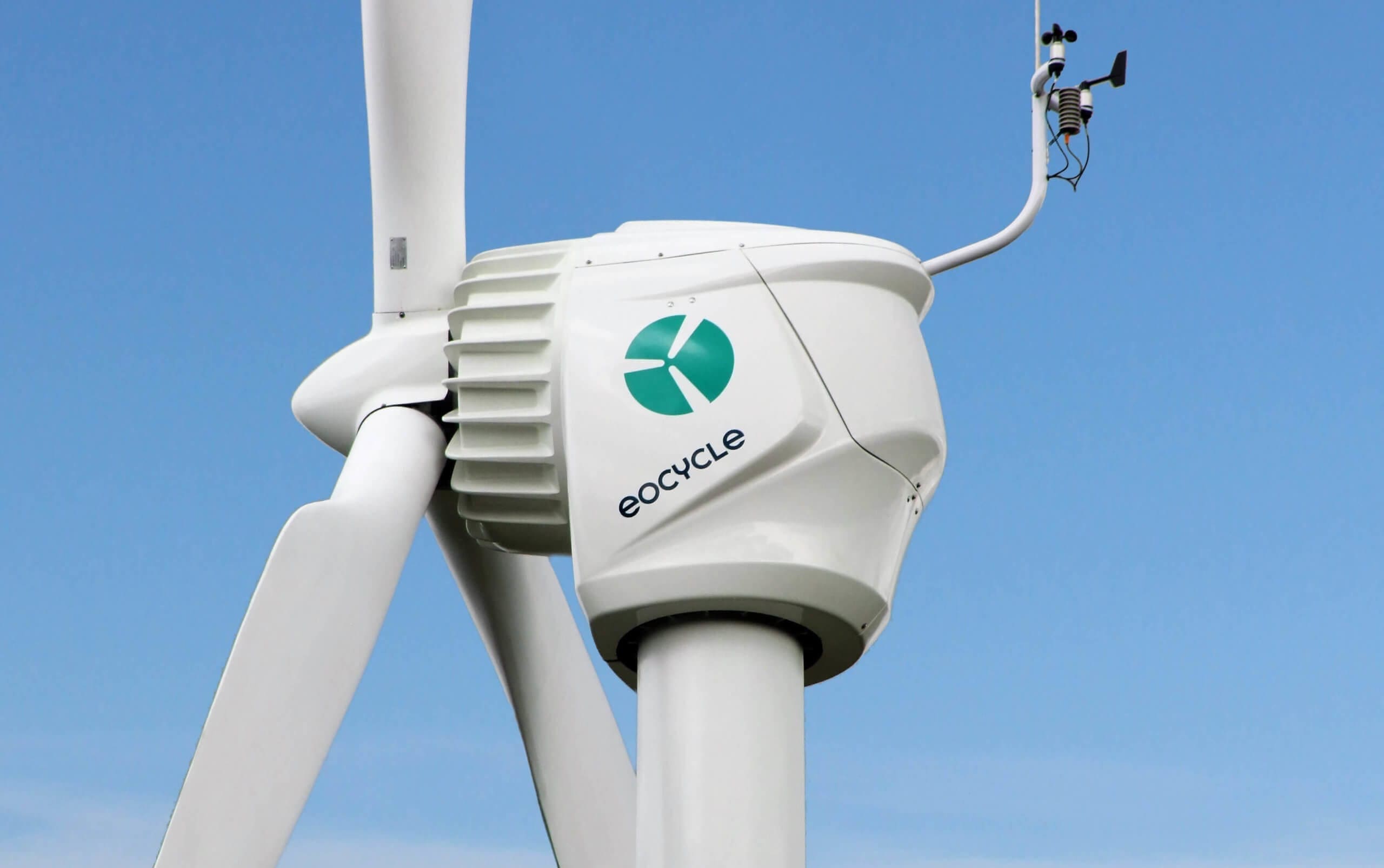
Our Tier-1 Chinese manufacturing partners eliminate mechanical gearboxes entirely. By utilizing Direct-Drive Permanent Magnet Synchronous Generators (PMSG) with Neodymium-Iron-Boron (NdFeB) rare-earth magnets, the rotor shaft directly drives the electrical generator core.
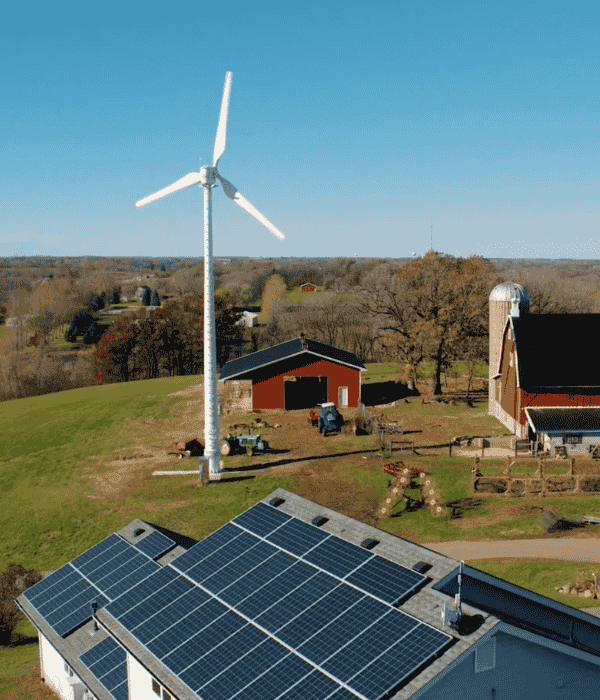
For Polish business buyers transitioning off standard utility tariffs, standalone wind or standalone solar is rarely sufficient. The modern standard for distributed energy independence is the Wind-Solar-Storage (WS²+) Hybrid Architecture.
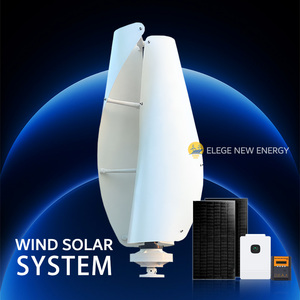
Controlled by an AI-managed microgrid inverter with Maximum Power Point Tracking (MPPT), energy from rooftop solar panels and micro wind generators is dynamically routed directly to facility loads, stored in high-density LiFePO4 battery banks, or exported back to Polish Distribution System Operators (DSOs like PGE, TAURON, Enea, Energa) under standard net-billing arrangements.
Noise pollution regulations in Poland (Rozporządzenie Ministra Środowiska regarding ambient noise limits in residential and mixed-use zones) restrict night-time noise emissions to 40–45 dB(A) at property boundaries.
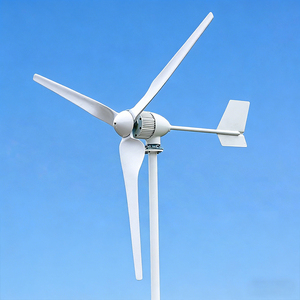
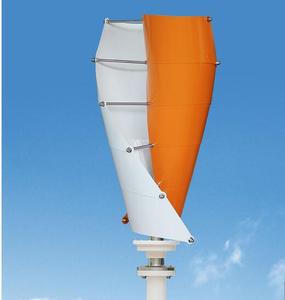
Chinese micro-wind engineers solve this challenge through aero-acoustic optimization. Vertical Axis Wind Turbines (VAWT) employ helical omnidirectional blades that generate zero tip-vortex whistle. Meanwhile, Horizontal Axis (HAWT) models feature precision-balanced fiber-glass composite blades optimized for quiet, low-RPM operation—allowing installation near suburban homes, eco-tourism resorts, and livestock housing without acoustic disturbance.

Objective engineering benchmark evaluating year-round operational performance in Central European climatic conditions.
| Performance Metric | Standalone Rooftop Solar PV | Direct-Drive Micro Wind (1kW–5kW) | Hybrid Wind-Solar + Storage (WS²+) |
|---|---|---|---|
| Winter Capacity Factor (Nov–Feb) | < 5% – 12% (Extreme drop) | 35% – 50% (Peak yield) | 40% – 60% (Balanced continuous) |
| Night-time Generation Ability | 0% (No generation) | 100% (Wind dependent) | Continuous (Wind + Battery) |
| Land / Roof Space Required | High (6–8 m² per kWp) | Minimal (1–2 m² base pad) | Optimized multi-asset layout |
| Grid Fee Mitigation (Opłata Mocowa) | Partial (Daytime only) | High (Covers evening peaks) | 100% Complete Peak Shaving |
| Designed Asset Lifecycle | 20–25 Years | 25–30 Years (Gearless PMG) | 30 Years (Modular components) |
| Polish DSO Grid Interconnection | EN 50549-1 Standard Inverter | EN 50549-1 Rectified Inverter | EN 50549-1 Microgrid Smart Sync |
China has firmly established itself as the global epicenter of clean energy manufacturing, controlling over 70% of the world's permanent magnet, generator core, and solar-wind power electronics supply chains. Sourcing directly from top Chinese green energy factories offers Polish distributors, installer networks, and EPC contractors unprecedented competitive advantages:
By producing NdFeB permanent magnets domestically, Chinese OEMs supply premium Grade N45/N52 magnetic generators at factory-direct pricing—offering higher torque density and efficiency without Western intermediate supply markup.
Leading factories employ automated CNC blade profiling, dynamic multi-axis rotor balancing, and full-scale wind tunnel testing chambers to ensure each turbine withstands gust speeds exceeding 50 m/s (Class I wind zones).
Convenient containerized shipping options via Maritime ocean transport to Gdynia/Gdańsk ports or direct Silk Road Railway express to the Małaszewicze container hub provide fast 18–22 day transit times across Poland.
Essential regulatory, logistical, and technical questions answered for system integrators and equipment importers in Poland.
To connect equipment to Polish DSOs (such as PGE, TAURON, Energa, or Enea), grid-tie inverters must hold CE marking and comply explicitly with European standard EN 50549-1:2019 (Requirements for generating plants to be connected in parallel with distribution networks). Wind turbine generators must also meet IEC 61400-2 design safety standards for small wind turbines. Top Chinese manufacturers supply complete technical documentation, factory test reports, and declaration of conformity files required by Polish energy authorities.
Winter conditions in Voivodeships like Warmia-Masuria and Podlaskie present freezing rain and blade icing risk. Premium Chinese micro wind turbines feature hydrophobic polyurethane blade coatings and ice-shedding aerodynamic profiles. Furthermore, direct-drive permanent magnet generators produce internal electrical resistance warmth during operation, preventing rotor lock-up and bearing freeze-ups even down to -25°C ambient temperatures.
Micro wind generators and wind-solar hybrid equipment entering Poland fall primarily under HS Code 8502.31.00 (Wind-powered electricity generating sets) or HS Code 8501.61.00. Third-country customs import duty rates into the EU typically range from 0% to 2.7%. Standard Polish Value Added Tax (VAT / Podatek VAT) is 23% for commercial procurement, though reduced 8% rates can apply for residential clean energy micro-installations executed under qualified domestic installation programs.
Yes. Retrofitting micro wind turbines to an existing solar system is straightforward using an AC-coupled microgrid architecture. The wind generator’s AC output is converted to regulated DC via an MPPT wind controller and fed directly into the hybrid inverter’s battery bus bar or synchronized into the facility’s main AC distribution panel via standard EN 50549 compliant grid-tie inverters.
Leading OEM suppliers offer 5-year standard equipment warranties extendable to 10–15 years, backed by long-life spare parts packages (including replacement bearings, MPPT controller boards, and yaw sensors). Systems feature integrated Modbus/RS485 communication modules and Wi-Fi/4G SCADA gateways, enabling real-time remote diagnostics and performance monitoring from anywhere in Poland.
