As Algeria accelerates its national Renewable Energy and Energy Efficiency Program (PNRER), energy developers, agricultural enterprises, and industrial operators are seeking highly resilient distributed generation solutions. Chinese wind turbine manufacturing leads the global market in direct-drive permanent magnet technologies, offering ruggedized architectures purpose-built for the extreme climate profiles of Northern Africa.
Selected high-efficiency micro, horizontal, and vertical axis wind energy systems matching local grid standards and off-grid specifications.
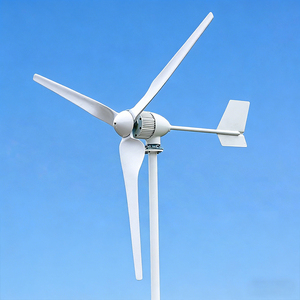
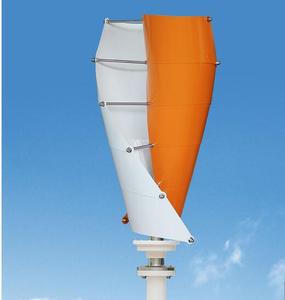
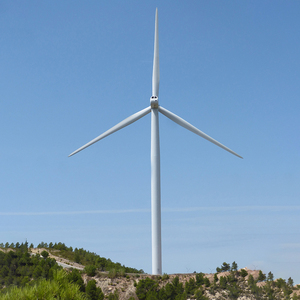
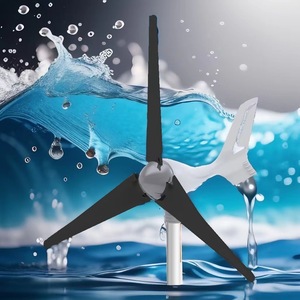
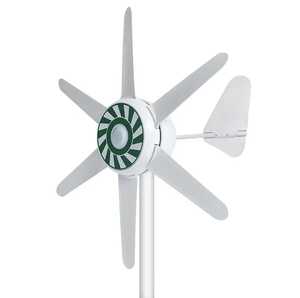
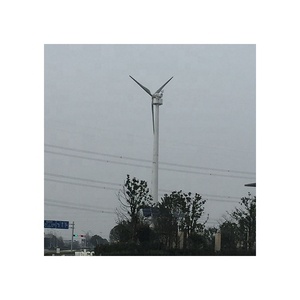
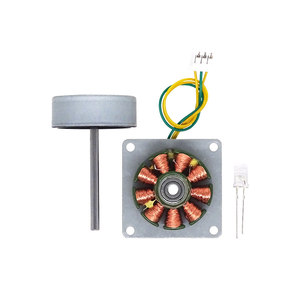
Eliminating mechanical gearboxes drastically reduces failure rates caused by abrasive dust in the Algerian High Plateaus. Neodymium Permanent Magnet Generators (PMG) provide maximum torque efficiency at low rotational speeds.
Certified to IP67 ingress protection with dual-lip labyrinth oil seals, anti-corrosive fluorocarbon coatings, and internal thermal dissipate fins designed to withstand ambient Saharan temperatures exceeding +55°C.
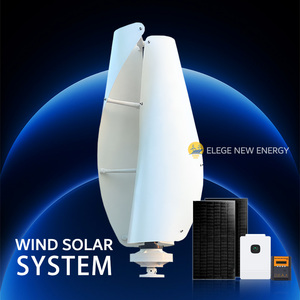
Pairing micro wind turbines with photovoltaic strings and lithium battery banks guarantees continuous continuous 24/7 power delivery, solving solar's nighttime generation gap in off-grid Algerian pumping facilities.
Algeria stands at a vital juncture in its national energy transition strategy. Under the directives of the Ministry of Energy and Mines, the country aims to deploy 15,000 MW of renewable power capacity by 2030. While utility-scale solar PV has historically received substantial focus, distributed wind energy represents the single most effective hedge against nighttime energy deficits, particularly across the wind-rich southern provinces such as Adrar, Tindouf, and Tamanrasset, as well as the High Plateaus region (Tiaret, Djelfa, Sétif).
To successfully deliver behind-the-meter wind projects in Algeria, industrial buyers, agricultural engineering firms, and microgrid EPC contractors must source turbines engineered for extreme operational environmental parameters. Chinese manufacturers have established an overwhelming competitive advantage by delivering industrial-grade direct-drive permanent magnet wind turbines (from 90W micro-units to 5kW and 90kW platforms) at Levelized Costs of Energy (LCOE) that outcompete legacy European imports by 35% to 50%.
Deploying distributed wind infrastructure in Algeria requires explicit engineering considerations tailored to distinct geographic regions:
| Geographic Zone | Wind Resource Profile | Primary Environmental Challenge | Recommended Turbine Architecture |
|---|---|---|---|
| Saharan Southern Region (Adrar, Timimoun, In Salah) | High average wind speeds (6.5 m/s – 8.2 m/s at 10m height) | Abrasive sandstorms (Sirocco/Haboob), extreme thermal stress (+55°C) | Direct-drive PMG, IP67 sealed nacelles, polyurethane anti-erosion blade tape |
| High Plateaus (Sétif, Tiaret, Batna, Djelfa) | Moderate to high seasonal turbulence, winter icing | Sub-zero winter drops, gusty wind turbulence near elevated agricultural silos | Low-cut-in micro horizontal axis turbines & vertical axis (VAWT) units |
| Coastal Mediterranean Zone (Algiers, Oran, Bejaia) | Sea breeze thermal corridors (4.5 m/s – 6.0 m/s) | Saline atmospheric corrosion, urban building turbulence | Low-noise MPPT micro-turbines, hot-dip galvanized steel towers, marine-grade epoxy coatings |
Traditional wind turbines equipped with multi-stage gearboxes experience severe lubricating oil degradation and tooth-gear pitting when fine Saharan sand particles (<20 microns) penetrate drive nacelles. Leading Chinese manufacturers serving Algeria utilize gearboxless direct-drive permanent magnet generators. By coupling the rotor hub directly to the low-speed permanent magnet rotor, moving mechanical components are reduced by over 60%, eliminating gear oil changeover requirements and maintaining fleet availability over 98%.
In regions such as Adrar and Tindouf, solar irradiance peaks between 10:00 AM and 4:00 PM. However, thermal pressure differentials in Saharan basin terrain create strong, sustained wind velocities from dusk to dawn. Relying exclusively on solar PV mandates massively oversized battery storage systems. Integrating small wind turbines (such as 1kW, 2kW, or 5kW horizontal and vertical units) alongside PV arrays creates an optimized hybrid load profile, shrinking required lithium-ion battery capacity by up to 40% while ensuring zero downtime for critical loads like agricultural water pumps and remote telecom towers.
Agricultural developments in Biskra, El Oued, and Ghardaïa rely heavily on continuous groundwater extraction for palm groves and greenhouse complexes. Diesel-generated pumping incurs astronomical fuel transportation costs and frequent maintenance overheads. Deploying 5kW ALLRUN or 2kW direct-drive wind turbines linked directly to variable frequency drive (VFD) water pumps allows farmers to pump water round-the-clock without utility grid dependence.
Algeria’s vast oil and gas pipeline network operated by Sonatrach traverses thousands of kilometers of uninhabited desert. Valve control stations, cathodic protection units, and satellite communication relays require reliable low-wattage DC power. Micro-wind generators (80mW to 400W units) equipped with integrated DC controllers deliver steady 12V/24V power, retaining functionality even during heavy overcast or sandstorm conditions when solar arrays are obscured by airborne dust.
For remote hamlets and border posts where extension of the Sonelgaz national high-voltage grid is financially prohibitive, containerized hybrid wind-solar-storage microgrids serve as an autonomous "utility-in-a-box." Chinese suppliers provide turnkey engineering, supplying wind generators pre-configured with low-voltage ride-through (LVRT) grid-tie inverters compliant with Algerian distribution voltage stability parameters.
Direct answers to critical procurement, logistical, and technical compliance questions for Algerian buyers importing Chinese wind equipment.
Wind energy equipment imported into Algeria must comply with national Algerian Standards (IANOR) and international electrotechnical standards such as IEC 61400-2 for small wind turbines. Equipment imported by corporate entities requires a Certificate of Conformity (CoC), ISO 9001 factory quality management verification, and CE certification. Payment terms typically strictly adhere to Algerian Central Bank regulations, utilizing Letters of Credit (L/C) or Cash Against Documents (CAD).
Export-grade turbines specified for Algeria feature IP67-rated nacelles sealed with labyrinth silicone rings. Blades are constructed from high-density electro-molded fiberglass or carbon-nylon composites coated with anti-abrasion polyurethane films that resist sand pitting. Furthermore, passive electromagnetic braking combined with mechanical tail yawing automatically turns the turbine out of destructive gales exceeding 25 m/s.
Yes. Chinese manufacturers supply pure sine-wave grid-tied micro-inverters configured to match Algeria's grid specifications (230V single-phase / 400V three-phase at 50Hz). Inverters feature automatic anti-islanding protection in full compliance with Sonelgaz safety directives for distributed energy resources.
A minimum average annual wind speed of 4.2 m/s to 5.0 m/s at hub height (typically 12m to 30m) is recommended for a rapid return on investment. Southern provinces like Adrar frequently exceed 7.0 m/s average annual wind speeds, allowing systems to achieve full capital payback within 3.5 to 5 years against local commercial electricity tariffs or diesel generator fuel expenditure.
Because direct-drive permanent magnet generators contain no gearbox or hydraulic fluids, routine maintenance is exceptionally low. Annual inspections involve visual checking of blade lead edge integrity, bolt torque tightening on tower flanges, inspection of slip ring carbon brushes (if equipped), and electrical line insulation testing.
By establishing direct supply relationships with established Chinese OEMs, Algerian buyers gain access to unmatched manufacturing scale, robust customization, and end-to-end technical support:
Connect directly with China's leading wind generator engineering teams. Receive customized yield simulations, structural foundation drawings, and factory-direct commercial quotes matching your exact operational site parameters.
Inquire Now