Engineered specifically for low-wind starting thresholds, extreme weather endurance, and seamless integration into Japanese smart microgrids.
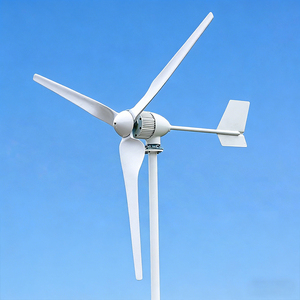
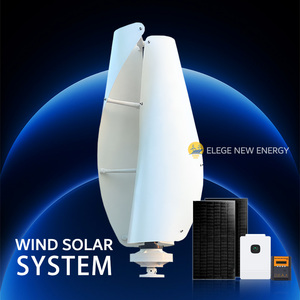
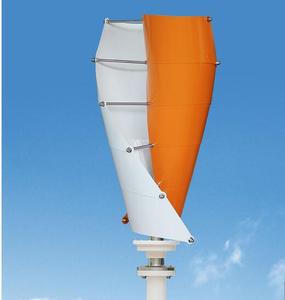
Japan’s energy landscape is undergoing a systemic structural transformation. Under the Ministry of Economy, Trade and Industry (METI) 6th Strategic Energy Plan, Japan has committed to achieving carbon neutrality by 2050, targeting a 46% reduction in greenhouse gas emissions by 2030 compared to 2013 levels. Central to this objective is the aggressive transition from centralized fossil-fuel reliance toward decentralized, resilient, local Distributed Energy Resources (DERs).
However, Japanese commercial, industrial, and agricultural enterprises face a unique trilemma: high utility tariffs driven by imported LNG dependency, severe grid stability challenges caused by mountainous topography, and an increasing frequency of seismic and meteorological natural disasters requiring unyielding Business Continuity Planning (BCP).

Information Gain Benchmark: Modern smart microgrids in Japan must evolve beyond simple solar PV. Incorporating gearless direct-drive micro wind turbines paired with AI-driven energy management systems (EMS) increases year-round energy availability by up to 42% compared to solar-only configurations.
Our direct-drive permanent magnet generator systems deliver world-class operational metrics across demanding climates.
Custom-engineered hybrid microgrids solving localized power constraints from Hokkaido to Okinawa.
Target Regions: Hokkaido, Tohoku, Kyushu.
Dairy farms, greenhouse operations, and rice processing centers exhibit heavy, non-stop electrical baseloads. In regions like Hokkaido where snow covers solar PV arrays for months, our micro wind turbines complement solar generation, ensuring continuous automated feeding and climate control without diesel generator backup.
Target Regions: Kanto (Tokyo/Kanagawa), Chukyo (Aichi), Kansai (Osaka).
High industrial electricity tariffs under Japanese utility contracts make peak demand penalties costly. Integrating our 5kW to 90kW wind platforms with battery storage allows factories to perform automated peak shaving while satisfying mandatory corporate Scope 2 ESG reduction targets.
Target Regions: Okinawa, Amami Islands, Izu Archipelago.
Isolated island grids suffer from extreme fuel supply transportation costs and severe typhoon vulnerability. Our gearless direct-drive small wind systems feature active hydraulic pitching and automatic blade stowing, designed to withstand Category 5 typhoon gusts while offsetting imported diesel fuel costs by up to 65%.
By marrying supply chain agility with rigorous international design standards, our microgrid solutions outpace traditional European and domestic Japanese legacy equipment in Levelized Cost of Energy (LCOE).
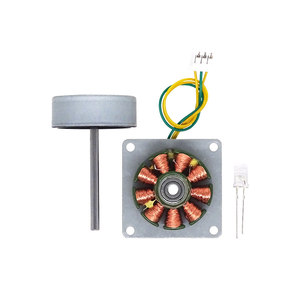
The single greatest cause of micro wind turbine failure in high-wind zones is mechanical gearbox fatigue. Our flagship systems utilize a gearbox-free direct-drive topology with high-grade Neodymium-Iron-Boron (NdFeB) permanent magnets.
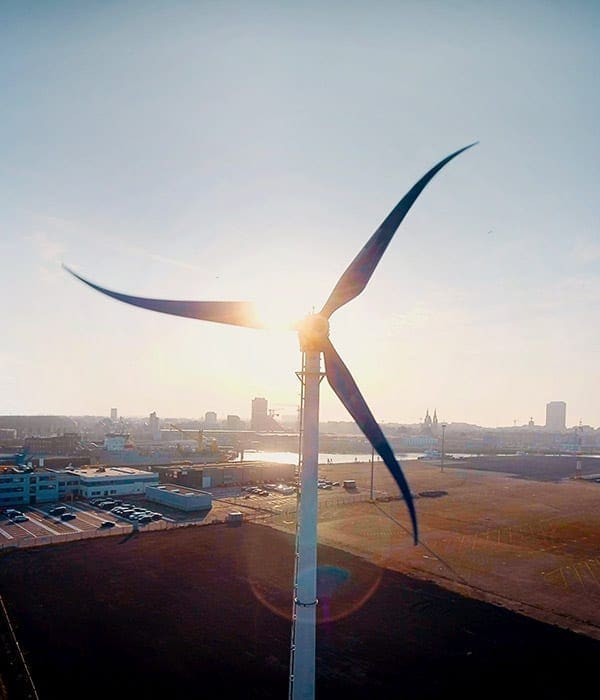
Microgrids in Japan require sub-second synchronization between variable renewable inputs and battery storage units. The EOX WS²+ energy management system (EMS) uses predictive neural networks to model local atmospheric forecasts against building interval consumption.
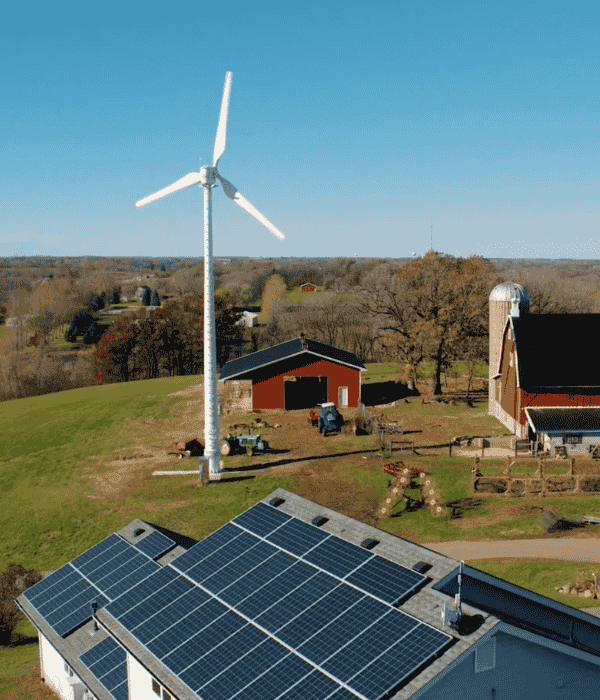
Evaluating Next-Gen Smart Microgrids against Traditional Energy Systems in Japan
| Parameter / Feature | Traditional Utility Grid-Only | Legacy Small Wind + Solar | Our AI-Orchestrated Smart Microgrids |
|---|---|---|---|
| 30-Year LCOE Horizon | High & Unpredictable (Tariff inflation) | Moderate (High O&M costs) | Ultra-Low (Locked-in levelized cost) |
| BCP Outage Resilience | Zero (Instant blackouts) | Limited (Manual generator start) | 100% Seamless Islanding (<50ms switch) |
| Drivetrain Mechanics | N/A | Mechanical Gearbox (High wear) | Direct-Drive Permanent Magnet (Gearless) |
| Typhoon Gust Resistance | N/A | Fixed Pitch (Vulnerable) | Active Yaw & Hydraulic Aerodynamic Brake |
| Remote SCADA Optimization | None | Basic Status Alarms | AI Predictive Predictive Health & Edge Cloud |
Exporting smart microgrids to Japan requires stringent compliance with domestic Japanese electrical codes and safety mandates. The transition from the old Feed-in Tariff (FIT) scheme to the new Feed-in Premium (FIP) framework demands that renewable power generators become active market participants capable of forecasting and balancing their output.
Our microgrid systems are engineered to satisfy Japanese grid compliance protocols:
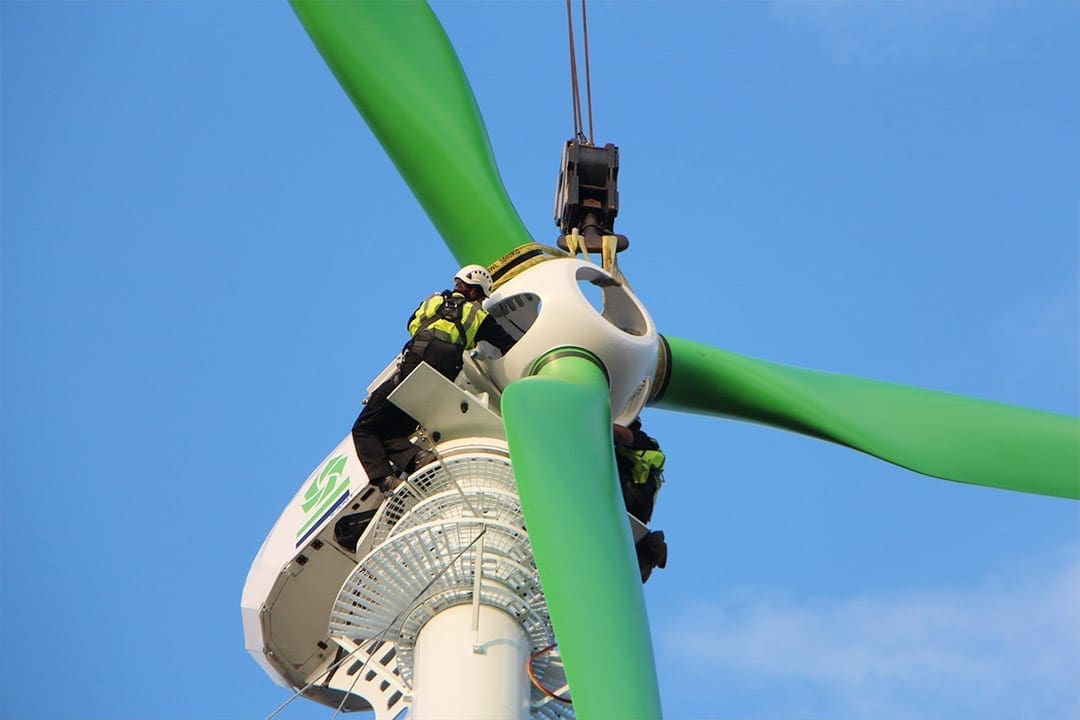
Key technical considerations for Japanese IPPs, EPC contractors, and business owners.
Whether you are an EPC contractor planning a rural microgrid project in Hokkaido, a factory owner in Aichi optimizing BCP power reserves, or a distributor seeking certified wind-solar-storage equipment, our engineering office is ready to analyze your site wind telemetry and load curves.
China Direct Export Logistics | Full OEM/ODM Customization | Complete METI & IEC Technical Dossier Support
