

Whitepaper: Optimizing Hybrid Renewable Microgrids in the Pacific Northwest
As the greater Seattle area and Washington State push forward with aggressive decarbonization mandates under the Clean Energy Transformation Act (CETA), commercial operations, agricultural facilities, microgrids, and remote maritime hubs face a dual challenge: skyrocketing utility demand charges and severe seasonal solar intermittency. During the winter months in Puget Sound, solar yield declines by up to 75% due to high cloud cover, persistent drizzle, and shortened daylight hours. However, winter in the Pacific Northwest concurrently brings sustained coastal and gap winds.
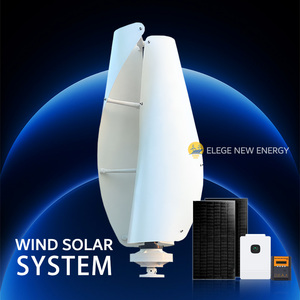
Deploying a single renewable energy source—such as solar PV alone—creates critical vulnerabilities during winter peak load intervals. By manufacturing and deploying integrated Hybrid Energy Systems (Wind-Solar-Battery Storage) directly from top-tier Chinese clean energy manufacturing bases to Seattle site operators, our enterprise provides a resilient, zero-carbon, behind-the-meter (BTM) energy generation portfolio tailored to local microclimates.
Technical Architecture: Direct-Drive PMG vs. Traditional Gearbox Systems
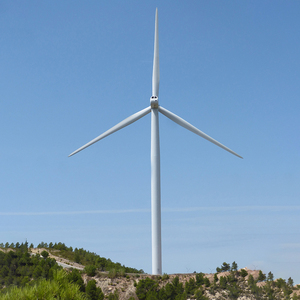
The primary barrier historically affecting small-to-medium wind generation reliability has been mechanical failure within multi-stage gearboxes. Traditional wind turbines utilize high-speed gearboxes that demand frequent oil swaps, seals replacement, and routine mechanical overhauls—costs that escalate severely under Seattle’s damp, salt-laden marine air atmosphere.
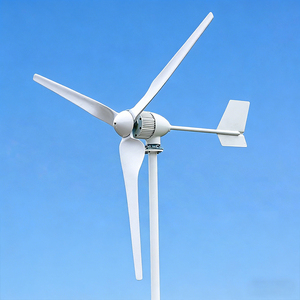
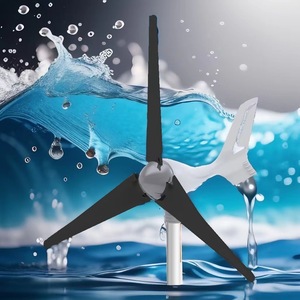
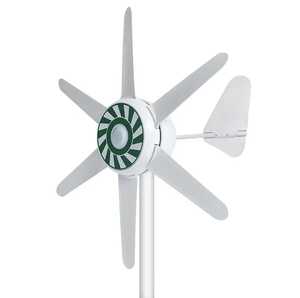
Our factory eliminates the gearbox entirely. By engineered application of Direct-Drive Permanent Magnet Generators (PMG) featuring neodymium-iron-boron (NdFeB) magnetic rotors and heavy-duty copper windings, our turbines rotate at low mechanical RPMs while yielding high electrical conversion efficiency. This architectural simplification reduces moving parts by 60%, delivering key operational advantages:
- Low Cut-in Wind Speeds: Starts generating clean energy at wind speeds as low as 1.8 m/s to 2.5 m/s, capturing low-velocity thermal breezes common in Puget Sound estuaries.
- Zero Gearbox Maintenance: Eliminates gear-oil changing schedules, fluid leakage risks, and gearbox tooth fatigue.
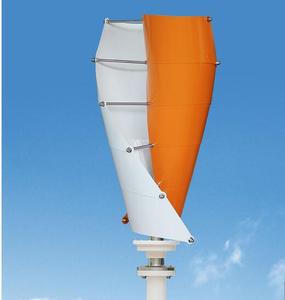
- Silent Operation (< 35 dB): Vertical-axis (VAWT) and micro-horizontal (HAWT) acoustic dampers comply strictly with Seattle Municipal Code 25.08 noise standards for urban and semi-rural boundary zones.
- 30-Year Engineered Lifespan: Marine-grade anti-corrosion coatings (C5-M standard) safeguard housings against salt fog along Puget Sound coastal zones.
Localized Seattle Application Scenarios
Skagit & Whidbey Agriculture
Dairy farms, poultry houses, and cold-storage operations require 24/7 continuous refrigeration and ventilation. Hybrid wind-solar systems supply uninterrupted power when solar arrays drop off during winter rainstorms.
- Protects sensitive dairy cooling tanks
- Small tower footprint preserves acreage
- Dramatically cuts winter utility peak tariffs
Puget Sound Maritime & Ports
Harbors, docks, and shipyards require low-voltage DC power for telemetry, bilge pumping, dock lighting, and electric boat charging stations under harsh salt-water spray environments.
- IP67 waterproofing & C5-M marine paint
- Seamless pairing with 12V/24V/48V battery banks
- Prevents shore-power dropouts
Cascade Mountain Off-Grid DERs
Remote telecom towers, research stations, and eco-lodges high in the Cascade mountains experience severe winter snowpacks where solar panels are routinely covered by heavy snow for weeks.
- Micro wind blade shedding eliminates snow build-up
- Automated SCADA remote diagnostic monitoring
- Replaces dirty diesel generators entirely
Comparative Technology Matrix: Microgrid Energy Sources in Seattle
To assist regional mechanical engineers, electrical contractors, and facility managers in evaluating distributed energy resources (DER), the following comparative matrix illustrates performance under Pacific Northwest operational conditions:
| Energy System Type | Winter Seattle Yield Efficiency | Land Footprint Required | 24/7 Continuity Index | 30-Yr LCOE ($/kWh Est.) | Maintenance Frequency |
|---|---|---|---|---|---|
| Direct-Drive Hybrid Wind+Solar+Storage | 92% - 96% Optimized | Minimal (< 15 sq ft tower base) | High (99.2%) | $0.042 / kWh | Annual Visual Inspection |
| Rooftop Solar PV Only | 22% - 35% (Winter Cloud Drop) | High Roof/Ground Area | Low (Daylight Only) | $0.088 / kWh | Bi-Annual Panel Cleaning |
| Diesel Generator Backup | 100% Fuel-Dependent | Medium (Fuel Storage Required) | Medium (Fuel Logistics Dependent) | $0.380 / kWh | Monthly Engine Service |
| Traditional Gearbox Small Wind | 75% (Mechanical Wear Losses) | Minimal Base Footprint | Medium (Gearbox Maintenance Downtime) | $0.115 / kWh | Quarterly Oil & Seal Replacement |
Market Trends & Regional Policy Drivers in Washington State
The Seattle market represents one of North America's fastest-growing sectors for distributed hybrid microgrids. Key policy and economic catalysts include:
- CETA Mandates & Net Metering Evolution: Utility providers in Washington State are restructuring net-metering credits and increasing peak-period demand charges for commercial customers. Hybrid energy systems featuring integrated MPPT controllers and battery storage allow owners to store excess daytime solar and night-time wind energy for peak-shaving during expensive utility windows.
- Grid Vulnerability & Atmospheric Rivers: Severe storm events in the Pacific Northwest frequently cause winter power outages across Western Washington. Facilities relying on hybrid wind-solar systems maintain critical operational resilience when localized utility distribution lines fail.
- Scope 2 Emissions Auditing: Major corporate enterprises operating in King, Pierce, and Snohomish counties require verifiable Scope 2 carbon footprint reductions. Installing visible, on-site small wind and solar assets demonstrates compliance with rigorous environmental auditing standards.
Factory Direct Advantage: Original Manufacturing & Global OEM/ODM Capacity
As a leading specialized Chinese energy system factory, we offer direct factory-to-site engineering solutions without intermediary price inflation. Our manufacturing facility integrates automated CNC coil winding, vacuum pressure impregnation (VPI) for stator insulation, dynamic rotor balancing, and automated test benches for every turbine produced.
For Seattle engineering distributors, installers, and project developers, we provide comprehensive white-label OEM/ODM services, including customized generator voltage windings (12V DC up to 480V 3-Phase AC), tailored tower mounting brackets capable of withstanding local IBC 140 mph wind load standards, and localized compliance certification support.