CE-compliant, high-efficiency wind turbines and rotor blades tailored for distributed generation, microgrids, and commercial deployments across Mexico.
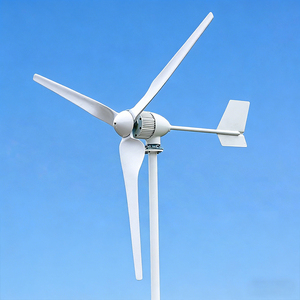
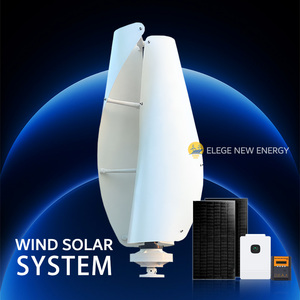
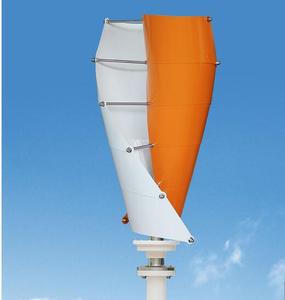
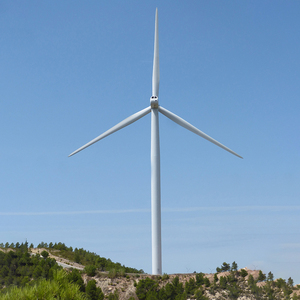
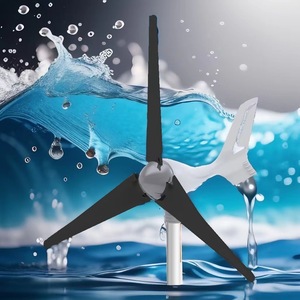
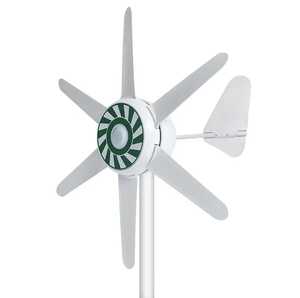
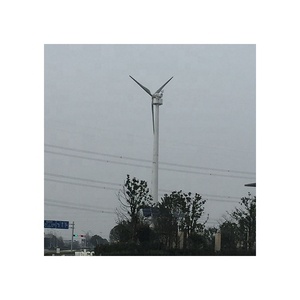
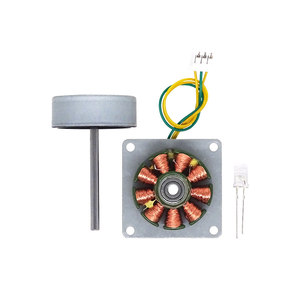
The operational landscape for distributed wind energy in Mexico demands an exceptional level of mechanical robustness and aerodynamic versatility. From the hurricane-prone coastal corridors of the Yucatán Peninsula and Oaxaca’s Isthmus of Tehuantepec to the high-temperature, dust-laden expanses of the Sonora and Chihuahua deserts, wind turbine blades face multi-vector environmental stress. As a premier CE certified wind blade manufacturer and exporter, our engineering paradigm leverages advanced structural composite manufacturing paired with custom aerodynamic foil profiles (NACA 63-4xx and DU series modifications) to maximize annual energy production (AEP) while extending structural fatigue life to 30 years.
A critical limitation of conventional market offerings is premature micro-cracking and aerodynamic surface degradation caused by intense solar UV irradiation and desert sand erosion. Our blades utilize Vacuum-Assisted Resin Transfer Molding (VARTM) with epoxy-matrix resin systems reinforced by multi-axial stitched E-glass and carbon-fiber hybrid spars. This engineering architecture achieves an optimal stiffness-to-weight ratio, preventing tip deflection during high wind shear events and maintaining strict dynamic balancing across all tip-speed ratios (TSR).
| Engineering Parameter | Standard E-Glass Blade | CE Certified Carbon-Hybrid (Our Factory) | Operational Impact in Mexico |
|---|---|---|---|
| Tensile Modulus (GPa) | 35 - 42 GPa | 78 - 95 GPa | Eliminates tower strike risks during Class I gusts |
| Manufacturing Process | Hand Lay-up / Open Mold | Closed Mold VARTM + Autoclave Cure | Zero internal void fraction (<0.5%), preventing fatigue failure |
| Surface Coating Protection | Standard Gelcoat | Aliphatic Polyurethane + Anti-UV Shield | Resists severe erosion in Sonoran desert & Gulf salinity |
| Aerodynamic Noise Rating | 65 - 72 dBA @ 10m | < 53 dBA (Trailing-Edge Serrations) | Fully compliant with Mexican urban & agricultural noise codes |
| Certification Standard | Basic ISO 9001 | CE, IEC 61400-2 / EN 61400-12-1 | Simplifies SENER, CFE, and municipal project permitting |
Furthermore, energy yield optimization in regions with complex terrain—such as the mountainous topographies of Hidalgo and Nuevo León—requires precise blade pitch response. Our aerodynamic profiles are optimized to retain laminar boundary layer flow even at low Reynolds numbers, guaranteeing a low cut-in wind speed (as low as 2.0 m/s) while preventing stalling during sudden wind direction fluctuations commonly recorded in northern industrial corridors.
Decarbonizing industrial supply chains, powering remote agricultural operations, and stabilizing distributed grids.
Manufacturing complexes in Monterrey, Saltillo, and Tijuana face stringent Scope 2 carbon emission caps imposed by international buyers. Integrating our high-yield wind turbine blade assemblies into on-site hybrid systems allows factories to hedge against rising utility tariffs, ensuring a stable, zero-carbon power supply for multi-shift production lines.
In agricultural regions like Sinaloa, Bajío, and Sonora, continuous energy for deep-well water pumping, cold storage logistics, and packing plants is vital. Our low-maintenance blades deliver steady nocturnal power generation, complementing daytime solar arrays to cut farm diesel generator dependence by over 85%.
Off-grid eco-resorts and shrimp farming installations along the Baja Peninsula and Quintana Roo coastlines require silent, non-polluting power generation. Built with salt-spray resistant polyurethane coatings and enclosed root flanges, our blades withstand high-humidity marine corrosion while protecting fragile marine environments.
The Mexican energy landscape is undergoing a structural realignment toward localized grid resilience and distributed energy resources (DER). With industrial energy demand escalating by 4.8% annually due to global manufacturing relocation (Nearshoring), the main transmission grid managed by the National Energy Control Center (CENACE) faces capacity constraints in major industrial hubs. Key market drivers include:
By partnering directly with our manufacturing facilities, Mexican EPC firms, equipment distributors, and project developers secure direct-factory pricing, customized blade pitch configurations, and certified compliance that drastically shortens project delivery schedules.
Proven manufacturing mastery, rigorous quality control, and complete export supply-chain security.
Every blade series produced in our facility undergoes rigorous static structural testing (flapwise and edgewise bending tests) and dynamic fatigue testing exceeding 5 million stress cycles. Certified by international testing bodies, our products conform to IEC 61400 standards, ensuring effortless customs clearance and grid acceptance in Mexico.
Aerodynamic imbalances lead to drivetrain wear and premature bearing failure. Our factory incorporates dual-plane digital laser balancing on 100% of manufactured rotors. This precision engineering guarantees smooth operational rotation, low acoustic emissions, and an ultra-high 98%+ operational availability rating.
We provide turnkey export packing in custom steel-framed, sea-freight crates engineered to prevent structural flex during ocean transit. With established shipping routes directly to key Mexican ports—including Manzanillo, Veracruz, Altamira, and Lázaro Cárdenas—we ensure on-time delivery with complete customs clearance documentation.
Everything technical buyers, engineers, and import managers need to know about purchasing our wind blades.
Connect with our aerodynamic engineering team today for custom technical consultations, factory-direct wholesale pricing, and reliable export fulfillment.
