Precision-engineered wind energy converters, micro-vertical turbines, and AI-enabled power systems optimized for Hamburg's coastal wind regimes and industrial grid interconnection standards.
As Northern Germany accelerates its Energiewende mandates and moves toward complete climate neutrality by 2045, enterprise energy consumers across the Metropolitan Region of Hamburg face unprecedented utility price volatility, grid congestion fees, and stringent Corporate Sustainability Reporting Directive (CSRD) requirements. This technical whitepaper examines how exporting advanced AI Energy Management Systems (EMS) combined with direct-drive wind energy convertors empowers industrial facilities, port logistics terminals, and agricultural enterprises in Hamburg to achieve energy sovereignty.
Hamburg serves as the logistics engine of Northern Europe, anchored by the Port of Hamburg (Hamburger Hafen), Europe’s third-largest container port. However, the region’s massive industrial electrification—spanning cold ironing for container vessels, automated container gantries at Waltershof and Altenwerder, chemical processing plants in Harburg, and heavy logistics facilities—presents complex grid balancing hurdles:
Traditional static energy management tools rely on historical rule-based schedules that fail during unpredicted weather shifts or dynamic spot price surges on the EPEX SPOT exchange. Our exported AI Energy Management System dynamically ingests real-time LiDAR wind speed forecasting, machine-learning load prediction, and day-ahead market signals to orchestrate direct-drive wind turbines, solar PV arrays, and Battery Energy Storage Systems (BESS) down to millisecond intervals.
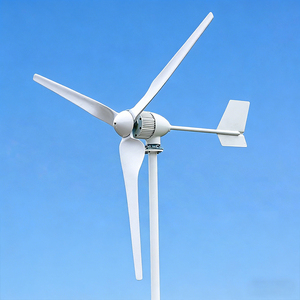
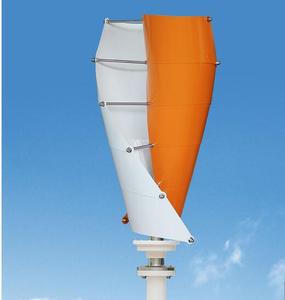
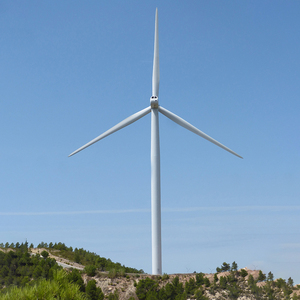
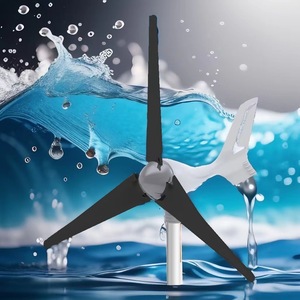
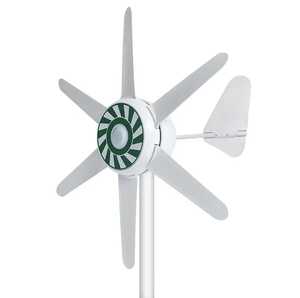
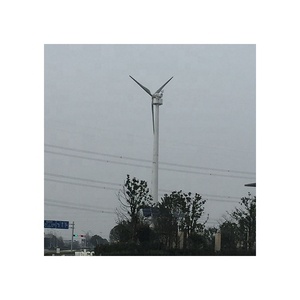
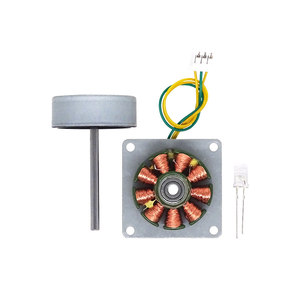
A primary failure point in conventional distributed wind turbines operating across Northern Germany’s coastal environments is mechanical gearbox breakdown caused by turbulent micro-climates and salt-laden air. Our exported turbine systems (ranging from low-RPM vertical axis micro generators up to the heavy-duty 90 kW EOX M-26 platform) utilize an advanced Direct-Drive Permanent Magnet Generator (PMG) architecture.
By coupling the rotor directly to a slow-rotating multi-pole synchronous generator, we eliminate high-speed mechanical gear trains, hydraulic pitch fluids, and oil lubrication requirements entirely. This engineering philosophy delivers distinct performance advantages for Hamburg operators:
Built on two decades of pioneer power-electronics manufacturing, our export-grade AI EMS and wind systems combine rugged hardware durability with intelligent cloud telematics.
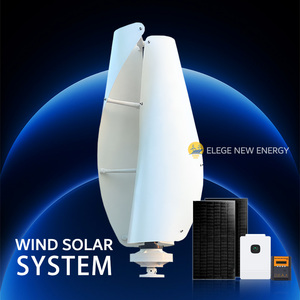
Integrates behind-the-meter wind, solar photovoltaics, and BESS into a unified smart asset. The AI engine executes predictive battery dispatching, dynamic peak shaving, and automatic frequency response tailored to Hamburg grid tariffs.
Engineered specifically for coastal environments. All external steel structures, nacelle enclosures, and rotor hubs undergo hot-dip galvanization and ISO 12944 C5-M high-durability marine epoxy coating to withstand Elbe estuary salt atmospheric stress.
Equipped with advanced grid-forming power electronics capable of black-start operation and islanded microgrid mode. Ensures continuous operational uptime for critical maritime cold-storage and manufacturing facilities during main utility dropouts.
From port logistics terminals to agricultural processing units in the surrounding Metropolregion Hamburg, our systems solve site-specific energy challenges.
Logistics depots across Altenwerder and Kleiner Grasbrook experience high electricity demand driven by automated guided vehicles (AGVs), electric crane operations, and reefer container cooling. Installing our AI-driven wind-solar-storage microgrids allows port operators to capture strong, reliable Elbe river wind resources, buffering high-power charging events and avoiding grid penalty fees.
Medium-sized industrial enterprises in heavy manufacturing, polymer processing, and food production often operate constrained roof spaces unsuitable for extensive solar PV. Our high-yield direct-drive wind turbines require a compact ground footprint of less than 35 m² while producing up to 45% of their total energy during night shifts and winter months when solar output drops.
Agricultural operations in the surrounding Hamburg agricultural belts—such as fruit cold-storage facilities in Altes Land and dairy operations—require high-reliability continuous power for climate-controlled stores. The AI Energy Management System prioritizes self-consumption, storing excess wind power in modular battery banks for immediate dispatch during high-tariff periods.
With Hamburg establishing itself as Northern Europe's green hydrogen epicenter (Moorburg electrolyzer initiatives), localized direct-drive wind energy convertors exported by our firm provide the stable, non-intermittent green electron supply required to drive decentralized electrolyzer stacks without overloading local distribution transformers.
Technical comparative evaluation of our direct-drive wind convertors and AI Energy Management System platforms designed for international B2B procurement.
| System Parameter | Micro-Turbine Series (0.3kW - 2kW) | S-Series Distributed Wind (10kW - 25kW) | M-Series EOX M-26 (90kW Industrial) | EOX WS²+ AI Hybrid BESS |
|---|---|---|---|---|
| Primary Target Application | IoT Telematics, Street Lighting, Marine | Commercial Farms, Small Workshops | Industrial Plants, Port Logistics, Microgrids | Behind-the-Meter Energy Arbitrage & Resilience |
| Drivetrain Technology | Direct-Drive Brushless PMG | Direct-Drive Synchronous PMG | Direct-Drive Heavy PMG (Gearbox-Free) | Solid-State AI Bidirectional Converter |
| Cut-in Wind Speed | 1.5 m/s - 2.0 m/s | 2.2 m/s | 2.5 m/s | N/A (Software Controlled) |
| Design Life / Availability | 15+ Years / 95% | 30 Years / >98% | 30 Years / >98.5% | 15 Years Battery / 30 Years Controller |
| Grid Compliance | CE, RoHS, Low Voltage Directives | VDE-AR-N 4105, CE, G99 | VDE-AR-N 4110 (TR3/TR4), CE, IEEE 1547 | VDE-AR-N 4110 / 4120, EN 50549-2 |
| AI / Telematics Suite | Basic MPPT Logic | Remote SCADA Portal | Advanced SCADA + Predictive Maintenance | AI Neural Network Load Arbitrage & BESS Management |
| Corrosion Protection | Anodized Aluminum / IP65 | C4 Industrial Coating | C5-M Marine Heavy Corrosion Protection | IP65 Enclosure with Climate Control |
Understanding the regulatory drivers, feed-in tariffs, and decarbonization mandates defining energy investment in Hamburg.
Germany’s updated Erneuerbare-Energien-Gesetz (EEG 2023) prioritizes renewable self-consumption while accelerating approval processes for commercial behind-the-meter generation assets under 100 kW, dramatically shortening permitting timelines across Hamburg municipal districts.
With wholesale electricity prices fluctuating sharply due to renewable intermittency in Schleswig-Holstein, our exported AI EMS monetizes price volatility by automatically charging onsite battery storage during negative price hours and discharging during peak evening spot prices.
International buyers sourcing goods manufactured in Hamburg now require verifiable Scope 2 carbon footprint accounting. Onsite direct-drive wind generation offers transparent, non-fossil powered manufacturing credentials that satisfy strict European supply chain sustainability mandates.
Addressing essential technical, regulatory, and logistical considerations for importing AI Energy Management Systems and wind convertors into Northern Germany.
Partner with a trusted global exporter of AI Energy Management Systems and direct-drive wind convertors. Contact our engineering team today for a comprehensive site assessment, wind yield yield analysis, and customized system proposal.
