In an era of volatile utility tariffs and stringent Scope 2 carbon accounting, commercial, agricultural, and industrial site operators require long-term energy independence. As a global pioneer in direct-drive permanent magnet wind turbine manufacturing, we engineer systems that turn wind resources into bankable, low-LCOE power assets.
Browse our verified portfolio of micro-wind turbines, rooftop systems, and industrial vertical/horizontal generators manufactured for maximum aerodynamic yield.







As commercial procurement managers weigh capital expenditure (CAPEX) against decades of operational operational expenditure (OPEX), the wind energy equipment market is undergoing four major structural shifts.

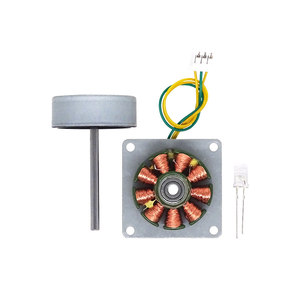
Traditional geared wind turbines incur severe maintenance overheads, requiring frequent oil flushes, planetary gear replacements, and high failure rates in extreme weather. Modern commercial procurement favors gearbox-free Direct-Drive Permanent Magnet Generators (PMG). Direct-drive architecture locks in low mechanical loss, lowers cut-in speeds, and ensures continuous generation across a 30-year design horizon.

Solar arrays produce exclusively during sunlight hours, leaving facilities vulnerable to evening peak tariffs. Future procurement trends highlight Wind-Solar-Storage (BESS) hybrid topologies managed by AI-driven energy management systems. Wind generation peaks during night-time and winter months, seamlessly complimenting solar PV profiles for flat grid demand curves.

Leading wind system suppliers now embed Industrial Internet of Things (IIoT) sensors directly into turbine nacelles. Real-time telemetry tracks vibration signatures, thermal dynamics, and grid compliance remotely. Predictive maintenance algorithms identify bearing stress weeks before physical wear occurs, maintaining fleet availability above 98%.
Since 2001, our engineering philosophy has focused on simplifying the mechanics of distributed wind turbines to deliver uninterrupted power under harsh climatic conditions.
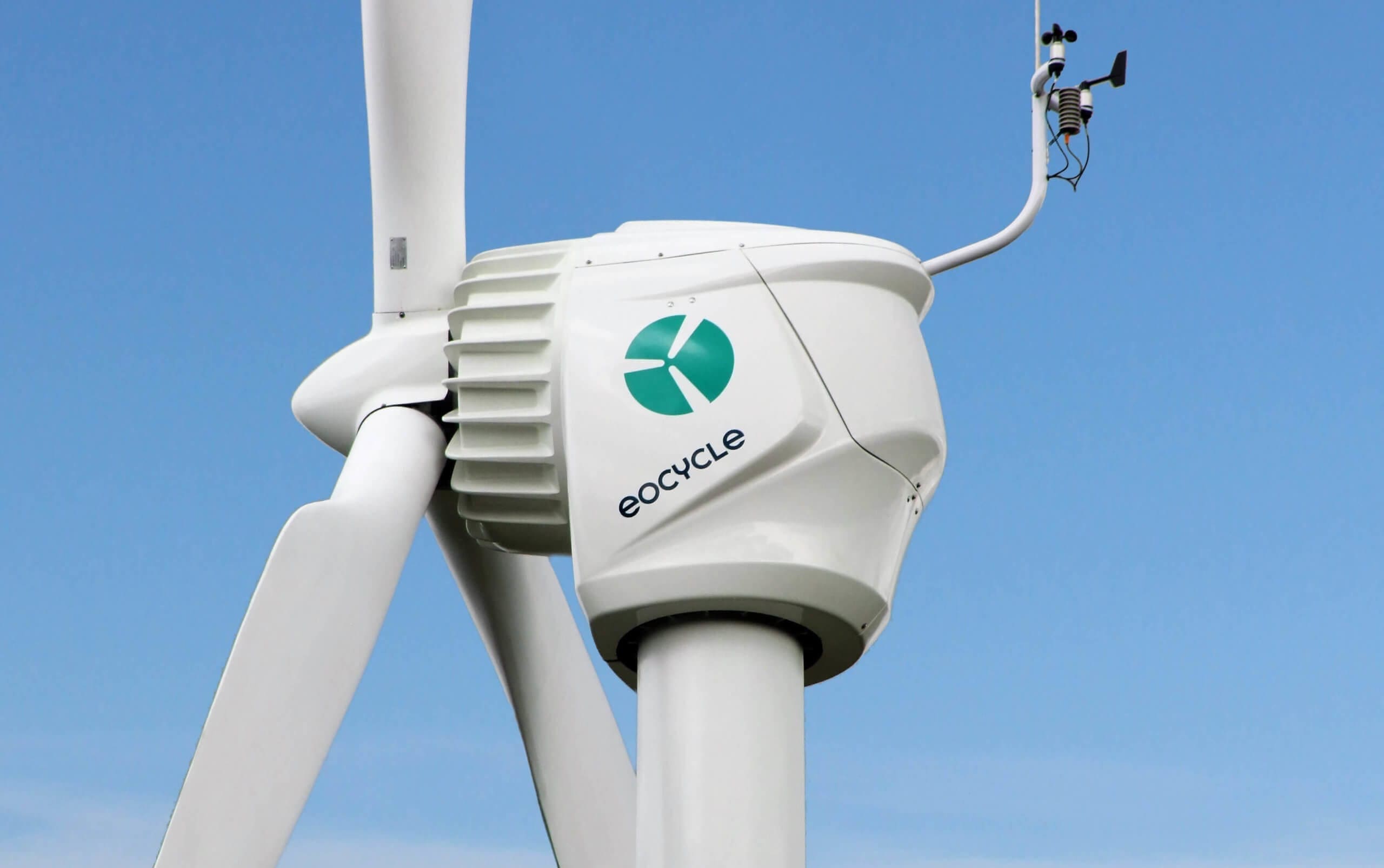
Standard light-duty turbines suffer structural degradation under turbulent winds or sub-zero conditions. Our platform utilizes aerospace-grade composite rotor blades, sealed marine-grade nacelles, and passive electromagnetic overspeed protection.

Agricultural operations run 24/7. Grain drying, automated feeding systems, ventilation fans, and milk chilling require continuous electrical power. Solar alone creates gaps during winter months when electrical loads spike.
By erecting a tall-tower small wind turbine on unused acreage, farms capture clean power without taking arable land out of production. Excess generation can be offset via net metering or diverted directly to on-site cold storage.
Industrial facilities, logistics centers, and cold-storage plants often have rooftop weight constraints that limit solar PV installations. Distributed horizontal and vertical wind systems provide a high energy yield per square meter of foundation footprint.
Integrating clean wind power behind the meter reduces peak demand surcharges and provides auditable Scope 2 emissions reduction for corporate sustainability reporting.

Remote mining outposts, island resorts, and telecom relay stations typically rely on expensive diesel generator power with complex fuel transport logistics. Integrating direct-drive wind turbines into island microgrids dramatically slashes fuel usage.
Paired with battery energy storage systems (BESS), wind turbines form a resilient, self-healing power grid capable of seamless islanding during main grid failure.
A successful B2B wind asset requires more than delivering hardware. We manage every phase from wind resource assessment to grid interconnection under one contract.
Long-term LiDAR wind speed modeling mapped against your facility's 15-minute interval utility load profile.
Transparent modeling of Levelized Cost of Energy, payback timeline, ROI, and localized tax/grant incentives.
Full management of local zoning compliance, acoustic modeling, environmental screening, and utility interconnect filings.
Foundation pouring, tower erection, electrical wiring, inverter synchronization, and safety commissioning.
24/7 cloud telemetry supervision, scheduled preventive annual inspections, and local spare parts logistics support.
As an initial engineering screening threshold, sites experiencing an average annual wind speed of 5.0 m/s (approx. 11 mph) or higher at hub height yield positive financial returns. Our engineering team conducts parcel-specific modeling using long-term satellite wind datasets and local anemometer readings before recommending tower heights (typically 30m to 36m) to elevate rotor blades into cleaner, higher-velocity air flows.
Geared turbines rely on complex planetary gearboxes to convert low rotor RPM into high generator RPM. These gearboxes are the primary point of failure in small wind systems, demanding frequent oil changes and prone to mechanical breakdowns. Direct-drive systems utilize low-speed Permanent Magnet Generators (PMG) directly coupled to the rotor hub. This eliminates gear maintenance entirely, increases electrical conversion efficiency, and delivers operational lifecycles exceeding 30 years.
While solar PV generates exclusively during sunny daytime hours, wind turbines generate day and night, during winter storm fronts, and throughout overcast conditions—matching the heavy, around-the-clock consumption profiles of dairies, cold storage facilities, and manufacturing plants. Furthermore, wind turbines occupy a tiny ground footprint (just the foundation pad), keeping surrounding agricultural acreage fully operational.
Because direct-drive architectures contain no gearbox oil to replace, routine servicing is minimal—typically consisting of a annual physical inspection of blade leading edges, bolt torque verification, and electrical cabinet checkups. Automated SCADA monitoring continuously streams operational health metrics to detect thermal or electrical anomalies prior to component failure.
We deliver complete turnkey execution. Our engineering team handles local municipal zoning permits, acoustic setback evaluations, environmental impact assessments, utility interconnection applications, and grid compliance testing, ensuring zero administrative friction for your internal team.
Yes. Our systems are fully compatible with microgrid controllers, diesel gensets, and battery energy storage systems (BESS). In off-grid or weak-grid environments, our smart hybrid control systems prioritize renewable wind and solar energy, throttling down diesel generators to minimize fuel consumption while maintaining strict voltage and frequency stability.
Send us your site coordinates and recent utility electricity bills. Our application engineering team will prepare a complimentary wind yield simulation, financial payback model, and turnkey project quote.
