Examine our engineered selection of commercial, industrial, agricultural, and residential wind power solutions. Built with high-grade permanent magnets, advanced aerodynamic rotors, and rugged weatherproofing to guarantee decades of continuous energy yield.
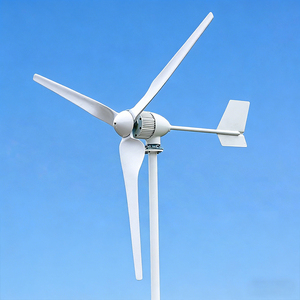
Engineered for urban and suburban residential rooftops, featuring ultra-low cut-in wind speeds, low-vibration mounting dampers, and high-efficiency direct-drive generation.
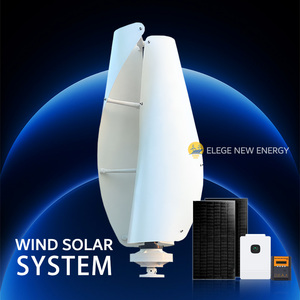
Omnidirectional vertical-axis architecture delivering whisper-quiet acoustics, ideal for turbulent airflow environments, battery charging, and off-grid micro-power systems.
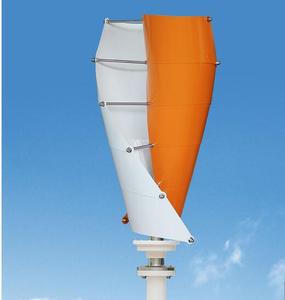
Compact micro-scale turbine kit optimized for off-grid telemetry stations, marine vessels, agricultural monitoring sensors, and auxiliary energy backup units.
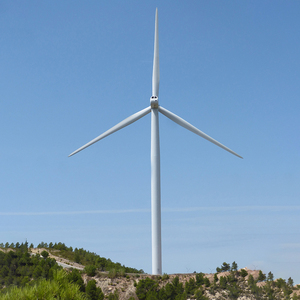
Ultra-low power harvesting turbine built for extreme outdoor environments, powering remote IoT nodes, weather stations, and continuous optical sensors without grid access.
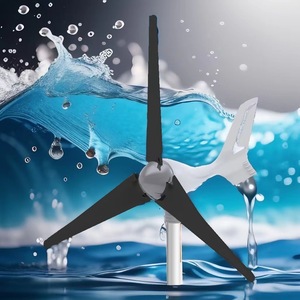
Tailored for wind-solar hybrid streetlights, perimeter security surveillance, and highway signaling equipment, delivering steady power output under high turbulence.
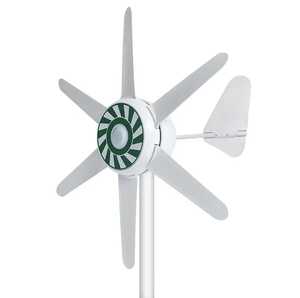
All-in-one micro generator featuring integrated rectifier and charge controller circuitry, offering simplified plug-and-play installation for off-grid battery arrays.
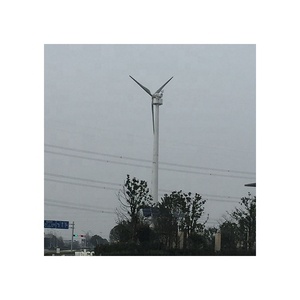
Commercial-grade 5kW platform equipped with precision-molded aerodynamic blades, automatic yaw control, and electromagnetic overspeed braking for agricultural and industrial loads.
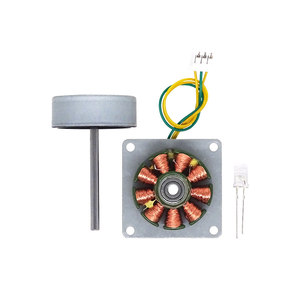
Modular three-phase AC permanent magnet dynamo designed for custom OEM integration, scientific research educational kits, and low-voltage energy harvesting systems.
In distributed energy, long-term reliability trumps initial capital cost. Our direct-drive engineering philosophy removes mechanical weak points, resulting in unmatched energy availability and predictive lifecycle economics.
Traditional small wind turbines rely on high-ratio mechanical gearboxes to step up low rotor RPM to 1500+ RPM for conventional generators. Gearboxes introduce friction losses, require frequent oil replacements, and represent the primary cause of downtime in remote harsh environments.
Our OEM solutions utilize multi-pole Permanent Magnet Synchronous Generators (PMSG) directly coupled to the rotor shaft. Operating at lower rotational speeds without a gearbox eliminates high-frequency vibration, mechanical fatigue, and gear wear—yielding a continuous 30-year operational horizon with minimal annual inspection needs.
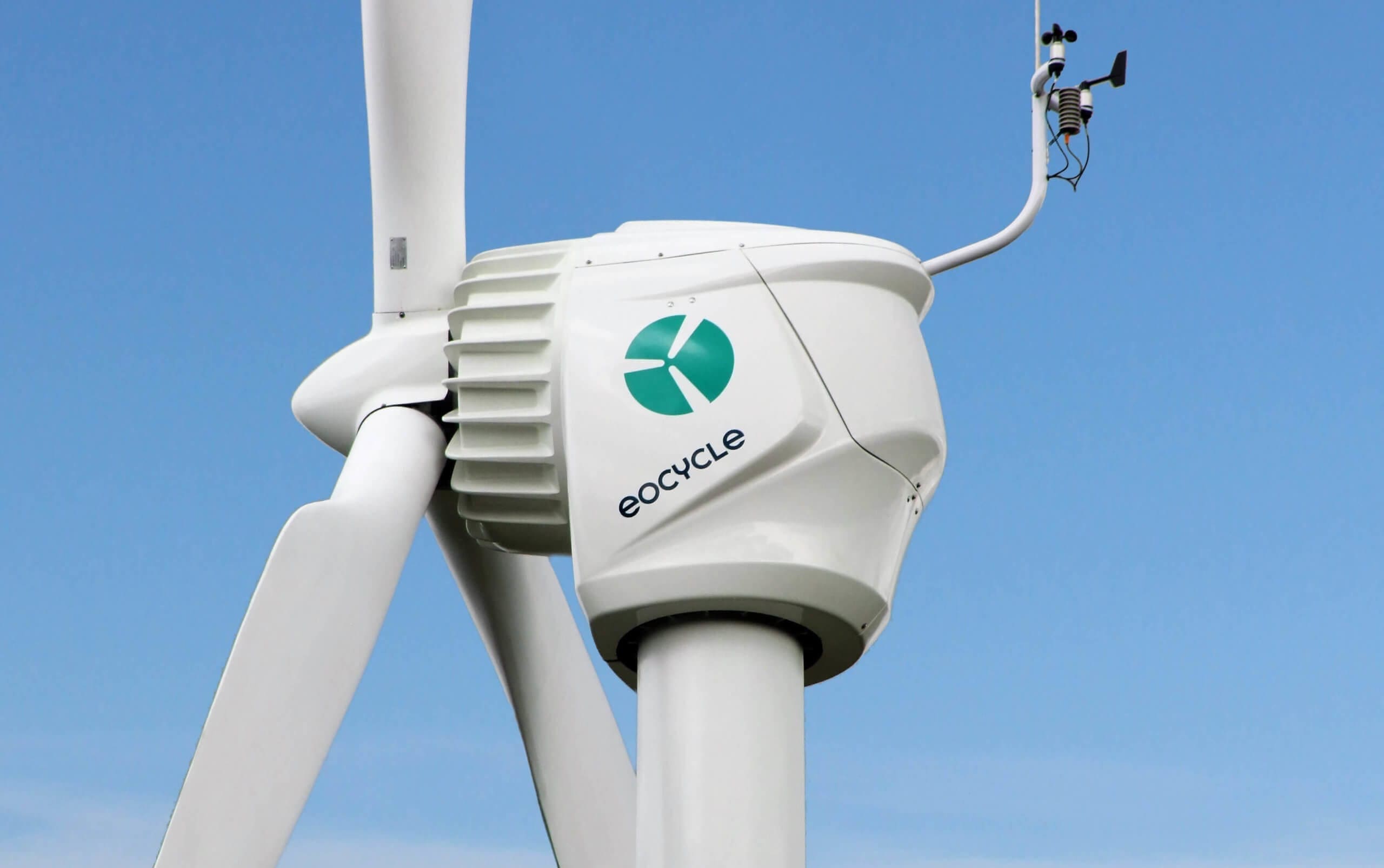

Sourcing a high-reliability wind energy converter demands full lifecycle integration. Certified suppliers deliver comprehensive project delivery: long-term wind resource modeling (Weibull shape & scale parameters), acoustic impact mapping, structural tower foundation engineering, utility grid interconnection studies, and automated SCADA integration.
Whether deploying for commercial feedyards, industrial plants, cold-storage logistics centres, or remote telecom microgrids, our end-to-end framework guarantees compliance with local grid codes (IEEE 1547 / UL 1741) and international safety benchmarks (IEC 61400-2).
Salt-spray resistant C5-M marine-grade coatings, stainless steel fasteners, and temperature-rated Neodymium (NdFeB Grade N45SH) magnets capable of resisting demagnetization at ambient extremes from -40°C up to +60°C.
Real-time cellular and satellite telemetry tracking output voltage, current, rotor RPM, winding temperature, and vibration. Automated anomaly detection prompts preventive maintenance before critical failures occur.
Generate auditable, zero-carbon electricity right behind the meter. Ideal for commercial enterprises seeking ISO 5001 compliance, carbon credit verification, and corporate ESG sustainability disclosures.
The small wind power industry is undergoing rapid technical evolution. Modern engineering breakthroughs are transitioning micro and small wind from secondary niche applications into high-availability base-load DER assets.
Blade designers are abandoning traditional NACA airfoils in favor of custom low-Reynolds-number profiles featuring serrated trailing edges and winglets. These advancements suppress vortex shedding noise, allowing installations close to commercial facilities without exceeding 45 dBA sound boundaries.
Wind and solar profiles are naturally anti-correlated: wind speeds typically peak at night and during winter, while solar energy peaks on clear summer days. Integrated microgrid systems, such as the EOX WS²+ platform, unify solar PV arrays, wind turbines, and Lithium Iron Phosphate (LFP) energy storage via unified AI EMS software.
Next-generation wind power controllers are incorporating Silicon Carbide (SiC) and Gallium Nitride (GaN) power switches. This upgrades inverter efficiency to >98.5%, reduces thermal heat sink mass by 40%, and allows precise MPPT sampling at high frequencies for turbulent wind environments.
| Evaluation Parameter | Direct-Drive PMG (Horizontal Axis) | Geared Conventional (Horizontal Axis) | Vertical Axis (VAWT / Maglev) |
|---|---|---|---|
| Mechanical Complexity | Low (Single Rotating Assembly) | High (Gearbox, Oil Pump, High-Speed Shaft) | Moderate (Vertical Bearing Stack) |
| Downtime & Maintenance | Ultra-Low (Annual Visual Check) | High (Frequent Oil Changes & Gear Audits) | Low-Moderate (Bearing Replacement) |
| Low Wind Speed Efficiency | Excellent (Low Mechanical Friction) | Poor (High Gearbox Breakaway Torque) | Moderate (Drag/Lift Vector Loss) |
| Acoustic Emission | Quiet (<48 dBA @ 10m) | Moderate-High (Gear Mechanical Whine) | Ultra-Quiet (<40 dBA @ 10m) |
| Design Lifespan | 25 – 30+ Years | 10 – 15 Years (Gearbox Overhaul Required) | 15 – 20 Years |
B2B buyers, EPC contractors, and microgrid developers are changing how small wind assets are evaluated and procured. Strategic procurement teams are shifting focus from initial purchase price (CAPEX) to Levelised Cost of Electricity (LCOE) and supply chain transparency.
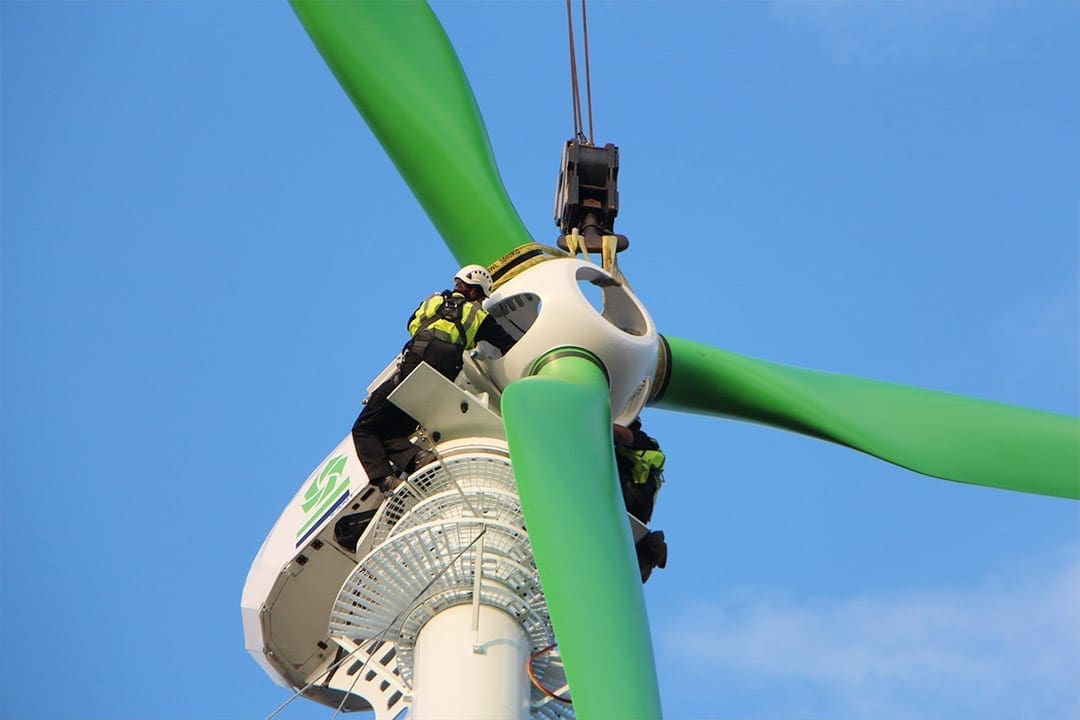
Evaluating turbines solely by dollar-per-watt ($/W) rated capacity leads to poor purchasing decisions. Rated capacity is measured at peak wind speeds (typically 11–12 m/s). What determines financial return is the net annual energy production (AEP) at real-world site wind speeds (4.5–6.5 m/s).
Enterprise buyers now demand standardized LCOE modeling computed via:
Direct-drive machines deliver lower overall LCOE by avoiding gearbox overhauls, maintaining higher availability (>98%), and extending project life up to 30 years.
Global supply chain vulnerability has accelerated scrutiny over generator materials and power electronics. Quality assurance teams require verification of core raw material specifications:
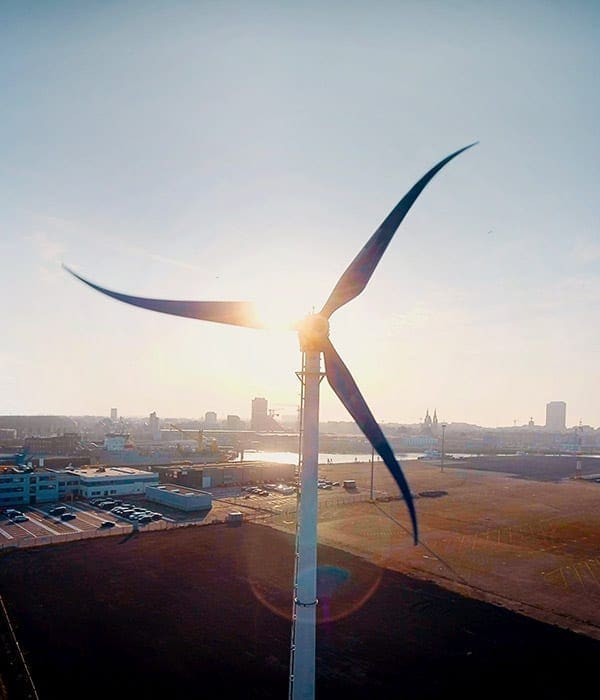
Discover how different economic sectors integrate distributed wind turbines to hedge against rising utility tariffs and secure energy independence.
Dairies, livestock feedyards, and irrigation districts consume continuous energy for refrigeration, water pumping, and ventilation. Wind turbines utilize open farmland, operating day and night to generate dense kilowatt-hours without disrupting land usage.
Factories, logistics hubs, and cold-storage plants face elevated demand charges during peak daytime grid hours. On-site wind generation lowers peak demand draw and provides verifiable carbon offsets required by corporate supply chains.
Off-grid communities, mining camps, and island grids relying on expensive diesel transport reduce fuel delivery logistics by up to 80% when augmenting microgrids with direct-drive wind energy converters and battery systems.
Detailed answers to fundamental technical, financial, and operational questions asked during wind asset evaluation.
Partner with an established OEM manufacturer to conduct a zero-obligation site feasibility assessment, long-term wind yield calculation, and customized LCOE payback financial model.
