Explore our engineered lineup of small, micro, and utility-adjacent wind turbine generators built for behind-the-meter industrial plants, agricultural microgrids, solar-hybrid backups, and telecom infrastructure.
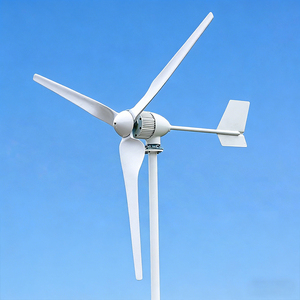
Compact, ultra-low start-up torque horizontal axis wind generator optimized for residential microgrids and agricultural rooftop power supplement.
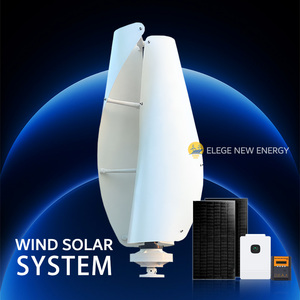
Omni-directional vertical axis system integrated with intelligent MPPT charge control, engineered for low sound emission and dense ambient winds.
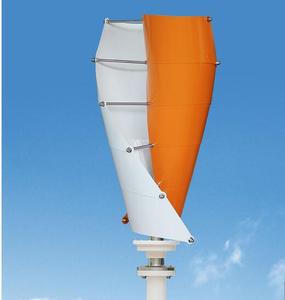
Precision-balanced micro vertical blade kit designed for battery trickle charging, marine monitoring stations, and remote off-grid telemetry nodes.
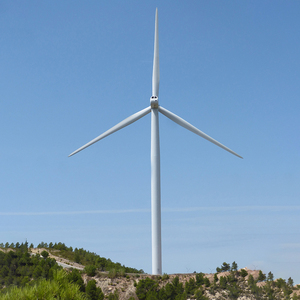
Heavy-duty weather-sealed micro turbine built for continuous outdoor operation, environmental sensing networks, and extreme climate durability.
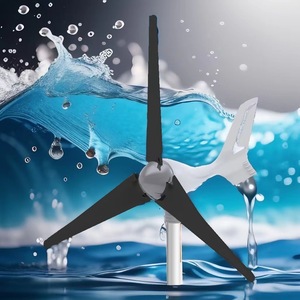
High-efficiency aerofoil blade setup tailored for solar streetlights, security surveillance towers, and hybrid municipal lighting infrastructure.
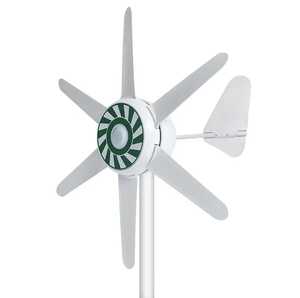
Plug-and-play self-contained mini wind system featuring integrated rectifiers for simplified installation in remote DC power applications.
Commercial-grade 5kW generator engineered for agricultural farms, small business facilities, and industrial behind-the-meter offset.

Custom AC three-phase permanent magnet alternator module ideal for OEM educational kits, low-voltage energy harvesting, and experimental rigs.
In an era of volatile utility tariffs and mounting regulatory pressure for Scope 2 carbon reductions, industrial procurement managers and microgrid developers require more than standard off-the-shelf equipment. They demand an manufacturing partner with verified Experience, Expertise, Authoritativeness, and Trustworthiness (E-E-A-T).
Founded in Montréal, Canada in 2001, our engineering philosophy was born from a fundamental critique of traditional distributed wind energy: mechanical gearboxes represent the single greatest point of failure in small-to-medium turbines. Gearbox oil degradation, high dynamic tooth wear, and intense annual service overhead severely undermine long-term Levelized Cost of Energy (LCOE). Our pioneering solution was the development of high-torque, direct-drive permanent magnet generators (PMG). By coupling the rotor hub directly to an electro-magnetically optimized low-RPM alternator, we eliminated the gearbox entirely—removing gear oil replacement routines, diminishing friction loss, and raising fleet operational availability above 98% across sub-zero Canadian prairies, salt-laden coastal regions, and dusty agricultural environments.
As a global exporter and premier supplier, we provide fully integrated, turnkey Distributed Energy Resource (DER) engineering. A common friction point in commercial energy procurement is managing fragmented vendor chains—juggling civil contractors, wind assessors, grid interconnection consultants, and maintenance crews.
We streamline this complex lifecycle under one unified engineering standard:
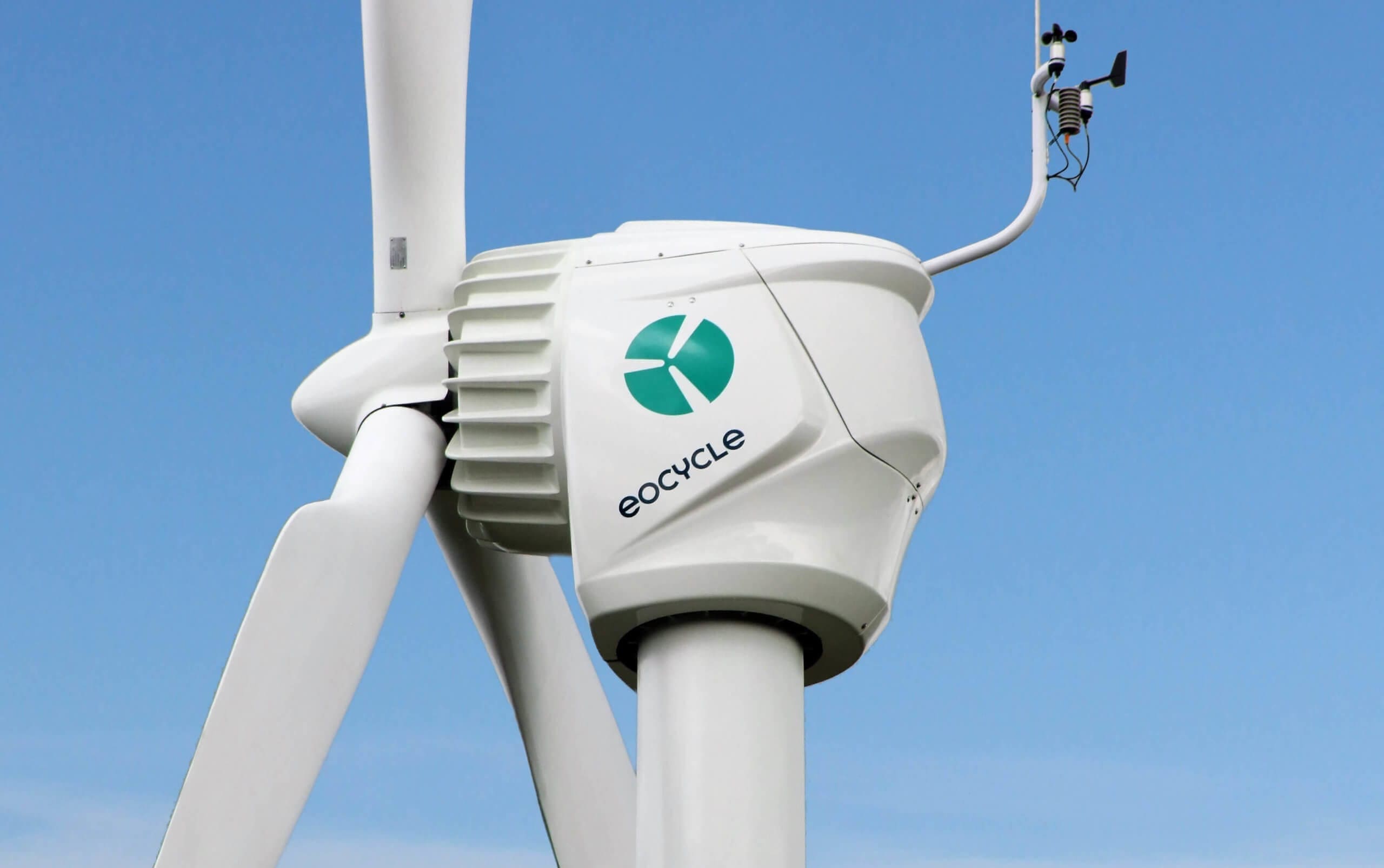
Zero gearbox design utilizes high-grade Neodymium-Iron-Boron (NdFeB) rare-earth magnets, yielding mechanical efficiency over 96% and eliminating costly transmission maintenance.
Structural components, tower assemblies, and double-sealed main bearing housing units are stress-tested under IEC 61400-2 storm load parameters for 30 years of utility service.
Real-time IoT cloud portals track rotor RPM, stator temperature, power curves, and vibration profiles, empowering facility operators with automated alerts and remote lockouts.
As global power grids experience structural congestion and extreme tariff volatility, enterprise procurement strategy is undergoing a rapid evolution. Understanding these forward-looking procurement dynamics is critical for C-suite buyers, facility engineers, and renewable energy EPCs planning investments through 2035.
Commercial facilities, feedyards, water treatment plants, and cold-storage operations are transitioning away from pure grid power reliance. Utility transmission upgrade surcharges and peak demand pricing have inflated industrial electricity costs by up to 40% in key international markets over recent years. BTM wind turbine generators lock in a fixed, predictable cost per kilowatt-hour (kWh) for 25 to 30 years, serving as a financial hedge against utility inflation.
Single-source renewable installations face natural diurnal limitations. Solar PV peaks during daytime hours, while ambient wind profiles frequently peak during evening, night, and winter months. Procurement managers are increasingly requesting integrated Wind-Solar-Storage (EOX WS²+ type) systems governed by unified AI energy management software. This tri-brid architecture flattens site demand curves, eliminates demand charge spikes, and ensures 24/7 power autonomy for critical loads.
Global brand buyers are instituting mandatory carbon accounting throughout their supplier tiers. Offsetting emissions via unbundled carbon credits is no longer accepted by leading ESG frameworks. On-site, physical wind turbine installations provide verifiable, auditable green electricity generation right at the production facility, directly boosting supplier competitiveness during contract renewals.
Industrial buyers are phasing out traditional geared wind turbines under 500kW due to elevated high-altitude servicing costs and crane rental overhead. Direct-drive permanent magnet architecture has become a mandatory technical specification in international commercial tenders, prioritizing long-term asset availability over initial low-bid equipment pricing.
| Evaluation Parameter | Traditional Geared Turbines | Eocycle Direct-Drive PMG Systems | Industrial Rooftop Solar PV |
|---|---|---|---|
| Drivetrain Mechanical Wear | High (Gearbox, Oil, Shaft Seals) | Minimal (Zero Gearbox / Single Bearing Assembly) | Static (No Rotating Components) |
| Operating Hours & Capacity Factor | 20% – 30% (Wind Dependent) | 30% – 45% (24/7 Day/Night Generation) | 15% – 22% (Daylight / Sun Angle Restricted) |
| Land Footprint Utilization | Moderate Pad Requirement | Ultra-Compact (Single Monopole Base) | Extensive Roof / Ground Area Required |
| Estimated Asset Service Life | 15 – 20 Years (Major Overhaul at Yr 10) | 30 Years (Engineered Low-RPM Design) | 20 – 25 Years (Panel Degradation) |
| Scheduled Maintenance Interval | Semi-Annual (Oil changes, gearbox checks) | Annual Visual Inspection & SCADA Diagnostics | Periodic Washing / Inverter Checks |
The wind energy generator domain is experiencing rapid technological refinement driven by advancements in materials science, computational fluid dynamics (CFD), power electronics, and artificial intelligence. Our R&D division continues to push the performance envelope across several core technological vectors:

Modern small and micro wind turbines are deployed increasingly close to commercial buildings, agricultural centers, and residential zones. Acoustic noise mitigation is a paramount engineering objective. By utilizing specialized stall-regulated glass-fiber composite blade profiles with serrated trailing edges and optimized tip-speed ratios (TSR), our generators minimize aerodynamic shear noise, allowing quiet operation well within urban sound threshold regulations.
To maximize cumulative kWh production in lower ambient wind regimes, advanced generator stator topology features optimized slot-pole configurations that minimize cogging torque. Combined with smart electronic Maximum Power Point Tracking (MPPT) inverters, systems begin harvesting usable clean electricity at wind speeds as low as 2.0 m/s – 2.5 m/s, significantly extending daily active generation hours.
Distributed wind turbines are no longer isolated generation assets. Modern development incorporates native industrial Modbus, CAN-bus, and Ethernet communication interfaces that allow seamless synchronization with site Energy Management Systems (EMS). Edge AI algorithms forecast local wind speeds 24 hours in advance using meteorological weather feeds, pre-charging battery banks or shedding non-critical industrial loads to optimize peak tariff shaving automatically.
From arctic low-temperature steel embrittlement to marine salt spray atmosphere, structural durability dictates project ROI. Today’s top-grade generators feature hot-dip galvanized tower structures, C5-M marine-grade multi-layer epoxy coatings on nacelle enclosures, and hermetically sealed copper stator windings to ensure corrosion resistance across demanding industrial exposures.
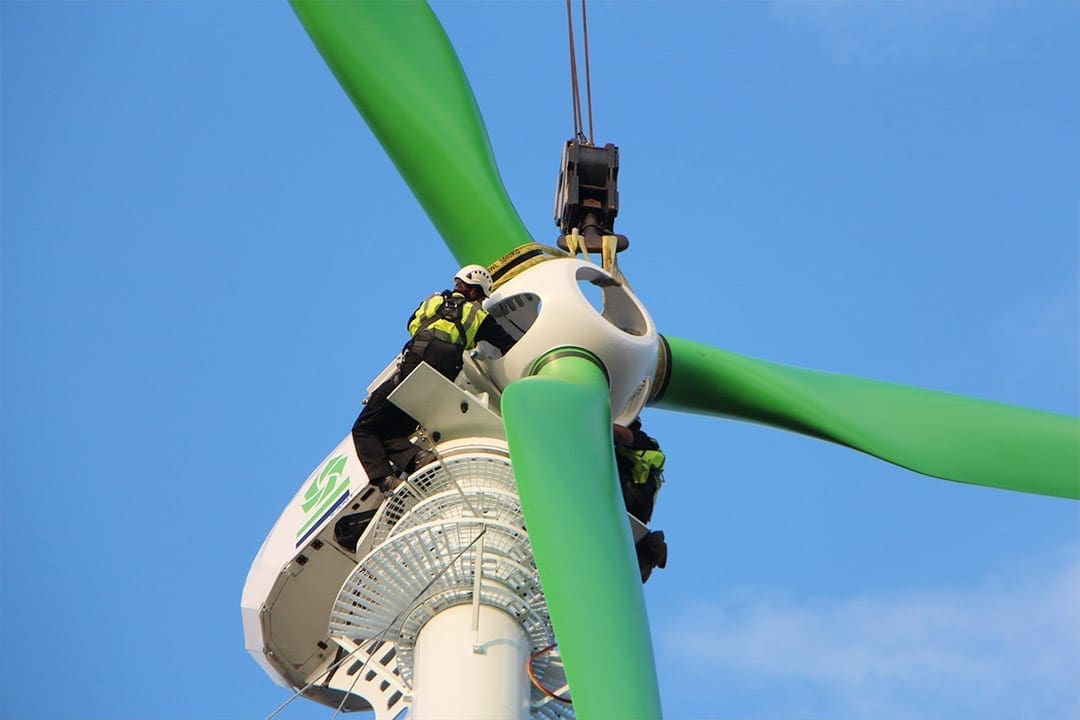
Every sector operates with unique energy load curves, operational hours, and site spatial constraints. Our wind turbine generator architecture is customized to address the operational realities of distinct industries:
Farms, dairies, and feedyards experience high, continuous electric loads from refrigeration, ventilation, grain drying, and automated feeding systems. Wind turbines utilize open field buffer zones without taking active acreage out of crop production or cattle grazing, matching peak winter energy production with seasonal heating and ventilation demands.
Manufacturing plants and logistics centers face steep peak demand tariffs. Behind-the-meter wind turbines deliver high energy density per square meter, generating electricity directly into the facility main switchgear to offset 2-shift and 3-shift factory consumption profiles.
Isolated island communities, mining outposts, and telecom relay stations rely on expensive, diesel fuel transport. Integrating direct-drive wind generators with battery storage drastically cuts diesel fuel burn, fuel transport logistics risks, and runtime engine wear.
Detailed technical guidance for facility operators, procurement directors, and microgrid project engineers evaluating wind energy generator investments.
Submit your project location and past 12 months of utility interval electricity bills. Our senior application engineers will model your parcel's wind resources and deliver a complete financial feasibility & energy ROI study.
