
Containerized BESS
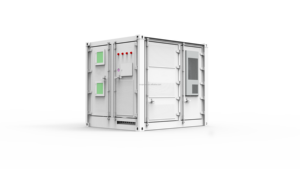
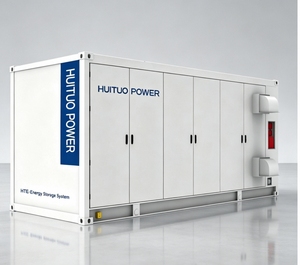
SCU BRES-720-375 Containerized Energy Storage System 720kWh 375kW
- Rated Energy: 720 kWh
- Power Rating: 375 kW PCS
- Cooling Type: Intelligent HVAC
- Applications: Grid-Tied / Off-Grid Microgrid
High-reliability, containerized, and modular battery energy storage platforms engineered for seamless grid-tied peak shaving, renewable integration, and islanded off-grid resilience.
An Executive Guide to Engineering Turnkey Distributed Energy Systems, Navigating Cell Chemistries, and Selecting Tier-1 Manufacturing Partners.
The global transition toward decentralized, resilient energy systems has catapulted Microgrid Battery Energy Storage Systems (BESS) to the forefront of industrial, commercial, and agricultural electrification. As global electrical grids face unprecedented stress from extreme climate events, variable renewable penetration, and volatile tariff structures, enterprise buyers and EPC contractors are increasingly looking to China's advanced OEM/ODM manufacturing ecosystem for high-density, cost-optimized, and grid-compliant microgrid assets.
Modern microgrid architectures are no longer simple stand-alone battery banks tied to a diesel generator. Today's commercial-grade systems represent sophisticated multi-source micro-grids integrating Direct-Drive Wind Turbines, high-efficiency solar PV arrays, high-voltage LFP battery storage, grid-forming power conversion systems (PCS), and cloud-managed artificial intelligence energy management systems (EMS). China accounts for over 85% of global lithium iron phosphate (LiFePO4) cell synthesis and control system manufacturing, positioning top-tier Chinese factories as the strategic backbone of international microgrid deployment.
Key technical shifts dictating global microgrid system architecture, energy density, and Capex efficiency over the next decade.
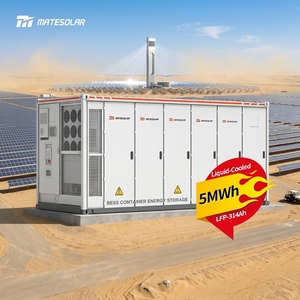
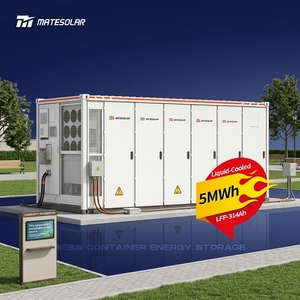
The industry is rapidly shifting from legacy 280Ah cells to high-density 314Ah LiFePO4 cells. This jump enables standard 20-foot ISO containers to achieve 5.016 MWh energy storage capacity, reducing site footprints by up to 35% and drastically lowering civil engineering and installation Capex for utility-scale projects.
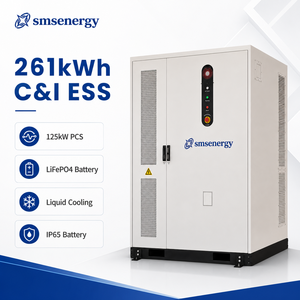
Liquid cooling technology has evolved from an enterprise luxury to an imperative baseline. By limiting cell-to-cell thermal variations to ≤ 2.5°C, liquid cooling systems minimize thermal runaway risks, cut auxiliary energy consumption by 40%, and extend overall system operational life to 15+ years.
As conventional synchronous fossil generators are retired, microgrids require grid-forming PCS inverters capable of synthesizing voltage and frequency independently. Advanced grid-forming controllers provide synthetic inertia, black-start functionality, and sub-10ms islanding capability during main grid collapse.
Modern microgrid controllers natively integrate machine learning models that analyze regional weather forecasts, real-time spot market energy prices, and facility interval load curves. EMS engines dynamically orchestrate battery dispatching, solar self-consumption, and diesel genset throttling to optimize operational ROI.
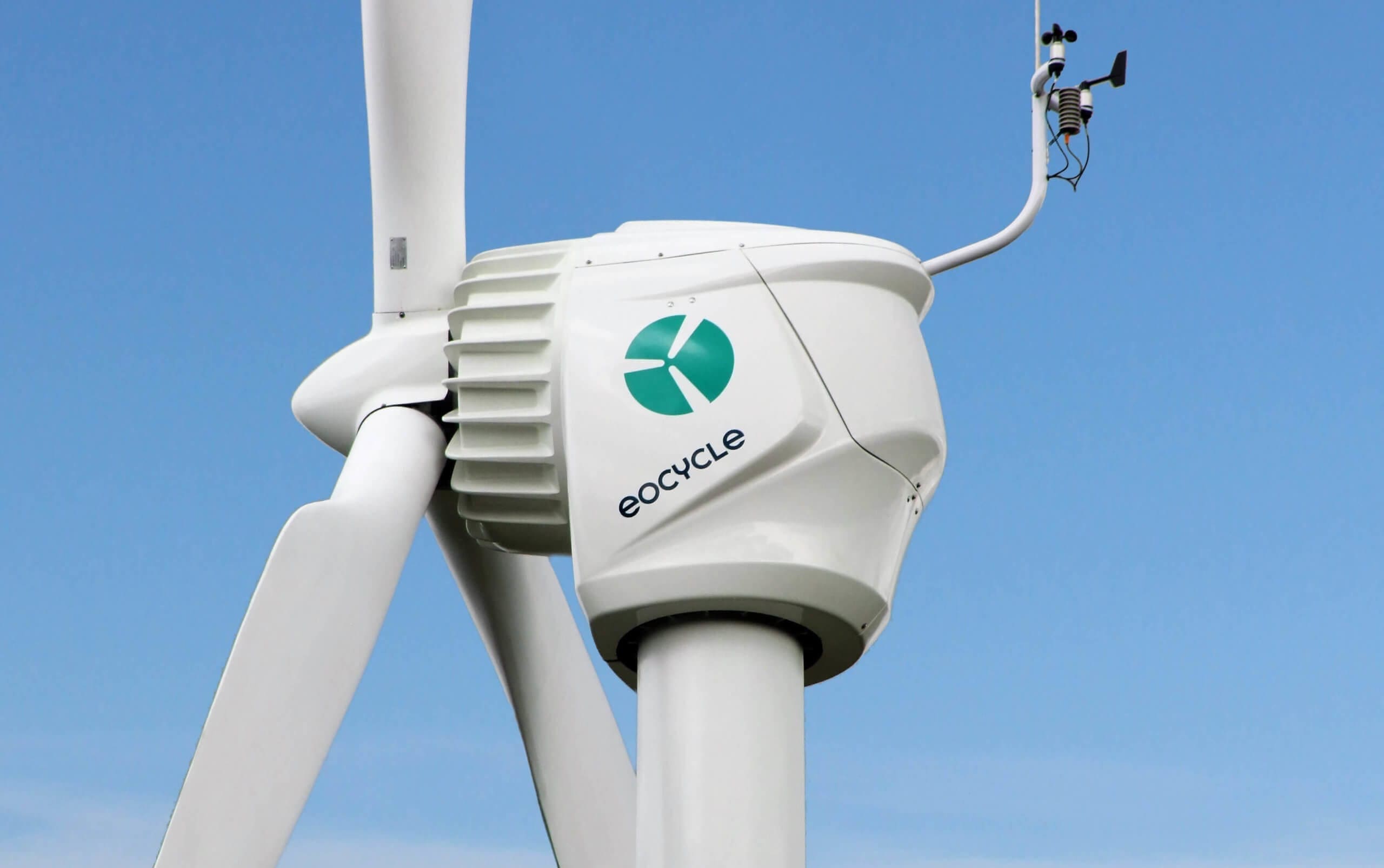
While rooftop and ground-mounted solar PV systems are standard clean-energy investments, solar generation drops to zero during nighttime and declines sharply during winter months. Combining Direct-Drive Permanent Magnet Wind Turbines (such as 25kW–90kW platforms) with containerized LiFePO4 battery systems creates an uninterrupted 24/7 power curve.
Direct-drive wind technology eliminates complex gearboxes, removing gear oil maintenance and significantly lowering mechanical failure rates in high-wind conditions. When combined with solar and BESS under an integrated AI microgrid EMS, enterprise operations experience optimal round-the-clock power reliability.
Technical performance evaluation across common industrial microgrid deployment topologies.
| Architecture Type | Primary Power Sources | Islanding Transfer | BESS Coupling | Fire Safety Level | Ideal Application |
|---|---|---|---|---|---|
| C&I Grid-Tied Peak Shaving | Solar PV + Utility Grid + BESS | 10ms to 20ms (Optional) | AC-Coupled (0.4kV / 10kV) | NFPA 855 / Pack Aerosol | Factories, Logistics Hubs, Malls |
| Off-Grid Islanded Microgrid | Wind + Solar PV + Gen-Set + BESS | Continuous (Grid-Forming) | DC-Coupled or Hybrid AC | Liquid Cooling + Novec 1230 | Remote Mines, Islands, Micro-Utilities |
| Agricultural & Feedyard Hybrid | Direct-Drive Wind + Solar + BESS | < 10ms Black Start | AC-Coupled Hybrid | Pack Level HVAC / IP65 | Feedyards, Dairies, Irrigation Plants |
| Utility-Scale High Voltage BESS | Solar PV / Wind Farms + BESS | Sub-cycle Response | 1331V High Voltage DC | Gas & Smoke Detector + Water Sprinkler | Substation Support, Frequency Regulation |
Engineered to handle severe dynamic motor starts, heavy continuous baseloads, and strict ESG compliance demands.

Agricultural setups experience high energy spikes during grain drying, irrigation pumping, and continuous milk cooling. Our hybrid microgrid systems leverage direct-drive wind and solar BESS to drastically reduce demand charges, safeguard livestock from power outages, and provide predictable energy costs.
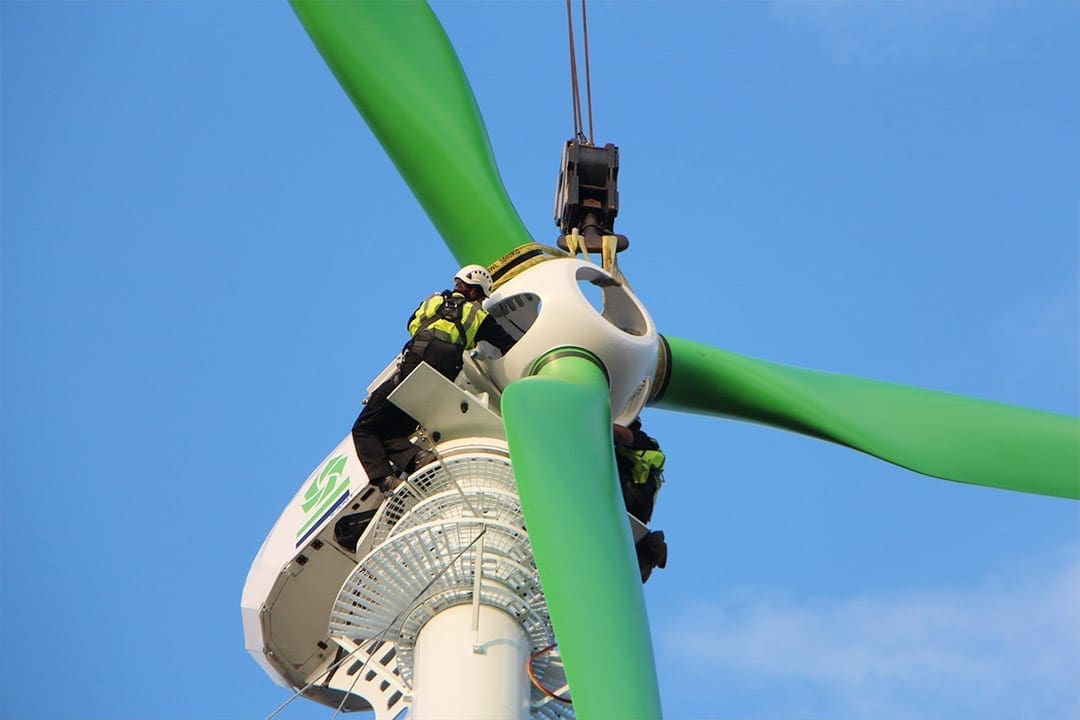
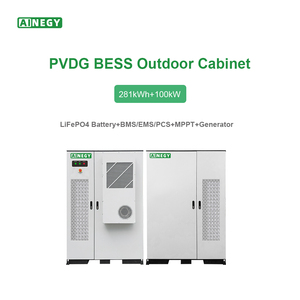
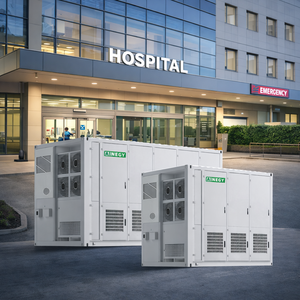
Factories and distribution hubs face punitive peak demand tariffs. Installing containerized 281kWh to 5MWh BESS units enables active peak shaving, power factor correction, emergency back-up for sensitive CNC manufacturing lines, and clear, auditable Scope 2 decarbonization.
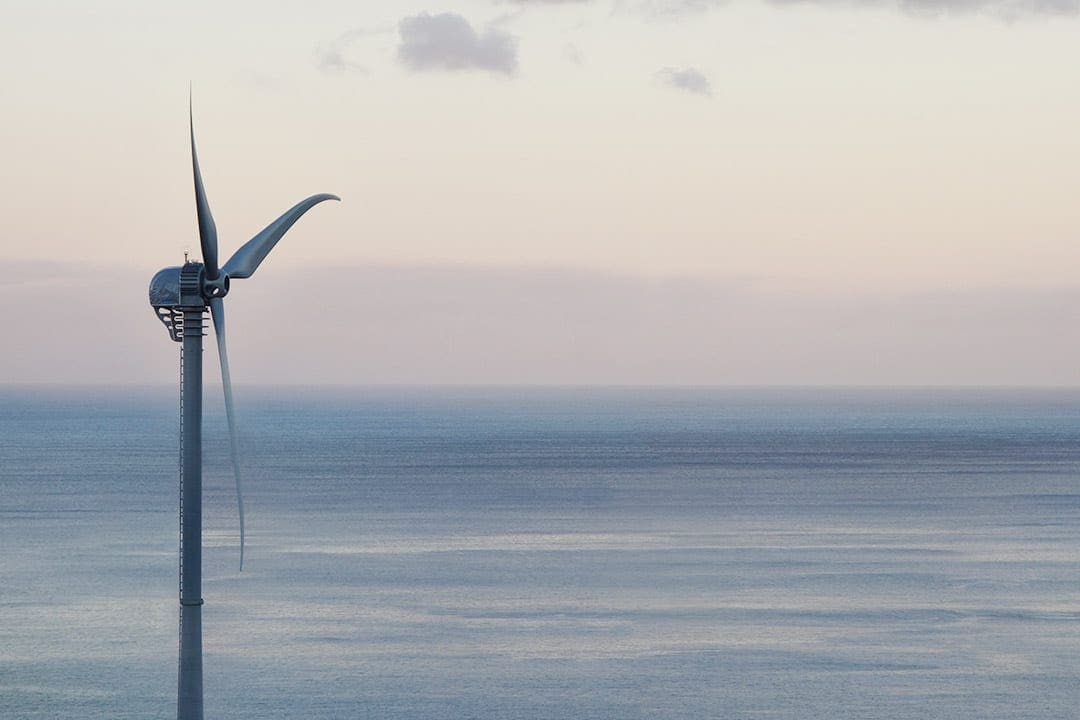
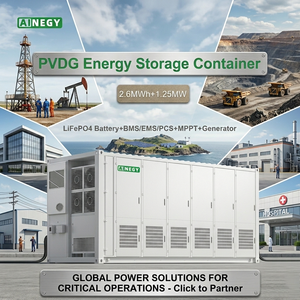
Transporting diesel fuel to isolated islands or off-grid mining sites is expensive and unreliable. OEM turnkey liquid-cooled containerized BESS arrays integrate seamlessly with existing diesel generators, minimizing runtime, saving up to 70% in fuel costs, and ensuring 24/7 energy availability.
Rigorous manufacturing controls, vertical supply chain integration, and end-to-end quality validation.
We source A-grade 314Ah and 280Ah LiFePO4 cells directly from leading tier-1 manufacturers, implementing strict capacity, voltage, and internal resistance binning before pack assembly.
Integrated three-tier Battery Management Systems (Cell, Pack, Rack) paired with cloud SCADA support real-time cell balancing, localized fault isolation, and remote diagnostics worldwide.
Equipped with pack-level aerosol suppression, combustible gas (CO/H2) detection, auto-ventilation dampers, and Novec 1230 gas flooding, complying fully with NFPA 855 and UL 9540A.
Every containerized ESS undergoes complete thermal simulation testing, dynamic load-step validation, grid-forming transfer testing, and IP rating verification prior to shipment.
Clear, practical answers to aid utility engineers, project developers, and procurement managers.
As a rule of thumb, sites with an average annual wind speed of 5.0 m/s (approx. 11 mph) or higher at hub height yield solid economic returns. Modern direct-drive wind turbines feature low cut-in wind speeds (around 2.5 m/s) and utilize elevated towers (30m to 36m) to capture clean, laminar air flow well above agricultural buildings and tree lines. Our engineers provide localized wind assessment modeling prior to project commitment.
High-density 314Ah cells generate higher localized heat during fast charge/discharge cycles. Liquid cooling circulates coolant directly through thermal plates sandwiched between battery cells, keeping temperature variations within ≤ 2.5°C across the entire container. Air cooling often exhibits 5°C to 8°C variations, which leads to accelerated cell degradation, reduced usable capacity, and elevated thermal runaway risks.
Wind energy offers high energy yield relative to its land footprint and generates continuously through the night, during winter seasons, and under heavy cloud cover—precisely when solar PV performance drops. Because wind and solar generation profiles are anti-correlated, combining both with a central BESS flattens the energy generation curve, minimizing battery oversized requirements and operational stress.
Our microgrid battery systems are engineered to meet global utility and safety benchmarks, including UL 1973, UL 9540, UL 9540A, IEC 62619, IEC 61000, UN 38.3, and NFPA 855 fire safety standards. Containerized units incorporate multi-stage fire detection, active ventilation, and localized aerosol or gas flooding mechanisms.
Direct-drive wind turbines contain no mechanical gearbox, eliminating gear oil replacement and mechanical wear items. Scheduled maintenance typically involves annual mechanical checkups. The containerized liquid-cooled BESS requires simple annual coolant inspection and HVAC filter cleaning. The EMS system operates autonomously, streaming health telemetry 24/7 via remote SCADA.
Yes. Our IP65/IP54 outdoor-rated cabinets and containers feature heavy-duty C5 anti-corrosion coatings, dual climate control HVAC units, and thermal insulation designed for reliable operation across ambient temperature ranges from -30°C up to +55°C. They are widely deployed in desert solar plants, coastal harbors, and freezing mountainous locations.
We provide full OEM integration support working alongside your local certified EPC partners. We supply comprehensive electrical schematics, grid interconnection compliance documentation, hardware-in-the-loop (HIL) simulation data, and send commissioning support engineers to site or assist remotely via live SCADA diagnostics.
Connect directly with our senior microgrid engineers. Submit your load profile data, single-line diagrams, or site specifications for a complete technical quote and performance simulation within 24 hours.
Inquire Now