Explore high-efficiency wind turbine generators, micro vertical axis units, and hybrid solar-turbine power kits evaluated for commercial, agricultural, and industrial off-grid/microgrid deployment.
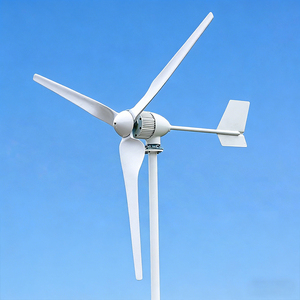
Aerodynamically optimized light-scale horizontal axis wind turbine engineered for low-cut-in wind velocities, suburban residential microgrids, and remote telecom backup power.
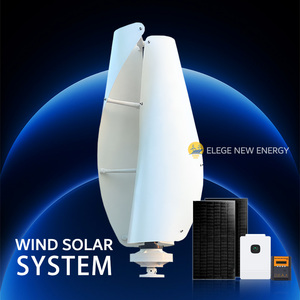
Omnidirectional low-noise vertical axis micro turbine equipped with intelligent MPPT charging controller for seamless solar hybrid battery integration.
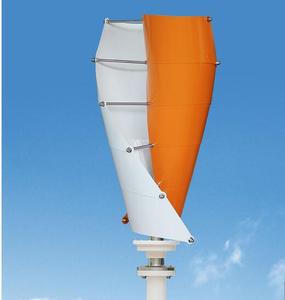
Compact low-power vertical generator kit engineered for auxiliary power loops, environmental sensing nodes, and hybrid solar street lighting arrays.
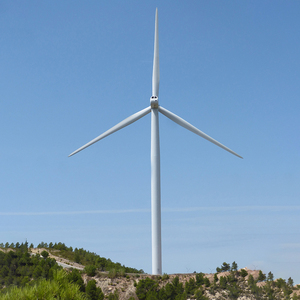
Heavy-duty weather-sealed micro-turbine generator designed for extreme temperature tolerances, continuous monitoring stations, and IoT sensor nodes.
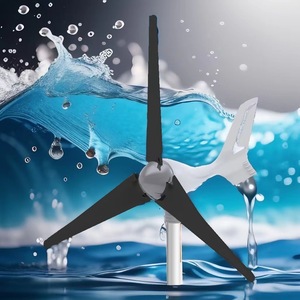
Precision-balanced micro horizontal turbine optimized for pairing with solar PV arrays to deliver 24/7 uninterrupted power for security surveillance and municipal lighting.
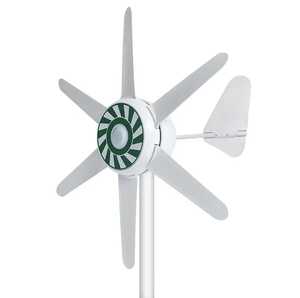
Ultra-compact direct-DC mini turbine featuring an embedded rectification and charge control circuit, simplified plug-and-play wiring, and minimal drag profile.
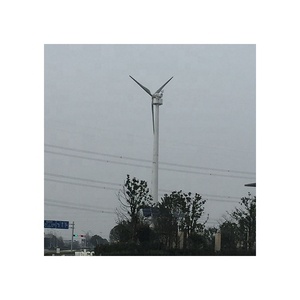
Commercial-grade 5,000-Watt power turbine engineered with reinforced fiberglass blades and high-output permanent magnet alternator for agricultural and farm loads.
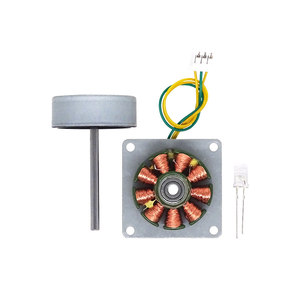
Brushless 3-phase low-voltage alternator component designed for custom micro-energy harvesting, educational research platforms, and embedded remote sensors.
As corporate energy consumers, agricultural operators, and industrial facilities face rising grid tariffs and stringent Scope 2 carbon auditing, procurement executives are rethinking energy sourcing strategies. The global term "Solar Turbine Supplier & Suppliers" historically encompassed both gas-fired solar turbines and hybrid solar-wind turbine technologies. Today, modern industrial B2B procurement focuses on zero-emission distributed generation assets: direct-drive wind turbines, behind-the-meter micro wind arrays, and integrated Wind-Solar-Storage (WS²+) hybrid power plants.
Distributed energy resource (DER) deployment requires a fundamental shift from simple equipment purchasing to evaluating lifetime yield, maintenance overhead, structural availability, and total cost of ownership (TCO). While traditional rooftop solar photovoltaic (PV) systems perform well during peak daylight hours, commercial facilities—such as cold storage units, dairy operations, feedyards, and 24/7 manufacturing plants—require power continuously through nighttime hours and winter seasons. Distributed wind turbines fill this generation gap, delivering up to 3 to 5 times higher clean energy yields per square meter of ground footprint compared to standard ground-mounted solar PV.
When vetting suppliers for small-to-medium wind and solar hybrid equipment, procurement teams must look beyond initial factory pricing to analyze critical technical parameters.
Eliminates mechanical gearboxes entirely. Permanent magnet generators (PMG) reduce internal friction, remove gear-oil replacement costs, and achieve reported fleet availability rates exceeding 98% in extreme arctic or desert environments.
Advanced rotor blade profiles start generating usable electrical current at wind speeds as low as 2.5 to 3.0 m/s. High hub heights (30m to 36m) elevate rotors above ground turbulence caused by farm silos and industrial buildings.
Heavy-duty structural steel towers, corrosion-resistant surface coatings, and sealed bearings provide a 30-year operational design life, creating a stable, predictable Levelized Cost of Energy (LCOE).
For decades, the small and medium wind industry faced reliability issues caused by mechanical gearboxes. High rotational vibration, thermal breakdown of lubricants, and gear-tooth shearing often resulted in unexpected downtime and costly field repairs. Modern B2B procurement standards prioritize gearless direct-drive permanent magnet generators (PMG).
By connecting the wind rotor directly to a multi-pole synchronous generator, direct-drive turbines eliminate up to 50% of moving parts compared to conventional geared turbines. This structural simplification delivers major advantages for commercial buyers:
Without a gearbox, oil sampling, fluid changes, and mechanical seal replacements are eliminated. Scheduled preventative maintenance is generally reduced to a single annual mechanical and electrical inspection. Remote cloud-based SCADA supervision monitors vibration, temperature, and power quality continuously, flagging potential anomalies before component degradation occurs.
Gearboxes introduce mechanical drag and internal friction, requiring higher wind energy to overcome inertia. Direct-drive generators feature lower starter resistance, allowing rotors to begin spinning at lower wind speeds. Over a 30-year lifespan, this expanded operational envelope increases total annual energy yield (AEY) by 12% to 18% in Class III low-wind regions.
Modern commercial energy deployments rarely rely on a single generation source. Sourcing managers are increasingly investing in microgrid-ready turbine packages that pair directly with commercial solar PV arrays and battery energy storage systems (BESS). Integrated power conversion systems (PCS) use AI-managed algorithms to smooth out intermittent generation profiles, balance peak load demand behind the meter, and ensure emergency backup power during grid blackouts.
Since 2001, Eocycle Technologies has pioneered direct-drive permanent magnet wind turbine systems for agricultural operations, commercial plants, and remote microgrids. Built in North America and operating globally across North America, Europe, and the UK, Eocycle delivers complete turnkey wind power solutions designed to eliminate energy price volatility.
Unlike simple equipment vendors, Eocycle provides full EPC project ownership: from initial hub-height wind modeling and interval utility load analysis to local zoning permitting, civil foundation engineering, utility grid interconnection studies, crane erection, and 30-year long-term operations and maintenance service.
As corporate sustainability targets move from voluntary ESG metrics to mandatory international reporting standards, energy procurement directors face stricter scrutiny on renewable energy sourcing. The following four macro trends will define B2B turbine procurement over the next decade:
Corporate procurement is moving away from Virtual Power Purchase Agreements (VPPAs) and unbundled renewable energy certificates (RECs), which are often criticized for lack of true additionality. Sourcing decision-makers are investing directly in on-site, behind-the-meter generation. Physical wind turbines installed on farm pastures, factory yards, or warehouse grounds provide verifiable, auditable Scope 2 emissions reduction that withstands carbon audits.
Next-generation turbine systems feature microgrid controllers powered by machine-learning algorithms. These controllers analyze real-time dynamic electricity prices, local weather forecasts, and facility consumption patterns to decide whether generated turbine power should be consumed immediately on-site, stored in battery arrays, or exported to the utility grid during peak tariff periods.
End-of-life environmental impact is entering procurement scoring matrices. Leading turbine manufacturers are adopting eco-designed rotor blades built with thermoplastic resins and bio-composite materials, ensuring that structural components can be recycled at the end of their 30-year lifecycle rather than sent to landfills.
The time required for site-specific engineering is decreasing. Equipment suppliers are moving toward modular, pre-tested balance-of-plant (BOP) architectures. Containerized power conversion units, pre-fabricated concrete pad foundations, and plug-and-play wiring harnesses allow commercial wind-solar installations to move from civil breaking ground to grid commissioning in weeks rather than months.
Answers to essential technical and procurement questions regarding commercial wind and solar turbine installations.
