Tier-1 OEM/ODM Certified Energy Storage Systems, Lithium Batteries, and Modular Container Solutions
An Executive Guide to B2B Procurement, Battery System Architecture, and Renewable Integration
The global energy landscape is undergoing an unprecedented transition from centralized fossil-fuel generation to decentralized, dynamic microgrids. As commercial, industrial, and agricultural enterprises face accelerating utility tariff volatility, demand charges, and stringent carbon-audit mandates, Hybrid Energy Storage Systems (HESS) have evolved from optional infrastructure into strategic risk-mitigation assets. Selecting the right hybrid storage supplier requires navigating complex technical parameters, structural cell chemistries, grid-interconnection standards, and long-term operations & maintenance (O&M) guarantees.
"Modern hybrid storage procurement is no longer just about buying battery kilowatt-hours. It demands an integrated ecosystem where direct-drive renewables, LiFePO4 storage packs, intelligent PCS inverters, and AI-driven SCADA software act as a single, self-healing grid asset."
Hybrid storage systems seamlessly bridge multiple energy inputs—such as photovoltaics (PV), direct-drive wind turbines, back-up diesel generators, and utility grid connections—with high-density battery energy storage. Unlike standalone solar or battery installations, a true hybrid energy storage solution optimizes multi-source dispatching in real time, ensuring zero drop in critical operations while capturing peak-shaving economic arbitrage.
Engineering robust hybrid systems requires balancing DC-coupled and AC-coupled topologies:
To assist procurement directors, EPC contractors, and government tender buyers, our technical analysis categorizes the top 10 global hybrid storage suppliers based on engineering capabilities, system integration depth, and project track record:
| Supplier Category Archetype | Primary Technology Stack | Target Application | Key Standard / Certification | Strategic Advantage |
|---|---|---|---|---|
| 1. Integrated Wind-Solar-Storage OEM | Direct-Drive Wind + LiFePO4 + AI SCADA | Agricultural & Industrial Microgrids | IEC 61400, CE, ISO 9001 | 24/7 Generation Profile |
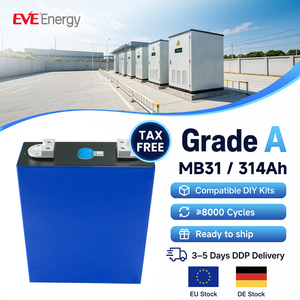
| 2. High-Density Cell Integrators | 314Ah / 300Ah LFP Prismatic Cells | Utility & Large C&I Facilities | UN38.3, UL 1973, EVE Grade A | 6,000+ Life Cycles |
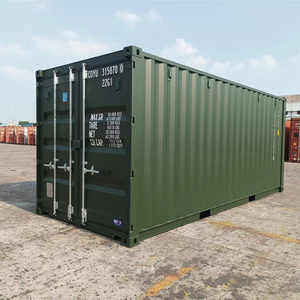
| 3. Containerized BESS Manufacturers | 20ft / 40ft HQ ISO Dry Cargo Modules | Mobile & Remote Power Plants | ABS, CCS, BV, LR, KR Shipping | Turnkey Plug-and-Play |
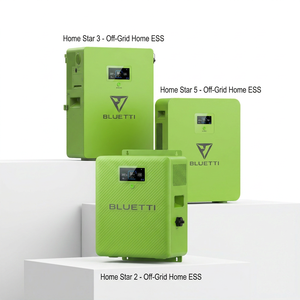
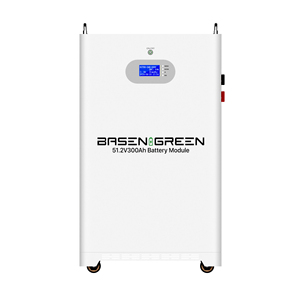
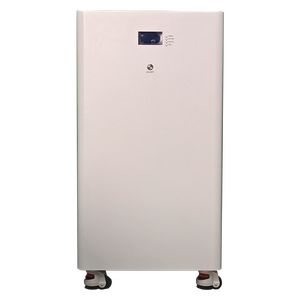
| 4. Wall-Mounted C&I Suppliers | 51.2V / 48V IP65 Modular Battery Packs | Light Commercial & Residential Backup | EU Stock, CE, IEC 62619 | Rapid Scalable Deployment |
| 5. Tender-Grade Off-Grid Specialists | Ruggedized Off-Grid ESS + Genset Control | Government & Rural Electrification | SONCAP Certified, ISO14001 | Extreme Climate Durability |
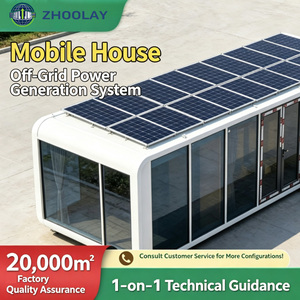
| 6. Prefabricated Solar-House Systems | 220V Mobile Photovoltaic Prefab Units | Mining Camps & Field Emergency | CE, ISO 20ft Cargo Standard | Instant Site Operationality |
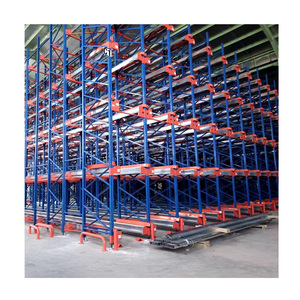
| 7. Warehouse Auto-Shuttle Storage | Automated Pallet Car Systems + Lithium Power | Intralogistics & Cold Chain Storage | CE, Mechanical Safety Directives | High-Speed Material Handling |
| 8. High-Voltage Utility PCS Integrators | Multi-Megawatt Liquid-Cooled Enclosures | Grid Frequency Regulation & Peak Shaving | UL 9540A, IEEE 1547 | Sub-second Grid Response |
| 9. Islanded Hybrid Microgrid Developers | Multi-source AI Arbitrage Management | Islands & Off-Grid Agricultural Feedyards | Custom Microgrid Grid-Forming | Zero Diesel Dependence |
| 10. Commercial Battery Wall OEMs | 10kWh / 15kWh / 16kWh Modular Bracks | SME Outlets & Telecom Stations | CE, UN38.3, MSDS | Ultra-compact Footprint |
Crucial Innovations Reshaping Commercial & Industrial Clean Energy Storage Systems
The industry is rapidly shifting from classic 280Ah cells to 314Ah+ Lithium Iron Phosphate (LiFePO4) prismatic formulations (such as EVE MB31). This yields a 12% increase in volumetric energy density, drastically lowering container footprint and system BOP costs.
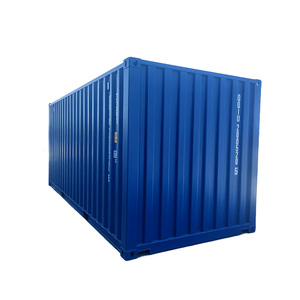
Deploying energy storage in ISO-certified 20ft and 40ft dry shipping containers with ABS, CCS, BV, and LR maritime certifications ensures rugged weatherproofing, thermal insulation, and seamless global logistics without specialized freight handling.
Combining gearbox-free direct-drive permanent magnet wind turbines with solar PV and LiFePO4 battery racks (EOX WS²+) delivers round-the-clock power generation—eliminating night-time solar power dead zones and reducing battery pack oversizing.
Cloud-connected SCADA platforms analyze local weather forecasts, dynamic grid energy prices, and facility load curves in real time. AI energy management algorithms execute automated peak shaving, frequency regulation, and predictive thermal maintenance.
For international public works and rural electrification projects in regions like West Africa, compliance with local standards such as SONCAP certified lithium systems is essential for smooth customs clearance, tender acceptance, and zero-defect deployment.
Modern industrial facilities combine high-density lithium storage with automated warehouse infrastructure. High-speed shuttle racking systems powered by specialized lithium batteries maximize volumetric storage while minimizing plant power overheads.
Strategic Insights for EPC Buyers, Utility Engineers, and B2B Operations Officers
Traditional 2-hour duration lithium battery systems are rapidly giving way to 4 to 8-hour Long-Duration Energy Storage configurations. As renewable energy penetration on municipal grids rises, utility operators are penalizing renewable intermittency. Industrial procurement contracts increasingly specify multi-hour full-load discharge capacities to shield factories during extended grid outages and high-tariff peak windows.
Standard solar and battery inverters require an active utility grid voltage signal to operate ("grid-following"). However, as weak rural grids and remote mining microgrids experience severe voltage sags, procurement specifications now demand Grid-Forming Inverter Technology. Grid-forming hybrid inverters establish their own stable voltage and frequency references, allowing instant islanding during grid blackouts with zero transfer lag (<10ms).
Global supply chain disruptions have transformed procurement strategies. Top hybrid storage suppliers are maintaining localized stock in strategic logistical hubs—such as EU Poland warehouses for wall-mounted 51.2V 100Ah/200Ah/300Ah home and light-commercial batteries. Local stocking eliminates months of maritime lead time, allowing installers to fulfill commercial contracts within 48 to 72 hours.
In remote construction sites, agricultural feedyards, and rural government electrification initiatives, civil engineering costs can outweigh equipment expenses. The market is shifting toward fully prefabricated 20ft and 40ft containerized solutions that combine solar power generation, LiFePO4 battery banks, air/liquid thermal management, and emergency back-up systems inside standard marine-certified ISO containers.
Two Decades of Engineering Excellence, Direct-Drive Innovation, and Global Execution
Founded with a vision for gearbox-free, direct-drive technology, maintaining over 98% reported availability in challenging global climates from Canadian winters to African deserts.
We deliver complete end-to-end projects: initial resource assessment, financial modeling, permitting, utility interconnection, civil works, installation, and 30-year operational O&M support.
Our production lines hold internationally recognized certifications including ISO 9001/14001, SONCAP, CE, UN38.3, ABS, CCS, BV, LR, and KR dry shipping container qualifications.
Continuous cloud-level data streaming monitors every single battery cell condition, ambient thermal gradient, and inverter harmonic efficiency to eliminate unexpected downtime.
Essential Technical & Commercial Guidance for Engineering Buyers and Decision Makers
Procurement managers should evaluate suppliers based on cell quality (Tier-1 LiFePO4 cells such as EVE 314Ah), cycle life depth (>6,000 cycles at 80% DOD), system round-trip efficiency (RTE >88%), thermal management safety, system certifications (UL 9540A, CE, UN38.3, SONCAP), and SCADA software capabilities. Additionally, suppliers with direct-drive wind-solar integration experience offer superior microgrid resilience.
Lithium Iron Phosphate (LiFePO4) offers superior thermal stability, significantly reduced risk of thermal runaway, and exceptional cycle life compared to Nickel Manganese Cobalt (NMC). LiFePO4 cells maintain over 80% capacity after 6,000+ deep discharge cycles, making them the most cost-effective chemistry over a 15-to-30-year industrial project lifecycle.
Containerized BESS solutions house battery racks, PCS inverters, HVAC liquid/air cooling units, automated fire suppression, and distribution panels inside standard 20ft or 40ft ISO dry cargo shipping containers. Pre-assembled and factory-tested, they arrive on site ready for placement on concrete pads, cutting field installation time by over 70%.
Depending on local electricity tariffs, demand charge structures, and available clean energy incentives, commercial hybrid storage systems typically achieve full payback within 4 to 7 years. The structural turbine assets and container enclosures are engineered for a 30-year design life, while quality LiFePO4 battery packs deliver 15+ years of daily cycling service.
Yes. Our OEM/ODM manufacturing facilities specialize in tailored tender solutions, providing customized voltage outputs (220V, 380V, 480V, 11kV), bespoke IP65 wall-mounted configurations, and regional compliance documentation such as SONCAP certification for African rural electrification tenders.
Speak directly with our senior application engineers. We will analyze your interval utility load data, evaluate site wind and solar resources, and deliver a comprehensive turnkey proposal.
