Explore high-yield direct-drive, steam, micro gas, and explosion-proof compact turbine machinery built for decentralized energy generation and process integration.
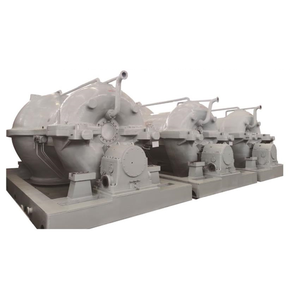
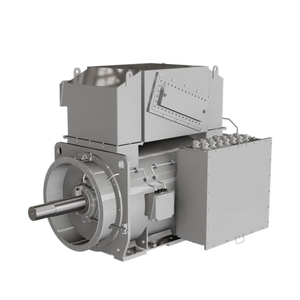
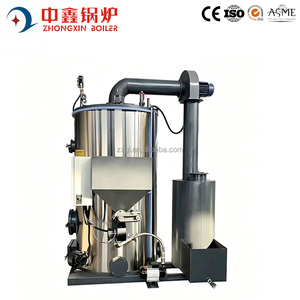
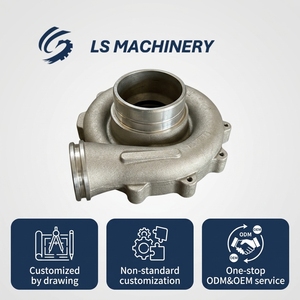
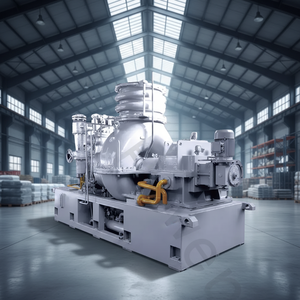
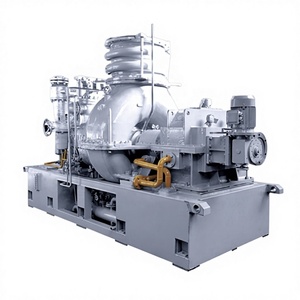
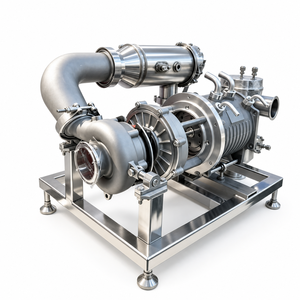
Over the past two decades, industrial energy procurement has undergone a fundamental structural shift. Rising centralized grid tariffs, carbon tax liabilities, and power delivery volatility have driven commercial, industrial, and agricultural enterprises to deploy behind-the-meter distributed energy resources (DERs). Among these technologies, compact turbine systems—encompassing small direct-drive wind turbines, back-pressure industrial steam turbines, biomass condensing generators, and micro gas combined heat and power (CHP) turbines—have emerged as the definitive choice for baseload stability, waste heat capture, and energy independence.
As a global pioneer in direct-drive generator design and turbine system manufacturing since 2001, our engineering philosophy revolves around a simple, rigorous objective: eliminating mechanical failure points while maximizing thermal and mechanical energy yield per square meter. Traditional geared turbine architectures introduce severe operational expenditure (OPEX) penalties through oil changes, gearbox tooth shear, bearing friction losses, and complex maintenance downtimes. By engineering gearbox-free direct-drive permanent magnet generators (PMG) and low-pressure-loss fluid dynamic systems, our platforms deliver an unprecedented 30-year design life with verified fleet availabilities exceeding 98.4% across demanding global operating environments.
Eliminates oil sumps, mechanical gearboxes, and step-up transmissions. Rotor shafts directly drive permanent magnet alternators for total reliability in remote sites.
Achieves up to 88% total system efficiency by concurrently producing electricity and high-grade thermal energy for industrial retorts, space heating, or absorption chillers (CCHP).
Fabricated steel housings certified up to IP55, IP65, and ATEX explosion-proof standards, engineered for chemical solvent atmospheres, marine salt-spray, and arctic temperatures.
Selecting the optimal compact turbine architecture requires aligning specific thermodynamic inputs (wind velocity, steam mass flow, gas heat rate) with facility energy profiles. The table below outlines technical metrics across our primary manufacturer supply lines:
| Turbine Architecture | Primary Energy Vector | Electrical Capacity Range | Thermal Efficiency / Heat Recovery | Design Lifespan | Target Industry Application |
|---|---|---|---|---|---|
| Direct-Drive Wind Turbine | Kinetic Wind Energy | 25 kW – 90 kW (Per Unit) | N/A (100% Electrical Output) | 30 Years | Farms, Feedyards, Isolated Microgrids |
| Compact Industrial Steam Turbine | Saturated / Superheated Steam | 0.2 t/h – 10 MW | Up to 85% Thermal Utilization (Back-pressure) | 30 Years | Steel Mills, Food Sterilization, Chemical Plants |
| Micro Gas Turbine (OBT20 Series) | Natural Gas, Biogas, LPG, Hydrogen | 20 kW – 250 kW Modular | Combined Heat & Power (CHP/CCHP) >82% | 25 Years | Commercial Facilities, Logistics Hubs, Hospitals |
| Condensing Geothermal / Biomass Turbine | Medium-Enthalpy Vapor / Wood Gas | 500 kW – 7 MW | Full Condensing Vacuum Recovery | 30 Years | Biomass Processing, Geothermal Wells |
| Marine Synchronous Gas Turbine | Marine Gas Oil (MGO), Diesel | 100 kW – 3 MW | Exhaust Heat Recovery (WHRU Ready) | 25 Years | Offshore Platforms, Naval Support, Marine Vessels |
As global industrial supply chains face escalating ESG auditing, grid interconnection bottlenecks, and volatile spot electricity pricing, procurement strategies for turbine equipment have rapidly evolved. Procurement leaders and plant directors are no longer purchasing isolated generator sets; they are deploying integrated, multi-vector energy architectures. Key trends shaping procurement over the next decade include:
1. Skid-Mounted Modular Plug-and-Play Architectures: Traditional power plant construction requires months of civil works, custom piping, and expensive onsite engineering. Modern B2B buyers favor factory-tested, skid-mounted compact steam and gas turbines. These modular systems arrive fully integrated with control panels, lube systems, and safety valving, reducing onsite erection time by up to 70% and slashing civil installation CAPEX.
2. Multi-Fuel & Zero-Carbon Fuel Adaptability: In response to shifting decarbonization mandates, micro gas turbines and industrial combustion systems are being specified with dual-fuel and multi-fuel capability. Equipment capable of seamlessly blending natural gas with bio-methane, syngas, or up to 30% hydrogen mixtures ensures asset future-proofing against shifting environmental regulations.
3. AI-Driven SCADA Telemetry & Predictive Asset Management: Cloud-connected Supervisory Control and Data Acquisition (SCADA) systems have become a non-negotiable procurement standard. Real-time edge monitoring of vibration spectrums, bearing temperatures, steam pressure differentials, and winding isolation enables automated anomaly detection, allowing maintenance teams to address minor friction variances before catastrophic outage occurs.
4. Hybridization with Battery Energy Storage (BESS) and Solar PV: Industrial microgrids increasingly pair compact wind or gas turbines with battery storage and solar arrays under a single AI controller. This "Utility-in-a-Box" model leverages wind or biomass baseload generation at night or during winter months, complementing solar generation during peak daytime solar windows.
The engineering landscape of compact turbines is defined by breakthroughs in materials science, fluid dynamics modeling, and electromagnetic generator design. As top manufacturers and exporters push boundary limits, several core technical developments have redefined industry standards:
Advanced Metallurgy & Surface Coatings: Modern compact steam turbine blades and cylinder housings (such as the LS-05-060-55 series) utilize high-grade aluminum alloys treated with specialized thermosetting powder coatings and plasma-deposited anti-corrosion barrier layers. This enables stable operation in high-humidity chemical environments and ambient temperature fluctuations ranging from 0°C to 150°C without risk of surface oxidation or dimensional warping.
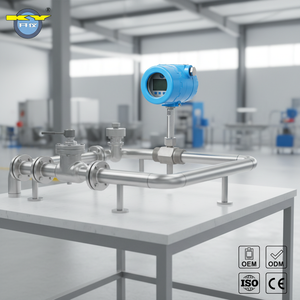
Low-Pressure-Drop Fluid Dynamics in Turbine Flow Metering: Precise fuel gas and chemical solvent monitoring is vital for efficient turbine combustion control. Advanced flow meters, such as the KY LWZ Explosion-Proof Turbine Flow Meter, utilize computational fluid dynamics (CFD) optimized rotor geometries and magnetic sensor pickups. This design minimizes internal flow resistance, ensuring low pressure drop across volatile lines while maintaining Class 0.5 measurement accuracy under ATEX/IECEx hazardous conditions.
Vertical Compact Structural Layouts for Urban & Agriculture Sites: Space constraints in food processing factories, dairy farms, and urban industrial parks have driven the development of vertical-axis compact steam turbine generators (0.2t–2t capacity). By orienting rotor axes vertically, engineering teams have reduced total foundation footprint requirements by up to 60% compared to horizontal configurations, enabling drop-in installation directly beside cooking retorts and sterilization autoclaves.
Addressing core technical, financial, and logistical considerations during procurement evaluations:
As a leading exporter of specialized compact turbine power systems, our global footprint spans installations across North America, Europe, Asia, and remote island microgrids. When you work with our engineering team, you gain access to an end-to-end turnkey delivery lifecycle:
Contact our senior application engineers to receive a free site load modeling assessment, thermodynamic ROI calculation, or custom OEM technical proposal.