Engineered for high power density, extreme weather resilience, and continuous grid/off-grid reliability.
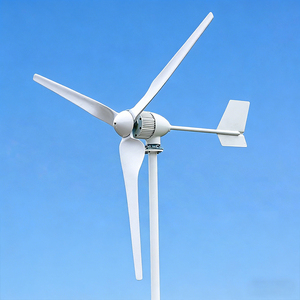
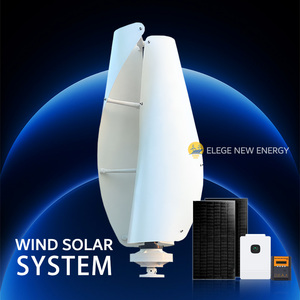
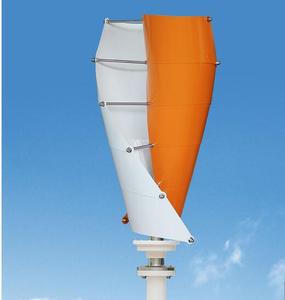
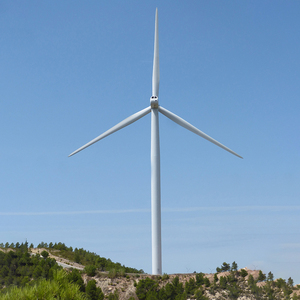
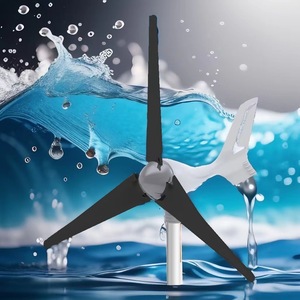
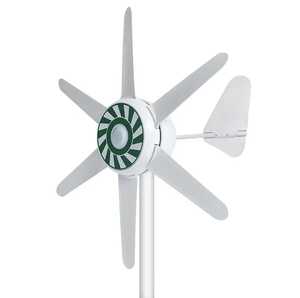
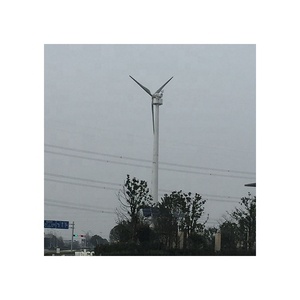
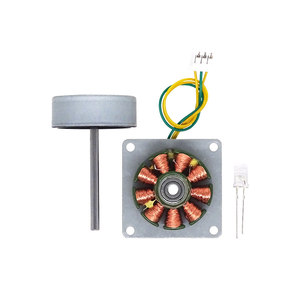
The global energy landscape is undergoing a fundamental structural transition. Volatile utility grid pricing, geopolitical fuel supply chain disruptions, and stringent Scope 2 carbon compliance mandates have elevated Distributed Energy Resources (DERs) from peripheral sustainability initiatives to core financial hedges for agricultural enterprises, industrial manufacturing facilities, and independent microgrid operators. Within this evolving paradigm, custom OEM smart energy factories play a decisive role as trusted original equipment exporters.
According to Google's Search Quality Rater Guidelines, establishing genuine E-E-A-T (Experience, Expertise, Authoritativeness, and Trustworthiness) requires transparent engineering proof, verifiable field metrics, and direct insight into long-term mechanical reliability. Small and micro wind turbine systems—ranging from 80mW sensor power units up to 90kW commercial direct-drive platforms—represent a key technological cornerstone in behind-the-meter generation.
Unlike utility grid contracts that subject commercial operators to compound tariff inflations, on-site micro wind power establishes a fixed, predictable Levelized Cost of Energy (LCOE) over a 30-year design horizon. Furthermore, wind generation exhibits an essential thermodynamic complementarity with solar photovoltaics (PV): wind assets frequently reach peak capacity during nocturnal hours, winter storm fronts, and overcast seasonal transitions when solar irradiance drops to zero.
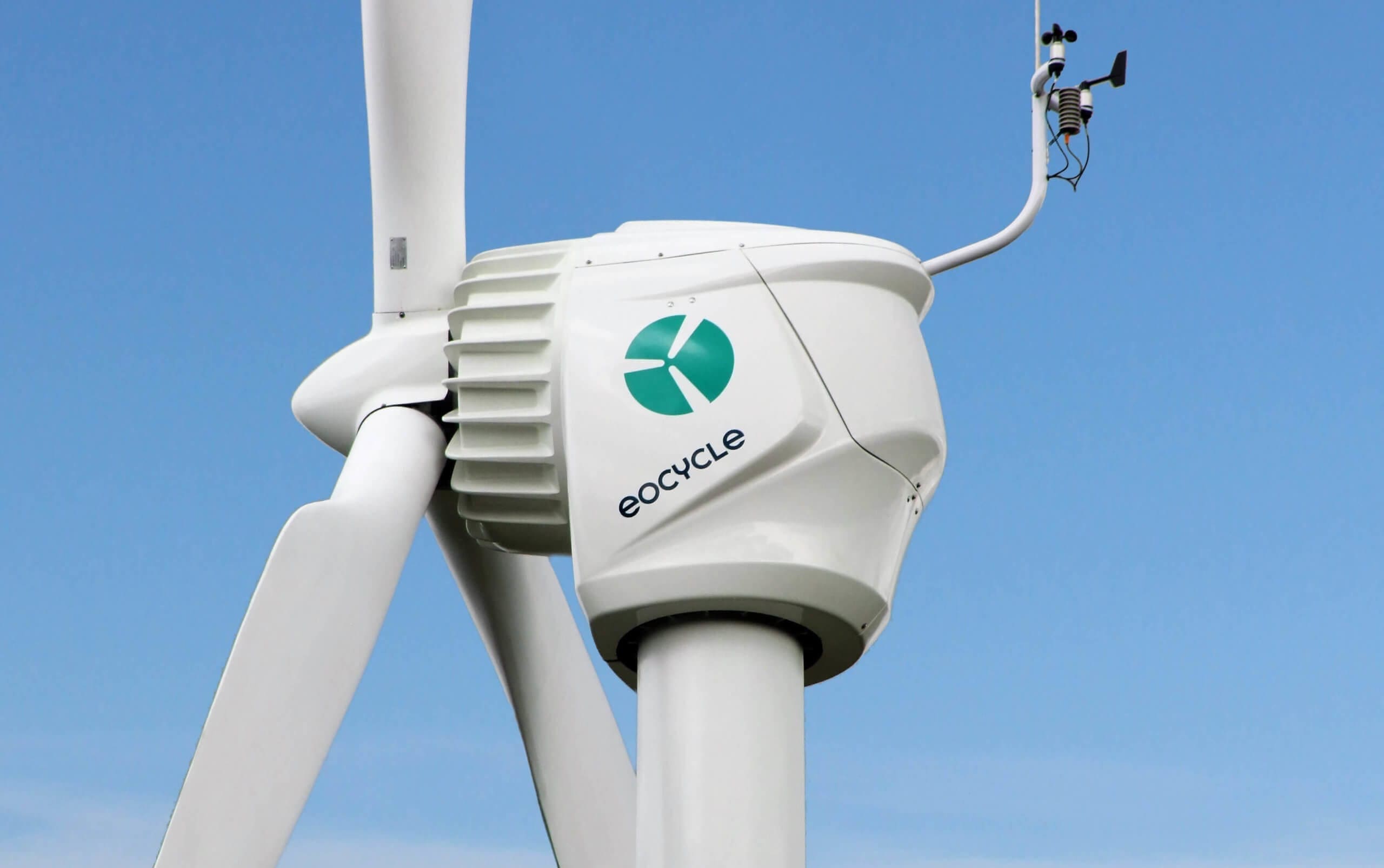
As institutional procurement directors, EPC contractors, and global importers evaluate micro wind turbine manufacturers, purchasing criteria are shifting rapidly away from low upfront capital expenditure toward multi-decade operational reliability and system integration capability.

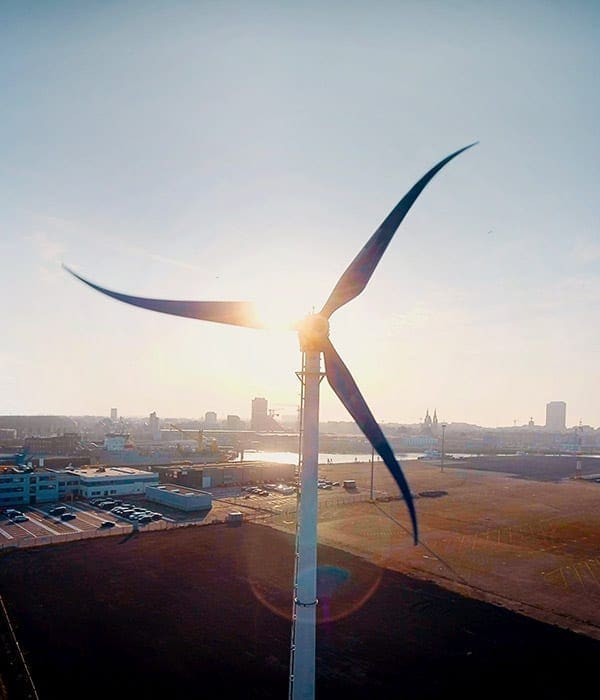
Traditional small wind turbines relied heavily on speed-increasing gearboxes, which introduced excessive moving parts, high mechanical friction, and mandatory gear oil maintenance cycles. Global procurement is decisively shifting to Direct-Drive Permanent Magnet Generators (PMG). Eliminating the gearbox minimizes mechanical failure modes, allows rotation at low RPMs, and raises operating availability above 98% in extreme climates.

Single-source generation is being superseded by multi-source hybrid power nodes. Next-generation procurement specs demand total integration between wind turbines, solar arrays, and lithium-ion Battery Energy Storage Systems (BESS). Driven by edge AI algorithms, systems automatically arbitrage power generation against real-time consumption profiles to eliminate demand spikes.

Modern B2B buyers require complete IoT transparency. Advanced exporters integrate cloud-connected SCADA telemetry within turbine nacelles. Real-time monitoring tracks vibration spectrums, bearing thermal signatures, and inverter sine-wave output, allowing remote engineering teams to diagnose anomalies prior to component wear.
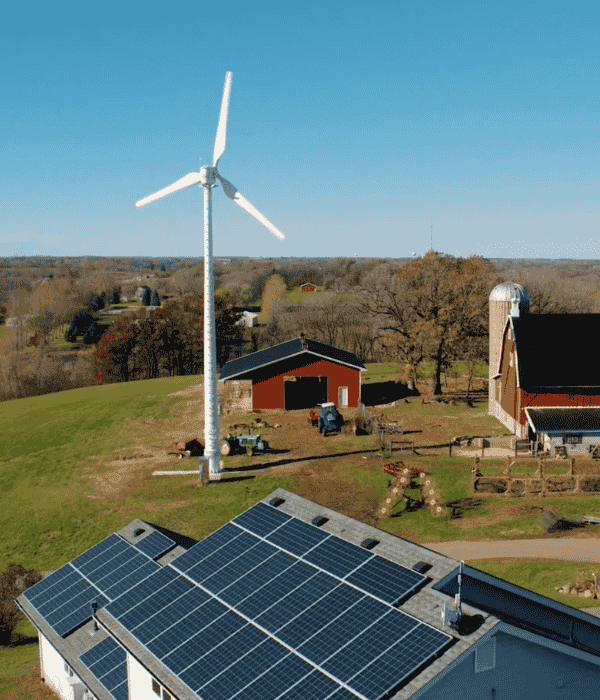
Off-the-shelf turbines frequently fail when deployed in severe environmental extremes. International exporters must offer specialized material formulations and electrical customizations, including:
Continuous mechanical refinement and electromagnetic optimization have transformed micro and small wind generators into sophisticated, utility-grade assets. Our smart energy manufacturing hubs focus R&D efforts across three primary engineering frontiers:
By leveraging high-grade Neodymium-Iron-Boron (NdFeB) permanent magnets and precision-wound oxygen-free copper stators, modern direct-drive turbines achieve electrical conversion efficiencies exceeding 92%. Low cogging torque design allows the rotor to spin effortlessly during light breeze conditions, maximizing cumulative annual energy yield (kWh/kW installed).
Aerodynamic wind dynamics are inherently fluctuating. Integrated Maximum Power Point Tracking (MPPT) micro-controllers dynamically alter generator loading thousands of times per second. This maintains optimal tip-speed ratios (TSR) across varying wind gusts, converting raw kinetic kinetic velocity into clean, grid-compliant AC power via pure sine wave inverters.
Engineered for family farms, dairies, light workshops, and telecom tower sites consuming 10 to 50 MWh annually. Direct-drive permanent magnet architecture ensures low noise and maintenance-free operation.
Our industrial workhorse featuring a 26-meter rotor diameter elevated on 30m–36m free-standing towers to harness smooth, high-velocity air above ground friction layer obstacles.
Fully integrated tri-generation architecture combining micro wind turbines, solar PV arrays, and modular BESS storage under an intelligent centralized energy management system.
Founded in Montréal, Canada in 2001, our engineering philosophy was established on a single imperative: eliminating the core points of failure in distributed wind systems. Over two decades of rigorous field deployment across Canadian winters, North Sea coastal gales, and arid industrial yards have proven our direct-drive direct-generation model.

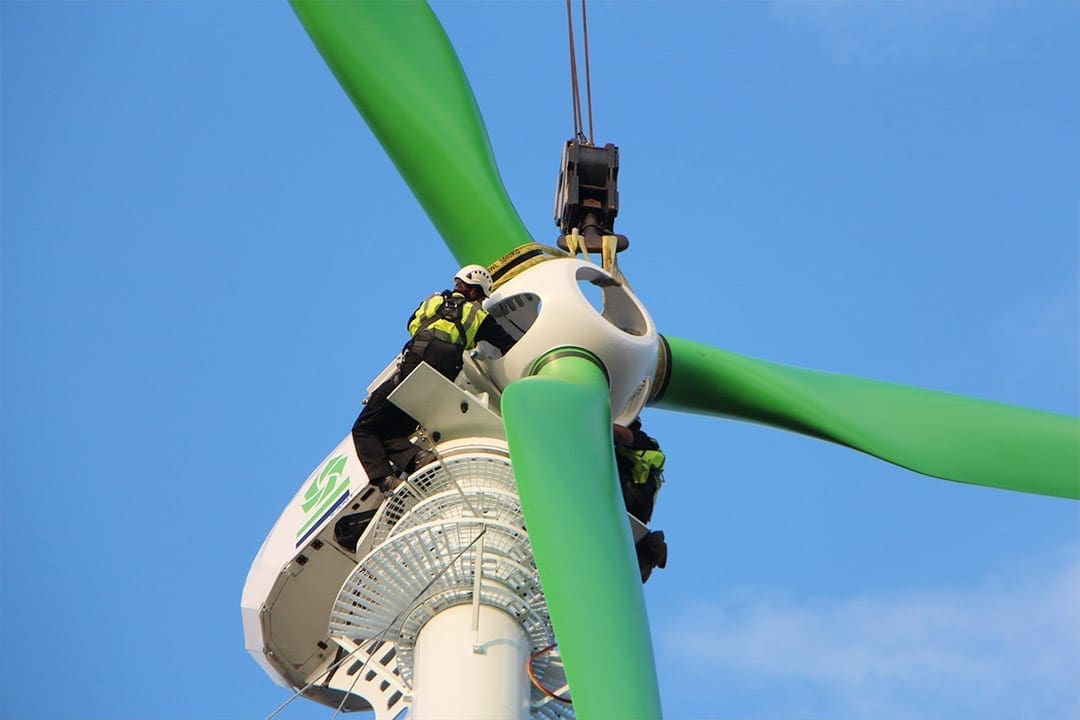
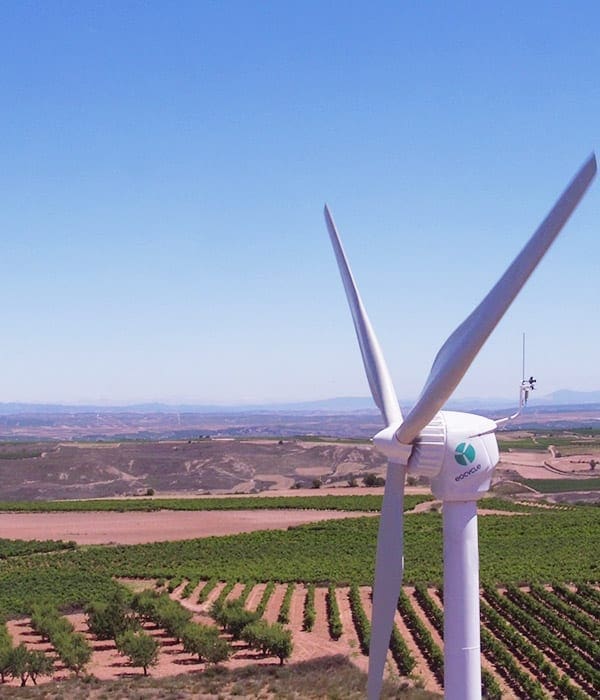
Below are detailed responses to the most critical technical and commercial questions posed by plant managers, EPC engineers, and international equipment importers during initial project scoping.
Unlock predictable clean energy costs, superior direct-drive engineering, and global export support. Contact our technical team today for complete product specifications, OEM customization options, and turnkey project quotes.
Send an Inquiry