As global energy procurement shifts toward decentralized, resilient behind-the-meter (BTM) generation, selecting a qualified industrial wind turbine manufacturer is a critical capital decision. China's wind turbine manufacturing ecosystem has evolved beyond low-cost output into an epicenter of direct-drive permanent magnet generators (PMG), advanced MPPT telemetry, and utility-scale microgrid architectures.
This technical whitepaper analyzes top-tier small-to-medium wind generation plant configurations (ranging from micro-wattage 80mW units up to 90kW industrial platforms). Designed for commercial buyers, agricultural operators, EPC contractors, and global distributors, this guide provides verifiable specifications, procurement frameworks, and technological roadmaps required to optimize total cost of ownership (TCO) and levelized cost of electricity (LCOE).
Factory-Direct Procurement Showcase: Certified Micro, Small, and Medium Wind Systems
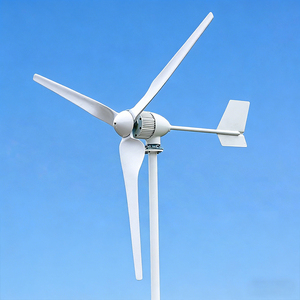
Low cut-in velocity engineered for suburban roof mounting with dynamic low-noise blade aerodynamics.
Get a Quote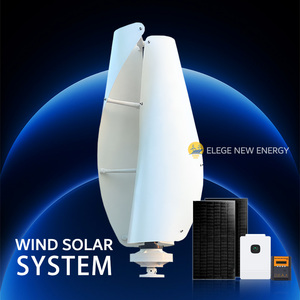
Omnidirectional wind capturing design featuring ultra-low RPM performance for turbulence-prone sites.
Get a Quote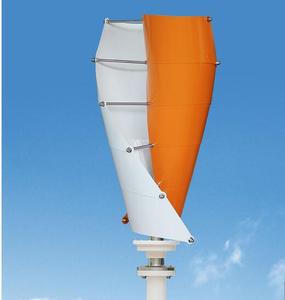
Compact vertical wind kit engineered for remote monitoring stations, lighting arrays, and marine applications.
Get a Quote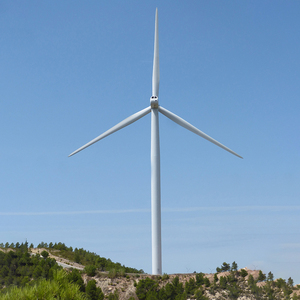
Ultra-low energy harvesting micro-turbine designed for continuous off-grid IoT sensor instrumentation power.
Get a Quote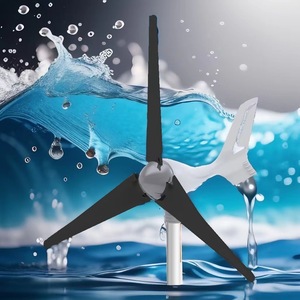
Optimized aerodynamic blade structure designed to pair directly with solar street lamps and municipal security equipment.
Get a Quote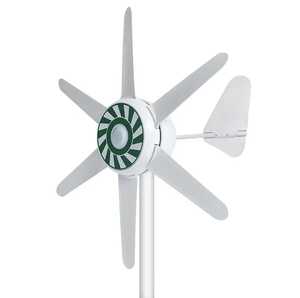
All-in-one mini generation unit requiring zero external control hardware. Plug-and-play battery charge setup.
Get a Quote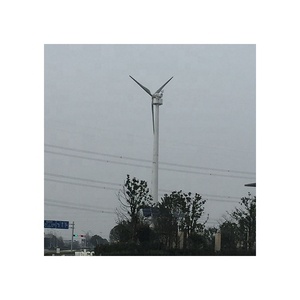
Heavy-duty commercial turbine designed for farm power offset, cold storage units, and remote mini-grids.
Get a Quote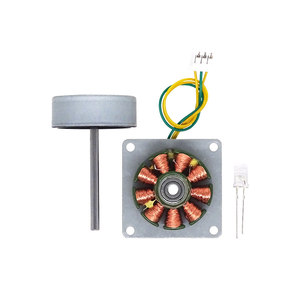
High-efficiency three-phase permanent magnet motor core for micro-generation systems and technical educational sets.
Get a QuoteWhy Tier-1 Chinese Exporters Lead Global Distributed Wind Infrastructure
Traditional wind turbines suffer severe mechanical downtime due to planetary gearbox friction and oil contamination. Leading export factories utilize direct-drive permanent magnet generators (PMG). By coupling the rotor directly to the electrical generator, mechanical failure points are reduced by up to 65%, guaranteeing operating continuity in harsh operating climates.
Built to withstand ISO & IEC 61400-2 class requirements, top Chinese plants utilize hot-dip galvanized tubular towers, anti-corrosion marine-grade epoxy coatings, and reinforced carbon-fiber composite blades. Designed for 30-year operational lifetimes even under extreme wind gusts, freezing temperatures, and salty coastal atmospheres.
Modern plants integrate real-time SCADA portals enabling remote oversight over power curves, vibration diagnostics, bearing temperatures, and yaw alignment. Automatic pitch control and electromagnetic braking prevent overspeed damage, ensuring unattended, automated system protection 24/7/365.
Quantitative comparison of generator topologies for commercial and industrial BTM deployments
| Technical Metrics | Direct-Drive PMG (Modern Chinese Export Standard) | Legacy Geared Wind Systems |
|---|---|---|
| Drivetrain Complexity | Low (Rotor directly coupled to generator shaft) | High (Multi-stage planetary gearboxes) |
| Fleet Operational Uptime | 98.4% Average Availability | 88.0% - 92.5% Availability |
| Scheduled Oil & Seal Replacement | None (Zero gear lubricants required) | Semi-Annual / Annual Fluid Replacement |
| Cut-in Wind Speed Efficiency | High (Starts at 2.0 m/s – 2.5 m/s) | Moderate (Requires 3.5 m/s – 4.0 m/s to turn gears) |
| Acoustic Signature (Noise Floor) | Ultra-Low (< 45 dB at tower base) | High Mechanical Hum (Gear mesh friction) |
| Design Life Horizon | 30 Years Engineered | 15 to 20 Years Maximum |
Key Market Developments Shaping Global B2B Wind Equipment Sourcing
Global procurement teams are moving away from standalone wind or solar deployments. Future-proof procurement mandates integrated microgrid solutions—such as the WS²+ Drivetrain System. By combining wind power (which peaks during night hours and winter seasons) with solar PV (daytime generation) and Lithium Iron Phosphate (LFP) energy storage, commercial buyers achieve up to 90% behind-the-meter grid independence.
Chinese factories are increasingly embedding edge-computing AI chips directly inside turbine control units. Modern wind plants do not merely dump raw electricity into the grid; they analyze spot electricity prices, battery state-of-charge (SoC), and facility load forecasts in real-time. Power is autonomously dispatched or stored to maximize tariff arbitrage benefits.
To reduce onsite civil works cost—which traditionally represented 35% of total project expenditure—exporters are standardizing modular flange connectors, pre-wired nacelles, and self-erecting hydraulic tilt-up towers. This enables 5kW to 90kW turbines to be installed within 48 hours without requiring heavy duty 100-ton mobile cranes on remote farms.
International buyers now audit supply chains for embodied carbon and environmental responsibility. Top Chinese wind plant suppliers provide full environmental product declarations (EPDs), raw material trace-ability, and certified recycled neodymium permanent magnets, ensuring seamless corporate ESG reporting for European and North American importers.
Next-Generation Aerodynamics, Materials, and Electrical Topologies
The transition from fiberglass reinforced plastic (FRP) to carbon-infused composite airfoils has reduced blade mass by 22% while increasing structural fatigue resistance by 40%. This allows larger rotor diameters (capturing clean air on taller towers) without increasing root-flange torque stress.
Vertical Axis Wind Turbine (VAWT) development focuses on solving low starting torque through helical Savonius-Darrieus hybrid blade designs. These systems operate effectively in turbulent, micro-urban wind conditions where horizontal axis systems struggle with rapid wind direction changes.
Instead of stepping up AC voltage across long cable runs, modern micro-wind farms use centralized DC bus architecture (380V DC / 750V DC). This eliminates AC-DC conversion losses, boosting overall system electrical efficiency by 6% to 9% when coupled directly to battery banks.
Essential Insights for B2B Importers, Agricultural Operations & EPC Buyers
