
1kW Rooftop Series

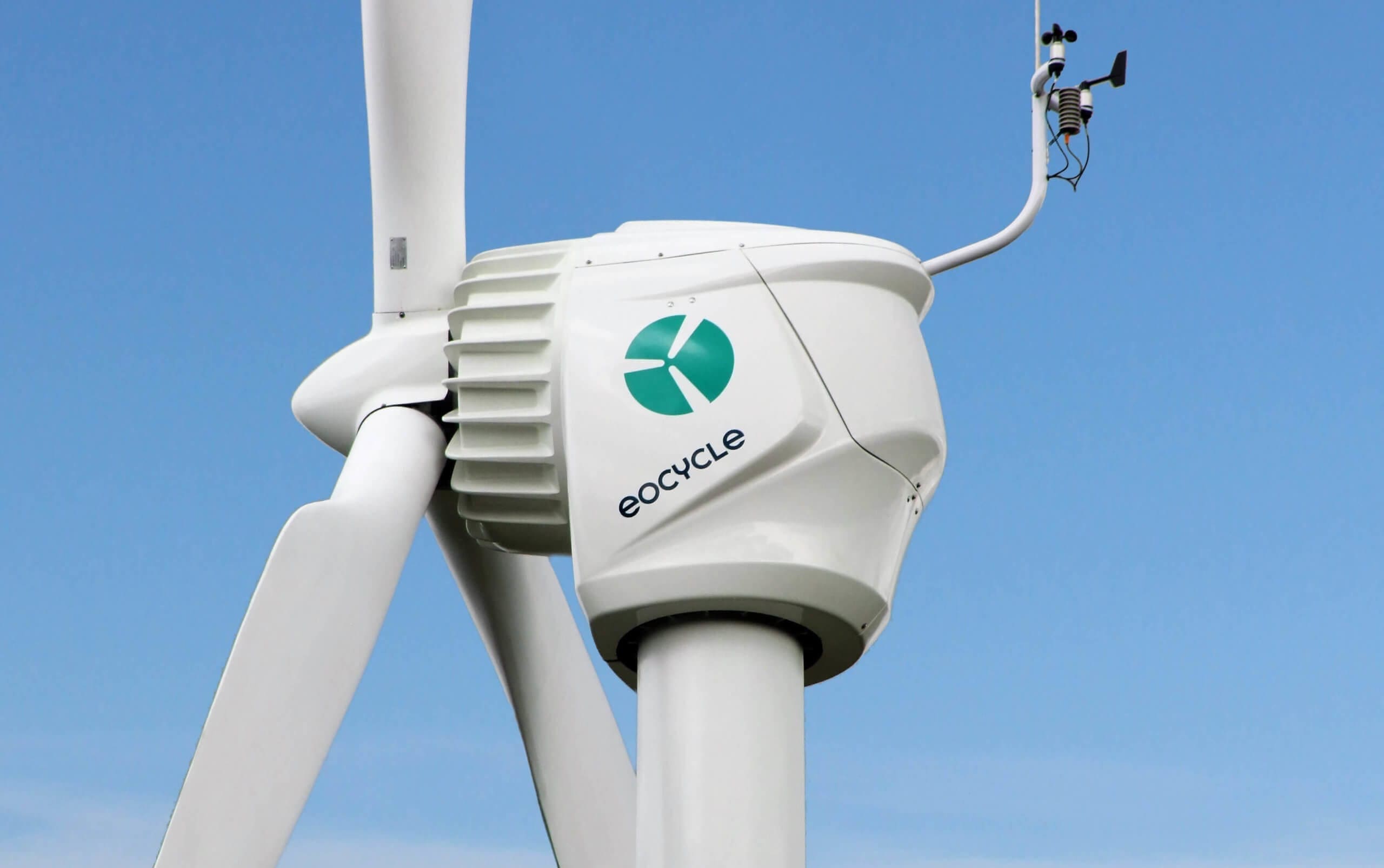
Factory Price Rooftop 1kw Small Wind Turbines for Home Electricity
- Rated Power: 1000W (1kW)
- Drivetrain: Direct-Drive PMG
- Application: Residential / Off-Grid
- System Voltage: 24V / 48V / 110V
High-reliability horizontal and vertical axis micro wind generators engineered for low cut-in speeds, off-grid telemetry, and distributed microgrids.







Why procurement officers and EPC contractors choose Chinese direct-drive manufacturing clusters to secure scalable, zero-carbon, behind-the-meter generation.
The global transition toward decentralized distributed energy resources (DER) has established China as the premier epicentre for small wind turbine design, component casting, and power electronic assembly. Spanning key manufacturing hubs across Jiangsu, Shandong, Zhejiang, and Guangdong provinces, Chinese small wind turbine factories supply over 65% of the global market for micro and small-scale wind energy conversion systems (WECS).
However, navigating supplier ecosystems requires evaluating manufacturers beyond low FOB prices. Modern international buyers—ranging from agricultural project managers in North America to off-grid microgrid developers in Europe and Africa—require direct-drive technology, low Levelized Cost of Electricity (LCOE), and proven field survivability in violent storm environments.
By coupling the permanent magnet synchronous generator (PMSG) directly to the rotor, mechanical failure points are reduced by 70%. Eliminates gearbox oil maintenance and mechanical friction losses.
Smart Maximum Power Point Tracking controllers continuously adjust electrical impedance to capture optimal kinetic yield across variable turbulent wind speeds from 2 m/s up to 25 m/s.
Industrial IoT gateways stream real-time voltage, current, rotor RPM, yaw position, and vibration telemetry directly to cloud dashboards for predictive maintenance alerts.
Understanding technology shifts from conventional mechanical systems to direct-drive permanent magnet microgrids.
For decades, small wind systems suffered from high lifecycle operational costs due to mechanical gearbox failures. Traditional geared turbines operate at high internal rotational speeds (1,000–1,500 RPM), causing severe wear on teeth, seals, and lubrication oil. The modern Chinese tier-1 export standard has overwhelmingly shifted toward Direct-Drive Permanent Magnet Generators (PMG) operating at low rotational speeds (100–400 RPM).
Direct-drive architectures feature zero internal gear oil, significantly reducing annual operation & maintenance (O&M) visits. For remote telecommunications towers, agricultural feedyards, and island microgrids, choosing a direct-drive small wind factory ensures over 98% operational uptime across a 30-year design life.
Industrial and commercial energy buyers rarely procure standalone small wind turbines today. Sourcing trends reveal a 300% growth in turnkey microgrid procurement combining wind turbines with solar PV arrays and Battery Energy Storage Systems (BESS). Because solar peak yield occurs during daylight hours while wind generation frequently peaks during nighttime and winter seasons, wind-solar hybrid architectures deliver a continuous, levelized load curve.
| Technology Metric | Conventional Geared Turbine | Modern Direct-Drive PMG | Integrated Wind-Solar-Storage (WS²+) |
|---|---|---|---|
| Gearbox Maintenance | Required (Oil changes every 12-18 mos) | None (Gearbox-Free) | None (Gearbox-Free) |
| Start-Up Wind Speed | 3.5 m/s – 4.5 m/s | 1.5 m/s – 2.5 m/s | 1.5 m/s (Dual Harvesting) |
| Operational Design Life | 10 – 15 Years | 25 – 30 Years | 25 – 30 Years |
| Fleet Availability | 85% – 90% | >98% Verified Uptime | 99.5% Continuous Power |
| Primary Target Segment | Legacy Farm Installations | On-Grid & Off-Grid Facilities | Commercial, Feedyards & Microgrids |
When selecting a factory supplier in China, engineers must match turbine rotor architecture to the micro-climate aerodynamic profile of the installation site:
Combining North American/European engineering rigor with China’s ultra-efficient supply chain infrastructure.
Originating from two decades of direct-drive wind generator research and robust manufacturing capabilities, our supplier network manufactures world-class small wind systems ranging from 80mW micro-sensors to 90kW industrial turbines.
Direct technical answers to critical questions asked by procurement managers, importers, and EPC developers.
As a general engineering rule, installation sites with an average annual wind speed of 4.5 m/s to 5.0 m/s (approx. 10–11 mph) at hub height yield an attractive return on investment (ROI). Because wind power density scales cubically with velocity (P ∝ v³), utilizing tall guyed or free-standing towers (24m to 36m) elevates the rotor above surface roughness, tree lines, and agricultural silos to reach cleaner, higher-velocity airflow.
Tier-1 Chinese factories export system platforms equipped with international grid-compliant grid-tie inverters (certified to UL 1741, IEEE 1547, EN 50549, and CE directives). These controllers feature anti-islanding protection, automatic overspeed braking, active anti-surge suppression, and programmable power factor control for seamless net metering integration with local utility grids.
Off-grid systems redirect turbine AC power through an MPPT charge controller into low-voltage or high-voltage battery banks (12V to 480V DC), powering remote loads like telecom towers, streetlights, and isolated farm pumps. Grid-tied systems feed synchronized 3-phase AC power directly into the facility’s distribution board behind the utility meter, reducing electricity drawn from the grid during high-tariff operational peak hours.
Because direct-drive generators eliminate mechanical gearboxes, O&M requirements are exceptionally minimal. Routine maintenance typically consists of an annual visual inspection checking flange bolt torque, blade tip condition, slip ring carbon brush wear (if applicable), and yaw bearing greasing. Remote SCADA telemetry continuously monitors vibration, temperature, and current output to detect abnormalities before downtime occurs.
Quality Chinese suppliers utilize C4/C5 marine-grade anti-corrosion surface coatings, hot-dip galvanized steel towers, stainless steel (SUS316) fasteners, and IP67-rated sealed generator housings. For severe typhoon-prone coastal regions, turbines feature double redundant braking systems: an electronic electromagnetic brake paired with an automatic aerodynamic passive furl or active mechanical blade pitch control.