High-efficiency, low-noise micro wind generators and magnetic levitation power platforms tailored for agricultural, commercial, residential, and off-grid microgrid deployment.
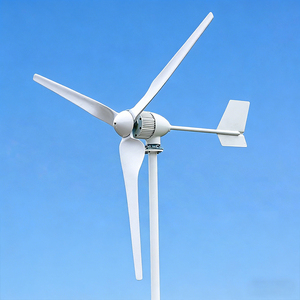
Aerodynamically optimized residential rooftop turbine designed for low-velocity wind zones and domestic energy independence.
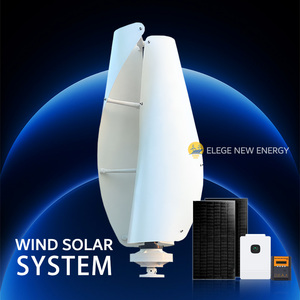
Vertical-axis maglev design capturing wind from 360 degrees without yaw adjustment requirements. Ultra-quiet operation.
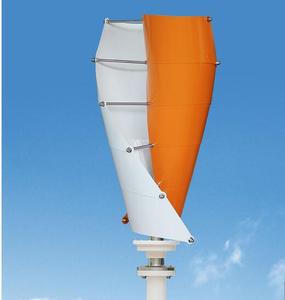
Compact low-power vertical turbine kit for telecommunication stations, remote sensors, and off-grid battery trickle charging.
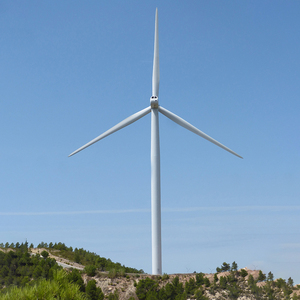
Ultra-miniature, weatherproof wind generator module for IoT sensors, outdoor monitoring devices, and educational kits.
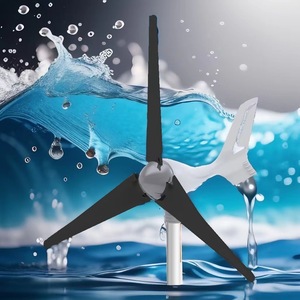
High-rpm horizontal axis generator built specifically for wind-solar street lighting systems and security surveillance nodes.
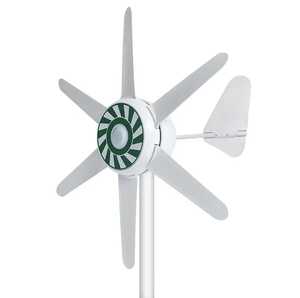
Integrated plug-and-play micro turbine with internal rectify controller, eliminating external box installation complexity.
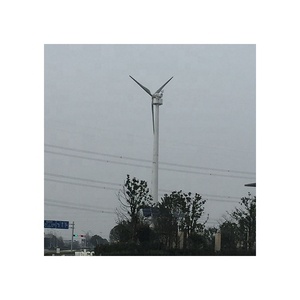
Industrial-grade 5kW wind turbine with reinforced fiberglass blades and pitch-controlled power smoothing for commercial sites.
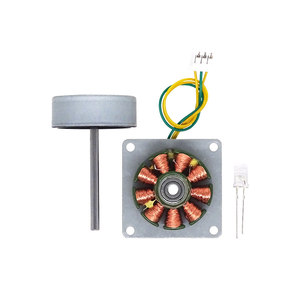
Ultra-low torque magnetic levitation alternator core for specialized micro hydro, wind, and kinetic harvesting equipment.
In the evolving landscape of clean distributed energy resources (DER), traditional wind turbines frequently suffer from mechanical degradation due to gearbox wear, high cut-in wind thresholds, and excessive acoustic vibration. As global buyers look to China’s top maglev turbine suppliers for scalable solutions, understanding the engineering fundamentals of magnetic levitation (maglev) wind generation becomes essential for high-ROI procurement decisions.
Magnetic levitation technology alters the paradigm of wind turbine engineering by suspending the turbine shaft magnetic field in mid-air with zero physical contact. By utilizing permanent rare-earth neodymium-iron-boron (NdFeB) magnets, maglev turbines overcome the mechanical friction limits inherent in conventional ball-bearing systems. This delivers two primary engineering benefits: an extraordinarily low startup wind speed (often as low as 1.2 m/s to 1.5 m/s) and an operational lifespan exceeding 30 years with negligible mechanical wear.
When sourcing from premier Chinese suppliers, global engineering buyers must evaluate the operational trade-offs between Vertical Axis Maglev Wind Turbines (VAWT) and traditional Horizontal Axis Wind Turbines (HAWT):
| Technical Parameter | Maglev Vertical Axis (VAWT) | Standard Horizontal Axis (HAWT) |
|---|---|---|
| Mechanical Friction | Near-Zero (Maglev Floating Suspension) | High (Mechanical Roller Bearings) |
| Cut-In Wind Speed | 1.2 m/s – 1.8 m/s | 2.5 m/s – 3.5 m/s |
| Yaw Mechanism Need | Omnidirectional (No Yaw Engine Needed) | Requires Active Motorized Yaw Mechanism |
| Noise Emissions | Sub-35 dB (Silent / Urban Compatible) | 55 – 70 dB (Aerodynamic Blade Swish) |
| Typhoon Resistance | Up to 50 m/s (Category 15 Storms) | Cut-out forced at 25 m/s |
| Design Service Life | 30+ Years (Minimal Service Needs) | 15 - 20 Years (Frequent Bearing Lubrication) |
By eliminating the gearbox and reducing physical drag, maglev wind turbines capture light breezes that would leave conventional turbines stationary. This elevates the total annual energy production (AEP) by 25% to 40% in low-to-moderate wind resource zones (IEC Class III and Class IV wind areas).
We combine state-of-the-art permanent magnet technology, direct-drive generator engineering, and rigorous international quality compliance to deliver reliable turnkey energy systems.
Our direct-drive permanent magnet generators (PMG) completely eliminate complex gearboxes. Fewer moving components mean lower mechanical failure rates, zero oil changing requirements, and reduced operational expenditure (OPEX).
Built with aerospace-grade aluminum alloy, corrosion-resistant anodized coatings, and carbon fiber blades. Rated for extreme weather conditions, coastal salt spray, and temperatures ranging from -40°C to +60°C.
Equipped with intelligent Maximum Power Point Tracking (MPPT) power controllers. Designed for seamless hybrid coupling with rooftop solar arrays, lithium-ion storage batteries, and automated backup generators.
Manufactured under strict ISO9001 quality management guidelines. Fully tested and compliant with CE, IEC 61400 small wind turbine safety protocols, and RoHS environmental mandates for global export.
Remote telemetry and micro-SCADA portals enable real-time performance monitoring, automated fault detection, electrical yield reporting, and predictive maintenance diagnostics from any workstation or smartphone.
Full engineering support for custom grid-tie voltage configurations (110V/220V/380V/480V), bespoke mounting flange designs, tailored color schemes, and private label branding for international distributors.
The global demand for micro distributed energy generation is experiencing exponential growth, driven by volatile utility electricity tariffs, corporate ESG decarbonization mandates, and the expanding electrification of industrial infrastructure. Procurement directors and project developers must navigate several defining technical and supply-chain trends over the next decade:
Standalone renewable assets are rapidly giving way to integrated hybrid microgrids. Because solar PV peak generation occurs during daylight hours, while wind speed profiles typically surge during late afternoon and overnight periods, pairing maglev wind turbines with rooftop solar creates a continuous 24-hour generation curve. B2B buyers are increasingly prioritizing suppliers capable of shipping pre-configured hybrid MPPT controllers and integrated battery management systems (BMS).
Chinese suppliers are at the forefront of rare-earth magnet integration. Advanced sintering processes for N52-grade Neodymium-Iron-Boron magnets now allow maglev generators to operate efficiently at ambient temperatures exceeding 80°C without demagnetization risks. Simultaneously, carbon-fiber reinforced polymer (CFRP) airfoils have reduced blade mass by up to 30%, allowing instantaneous response to micro-gusts and turbulent urban wind fields.
As municipal noise ordinances become stricter across North America and Western Europe, traditional high-speed horizontal turbines are frequently rejected in zoning reviews due to blade tip noise and shadow flicker. Maglev vertical-axis turbines produce aerodynamic frequencies below the human audibility threshold (< 35 dB at 5 meters), establishing them as the preferred choice for commercial rooftops, highway lighting poles, and residential micro-gen projects.
Modern procurement extends beyond physical hardware delivery. Tier-1 Chinese maglev turbine manufacturers now embed IoT sensor arrays within generator stators to stream temperature, voltage output, vibration, and rotor rpm to cloud platforms. Digital twin modeling predicts bearing maintenance years in advance, allowing facility operators to achieve 99%+ operational uptime.
Clear, technical guidance to assist engineering leads, procurement officers, and project developers in evaluating maglev turbine systems.
Connect with our engineering team to request detailed technical datasheets, full product catalogs, CAD drawings, and factory-direct wholesale pricing.