Engineered for low-wind cut-in, extreme climatic resilience, grid compliance, and seamless integration into residential, commercial, and agricultural power systems.
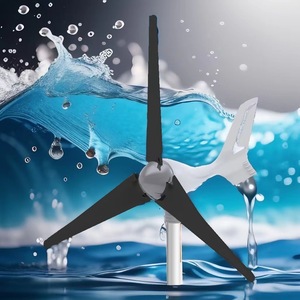
The global energy landscape is undergoing a structural transition from centralized thermal generation to localized, high-density Distributed Energy Resources (DER). Global commercial entities, agricultural operations, microgrids, and remote facilities face unprecedented volatility in grid tariffs, peak-demand surcharges, and stringent regulatory requirements targeting Scope 2 greenhouse gas emissions.
As a premier OEM manufacturer and turnkey distributed energy supplier originating from two decades of specialized turbomachinery R&D (with legacy foundations established in 2001 in Montréal, Canada), our engineering focus centres on eliminating mechanical failure points, maximizing annual energy production (AEP), and yielding an unprecedented Levelized Cost of Energy (LCOE).
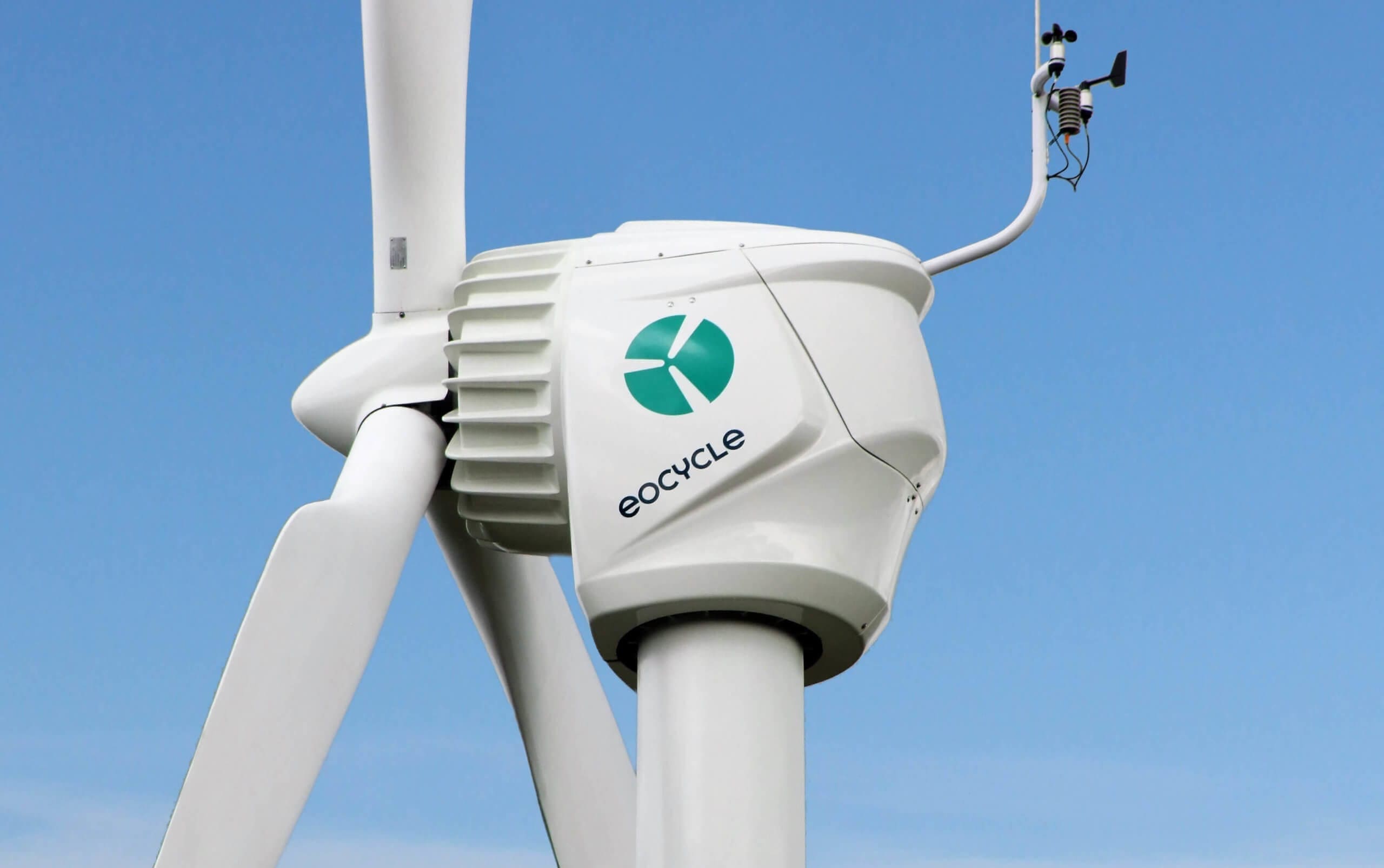
From micro-watt telemetry turbines to 90 kW commercial workhorses and AI-controlled hybrid microgrids.
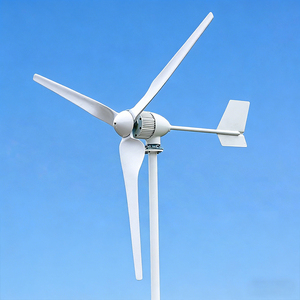
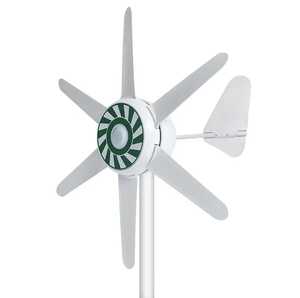
Purpose-built for family farms, dairies, light manufacturing workshops, and commercial facilities consuming between 30 MWh to 150 MWh annually. The S-Series utilizes low-rpm direct-drive permanent magnet alternators coupled with high-lift aerodynamic blades to ensure whisper-quiet operation and immediate energy capture in light breeze regimes (cut-in at 2.7 m/s).
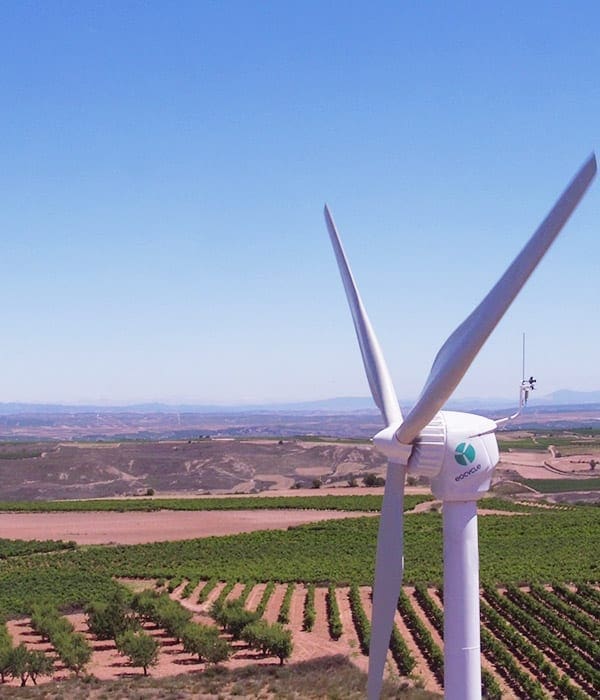
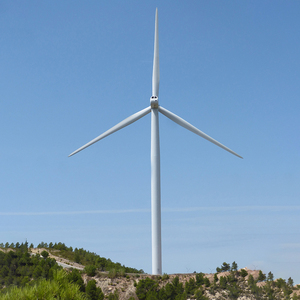
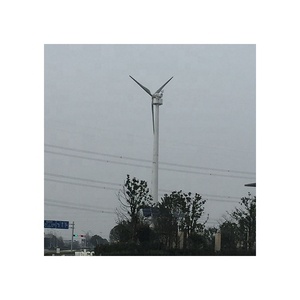
Our industrial workhorse features a 26-meter rotor diameter elevated on tall steel monopoles (30m to 36m hub height). By elevating the rotor swept area above surface turbulent boundary layers, the EOX M-26 captures clean, laminar wind streams, producing up to 350 MWh per annum under standard 6.0 m/s wind regimes. Fully equipped with active aerodynamic stall regulation and dual braking redundancy.
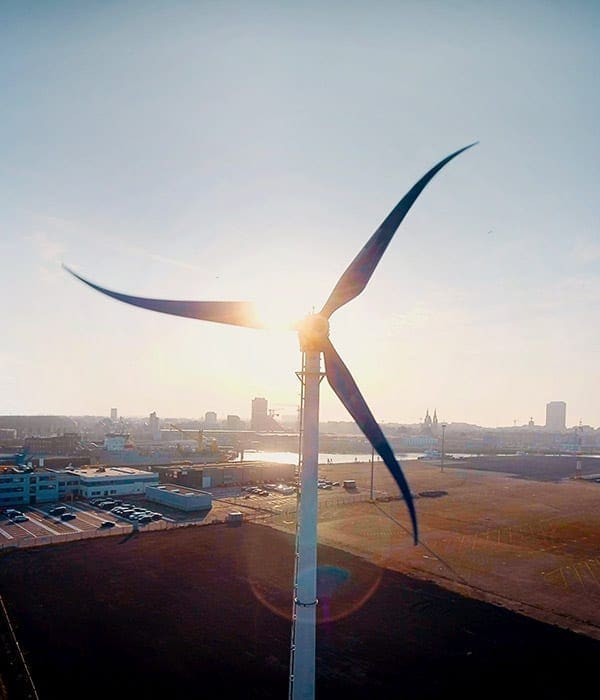
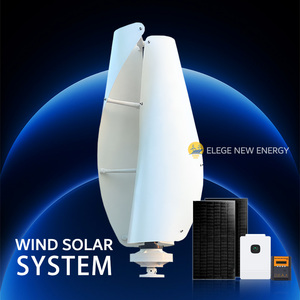
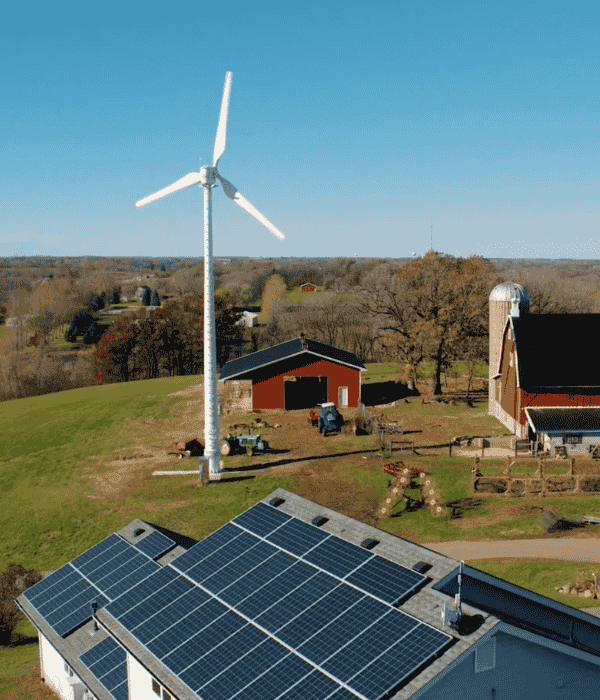
The ultimate off-grid and weak-grid energy security system. EOX WS²+ harmonizes direct-drive wind power, high-efficiency solar photovoltaic arrays, and Lithium Iron Phosphate (LFP) Battery Energy Storage Systems (BESS). Managed by an edge-computing AI Energy Management System, it balances production curves, executes real-time tariff arbitrage, and provides instantaneous uninterruptible backup power.
Evaluating mechanical drivetrains, energy density, and operational reliability for industrial site planning.
| Evaluation Parameter | Direct-Drive Wind System (Eocycle Technology) | Legacy Gearbox Wind Generator | Standard Commercial Rooftop Solar PV | Diesel Generator Set (Baseline) |
|---|---|---|---|---|
| Mechanical Drivetrain | Gearbox-Free Direct-Drive PMG | Multi-stage planetary gearbox | Static solid-state semi-conductors | Internal combustion engine |
| Design Service Life | 30 Years continuous | 10 – 15 Years (Gearbox failure prone) | 25 Years (Panel degradation ~0.5%/yr) | 15,000 Running hours |
| Fleet Availability | > 98.4% Verified | 88.0% – 92.0% | 99.5% (Daylight dependent) | 95.0% (Maintenance intensive) |
| 24/7 Diurnal Profile | High (Generates day, night & winter) | High (Generates day, night & winter) | Zero output during night/heavy snow | On-demand (High fuel cost) |
| Land Footprint Efficiency | Extreme (~4m² foundation pad) | Moderate (~10m² foundation pad) | Low (Requires vast acreages/roofs) | Compact indoor enclosure |
| Scheduled Servicing | Annual basic visual inspection | Bi-annual oil flush & mechanical overhaul | Quarterly panel washing | Every 250–500 operating hours |
| Levelized Cost (LCOE) | $0.035 – $0.065 / kWh | $0.080 – $0.120 / kWh | $0.050 – $0.090 / kWh | $0.280 – $0.450 / kWh |
Key market forces shaping corporate energy sourcing, microgrid engineering, and hardware selection.
Procurement is moving rapidly away from standalone renewable generation toward fully orchestrated microgrids. Modern distributed energy systems integrate edge computing units running dynamic dispatch algorithms. These systems continuously process 48-hour forward weather forecasts, historical load curves, real-time spot electricity prices, and battery state-of-charge (SoC). By predicting when wind production will exceed local facility demand, the AI system automatically routes energy to thermal energy storage, EV charging depots, or high-capacity LFP batteries, completely avoiding low-value grid export.
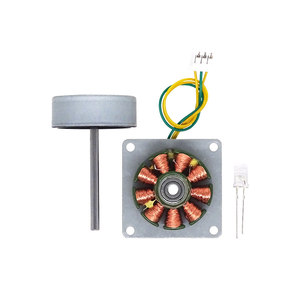
Historical data from operations over the past two decades revealed that gearboxes accounted for over 42% of unplanned downtime and mechanical replacement expenditures in small-to-medium wind power assets. Future procurement standards among corporate buyers, agricultural cooperatives, and microgrid developers now mandate direct-drive Permanent Magnet Generators (PMG). With zero gear oil maintenance and fewer rotating mechanical interfaces, direct-drive technology guarantees predictable Levelized Cost of Energy over a 30-year operational lifecycle.
Solar PV energy production peaks sharply during midday hours and drops to zero at night, while seasonal output drops drastically in northern hemisphere winter months. Conversely, atmospheric wind speeds are statistically higher during winter seasons, storm fronts, and nighttime cooling transitions. The market is aggressively adopting combined wind-solar-storage topologies (such as the EOX WS²+ system), achieving an aggregated load-matching factor above 78% without relying on utility grid backstopping.
International enterprise buyers now audit the Scope 2 carbon footprint of their tier-1 and tier-2 manufacturing partners. Installing visible, high-yield distributed wind generation directly on factory grounds or agricultural feedyards provides verifiable, auditable green power generation. This on-site physical asset fulfills corporate ESG commitments faster than virtual Power Purchase Agreements (PPAs), providing a decisive competitive edge when tendering for global supply contracts.
Dairy operations, grain drying facilities, poultry housing, feedyards, and irrigation pumping networks operate on relentless 24/7 schedules. Peak power requirements frequently occur in winter and nighttime hours when ventilation, refrigeration, and heating systems run constantly.

Cold storage plants, logistics hubs, automated warehousing, water treatment facilities, and manufacturing plants often face constrained rooftop areas that limit solar PV capacity. Distributed wind turbines leverage vertical airspace to deliver high gigawatt-hour density per square meter of ground footprint.
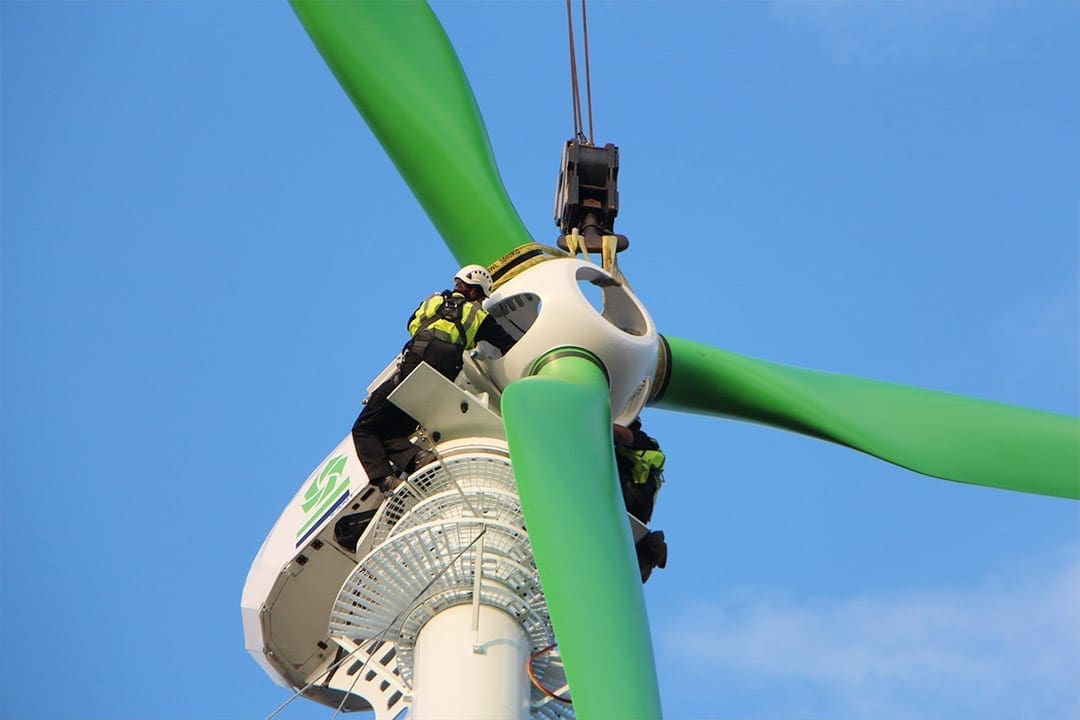
Remote mining outposts, island communities, telecom base stations, and isolated microgrids rely heavily on expensive, logistics-vulnerable diesel generators. Integrating direct-drive wind power cuts diesel fuel reliance by up to 80%, substantially mitigating fuel transport risks and operating costs.
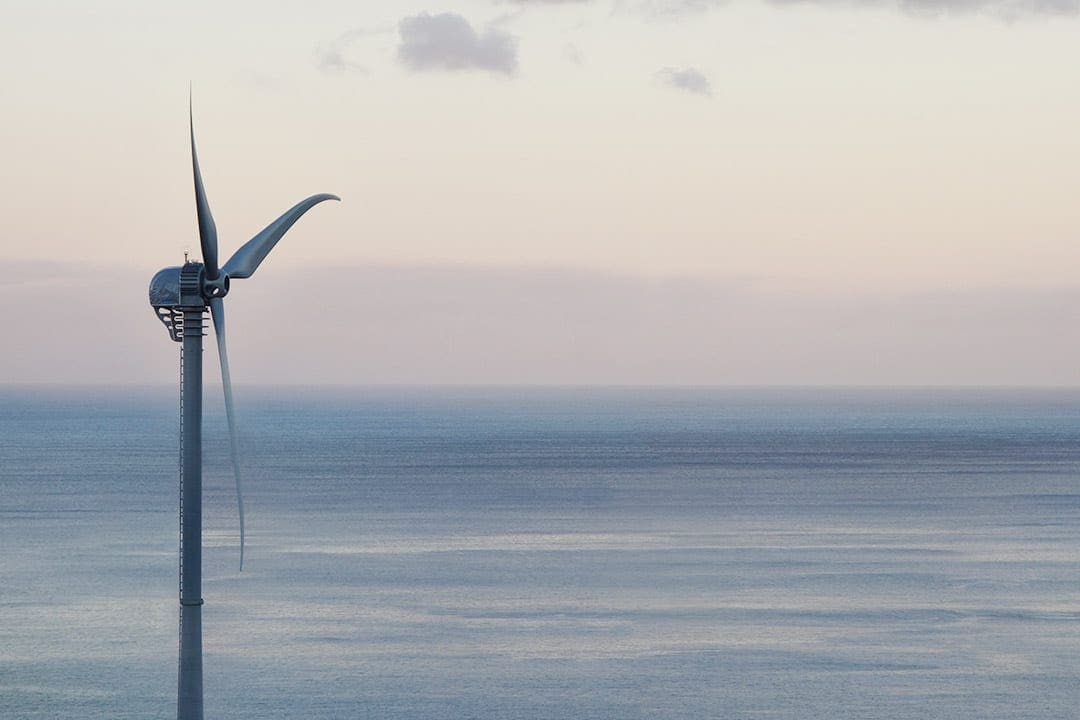
Single-source accountability from initial wind site assessment to 30 years of SCADA operational monitoring.
Our engineering team analyzes site 10-year wind atlas data, LiDAR/anemometer sensor readings, Weibull distribution parameters, and facility 15-minute interval utility bills to determine optimal rotor hub height and capacity.
We model transparent financial return calculations, including Net Present Value (NPV), Internal Rate of Return (IRR), payback windows, accelerated tax depreciation models, and regional clean energy grant applications.
Managing zoning approvals, setback compliance, environmental/avifauna impact screening, sound propagation assessments, and utility grid interconnection study filings under IEEE 1547 standards.
Turnkey civil execution including reinforced concrete foundation pouring, monopole tower hydraulic erection, electrical conduit underground wiring, transformer integration, grid sync, and safety testing.
24/7 Cloud SCADA telemetric supervision. Real-time monitoring of bearing temperature, vibration spectra, electrical power output, and automatic predictive maintenance dispatch across 30 operational years.
Detailed answers to technical, commercial, and engineering questions surrounding distributed wind procurement.
As a practical engineering baseline, sites with an annual average wind speed of approximately 4.5 m/s to 5.0 m/s (10–11 mph) at hub height warrant a comprehensive financial feasibility study. Because power density in the wind scales cubically with velocity (P = ½ ρ A v³), elevating the turbine rotor to 30m or 36m hub heights accesses cleaner, faster laminar wind above ground friction and surface clutter (such as silos, tree lines, and industrial structures). Our engineering team performs site modeling using 10-year NASA/NOAA satellite wind datasets combined with localized anemometer telemetry prior to project commitment.
While solar PV is effective during sunny daylight hours, distributed wind offers distinct operational advantages: higher megawatt-hour energy yield per square meter of ground land occupied, and continuous 24/7 power generation during nighttime, winter storms, and overcast weather—precisely when agricultural, cold storage, and manufacturing loads peak. Furthermore, wind turbine foundations occupy a tiny physical footprint (approx. 16m²), keeping surrounding agricultural land in active production. Combining wind and solar PV in a hybrid configuration (e.g., EOX WS²+) creates a complementary power profile that yields near-constant zero-carbon electricity.
By completely eliminating the high-wear mechanical gearbox, our direct-drive permanent magnet wind turbines remove over 60% of conventional moving parts. There is zero gear oil to replace, no high-speed shaft seals to leak, and minimal mechanical friction. Scheduled maintenance is simplified to a single annual inspection encompassing visual bolt torque checks, electrical terminal inspections, and grease lubrication of yaw/pitch bearings. Cloud-based SCADA systems continuously monitor vibration, temperature, and electrical harmonics to catch minor anomalies long before downtime occurs.
We deliver complete turnkey Engineering, Procurement, and Construction (EPC) solutions. Working alongside our certified regional installation partners, we manage the complete regulatory workflow: local zoning board applications, FAA/aviation height clearances, acoustic propagation modeling, avifauna environmental screening, and utility interconnect filings under standard grid codes. Clients receive a fully certified, grid-connected power plant ready for commercial generation.
Our distributed energy turbines are structural and mechanical assets designed according to IEC 61400-2 standards for a 30-year operational design life. Key structural components—including hot-dip galvanized steel towers, heavy-duty pitch bearings, and direct-drive PMG alternators—are engineered for decades of continuous duty under extreme meteorological conditions. Comprehensive warranty packages, extended service agreements, and performance output guarantees are standard options for corporate and utility projects.
Our wind generators output AC power which is rectified via high-efficiency MPPT power conversion modules into stable DC power. This DC voltage bus directly charges industrial battery banks (such as LiFePO4 or flow batteries) or feeds multi-port hybrid inverters. The internal smart controller synchronizes with the facility's BESS energy management system, allowing the battery to absorb surplus wind generation at night and discharge during expensive daytime peak tariff hours.
Contact our senior power systems engineers today for a complimentary wind resource analysis, customized site financial model, and factory-direct equipment quotation.
