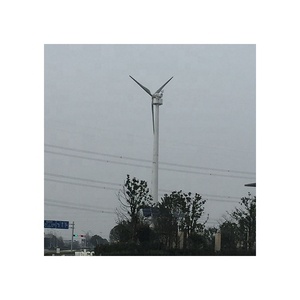
China Best Wind Turbine Manufacturer & Factory

Engineering White Paper: Industrial-Grade Small Wind Energy Solutions, Direct-Drive Innovations, and Global B2B Sourcing Standards

20+ Years Engineering Precision
30 Years Designed Asset Lifespan
98.4% Fleet SCADA Availability
80W–90kW Scalable Power Range
Factory Direct Catalog

High-Efficiency Wind Turbines & Generator Kits

Explore our certified portfolio of direct-drive horizontal and vertical axis micro-wind turbines engineered for commercial, residential, agricultural, and microgrid installations.
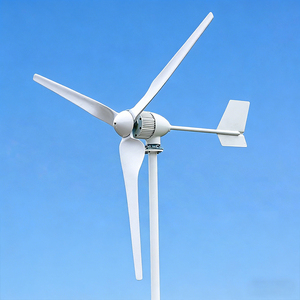
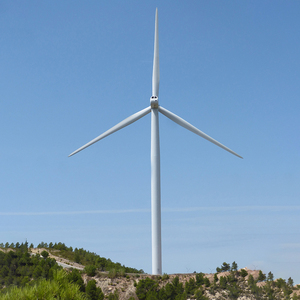
Factory Price Rooftop 1kw Small Wind Turbines for Home Electricity
  • Rated Output: 1000W (1kW)
  • Cut-in Wind Speed: 2.5 m/s
  • System Voltage: 24V / 48V / 110V
  • Drivetrain: Direct-Drive PMG
Contact Us
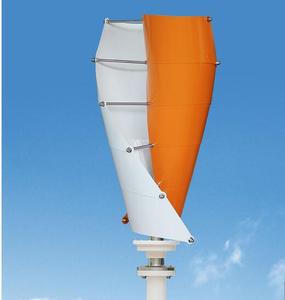
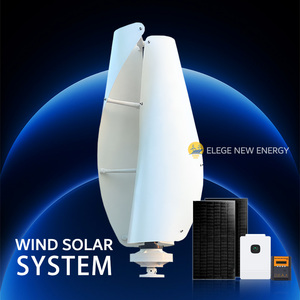
CE MPPT Low Noise RPM Free Energy Vertical Wind Turbine 2kw
Elege CE MPPT Low Noise 12V 24V 48V 2kw Vertical Axis Wind Turbine
  • Rated Output: 2000W (2kW)
  • Axis Orientation: Vertical Axis (VAWT)
  • Control System: Smart MPPT Controller
  • Noise Level: < 40 dBA
Contact Us
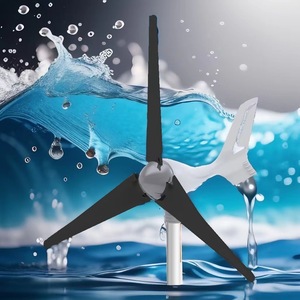
300w Micro Vertical Wind Generator Kit China
300W Micro Vertical Wind Generator Kit China OEM
  • Rated Output: 300W Peak
  • Blade Material: Nylon Fiber Composite
  • Application: Off-Grid / Marine / Monitoring
  • Generator: 3-Phase AC Synchronous
Contact Us
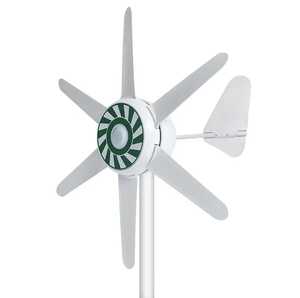
Wind Generator Long Lifespan Outdoor Micro Wind Generator 80mw 90mw 100mw
Long Lifespan Outdoor Micro Wind Generator 80W - 100W Turbines
  • Capacity Range: 80W / 90W / 100W
  • Start-up Wind: 1.5 m/s Low Torque
  • Protection Grade: IP67 Weatherproof
  • Target Use: IoT Sensors & Lighting
Contact Us
Horizontal Axis Micro Wind Generator 400W 12V For Solar Street Light
Horizontal Axis Micro Wind Generator 400W 12V Solar Hybrid
  • Rated Output: 400W @ 12m/s
  • Voltage Output: 12V DC Battery Charging
  • Body Material: Aluminum Alloy Die-Cast
  • Application: Streetlights & Surveillance
Contact Us
90W Mini Wind Turbine With Controller Built-in
90W Mini Wind Turbine with Integrated Controller (DC 12V/24V)
  • Rated Output: 90W Micro Power
  • Electronics: Built-in Rectifier & Controller
  • Structure: Compact Lightweight Dual Blade
  • Maintenance: Zero-Maintenance Sealed
Contact Us
High Efficiency Three Blades 5kw Micro Wind Turbine Generator
High Efficiency Three Blades 5kW Commercial Wind Turbine Generator
  • Rated Output: 5000W (5kW)
  • Rotor Diameter: 6.0 Meters (AR6.0)
  • Yaw System: Auto Tail-Furl Protection
  • Efficiency: Betz Limit Optimized (42%)
Contact Us
Three-phase Micro Wind Generator 3V to 24V Low Voltage Motor Equipment
Three-Phase Micro Wind Generator Motor 3V-24V OEM Core Component
  • Voltage Range: 3V to 24V AC
  • RPM Range: Low Speed 150 - 1500 RPM
  • Magnet Type: NdFeB Rare Earth Permanent
  • Use Case: DIY Kits / Education / Custom OEM
Contact Us
Factory Expertise & Authority

Why Direct Manufacturing Capabilities Matter for Global Buyers

In the distributed wind energy market, long-term operational uptime hinges on mechanical simplicity and precision assembly. As China's premier wind turbine manufacturer, we eliminate structural vulnerabilities through direct-drive engineering.

Two Decades of Direct-Drive Permanent Magnet Innovation

Traditional wind turbines rely on mechanical gearboxes to accelerate shaft speeds. Gearboxes represent the single most common failure point in small-to-medium turbines, requiring frequent gear-oil changes, seal replacements, and heavy downtime. Our manufacturing facility pioneered gearless direct-drive architecture utilizing custom NdFeB rare-earth permanent magnets.

By coupling the aerodynamic rotor directly to a slow-speed permanent magnet generator (PMG), mechanical wear components are reduced by over 60%. This yields a design service life of up to 30 years, continuous operation in sub-zero climates, and proven availability exceeding 98.4% across thousands of worldwide deployments.

Request Technical Dossier
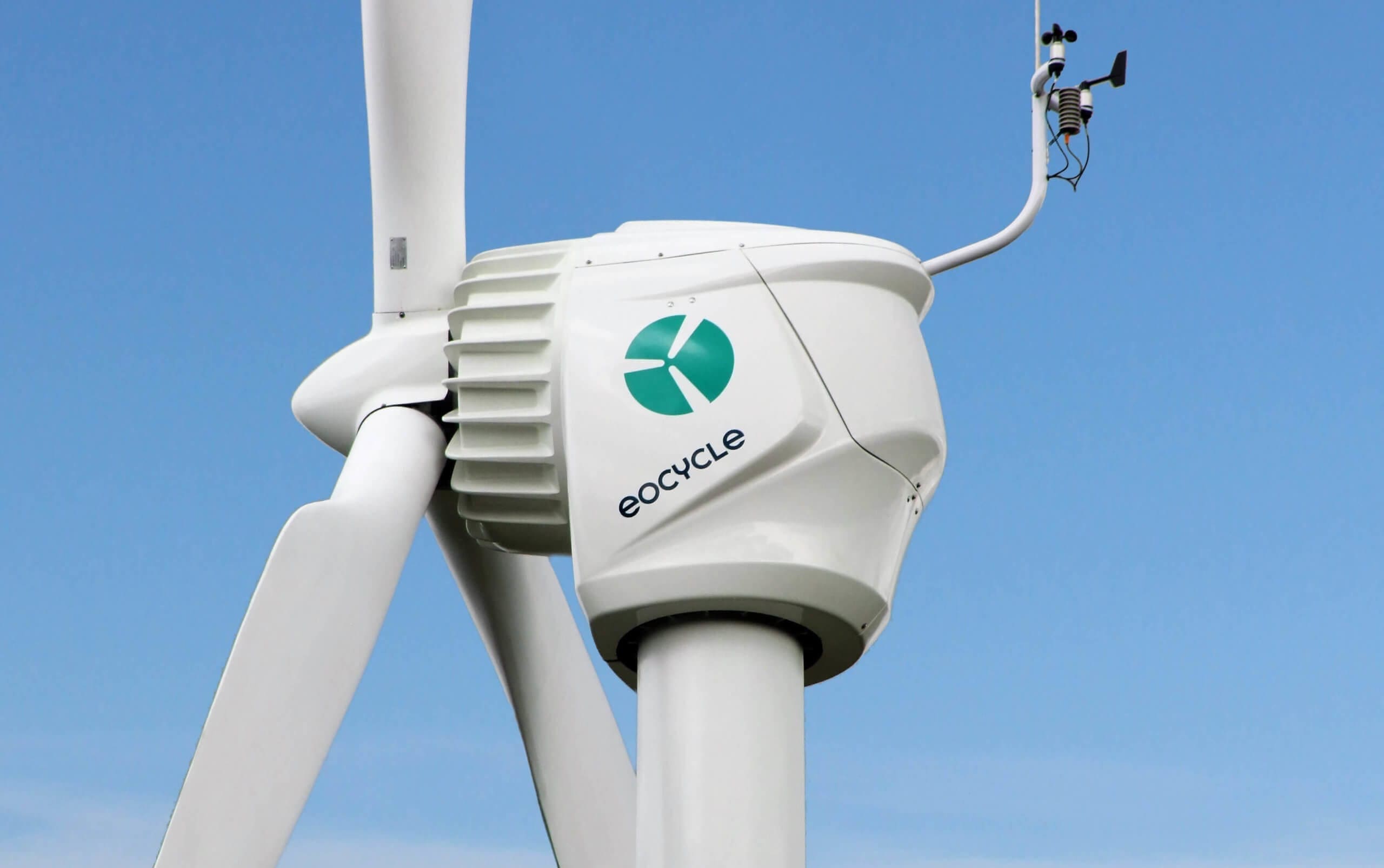

Direct-Drive Wind Turbine Engine Manufacturing Standard
Agricultural Wind Power System Installation

Turnkey OEM/ODM Manufacturing & Custom Engineering

We operate fully integrated ISO9001, ISO14001, and CE-certified production lines. From dynamic rotor balancing and stator manual winding to computerized load-testing chambers, every step of our manufacturing workflow is monitored by automated Quality Control protocols.

Whether you require targeted voltage parameters for off-grid battery banks, C5-M marine-grade anti-corrosion treatments for coastal regions, or custom tower flange dimensions, our engineering team delivers tailored original equipment manufacturing solutions to meet regional grid compliance standards (including IEEE 1547, EN 50549, and UL 1741).

Discuss Custom OEM Order
Technology White Paper

Key Trends Shaping Next-Generation Wind Energy Technology

Strategic analysis of technological shifts across low-cut-in aerodynamics, intelligent MPPT algorithms, hybrid microgrids, and long-term asset management.

1. Advanced Aerodynamics & Ultra-Low Cut-in

Next-generation blade profiles utilize specialized NACA airfoils crafted from high-density reinforced glass fiber and carbon composites. These lightweight, rigid blades achieve low rotational inertia, dropping startup cut-in wind speeds to as low as 1.5 m/s – 2.0 m/s.

  • Dynamic pitch control prevents overspeed
  • Low operational acoustic noise (<42 dB)
  • Optimized power coefficient (Cp > 0.42)

2. Smart MPPT Rectification & SCADA Integration

Modern micro-wind turbines have evolved beyond simple uncontrolled rectifiers. Digital Maximum Power Point Tracking (MPPT) controllers continuously sample wind fluctuation dynamics to dynamically adjust electrical torque, extracting up to 35% more annual energy yield.

  • RS485 / CAN-bus / Modbus communication
  • Cloud-based SCADA performance dashboards
  • Automated electromagnetic dumping brakes

3. Multi-Energy Hybridization (Wind + Solar + BESS)

Commercial procurement is shifting rapidly toward hybrid distributed energy systems. Because solar photovoltaic production peaks during midday while local wind resource peaks during nighttime and seasonal cold fronts, hybrid installations deliver near-constant baseline power.

  • Smoother baseline load curve for microgrids
  • Lower battery storage bank sizing costs
  • Integrated EMS software balancing load profiles

Engineering Metric Comparison: Direct-Drive PMG vs. Geared Turbines

Quantitative analysis highlighting why global procurement directors prefer factory direct-drive technology for long-term Levelized Cost of Energy (LCOE) optimization.

Performance / Design Parameter Direct-Drive Permanent Magnet (PMG) Traditional Geared Wind Turbine Strategic Enterprise Benefit
Mechanical Wear Components Rotor Shaft Bearings Only Gearbox, High-Speed Shaft, Mechanical Clutch 60% Reduction in Potential Failure Modes
Annual Maintenance Requirement Visual Inspection & Bolt Torque Audit Oil Replacement, Filter Swap, Gear Alignment Over 70% Reduction in OpEx Over 20 Years
Startup Cut-in Wind Speed 1.5 m/s – 2.5 m/s 3.5 m/s – 4.5 m/s Captures Low-Speed Turbulent Winds
Acoustic Noise Emission at 10m 38 dBA – 45 dBA 55 dBA – 68 dBA (Gear Mesh Vibration) Residential & Agricultural Zoning Compliant
Designed Useful Lifespan 25 to 30 Years 10 to 15 Years (Gear Fatigue) Maximizes Capital Return & Lowers LCOE
Strategic Procurement

Future Sourcing Trends for Global B2B Equipment Buyers

How utility buyers, project developers, agricultural conglomerates, and telecom infrastructure providers are restructuring their wind turbine supply chains.
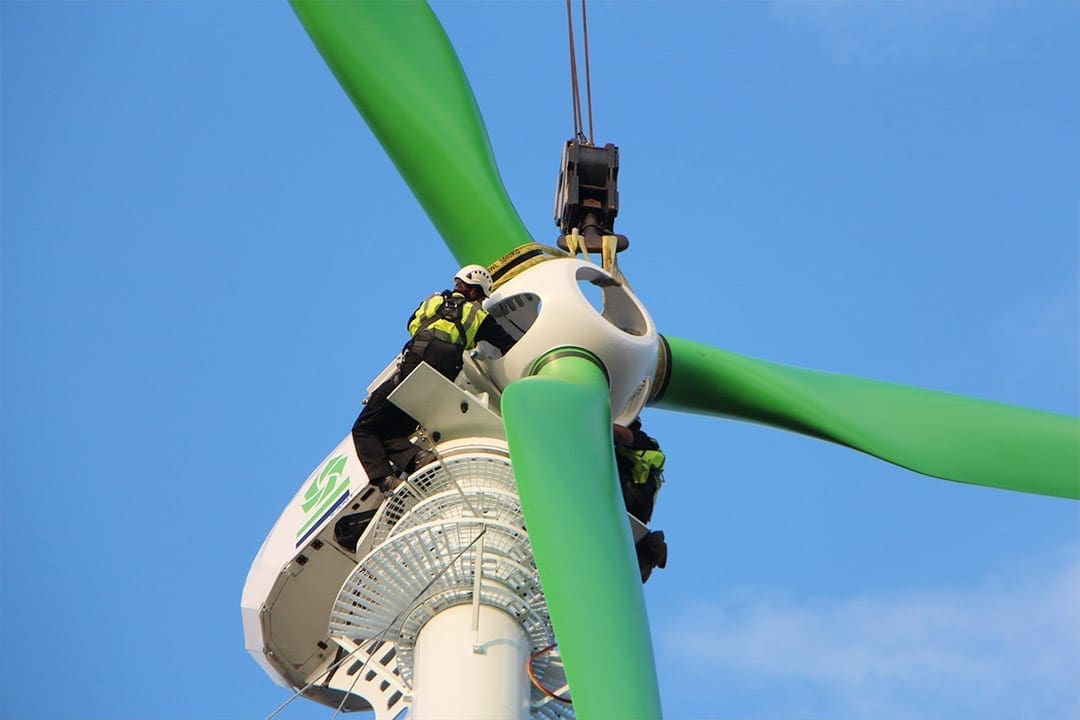
Commercial Wind Turbine Powering Facility

1. Direct Manufacturer Sourcing vs. Trading Intermediaries

Global EPC contractors and project managers are bypassing middleman trading companies to establish direct engineering relationships with top Chinese factories. Direct factory collaboration ensures end-to-end trace-ability of raw materials (such as high-grade magnetic NdFeB alloys and structural Q355B steel), custom factory FAT (Factory Acceptance Testing), and streamlined warranty claims.

2. Total TCO and LCOE Financial Modeling

Modern B2B procurement decisions no longer evaluate wind turbine purchases solely on initial CapEx per kilowatt. Leading energy buyers calculate 20-to-30 year Levelized Cost of Energy (LCOE), factoring in localized Weibull wind distributions, expected annual energy production (AEP), grid export tariffs, tax credits, and scheduled maintenance OpEx.

3. Extreme-Climate Customization Requirements

As micro-wind systems expand into remote telecommunications sites, arctic monitoring stations, and island off-grid networks, factories must supply targeted engineering variations. Key requests include low-temperature steel alloys down to -40°C, anti-icing blade heating elements, lightning strike protection paths, and IP67 sealed generator housings.

Request B2B Sourcing Guide

Agricultural & Commercial Sector Adoption

From dairy farms and irrigation pumping networks in North America to commercial cold-storage facilities in Europe, distributed wind energy delivers reliable off-peak power during winter months and overnight hours when solar irradiation drops to zero.

Integrating a 5kW to 90kW direct-drive turbine alongside existing solar arrays creates an optimized microgrid that drastically cuts peak demand charges drawn from electric utilities.

Calculate Farm ROI

Microgrid Wind Energy Application
Buyer Knowledge Base

Frequently Asked Questions (FAQ) for Wind Turbine Procurement

Detailed engineering answers to essential technical, legal, and operational questions asked by international B2B buyers.

What minimum average wind speed is required for a commercial installation? +
As an industry rule of thumb, sites with an average annual wind speed of 4.5 m/s to 5.0 m/s (measured at proposed hub height) are viable for economic energy generation. Our low cut-in direct-drive turbines begin spinning at 1.5 m/s to 2.5 m/s and reach rated output around 10 m/s to 12 m/s. We strongly recommend conducting a 12-month anemometer wind resource assessment or utilizing satellite wind data (such as Global Wind Atlas) before finalizing hub height and turbine sizing.
How do direct-drive permanent magnet generators differ from conventional wind generators? +
Direct-drive generators couple the wind turbine's rotor hub directly to an electro-magnetic permanent magnet rotor without an intermediate speed-multiplying gearbox. This design eliminates high-speed gears, oil lubrication systems, dynamic shaft seal leaks, and intense gear mesh vibrations. Direct-drive architecture dramatically increases operational reliability, reduces mechanical acoustic noise, and lowers total cost of ownership over a 30-year lifecycle.
What grid-connection and safety compliance certifications do your wind turbines carry? +
Our wind turbines and smart controllers are designed in full accordance with international IEC 61400-2 standards for small wind turbines. Generator systems and hybrid inverters comply with CE, ISO9001, ISO14001, and key regional grid integration standards including IEEE 1547 and UL 1741. We can provide complete factory test reports, certificate of origin, and electrical schematics required for local utility interconnection permitting.
How does the turbine protect itself during extreme gale-force wind events or typhoons? +
Our micro and commercial wind turbines incorporate multi-layered redundant protection mechanisms: (1) Aerodynamic passive yawing or furling systems that turn the rotor out of dangerous high winds; (2) Intelligent electronic MPPT brake controllers that automatically apply electromagnetic load to slow rotation when battery voltage thresholds or maximum generator currents are reached; and (3) Manual mechanical/hydraulic braking systems for servicing or severe storm preparedness.
What routine maintenance is required over the turbine's 30-year operational life? +
Because our turbines utilize gearbox-free direct-drive designs, routine maintenance is minimal. We recommend an annual preventative service check consisting of: inspecting tower foundation bolt torque, verifying blade edge integrity and cleanliness, checking guy-wire tension (for guyed towers), inspecting electrical terminal tightness, and checking bearing grease seals. Cloud SCADA monitoring systems automatically send diagnostic alerts if temperature or electrical anomalies occur.
Can micro-wind turbines be integrated directly with existing solar power arrays and battery banks? +
Yes. Our smart wind charge controllers and grid-tie inverters are built specifically for wind-solar hybrid integration. The wind controller outputs rectified DC voltage compatible with standard 12V, 24V, 48V, 120V, or 380V lithium-ion (LiFePO4) or lead-acid battery banks. Alternatively, on-grid wind inverters feed clean AC electricity directly into your main electrical distribution panel behind the utility meter.
What are the shipping lead times and packaging specifications for export orders? +
Standard OEM production lead times range from 15 to 25 business days depending on order volume and custom voltage specifications. Equipment is packaged according to international export standards using reinforced fumigation-free wooden crates, shock-absorbent foam enclosures, and moisture-proof vacuum wrapping. Towers are shipped in SKD (Semi-Knocked Down) sections for optimal container space utilization (20GP / 40HQ).

Ready to Source High-Performance Wind Turbines Direct from the Factory?

Contact our engineering sales team today to receive detailed technical datasheets, full CAD dimensional drawings, factory-direct wholesale price lists, or a customized project ROI calculation.

Contact Us