The global shift toward decentralized clean energy infrastructure has positioned small-scale wind power (turbines rated under 100 kW) and hybrid wind-solar microgrids as pivotal assets for commercial, industrial, residential, and agricultural decarbonization. As power grids worldwide experience escalating tariff volatility, capacity bottlenecks, and climate-induced disruptions, commercial end-users are increasingly adopting behind-the-meter (BTM) generation systems to lock in low Levelized Costs of Electricity (LCOE).
China has emerged as the global epicenter for wind turbine manufacturing, delivering over 70% of the world's direct-drive permanent magnet generators (PMG), specialized aerodynamic composite blades, and smart microgrid controllers. By leveraging complete industrial supply chains, advanced metallurgy, automated coil winding, and rigorous testing protocols under IEC 61400-2 standards, top-tier Chinese OEM/ODM wind factories offer unmatched economic and technical advantages to international importers, EPC contractors, and system integrators.
Explore our engineering-vetted wind energy product lines, manufactured in state-of-the-art Chinese production centers certified under ISO 9001, CE, and international grid compliance codes. Click below to request customized factory datasheets, OEM pricing, and system CAD schematics.
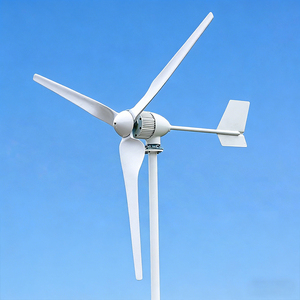
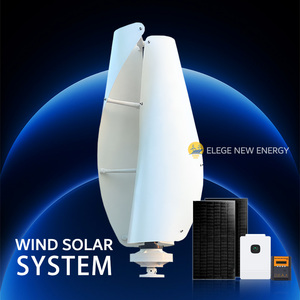
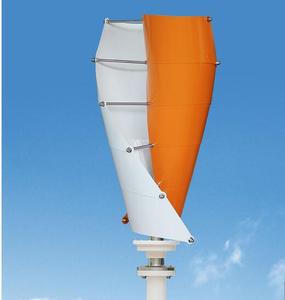
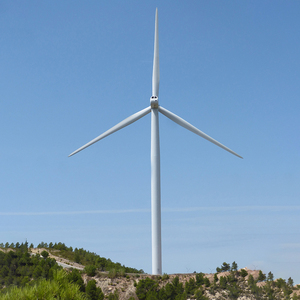
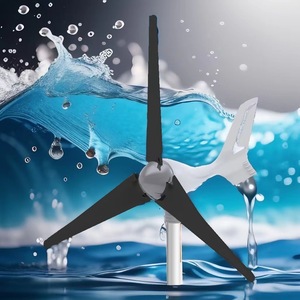
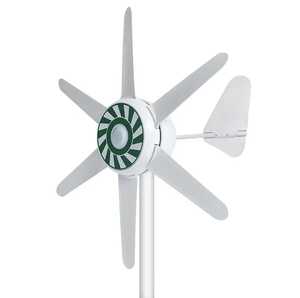
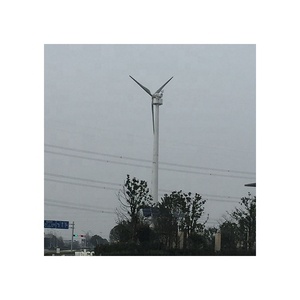

With root engineering traditions dating back over two decades and technical collaboration across North America and Europe, premier Chinese wind manufacturing hubs have redefined small wind reliability. Traditional legacy wind turbines suffered high failure rates due to gearbox mechanical breakdown, oil leakage, and seal wear under extreme thermal cycles. Our featured manufacturing lines exclusively implement Gearbox-Free Direct-Drive Permanent Magnet Generators (PMG).
By connecting the aerodynamic rotor directly to the multi-pole permanent magnet rotor, mechanical transmission losses are minimized. Zero gear oil changes, zero mechanical teeth wear, and 98%+ operating availability.
Every structural frame, nacelle housing, and fastener undergoes hot-dip galvanization and C5-M marine-grade epoxy powder coating, ensuring long-term resistance to salt spray, industrial sulfur, and extreme atmospheric corrosion.
Utilizing high-grade Neodymium Iron Boron (NdFeB) permanent magnets rated for H-class thermal insulation (up to 180°C), preventing demagnetization under continuous high-current overload conditions.
Integrated IoT sensors monitor real-time RPM, phase voltage, bearing temperature, vibration spectrum, and yaw orientation, transmitting diagnostic data directly to cloud platforms for predictive O&M.
Blades engineered with NACA low-Reynolds aerofoils molded in high-density CFRP (Carbon Fiber Reinforced Polymer) deliver quiet rotation below 45 dB and elevated lift-to-drag ratios even at 2.0 m/s air speeds.
Seamless power electronics interface with standard 12V/24V/48V DC battery banks, 380V three-phase C&I grids, and hybrid solar MPPT charge controllers under uniform MODBUS RS485 communication protocols.
As international supply chains optimize for sustainability and high performance, the procurement criteria for wind power equipment from Chinese exporters have evolved from simple initial capital expenditure (CAPEX) considerations to 30-year Total Cost of Ownership (TCO) and operational resilience. B2B buyers must evaluate several major technological and commercial trends shaping the wind export market:
Solitary generation assets are rapidly giving way to unified hybrid platforms. Solar photovoltaics yield peak output during midday summer hours, whereas wind turbines experience peak generation during nighttime, winter seasons, and stormy frontal passages. Chinese manufacturing facilities are leading the production of integrated Wind-Solar-Battery Energy Storage System (BESS) units equipped with AI-managed energy management software (EMS). This microgrid architecture prevents power curtailment, smooths supply curves, and provides uninterrupted power for remote agricultural operations, feedyards, telecom towers, and isolated industrial plants.
Traditional Horizontal Axis Wind Turbines (HAWT) offer optimal efficiency in laminar airflow, but require active yaw mechanisms to track changing wind vectors. Future urban and sub-urban installations lean towards modern Vertical Axis Wind Turbines (VAWT) enhanced by magnetic levitation (maglev) bearings. Maglev assistance virtually eliminates mechanical starting resistance, allowing vertical turbines to start rotating at wind speeds as low as 0.8 m/s while accepting turbulent, multi-directional winds without yawing stress.
Global utility regulators are imposing stricter interconnection codes on distributed energy resources (DERs). Modern Chinese wind turbine exports are now equipped with smart pure-sine grid-tied inverters supporting anti-islanding protection, reactive power compensation (VAr control), low-voltage ride-through (LVRT), and automated electromagnetic braking under gale-force wind conditions (exceeding 25 m/s cut-out limits).
Global procurement teams are shifting toward certified single-source supply chain partners. Rather than sourcing turbines, controllers, towers, and dump loads from separate vendors, sourcing through unified Chinese manufacturing platforms reduces logistical risk, guarantees component impedance matching, and provides centralized warranty accountability.
When evaluating Chinese wind turbine manufacturers and exporters, global procurement officers should enforce a rigorous multi-stage quality control framework to verify structural integrity and generator performance before shipment:
Here are expert engineering answers to common inquiries from industrial buyers, project developers, and importers looking to source wind energy equipment from China.
As a baseline engineering rule, sites with an annual average wind speed of 4.5 m/s to 5.0 m/s (approx. 10–11 mph) measured at proposed hub height yield attractive payback periods. However, low-cut-in direct-drive micro wind turbines can initiate power harvesting at speeds as low as 1.5 m/s to 2.0 m/s. Tall guyed or free-standing towers (typically 12m to 36m) elevate the rotor above turbulent ground boundary layers caused by buildings, silos, and tree canopies, significantly increasing total annual energy yield (kWh).
HAWT systems offer higher peak aerodynamic efficiency (Cp up to 0.45) and higher power output per dollar in open, laminar airflow environments such as farmland, open coastlines, and rural ridges. VAWT systems possess a lower peak efficiency (Cp approx. 0.28-0.35) but excel in turbulent, changing urban air currents, generate significantly lower noise levels (<45 dB), require smaller installation footprints, and allow ground-level generator placement for easier maintenance access.
Because direct-drive permanent magnet generators eliminate mechanical gearboxes, routine maintenance is dramatically reduced. Scheduled O&M is typically limited to an annual physical inspection: checking structural bolt torque values, inspecting blade leading edges for erosion, inspecting yaw slip ring carbon brushes, and testing manual/electromagnetic braking systems. Fleet records demonstrate uptime availability exceeding 98% when preventative maintenance schedules are maintained.
Export-grade Chinese wind controllers feature three-stage safety protection: First, an electronic MPPT control loop increases generator electrical loading; Second, an automated solid-state ceramic dump load absorbs excess energy during battery full-charge or utility outage events; Third, an automated electromagnetic (or hydraulic pitch/mechanical tail-furling) brake engages when wind speeds exceed rated cut-out thresholds (typically 25 m/s).
Yes. Modern hybrid microgrid controllers accept simultaneous inputs from wind power rectifiers, solar PV arrays, battery storage banks (Lithium LiFePO4 or Lead-Acid), and auto-start diesel gensets. The smart inverter management system prioritizes clean renewable self-consumption, stores excess generation in battery banks, and automatically commands backup diesel generator start-up only during prolonged low-wind/cloudy periods.
For European Union markets, products require CE certification under the Machinery Directive (2006/42/EC), Low Voltage Directive (2014/35/EU), and EMC Directive (2014/30/EU), alongside RoHS compliance. For North American markets, compliance with IEC 61400-2 (Small Wind Turbine Safety Standard), UL 1741 (for inverters/interconnection equipment), and CSA standards is highly recommended for grid tie-in permits and utility rebate eligibility.
Partner directly with leading Chinese OEM/ODM wind energy manufacturers. Connect with our engineering sales team to receive comprehensive product catalogs, custom engineering drawings, wind yield modeling, and bulk export quotation packages.
