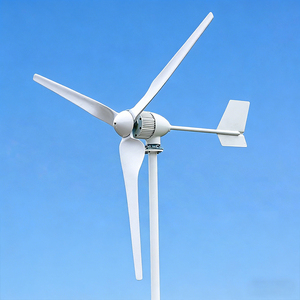
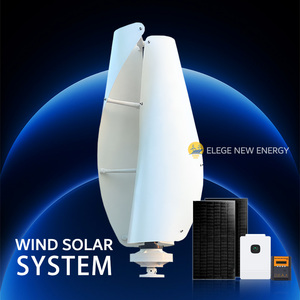
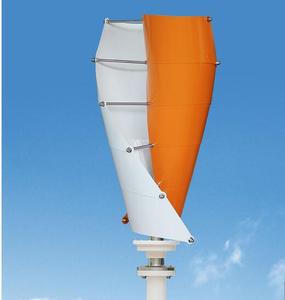
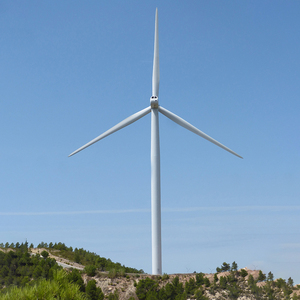
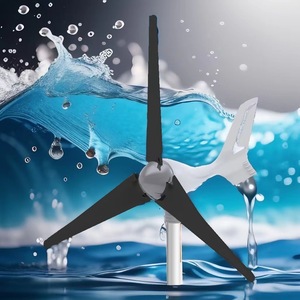
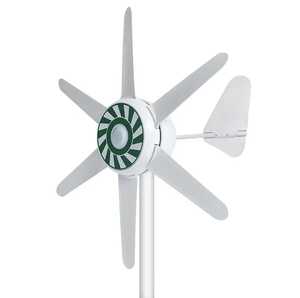
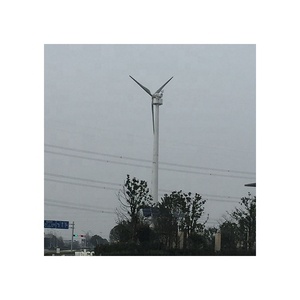
The core building blocks of decentralized power networks require extreme hardware durability and seamless dynamic grid synchronization. Below are China's leading micro-wind turbines and distributed generation units optimized for hybrid wind-solar-storage microgrids.

The global transition away from centralized fossil-fuel power plants toward decentralized, high-resilience energy systems has established smart microgrids as a cornerstone of modern industrial strategy. China has positioned itself as the preeminent manufacturing hub for smart microgrid hardware, power electronics, battery energy storage systems (BESS), and intelligent energy management systems (EMS). Modern microgrids are no longer merely localized backup power solutions; they are self-healing, autonomous electrical ecosystems capable of operating seamlessly either connected to the main utility grid or completely islanded.
When engineering a commercial, industrial, or agricultural microgrid, global procurement teams must navigate complex choices between energy generation assets (such as rooftop solar PV, direct-drive wind turbines, and micro-turbines) and grid stabilization technologies (such as grid-forming inverters and lithium-iron-phosphate battery arrays). China’s smart microgrid manufacturers excel at integrating these disparate technologies into unified, turnkey hardware-software architectures that drastically reduce the Levelized Cost of Energy (LCOE) while guaranteeing operational resilience.
Eliminating mechanical gearboxes drastically reduces maintenance requirements, component friction, and oil replacement downtime. Permanent Magnet Synchronous Generators (PMSG) deliver high power efficiency even at low rotational speeds.
Advanced algorithmic dispatch engines combine real-time wind speed predictions, solar radiance forecasting, and facility load profiles to optimize battery charging cycles and minimize expensive grid peak demand surcharges.
Unlike traditional grid-following solar or wind inverters, grid-forming power electronics provide synthetic inertia, voltage stabilization, and black-start capabilities essential for stable islanded microgrid operation.
A reliable microgrid asset must endure decades of hostile environmental conditions—from frozen high-altitude mining sites to highly corrosive coastal feedyards and hurricane-prone tropical islands. The engineering methodology championed by top-tier Chinese manufacturers prioritizes direct-drive simplification, remote cloud telemetry, and total lifecycle asset security.
Traditional wind turbines utilize high-speed gearboxes to steps up low rotor shaft speeds to generator speeds. However, gearbox mechanical failures account for over 40% of small wind turbine downtime globally. By pioneering direct-drive Permanent Magnet Generators (PMG), Chinese manufacturers connect the turbine blades directly to the electrical rotor.
From preliminary wind resource modeling to high-voltage utility interconnection, top suppliers handle every phase under one unified engineering contract:
The microgrid market is undergoing a profound technology transformation driven by advancements in battery chemistry, artificial intelligence, and decentralization protocols. Commercial procurement managers, agricultural enterprise owners, and municipal energy planners must consider several key trends over the next decade:
Deploying solar PV alone creates significant energy imbalances due to nighttime generation blackout and seasonal winter yield drop-offs. Future-proof procurement strategies mandate hybrid systems where wind turbines complement solar generation profiles. Wind speeds are typically higher at night and during winter months, smoothing out the battery charging curve and significantly reducing total battery size requirements.
Modern microgrid controllers now incorporate edge-computing AI algorithms that interact dynamically with spot electricity markets. By monitoring real-time grid prices, the AI system autonomously decides whether to consume stored battery energy, run on-site wind generation, or sell excess clean power back to the public utility during high-tariff demand peaks.
While Lithium Iron Phosphate (LFP) remains the dominant battery chemistry for microgrids due to its thermal stability and high cycle life (6,000+ cycles), Chinese suppliers are pioneering commercial Sodium-Ion (Na-Ion) microgrid storage banks. Na-Ion offers superior low-temperature performance (-30°C without thermal degradation) and lower raw material procurement risk.
Multinational corporations are imposing strict Scope 2 supply-chain carbon limits on their suppliers. On-site microgrids featuring high-yield direct-drive wind turbines and solar arrays provide auditable, real-time zero-emission power generation metrics. This clean power traceability helps manufacturing sites win competitive corporate supply tenders.
Decentralized microgrids provide distinct financial and operational advantages across various energy-intensive commercial and remote sectors:
Feedyards, dairy operations, and automated grain drying facilities require heavy power 24 hours a day. Operating large open land acreage, agricultural businesses are ideally situated to harvest clean wind power. Micro-turbines combined with solar PV keep processing systems online during main grid failures while keeping open fields clear around tower bases.
Manufacturing sites, cold storage warehouses, and logistics hubs frequently face strict roof space limitations relative to their overall power demands. Vertical and horizontal axis micro-wind turbines deliver a significantly higher annual energy yield per square meter of footprint than solar panels alone, giving facilities a compact, high-output energy source.
Here are clear answers to the most common questions raised by industrial buyers, plant engineers, and project developers when sourcing smart microgrid components from China.
Consult with specialized microgrid system engineers to evaluate your site's solar and wind resource potential, calculate your load profile, and receive a complete turnkey hardware package quote.
Contact Us