Precision-engineered wind power generators and renewable power solutions for residential, commercial, and industrial behind-the-meter deployments.
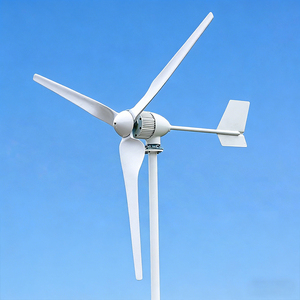
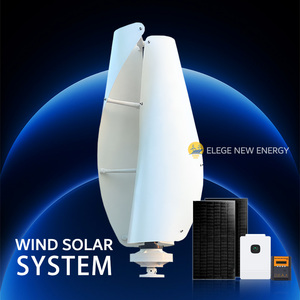
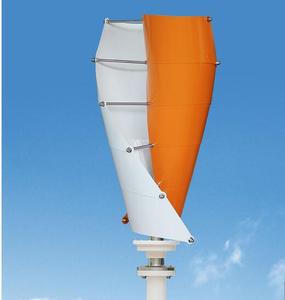
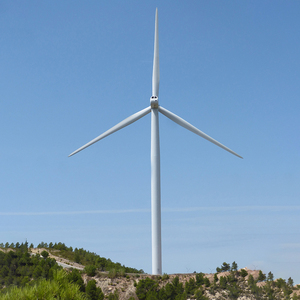
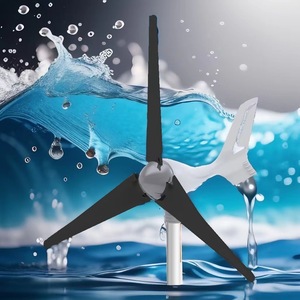
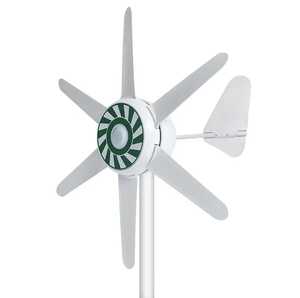
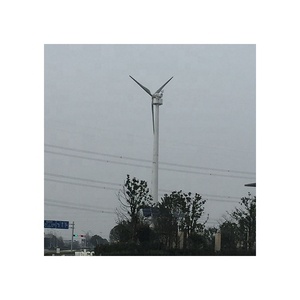
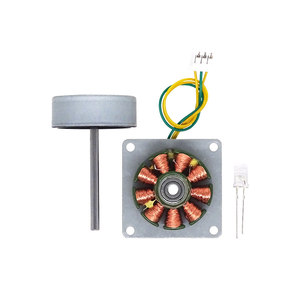
The global transition toward decentralized, behind-the-meter clean power generation has shifted commercial, industrial, and agricultural enterprise demands. As China’s premier renewable system manufacturer and factory, our engineering philosophy focuses on eliminating the single greatest vulnerability of legacy distributed wind generation: mechanical drive-train failure. Traditional wind turbines relying on multi-stage gearboxes suffer high failure rates due to variable torsional stress, thermal cycling, and oil breakdown. By mastering Direct-Drive Permanent Magnet Generator (PMG) architecture, our manufacturing complex builds distributed power units engineered for 30-year operational lifespans with minimal maintenance overhead.
Information Gain Key Insight: Eliminating the gearbox reduces moving mechanical parts by over 60%, drastically cutting down maintenance costs and preventing unscheduled downtime caused by high wind shear and cold-climate lubricants breakdown.
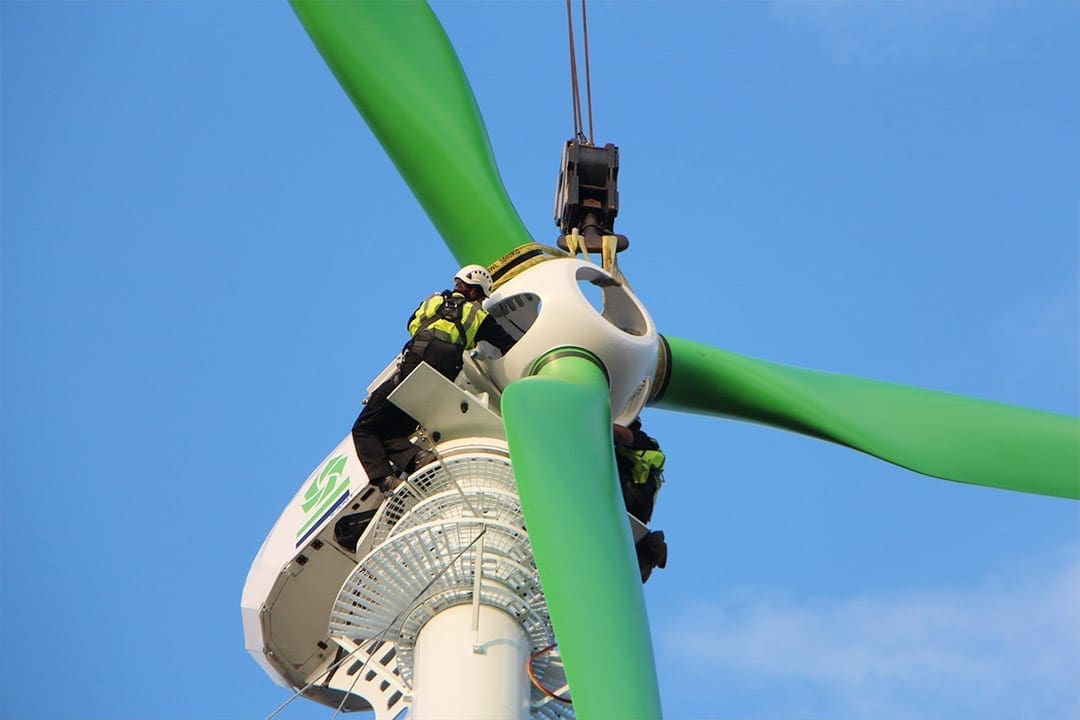
Our direct-drive design replaces high-speed mechanical gearboxes with a low-RPM synchronous generator directly coupled to the rotor hub. Engineered using high-coercivity Neodymium-Iron-Boron (NdFeB) permanent magnets and vacuum-pressure impregnated copper stator windings, our powerheads achieve electro-magnetic efficiency exceeding 96%. This architecture exhibits lower startup resistance, enabling ultra-low cut-in speeds (starting at 2.0 m/s) and delivering continuous energy harvesting across wide aerodynamic envelopes.
Zero mechanical gear oil changes, zero gear tooth fatigue, and zero mechanical transmission loss. Built for uninterrupted power generation in extreme environments.
Integrated MPPT controllers with SCADA telemetry algorithms dynamically match generator load torque to wind velocity for maximum power extraction (TSR control).
Electro-phoretic coating, hot-dip galvanizing, and IP66/IP67 sealed enclosures withstand heavy salt spray, desert sandstorms, and sub-zero ice buildup.
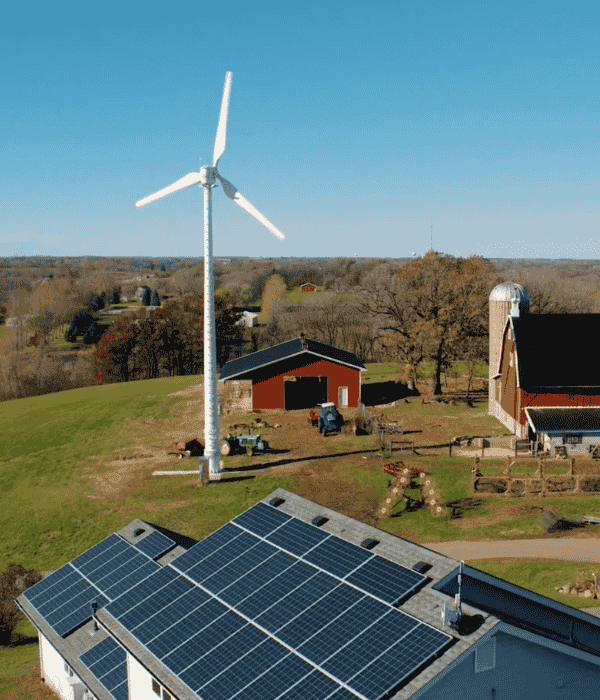
Modern commercial energy security requires complementary generation assets. Wind energy serves as an ideal partner to solar photovoltaic arrays because wind speeds frequently peak during winter months, overcast weather, and night-time cycles—periods when solar yield drops to zero. Our factory produces a fully integrated product spectrum ranging from micro 80mW–5kW auxiliary turbines to commercial-scale 25kW–90kW wind-solar-storage platforms (EOX WS²+).
Agricultural operations—including dairy farms, feedyards, automated irrigation systems, and grain drying silos—exhibit heavy continuous base loads. Operating high-voltage equipment on utility tariffs creates margin volatility.

Cold storage facilities, manufacturing plants, and logistics hubs face stringent Scope 2 carbon accounting standards alongside rising electricity costs. Roof space is often limited or structurally insufficient for massive solar arrays.
| System Architecture | Generator Type | Design Life | O&M Inspection Cycle | Typical Applications |
|---|---|---|---|---|
| Micro Series (80mW – 2kW) | Permanent Magnet DC / Low RPM 3-Phase | 15 – 20 Years | Bi-annual visual check | Telecom, CCTV backup, Marine, Solar hybrid streetlights |
| S-Series (3kW – 10kW) | Direct-Drive PMG Synchronous | 25 – 30 Years | Annual mechanical audit | Residential power, Family farms, Off-grid eco-resorts |
| M-Series (25kW – 90kW) | Direct-Drive Low-Speed PMG | 30 Years | Annual SCADA diagnostics & lube check | Commercial manufacturing, Agricultural feedyards, Microgrids |
| EOX WS²+ Hybrid Platform | Multi-Source PMG + PV Array + BESS | 30 Years | AI remote telemetry automated | Island microgrids, EV fast-charging stations, Remote mines |
Global procurement teams are shifting away from standalone component buying toward turnkey, fully integrated renewable power generation packages. When sourcing wind generators and energy storage assets from Chinese manufacturers, EPC contractors, corporate buyers, and project developers are prioritizing several key trends:
Solely relying on solar or wind in isolation creates grid balancing challenges and necessitates heavy battery oversizing. Future-proof procurement models specify hybrid architectures. Combining direct-drive wind turbines with photovoltaic strings and Lithium Iron Phosphate (LiFePO4) Battery Energy Storage Systems (BESS) under a single AI-driven Energy Management System (EMS) allows facilities to achieve 80%+ clean energy self-consumption and total peak-shaving capability.
B2B buyers are demanding complete component traceability down to raw material grades. Factory audits now evaluate permanent magnet temperature ratings (N42SH/N45SH grades resistant to demagnetization up to 150°C), CNC rotor balancing precision, ultrasonically inspected weld seams on tubular towers, and ISO 9001/14001/45001 manufacturing execution systems (MES).
Modern wind power installations rely on real-time operational data. Buyers require edge-computing control cabinets capable of streaming vibration analysis, thermal monitoring, electrical harmonics, and operational status via 4G/5G/IoT gateways directly to cloud-based monitoring portals. This enables predictive maintenance before minor component wear escalates into catastrophic failures.
As aerodynamic modeling tools, material science, and power electronics advance, the distributed wind industry is entering an era of heightened efficiency. Key technological vectors reshaping the sector include:
Modern glass-reinforced plastic (GRP) and carbon-fiber composite blades utilize advanced NACA and custom low-Reynolds aerofoil profiles designed specifically for variable wind speeds. Serrated trailing edges and tip vortex attenuators significantly minimize acoustic signatures, allowing installations near commercial zones and suburban borders without violating strict municipal noise regulations (maintaining operating sound below 45 dB at 30 meters).
Legacy systems relied on mechanical tail vanes or passive stall control to survive severe storms, which often led to overspeed destruction in turbulent conditions. Next-generation wind turbines integrate active dual-redundant safety protocols: electronic fail-safe pitch control combined with electromagnetic brake resistors. When wind speeds exceed 25 m/s (56 mph), blades automatically feather out of the wind vector, protecting structural integrity while enabling rapid auto-restart when wind velocities return to safe operational thresholds.
The convergence of machine learning and renewable hardware enables adaptive energy dispatching. AI-enabled EMS systems evaluate localized weather forecasts, historical utility tariff rates, dynamic spot-market pricing, and facility load profiles in real time. The algorithm automatically determines whether to store wind power in BESS, consume it directly on-site, or feed excess generation back to the grid for optimal net-metering revenue.
As an industry-leading manufacturer headquartered in China with international engineering standards, our manufacturing complex combines advanced metallurgy, automated generator winding, precise dynamic balancing, and rigorous factory acceptance testing (FAT).
From custom generator stator winding and rotor shaft machining to custom tower heights (18m–36m) and tailored voltage outputs (12V DC up to 400V 3-Phase AC), we fulfill precise customer specifications.
Every direct-drive generator undergoes dynamic balance testing (ISO 1940 Grade G2.5), high-potential insulation testing (Hi-Pot), full-load thermal imaging, and wind tunnel simulation testing prior to dispatch.
We supply complete system packages including structural foundation anchor cages, free-standing or guyed towers, hybrid controllers, grid-inverters, and sea-worthy export packaging.
Verified Field Reliability: Our deployed global fleet maintains a reported operational availability rate above 98%, continuously operating across harsh environments ranging from sub-zero North American winters to humid tropical coastal zones.
Key technical, financial, and logistical insights for procurement managers, project developers, and system integrators evaluating Chinese wind system manufacturing partners.
As a general engineering benchmark, sites with an annual average wind speed of 4.5 m/s to 5.0 m/s (10–11 mph) at hub height offer a viable return on investment. Our direct-drive wind generators utilize ultra-light NdFeB permanent magnets and custom aerofoil blades designed to cut-in at velocities as low as 2.0 m/s. We recommend conducting a professional 12-month anemometer wind resource assessment or utilizing satellite GIS wind databases prior to final tower height selection.
Direct-drive systems eliminate high-maintenance planetary gearboxes. Gearboxes represent up to 35% of traditional turbine maintenance expenditure over time due to high gear wear, seal leaks, and lubrication degradation under turbulent wind forces. By directly coupling the rotor to a slow-speed permanent magnet synchronous generator, operational wear is limited strictly to sealed heavy-duty main bearings, reducing long-term OPEX by up to 50% and extending asset lifespan to 30 years.
Yes. Our multi-energy hybrid controllers and smart AC/DC busbar architectures are specifically designed for multi-source microgrids. Through Modbus RS485, CANbus, or Ethernet protocols, our control systems interface seamlessly with existing solar string inverters, battery storage banks, and automatic generator start (AGS) modules to form a self-balancing microgrid grid-tied or off-grid power solution.
Our products are manufactured under strict ISO 9001, ISO 14001, and ISO 45001 management systems. Specific equipment series carry CE, Intertek ETL, RoHS, and IEC 61400-2 (Small Wind Turbine Safety Standards) compliance certifications. Full electrical grid-tied inverters comply with international grid code standards including IEEE 1547, UL 1741, and EN 50549.
Standard model lead times range from 15 to 25 business days depending on order volume. For OEM/ODM orders, we offer full design customization: specialized generator winding voltages (DC 12V/24V/48V/96V/220V/380V), custom blade colors and branding, specialized marine-grade anti-corrosion coatings (C5-M standard), dynamic pitch set-points, and customized tower mounting interfaces.
Whether you require individual micro wind generators, agricultural wind power platforms, or customized OEM microgrid manufacturing, our engineering team is ready to deliver tailored solutions.
Get Catalog & Technical Specifications