High-efficiency, CE-certified distributed wind generation systems tailored for residential, commercial, and utility-scale microgrid applications.







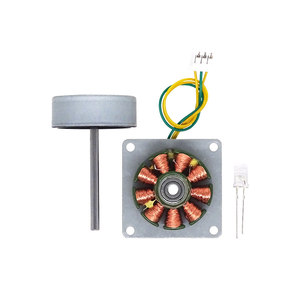
Eliminating mechanical friction points to deliver maximum kilowatt-hour yield per square meter of footprint.
By coupling the rotor directly to a Permanent Magnet Synchronous Generator (PMSG), we eliminate gearbox oil changes, mechanical wear, and high failure rates in extreme weather climates.
Built to strictly comply with CE Machinery Directive 2006/42/EC, Low Voltage Directive 2014/35/EU, and international IEC 61400-2 small wind safety standards for grid-tied stability.
Seamlessly pair wind generators with PV arrays and Battery Energy Storage Systems (BESS). AI energy control management optimizes dynamic load shifting and grid arbitrage continuous uptime.
As corporate decarbonization mandates, volatile utility tariffs, and grid capacity constraints reshape the global energy ecosystem, commercial, agricultural, and industrial site operators are pivoting toward distributed energy resources (DERs). Among distributed clean technology platforms, wind energy systems—ranging from 300W micro-turbines for remote monitoring setups to 90 kW direct-drive commercial turbines—represent a critical, high-density power generation mechanism. Unlike solar photovoltaics, which depend heavily on diurnal cycles and seasonal sunlight angles, wind power yields sustained energy production through nighttime hours, winter peaks, and overcast weather conditions.
SEO & Sourcing Takeaway: Procurement officers and engineering managers must evaluate wind turbines based on Levelized Cost of Energy (LCOE), Direct-Drive reliability metrics, and CE/IEC compliance rather than upfront capital expenditure alone. Gearbox-free designs lower 30-year Total Cost of Ownership (TCO) by up to 40%.
Historically, legacy wind turbines suffered from high operational overhead due to mechanical gearbox failures. Traditional gearboxes scale up rotational RPM to match high-speed induction generators. However, this mechanical transformation introduces friction loss, high thermal wear, micro-pitting of gears, and mandatory oil change intervals. In harsh climates—such as freezing agricultural plains, humid coastal environments, or dusty feedyard operations—gearbox oil breakdown leads directly to component seizure and unplanned operational downtime.
Modern industrial turbine manufacturers have engineered Direct-Drive Permanent Magnet Generators (PMSG) to address this flaw. In a direct-drive drivetrain:
| Performance Parameter | Legacy Gearbox Turbines | Direct-Drive PMSG Turbines (Our Platform) |
|---|---|---|
| 30-Year Maintenance Interventions | 12–15 Scheduled Oil Changes + Gear Rebuilds | Annual Visual Inspection & Bearing Lubrication |
| Mechanical System Efficiency | 82% – 88% (Friction losses in gear train) | 94% – 97% (Direct shaft transfer) |
| Acoustic Noise Output | High (High-frequency gear mesh hum) | Ultra-Low (Aerodynamic blade tip noise only) |
| Extreme Cold Reliability (-40°C) | High Failure (Viscous gear oil freezing) | Excellent (No oil fluid viscosity barriers) |
| Grid Compliance Harmonics | Requires Heavy External Filtering | Smooth Sinusoidal Output with MPPT Inverters |
For industrial buyers, sourcing certified machinery is a strict regulatory requirement for safety, legal importing, and insurance coverage. CE certification confirms that a wind turbine model satisfies mandatory European Union safety, health, and environmental protection directives. When evaluating industrial turbine factories, engineering auditors must verify compliance with three primary framework directives:
1. Machinery Directive (2006/42/EC): Mandates rigorous structural integrity calculations, overspeed brake protection mechanisms (both passive aerodynamic pitching and active electromagnetic braking), and fail-safe mechanical shutdown systems during grid loss or hurricane-force storm surges.
2. Electro-Magnetic Compatibility (EMC) Directive (2014/30/EU): Guarantees that grid-tied power electronics, MPPT controllers, and frequency inverters do not emit radio-frequency interference or distort local power grid sine waves. Total Harmonic Distortion (THD) must remain below 3% to prevent damage to sensitive industrial automation equipment, SCADA hardware, and computerized machinery.
3. Low Voltage Directive (LVD) 2014/35/EU: Ensures electrical isolation, proper grounding protocols, lightning strike protection paths down the steel tower structure, and arc-flash suppression within ground-level control enclosures.
The industrial wind sector is undergoing a rapid technological evolution. Global buyers are moving away from isolated, standalone turbine installations and transitioning toward intelligent, multi-vector energy assets. Sourcing directors should align procurement strategies with three main industry trends:
Rooftop solar PV generates power primarily during peak midday sunlight hours, creating a mid-afternoon supply curve that rarely aligns with evening or morning industrial shifts. By pairing horizontal or vertical axis wind turbines with solar arrays and Lithium Iron Phosphate (LiFePO4) Battery Energy Storage Systems (BESS), facilities achieve a continuous 24/7 power profile. Industrial sites leverage AI-managed Energy Management Systems (EMS) to dynamically dispatch wind-generated electricity, perform peak shaving during high utility tariff periods, and provide black-start resilience during utility grid blackouts.
Interconnecting large-scale utility wind farms often requires 5 to 7 years of grid queue assessments and expensive transmission line buildouts. Conversely, behind-the-meter small and medium wind installations (1 kW to 90 kW) are sited directly at commercial factories, agricultural feedyards, dairies, and water treatment plants. Energy generated is consumed immediately on-site, bypassing utility distribution surcharges, retail demand charges, and transmission losses.
Modern industrial turbines feature embedded IoT telemetry, vibration sensors, thermal couplers, and cloud-connected SCADA portals. Plant managers and factory technicians receive real-time performance metrics, predictive maintenance alerts, and historical kWh generation data via web browsers or mobile applications. Remote diagnostic capabilities ensure that minor electrical anomalies are remediated via firmware updates long before physical failure occurs.
Matching the correct wind energy configuration to your operating load is essential for achieving an optimal Return on Investment (ROI):
Clear, practical guidance for project developers, facility directors, and procurement managers.
Since 2001, our engineering team has focused on solving the structural and mechanical failure modes traditional small wind equipment faced. Built upon two decades of field-tested experience in Canada, Europe, and the United States, our manufacturing ecosystem provides end-to-end support for global buyers.
When you partner with our factory network, you gain access to comprehensive turnkey services:
Connect with our senior engineering team to request factory-direct pricing, detailed technical specification sheets, and a free wind site resource assessment.
Get a Quote