Industrial & Agricultural Energy Sourcing Guide

CE Certified Farm Energy Factory & Suppliers

Direct-Drive Wind Energy Systems, Micro-Turbines & Integrated Wind-Solar-Storage Solutions for Global Agricultural and Industrial Enterprises.

2026 Procurement Whitepaper

Next-Generation Distributed Energy Infrastructure

As global power grids face unprecedented tariff volatility and capacity constraints, commercial agricultural operations, feedyards, dairies, and industrial processing plants require reliable behind-the-meter (BTM) power generation. Discover our CE-certified micro and small wind turbine systems engineered for high energy yields, low-wind start-up sensitivity, and 30-year operational lifespans.

2001
Established Engineering Rigor
30 Yrs
Turbine Design Envelope
98%+
Fleet Operational Availability
CE & ISO
Certified Factory Compliance

Featured Commercial & Agricultural Wind Turbines

Explore our factory-direct, CE-certified small wind turbine models, direct-drive micro generators, and hybrid power units tailored for B2B deployment.
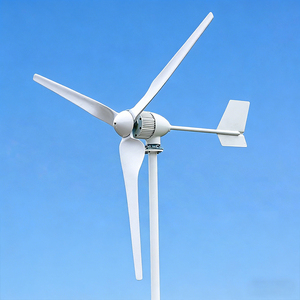
Rooftop 1kw Small Wind Turbine for Farm Electricity
Factory Price Rooftop 1kW Small Wind Turbines for Home & Farm Electricity
Compact horizontal axis design optimized for low cut-in wind speed, residential farmhouses, remote monitoring, and direct battery bank integration.
Inquire Now
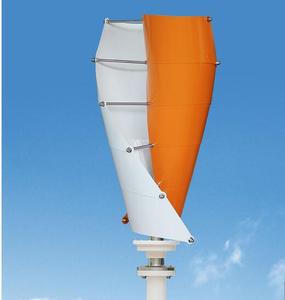
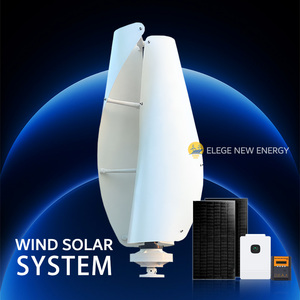
2kw Micro Vertical Wind Turbine Generator
CE MPPT Low Noise 12V 24V 48V 2kW Vertical Axis Micro Wind Turbine Generator
Omnidirectional vertical axis turbine engineered with MPPT controller for silent, vibration-free operation near agricultural buildings and workshops.
Inquire Now
300W Micro Vertical Wind Generator Kit
300W Micro Vertical Wind Generator Kit Factory Direct
Lightweight micro vertical wind power kit ideal for low-voltage sensor stations, electric fencing, telemetry, and distributed auxiliary power.
Inquire Now
Outdoor Micro Wind Generator 80mW to 100mW
Long Lifespan Outdoor Micro Wind Generator 80mW / 90mW / 100mW
Weatherproof ultra-micro wind turbine unit developed for precision agriculture IoT devices, meteorological sensors, and remote monitoring nodes.
Inquire Now
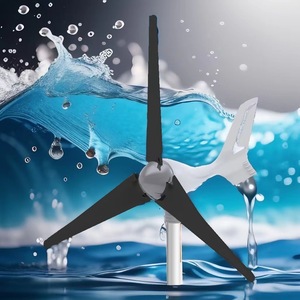
Horizontal Axis Micro Wind Generator 400W 12V
Horizontal Axis Micro Wind Generator 400W 12V for Solar Lighting & Security
Heavy-duty aluminum housing wind power unit designed for hybrid solar street lighting, perimeter surveillance systems, and farm gate automation.
Inquire Now
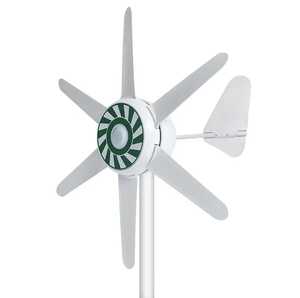
90W Mini Wind Turbine with Built-in Controller
90W Mini Wind Turbine with Integrated Controller (DC 12V / 24V Output)
Self-contained micro generation package featuring an internal rectifier controller, plug-and-play installation for auxiliary DC battery power.
Inquire Now
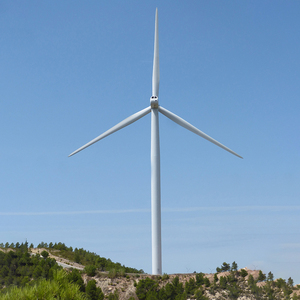
High Efficiency 5kW Commercial Wind Turbine Generator
High Efficiency Three Blades 5kW AR6.0 Commercial Wind Turbine Generator
Commercial-grade 5kW small wind turbine engineered for dairy milking systems, cold storage refrigeration, and small factory grid-tied installations.
Inquire Now
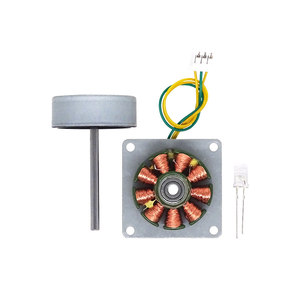
Three-phase Low Power Micro Wind Motor Generator
Three-Phase Micro Wind Generator 3V to 24V Low-Power Voltage Equipment
Permanent magnet synchronous three-phase micro motor for OEM equipment integration, educational testing kits, and low-RPM energy harvesting.
Inquire Now

Enterprise Advantage: Direct-Drive Architecture & Manufacturing Rigor

For agricultural operations, livestock feedyards, commercial greenhouses, and industrial facilities, on-site energy hardware must operate continuously in severe atmospheric conditions. Conventional small wind turbines often suffer high failure rates due to mechanical gearboxes requiring frequent oil replacements, high-speed shaft wear, and complex transmission assemblies.

Our core engineering philosophy eliminates the primary point of failure in distributed wind: the gearbox. By utilizing a heavy-duty Direct-Drive Permanent Magnet Generator (PMG), our energy systems connect the rotor hub directly to the electrical generator armature. This low-speed synchronous design drastically reduces moving parts, eliminates gear friction, and completely eliminates liquid lubricants.

Gearbox-Free Direct-Drive PMG

Eliminates mechanical gear oil maintenance, mechanical friction losses, and sudden mechanical lockups. Engineered specifically for 30 years of continuous operation in severe weather.

CE & Grid Code Certified

Fully compliant with international CE electro-mechanical safety guidelines, ISO9001 quality management standard, and regional grid-interconnection anti-islanding parameters.

Remote SCADA Supervision

Integrated cloud telematics stream Real-time RPM, voltage, thermal status, and wind resource metrics to optimize yield and enable proactive diagnostic maintenance before downtime occurs.

"Operational uptime is the ultimate baseline for Levelized Cost of Energy (LCOE). Our fleet deployment metrics demonstrate over 98% availability across challenging operating environments ranging from sub-zero Canadian prairie winter storms to high-salinity coastal installations."

Future Procurement Trends in Agricultural & Industrial Energy Sourcing

The global B2B energy landscape is undergoing a structural transition from centralized fossil-fuel grid purchasing toward hybrid, multi-source distributed energy resource (DER) networks on-site. B2B buyers evaluating factory energy systems face evolving economic and regulatory trends:

  • Rise of Co-Located Wind-Solar-Storage (EOX WS²+) Architecture: Solar PV arrays generate peak output during midday, but agricultural loads (milking, grain aeration, cold storage) and industrial 2-shift operations run throughout the night and during winter seasons when solar capacity drops by up to 70%. B2B buyers are increasingly procuring combined small wind turbines with battery storage to flatten load profiles 24/7.
  • Demand for Verifiable Scope 2 Emission Offsets: Multinational food processors, grain trade hubs, and retail grocery suppliers require agricultural vendors to document Scope 2 decarbonization. On-site wind generation provides auditable, physical green energy production right at the farm gate.
  • Protection Against Demand Charges and Tariff Volatility: Utility commercial tariffs increasingly impose severe punitive "peak demand charges." Generating clean power behind-the-meter (BTM) allows facilities to shave peak consumption spikes and lock in predictable power costs for decades.

BTM Energy Generation Technology Comparison

A technical assessment for agricultural plant managers and enterprise procurement teams:

Performance Vector Direct-Drive Small Wind Ground-Mounted Solar PV Diesel Generator Backup
Land Footprint Efficiency Ultra-High (< 25m² pad area, preserving crop acreage) Low (Requires 4-6x ground area for equivalent MWh yield) High (Small pad, but requires fuel storage tanks)
Nighttime & Winter Production Maximum Output (Wind speeds peak in winter/night) Zero Output (Dependent on direct sun radiation) On-Demand (High operational cost & emissions)
Design Service Life 30 Years (Low wear PMG drivetrain) 20-25 Years (Panel degradation ~0.5%/yr) 8-12 Years (High mechanical wear & maintenance)
Operating Carbon Footprint 0 g CO2/kWh 0 g CO2/kWh > 750 g CO2/kWh
Maintenance Profile Annual Inspection (No gearbox oil) Semi-Annual Washing (Dust/snow clearance) Frequent (Oil changes, fuel filtration, engine overhaul)

Technology Development Trends in Small Wind Turbines

Modern distributed wind systems bear little resemblance to historical mechanical windmills. Advanced aerodynamic modeling, materials science, and power electronics have fundamentally elevated turbine capabilities:

Aerodynamic Blade Engineering

Fiberglass-reinforced composite blades molded with custom low-Reynolds-number airfoils allow cut-in wind speeds as low as 2.0 m/s to 2.5 m/s, capturing low-altitude breeze effectively.

Intelligent Yaw & Pitch Controls

Electro-magnetic auto-furling and dynamic blade pitch regulation prevent mechanical overspeed during storm gales, ensuring structural survival up to 50+ m/s gust environments.

Grid-Tied MPPT Inverter Systems

Pure sine wave inverters equipped with dynamic Maximum Power Point Tracking (MPPT) align turbine voltage outputs precisely with farm distribution panels or microgrid storage hubs.

Turnkey Delivery: Single-Source B2B Project Execution

Procuring an industrial or farm wind power asset involves more than buying turbine hardware. Our factory-certified engineering network provides complete turnkey project execution, eliminating friction between separate manufacturers, civil contractors, and grid utility engineers.

01

Wind Assessment

We analyze historical anemometer data at target hub heights against your 12-month interval utility power bills to size generation capacity accurately.

02

Engineering & Permits

Handling setback analysis, civil foundation designs, environmental screening, and utility interconnection filings directly with grid authorities.

03

Civil & Erection Works

Precision anchor pad pouring, tower assembly, generator hoisting, dynamic balancing, and high-voltage electrical cabling tie-ins.

04

Commission & SCADA

Rigorous grid compliance safety testing, relay protection configuration, anti-islanding verification, and cloud SCADA monitoring activation.

05

30-Year Lifecycle O&M

Annual preventative maintenance routines, remote diagnostic telemetry oversight, and guaranteed factory original spare-parts availability worldwide.

Frequently Asked Questions (B2B Procurement FAQ)

Key considerations for agricultural facility operators, industrial energy managers, and equipment distributors looking to source CE-certified farm energy hardware.

What average wind speed is required for a small farm wind turbine to achieve favorable ROI?
As a standard engineering threshold, sites with an annual average wind speed of approximately 4.5 m/s to 5.0 m/s (10–11 mph) at turbine hub height (typically 18m to 36m) deliver strong financial returns. Because wind kinetic power increases exponentially with velocity (P ∝ v³), installing turbines on elevated towers clear of farm buildings and tree lines dramatically increases annual MWh output. Our engineering team conducts parcel-specific wind resource modeling before manufacturing commitments.
How do direct-drive permanent magnet wind turbines differ from low-cost traditional turbines?
Traditional small wind turbines utilize high-speed mechanical gearboxes to step up generator RPM. These gearboxes represent over 60% of small turbine mechanical failures due to gear tooth shearing, oil leaks, and thermal breakdown. Our direct-drive permanent magnet generators (PMG) feature zero gearbox components. The rotor hub directly drives rare-earth neodymium permanent magnet armatures at low RPM, eliminating oil changes, reducing acoustic noise, and extending operational service life up to 30 years.
What certifications are essential when importing small wind hardware for farm energy systems?
For global B2B procurement, equipment must carry verified CE Marking certifying compliance with the Low Voltage Directive (LVD) and Electromagnetic Compatibility (EMC) standards. In addition, ISO 9001 certified manufacturing, anti-islanding grid protection compliance (such as IEEE 1547 / EN 50549), and certified sound emission levels are required by grid utilities prior to grid interconnection approval.
How does a wind-solar hybrid system (EOX WS²+) optimize on-site farm energy management?
Wind and solar resources are naturally complementary. Solar PV generates high power during sunny summer afternoons, while wind generation peaks during nighttime hours, overcast weather, and stormy autumn/winter seasons. By coupling wind turbines, solar panels, and battery storage under an AI-managed microgrid inverter system, energy availability stays balanced year-round, dramatically reducing reliance on diesel generators or expensive grid peak-tariff power.
What structural land footprint and site setbacks are required for installation?
A standard small wind turbine foundation requires a compact concrete pad (typically 4m x 4m to 6m x 6m), taking virtually zero arable land out of crop production or cattle grazing. Setback recommendations generally require a clearance radius equal to 1.1x to 1.5x the total tip height from property boundaries, public roads, and occupied residential structures.
What scheduled maintenance routines are required over the turbine lifespan?
Because direct-drive turbines have no gearbox oil to filter or change, routine maintenance is limited to a scheduled annual inspection. This includes physical bolt-torque verification, electrical terminal checks, blade leading-edge inspection, and sensor calibration. Remote cloud SCADA telemetry continuously monitors vibration, thermal levels, and electrical output to detect minor anomalies early.
Can these wind turbines operate safely in extreme cold, high salinity, or dust environments?
Yes. Our farm energy turbines are manufactured with marine-grade anti-corrosion coatings (hot-dip galvanization and polyurethane epoxy paint), sealed synthetic bearing housings, and synthetic low-temperature greases rated from -40°C to +50°C. This ensures high operational reliability whether installed in dusty cattle feedyards, freezing northern agricultural zones, or coastal marine environments.

Request a Custom Site Energy Yield & ROI Analysis

Contact our factory renewable energy application engineers today. Submit your site location coordinates and electrical load specifications to receive a complete technical proposal and factory direct quotation.

Inquire Now