Agricultural Wind Power Systems are changing how farms manage energy, costs, and daily operations. From dairy barns in Denmark to remote irrigation fields in Kenya, these systems can support pumps, ventilation, refrigeration, lighting, and monitoring equipment. Their value depends on more than turbine size. Local wind conditions, tower height, soil stability, maintenance access, and electrical demand all affect real performance.
This guide examines ten Agricultural Wind Power Systems for global buyers, using practical criteria rather than marketing claims. Each option should be considered through rated power, cut-in wind speed, rotor design, controller quality, battery compatibility, grid connection, and warranty support. A compact turbine may suit a small greenhouse, while a larger unit could serve grain storage or livestock facilities. Installation experience matters. A machine that performs well on an exposed coastal farm may disappoint behind trees or large silos.
Numbers can mislead.
Manufacturer specifications usually describe ideal conditions, not every working season. Actual energy production may fall during calm months, dusty weather, or poor siting. That limitation deserves attention. Buyers should request verified power curves, service records, spare-parts availability, and independent technical documentation. Local installers can also confirm foundation requirements and electrical standards before purchase. This overview aims to provide a reliable starting point, while recognizing that no single system fits every farm, climate, or budget. A careful wind assessment remains essential.
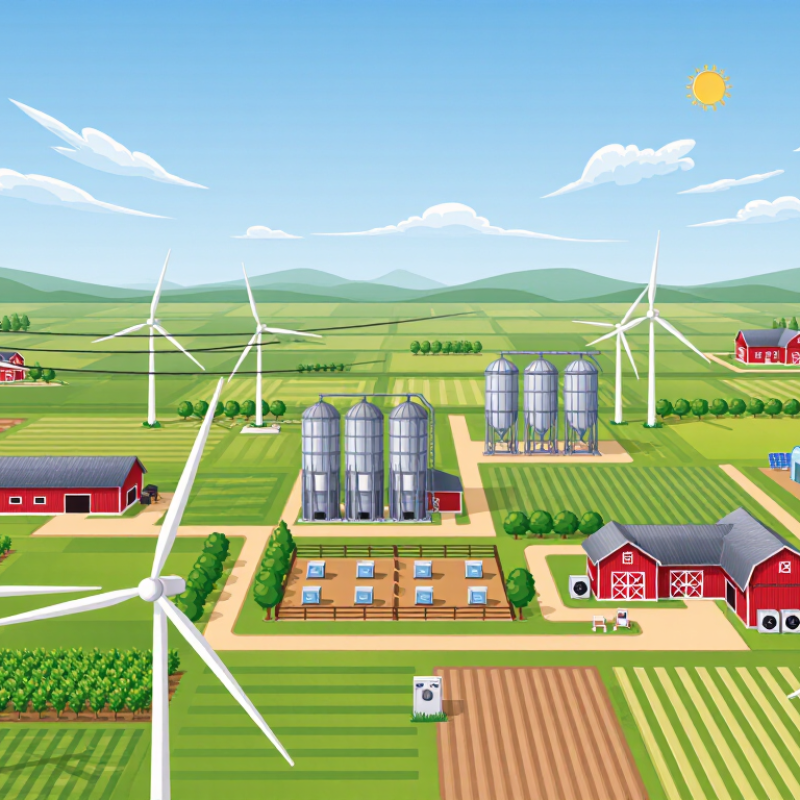
On a working farm, a wind power system converts moving air into usable electricity. Wind pushes the rotor blades, turning a low-speed shaft inside the nacelle. A generator then produces electrical power. An inverter adjusts that power for pumps, lighting, cooling rooms, or farm machinery. A controller manages voltage and protects the equipment. When production exceeds demand, batteries can store energy for calmer hours. Some farms connect the system to a local grid under applicable utility rules. The process looks simple. The engineering is not.
A practical installation begins with wind measurements, not a sales estimate. Anemometers record speed and direction across seasons, often from a temporary mast. Engineers also inspect soil, setbacks, access roads, nearby buildings, and bird activity. Turbulence behind a barn can reduce output and increase blade stress. Tower height matters. So does maintenance access. Field technicians often find that a small system near a reliable load can outperform a larger machine placed poorly. That detail is easy to miss.
Operators should check bolts, cables, brakes, bearings, and battery temperature on a scheduled basis. Dust, ice, salt air, and lightning can shorten service life. A remote monitor may show falling output, but someone still needs to inspect the machine. Wind power is variable, so farms often combine it with solar, storage, or another permitted supply. The first design is rarely perfect. Actual weather may challenge the forecast. Reviewing monthly energy data helps owners adjust loads and plan repairs before failure.
Agricultural wind power systems differ by rotor design, installation scale, and electricity use. Horizontal-axis turbines remain common on open farmland. Their blades face prevailing winds and suit tall towers. They need adequate spacing from trees, barns, and irrigation equipment. Vertical-axis turbines accept changing wind directions more easily. However, many models produce less energy in turbulent farm environments. Field measurements matter more than catalog ratings. Small turbines can support lighting, sensors, electric fencing, or water pumps. They work best where grid access is weak or expensive.
Grid-connected systems feed surplus electricity into farm operations, while battery systems store power for evening loads. Hybrid systems combine wind with solar, batteries, or backup generators. This approach can reduce seasonal gaps because wind and sunlight often peak at different times. Mechanical wind pumps remain useful for livestock watering and shallow wells. They are simpler than electrical systems, but pumping output changes with wind speed. Tower-mounted systems usually capture stronger, cleaner airflow than roof-mounted units. Roof installations may transmit vibration into buildings. That risk is often underestimated. Before choosing a type, buyers should review wind data, tower foundations, maintenance access, noise limits, and local grid rules. A lower-rated turbine with reliable service may outperform a larger unit that stands idle. No type fits every farm.
Agricultural wind power systems now support irrigation, livestock care, crop storage, and remote monitoring. Global buyers should compare real farm conditions, not only rated capacity. The ten useful categories include small horizontal-axis turbines, vertical-axis turbines, wind water pumps, battery-charging units, hybrid wind-solar systems, grid-connected turbines, off-grid microgrids, livestock aeration systems, cold-storage support turbines, and smart turbines with remote sensors.
Each system fits a different working environment. A water-pumping turbine can serve a deep well without complex batteries. A hybrid system may provide steadier power during calm nights or cloudy days. Small turbines suit barns and isolated sheds, while larger units require stronger foundations, transport access, and professional maintenance.
Salt air, dust, ice, and seasonal wind changes can reduce output. Measure them carefully.
Experience shows that installation quality often matters more than brochure figures. Buyers should request wind assessments, noise data, service schedules, spare-parts plans, and documented safety testing. Local engineers should check soil strength, electrical protection, tower height, and permitting rules. Cheap equipment can become expensive after one difficult repair. That lesson is easy to ignore.
No ranking fits every farm. A turbine that performs well on open grassland may struggle beside tall trees. Forecasts can also be too optimistic. Review at least one full year of site data, then compare energy yield, downtime, warranty terms, and total ownership cost. Leave room for uncertainty. Real farms rarely behave perfectly.
Performance, cost, and maintenance vary sharply across agricultural wind systems. Small horizontal-axis turbines suit open fields with steady wind. Vertical-axis units handle changing wind directions, but often produce less energy. Direct-drive turbines reduce gearbox failures and usually need fewer major repairs. Geared turbines can cost less initially, although oil checks and bearing replacements add labor. Irrigation wind pumps remain practical where water demand is steady and grid access is weak. Battery-charging systems support electric fencing, sensors, and remote lighting. Hybrid solar-wind systems improve reliability during calm periods. Cold-climate turbines require heated bearings and stronger blade materials. High-capacity farm turbines can power storage sheds, milking equipment, or processing loads. Compact microgrid systems combine turbines, batteries, controls, and backup generation.
Installed costs commonly range from 1,500 to 6,000 US dollars per kilowatt. Transport, tower height, foundations, and local labor can change that figure substantially. Annual maintenance may cost 2% to 5% of initial investment. Grease, brake inspections, cable checks, and blade cleaning remain routine tasks. Turbines near salty coasts need corrosion-resistant hardware and more frequent inspections. Remote farms may spend more on service travel than replacement parts.
Real field assessments should measure wind at hub height for at least several months. Short surveys can mislead buyers. I have seen projected output fall after taller trees changed airflow patterns. That uncomfortable detail matters. Noise limits, wildlife studies, grid rules, and technician availability also affect ownership costs. A cheaper turbine is not always cheaper to operate. Sometimes, smaller is wiser.
Top 10 Agricultural Wind Power Systems for Global Buyers
Selecting the right agricultural wind power system starts with the farm, not the catalogue. The Global Wind Energy Council reported more than 1,000 GW of global wind capacity by the end of 2023. Yet a large turbine may perform poorly beside barns, trees, or uneven fields. Measure average wind speed at hub height, seasonal direction, turbulence, and distance to the nearest load. A one-year anemometer record is preferable, although many small farms cannot afford perfect data.
For irrigation pumps, choose a system matched to pumping hours, water depth, and storage capacity. Battery-based systems suit dairy lighting, refrigeration, and remote sensors, but batteries add replacement costs and cold-weather limits. Direct mechanical systems can be simpler for grain handling or water lifting. Hybrid wind-solar systems often improve reliability when summer sunlight is strong and wind conditions change. The International Energy Agency’s Renewables 2024 report identifies wind and solar as the main drivers of renewable growth, but farm-level performance still depends on local design.
Check the top ten options by rotor diameter, rated output, tower height, cut-in speed, braking method, maintenance access, spare-part availability, grid connection, and noise. Small details matter. A low-cut-in turbine may help in gentle winds, while a taller tower can clear turbulence. I have seen specifications look impressive but fail to reflect real farm loads. Treat manufacturer estimates as starting points, not guarantees. Independent wind assessment and an energy audit remain essential. Worker safety and local permitting must also guide the final choice.
How to Select the Right System for Different Farm Needs
The chart compares typical rated capacity and indicative annual electricity generation for ten agricultural wind-power applications. Annual output is estimated using a 25% capacity factor and the formula P × 8,760 hours; actual production depends on wind speed, hub height, turbine design, grid conditions, and site layout. Smaller systems suit water pumping and remote livestock operations, while larger systems support irrigation, grain processing, cold storage, and farm microgrids.
Wind turns rotor blades and a low-speed shaft inside the nacelle. The generator produces electricity. An inverter adjusts power for pumps, lighting, cooling, or machinery.
Measure wind speed and direction across different seasons. A temporary mast with anemometers can provide useful site data. Do not rely only on a sales estimate.
Tall trees, barns, and nearby buildings can create turbulent air. Turbulence may reduce output and stress the blades. Tower height, soil strength, access roads, and maintenance space also matter.
Common options include small horizontal-axis turbines and vertical-axis turbines. Other choices include water-pumping units, battery chargers, and hybrid systems. Off-grid microgrids and smart systems can serve remote farm areas.
Yes, wind systems can support irrigation pumps, livestock care, and remote monitoring. A water-pumping turbine may serve a deep well without large batteries. That setup may be simpler.
Batteries can store extra electricity for calmer hours. Some farms combine wind with solar power or another permitted supply. Hybrid systems may provide steadier energy during cloudy or windless periods.
Operators should inspect bolts, cables, brakes, bearings, and battery temperature regularly. Dust, ice, salt air, and lightning can shorten equipment life. Remote alerts help, but physical inspections remain necessary.
Compare measured energy yield, downtime, service schedules, spare-parts plans, and total ownership cost. Ask for noise data and documented safety testing. Cheap equipment may become expensive after one difficult repair.
No. Rated capacity does not describe every farm’s actual output. Review at least one full year of site data when possible. The first design may need changes. Real weather is often less cooperative.
A small system near a reliable load may outperform a larger, poorly placed machine. It can suit a barn, isolated shed, or nearby pump. Size alone is not the answer.
Agricultural Wind Power Systems help farms convert steady wind into usable electricity for irrigation, refrigeration, lighting, storage, and other daily operations. This article explains how turbines capture wind through rotating blades, transmit mechanical energy to a generator, and deliver power through batteries, local grids, or hybrid systems. It also introduces key system types, including small standalone turbines, grid-connected installations, vertical-axis designs, and wind-solar hybrid solutions, highlighting how each option suits different land sizes, wind conditions, and energy demands.
The guide presents ten practical Agricultural Wind Power Systems for global buyers and compares their performance, installation costs, operating efficiency, lifespan, and maintenance requirements. It also discusses essential selection factors such as average wind speed, farm location, available space, energy usage, budget, environmental conditions, and access to technical support. By matching system characteristics with specific agricultural needs, farm owners can make informed decisions, reduce energy expenses, improve operational resilience, and support more sustainable long-term production.