Electricity demand is rising, while power systems must cut emissions and manage variable generation. The EOX WS²+ Wind-Solar-Storage System combines wind, solar, and energy storage in one coordinated concept. Its potential benefits include greater renewable-energy use, improved supply flexibility, and more options for managing electricity across changing conditions. Actual results depend on local weather, equipment sizing, operating strategy, and connection requirements.
The International Energy Agency’s Renewables 2024 report forecasts nearly 5,500 gigawatts of new renewable capacity worldwide between 2024 and 2030. It also expects renewables’ share of global electricity generation to rise from 30% in 2023 to 46% by 2030. The trend is significant. IRENA’s Renewable Power Generation Costs in 2023 report found that 81% of newly commissioned renewable capacity had lower costs than fossil-fuel alternatives. Yet lower generation costs alone do not guarantee reliable power at every site. Wind and sunlight fluctuate; storage can help shift energy, but its performance depends on capacity, duration, and system design. Real sites differ.
This article examines ten practical benefits of the EOX WS²+ Wind-Solar-Storage System, from combining complementary renewable sources to supporting more flexible energy use. It also considers the limits behind the promise. No configuration suits every project, and projected savings should be checked against site-specific data, operating needs, and lifecycle costs. The figures cited here provide context, not a performance guarantee.
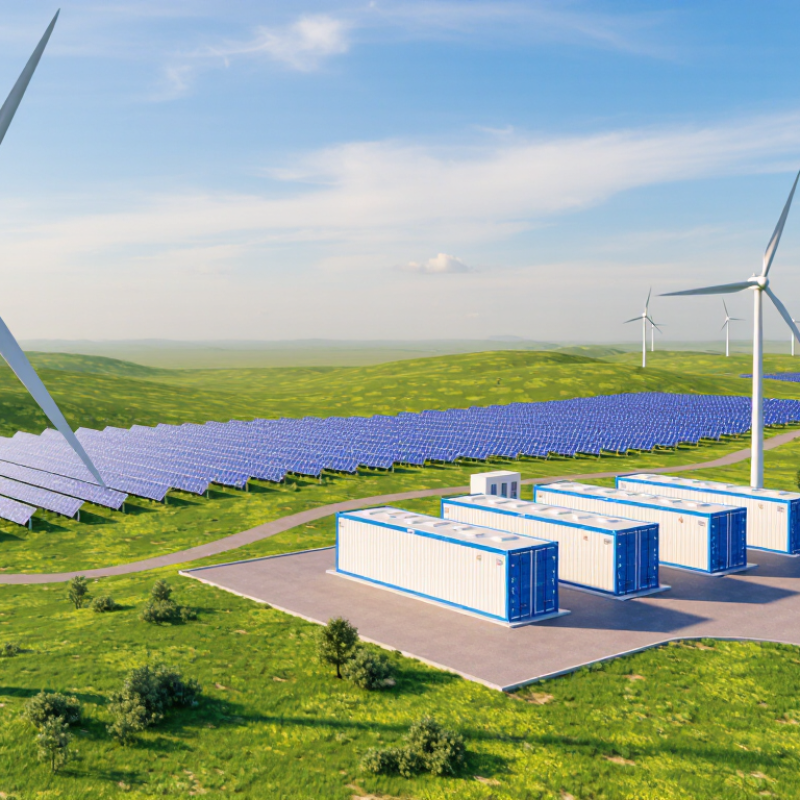
A wind-and-solar storage system brings together two renewable sources, a battery bank, and equipment that manages power flow. Solar modules convert daylight into electricity, while a wind turbine can generate power when suitable wind is available. Their output varies with weather and site conditions.
A controller monitors incoming energy and directs it toward household loads or battery charging. A hybrid inverter converts stored direct current into alternating current for compatible appliances. Batteries hold surplus energy for later use, such as after sunset or during calm periods. Protective devices, wiring, and a monitoring interface connect these components and help operators check system status. Small details matter.
Placement shapes performance. Panels need a clear view of the sun, and turbines require an appropriate location with usable wind and safe clearances. Battery capacity, inverter output, and expected daily demand should be matched carefully. Still, a neat diagram is cleaner than reality: seasonal changes, shading, and uneven energy use can complicate planning. A well-designed setup accounts for those limits and makes it easier to see where energy comes from and where it goes.
It combines wind and solar generation with batteries. Extra electricity can be stored for later use. Energy keeps moving.
It may support lights, refrigeration, pumps, or evening operations when generation falls. The available power depends on battery charge and system design.
It may cover short interruptions if enough stored energy is available. Backup performance depends on the equipment and the loads being powered. Not guaranteed.
It can reduce grid purchases or help limit peak demand. Actual savings depend on local prices, usage patterns, and connection rules.
Weather, electricity tariffs, battery duration, maintenance, and connection limits all matter. A windy night and sunny afternoon may complement each other, but local records are essential.
Compare hourly weather data with actual electricity use. Test cloudy, still periods and equipment downtime, not only typical conditions.
No. Upfront costs, maintenance, battery replacement, and site conditions still shape the economics. Cost trends are not a project guarantee.
Dashboards can show generation, battery charge, and consumption. Teams still need time and training to interpret the data. Numbers can mislead.
A short-duration battery may handle an evening peak but fall short during several cloudy, still days. Forecasts can look precise and still be wrong.
The EOX WS²+ Wind-Solar-Storage System combines wind turbines, solar panels, energy storage, and coordinated control equipment to provide a flexible source of electricity. Wind and solar generation can complement one another as weather and daylight change, while stored energy helps balance differences between supply and demand. Together, these components can support a more consistent energy flow than relying on either renewable source alone.
Key benefits may include reduced dependence on conventional grid power, improved energy resilience, and more efficient use of locally available renewable resources. By storing surplus generation for later use, the system can help manage peak demand and support essential operations during variable production. Its economic and operational value depends on factors such as site conditions, energy needs, system size, installation costs, and maintenance requirements. Potential applications include homes, businesses, remote facilities, and other sites where dependable, adaptable power is important.